

Eighteenth Century Ceramics
Eighteenth century ceramics encompass domestic vessels, figures and decorative dishes formed from soft-paste and hard-paste porcelain, earthenware and stoneware.
Eighteenth Century Ceramics
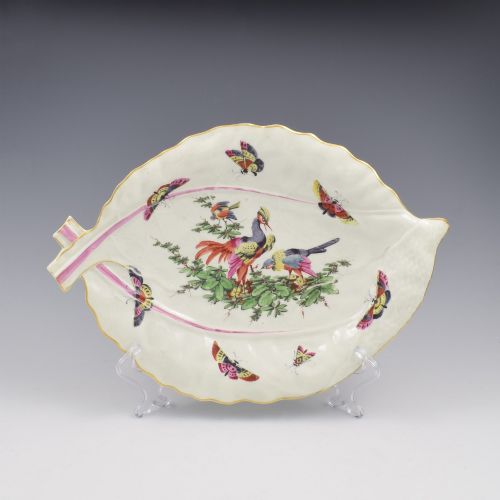
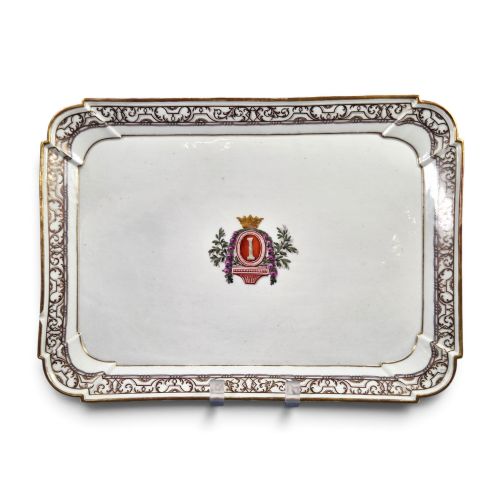
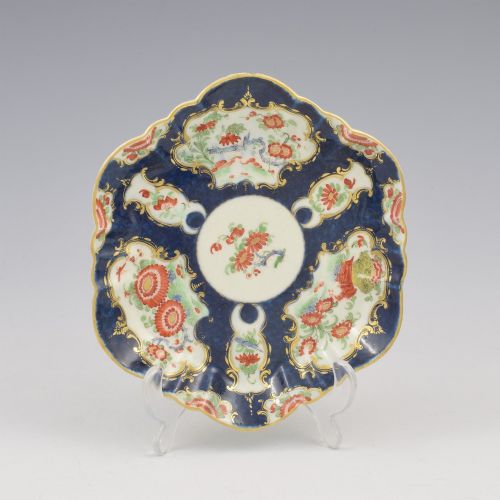
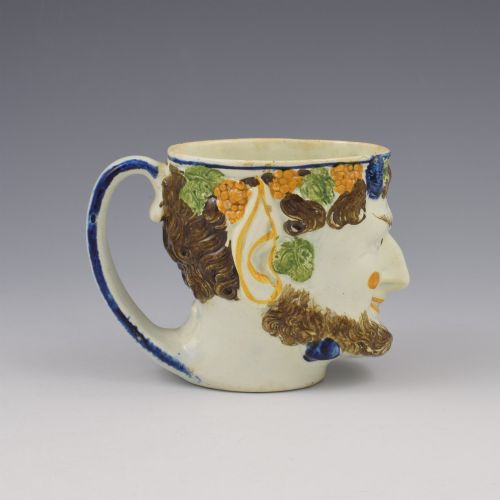
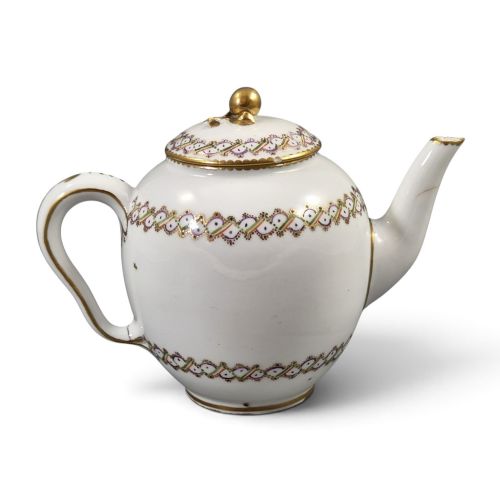
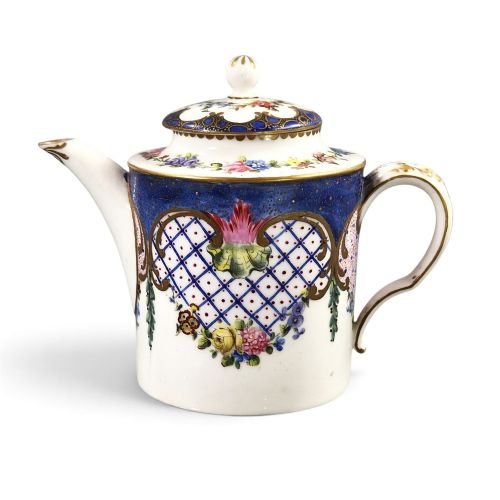
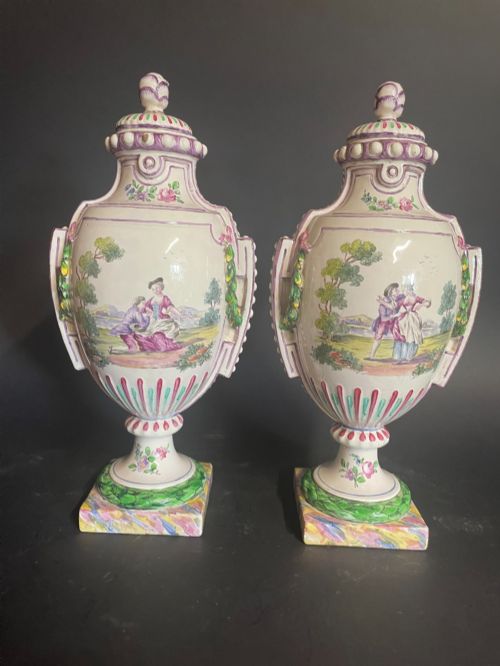
Eighteenth century ceramics span practical vessels and decorative works created across European factories and Asian kilns during a period of immense technical development. When exploring eighteenth century ceramics, buyers encounter everything from delicate Worcester tea wares and Meissen figures to robust Delft jars and Chinese export porcelain chargers.
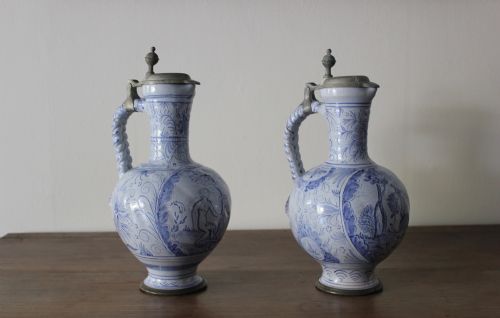
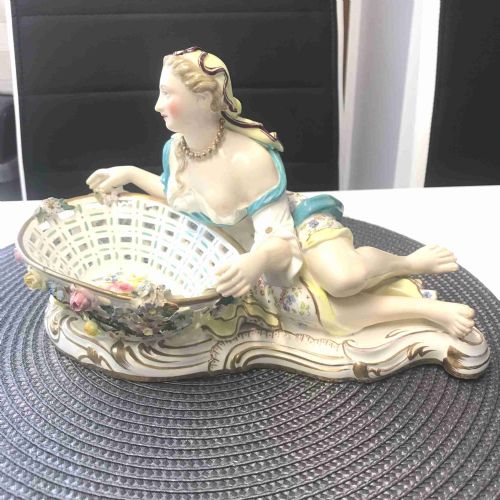
The objects on this page largely represent European porcelain manufacturers such as Worcester, Derby, Meissen, and Sèvres, alongside Dutch delftware and Qing Dynasty porcelain. Domestic table services, sweet baskets, candlesticks and glazed figures form the core of the selection available to collectors.
How they were made
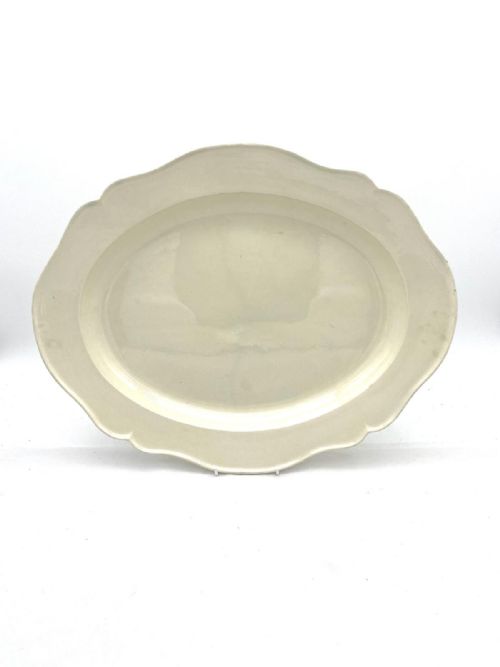
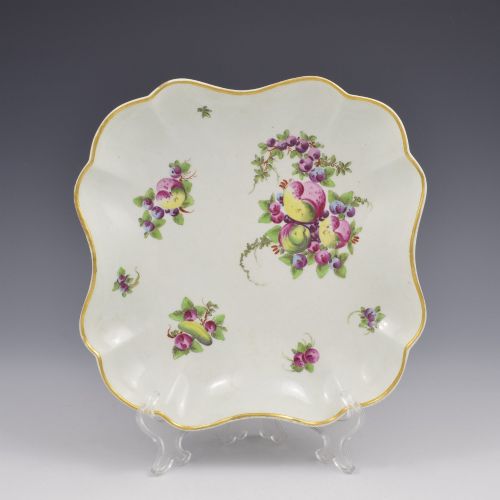
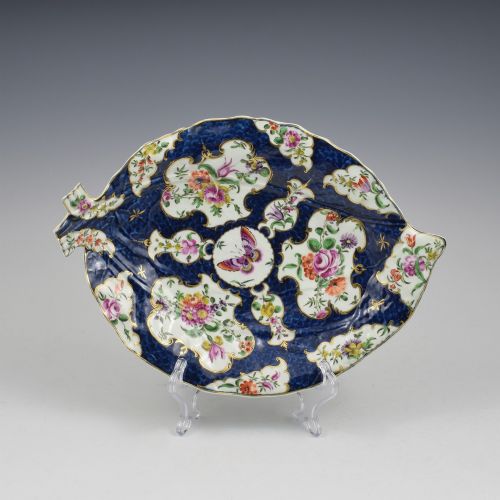
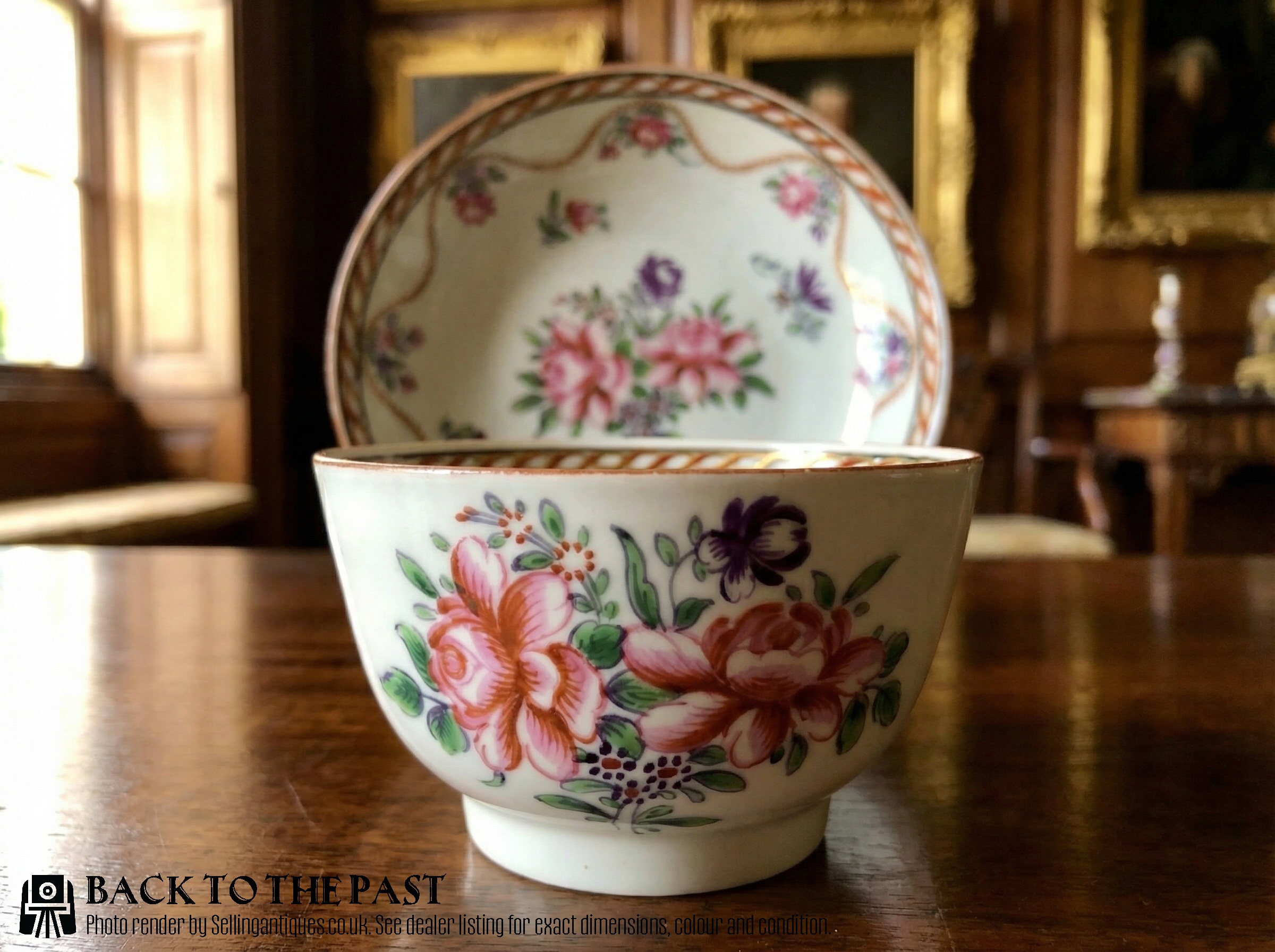
Makers utilised soft-paste and hard-paste porcelain alongside creamware, faience and tin-glazed earthenware, shaping them into tableware, vases and intricate figural groups. Hand-painting in cobalt blue, polychrome enamels and gilding required precise kiln firing to set the colours and glazes.
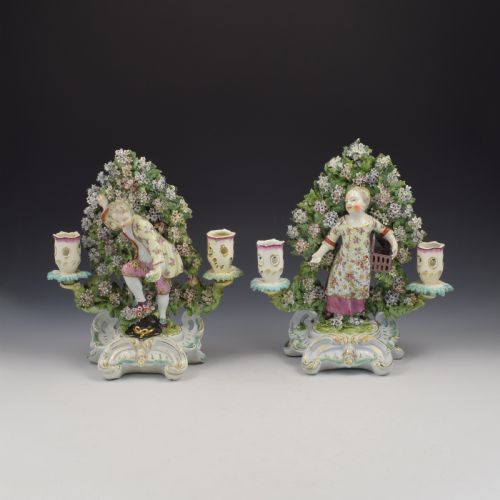
Moulding and slip-casting allowed factories to produce uniform shapes for services, while figures often involved intricate hand-modelled additions such as bocage foliage applied before glazing.
Listings feature eighteenth century ceramics across porcelain, earthenware and stoneware, spanning European factories and Qing Dynasty kilns.
What varies in quality
Quality rests on the crispness of the moulding, the skill of the hand-painted decoration, and the stability of the glaze during firing. Superior pieces display refined brushwork, balanced composition in figural groups, and precise application of gilding or enamel colours.
Factory standards also dictate value, with works from established periods such as the First Period Worcester or Marcolini-era Meissen showing superior control over paste preparation and kiln temperatures compared to later regional imitations.
Ludwigsburg Porcelain·Royal Sèvres Porcelain·Meissen Porcelain·Derby Porcelain·Bow Porcelain·Samson Paris
The Eighteenth Century Ceramics Glossary
- Soft-paste porcelain
- A glassy porcelain composition fired at lower temperatures than hard-paste, common in early English factories. It presents a warm, creamy body beneath the glaze.
- Bocage
- Applied background foliage made of clay, often found behind figures in English porcelain from factories like Derby and Bow. It provides a dense, leafy backdrop to the modelled subject.
- Enamel
- Opaque glass fused to the surface of porcelain or pottery during a secondary low-temperature kiln firing. This technique allowed makers to achieve vibrant polychrome decoration.
- Delftware
- Tin-glazed earthenware produced in the Netherlands and England, typically decorated with blue pigments imitating Chinese porcelain. The opaque white glaze creates a smooth canvas for painted scenes.
- Hard-paste porcelain
- A true porcelain made from kaolin and petuntse fired at high temperatures, developed at Meissen and widely adopted across European royal factories.
Eighteenth Century Ceramics: Frequently Asked Questions
How do I identify First Period Worcester?
First Period Worcester porcelain is identified by its characteristic body composition, standard blue and white or polychrome transfer printing, and specific underglaze blue workman marks.
Collectors look closely at the glaze pooling and the specific patterns, such as the wheatsheaf or scale borders, which align with eighteenth-century production methods.
What is soft-paste porcelain?
Soft-paste porcelain is an artificial porcelain mixture containing glass frit and white clay, fired at lower temperatures than true hard-paste porcelain.
It was widely utilised by eighteenth-century English factories before the discovery of local kaolin deposits allowed production of hard-paste bodies.
How were figures like the Seasons used?
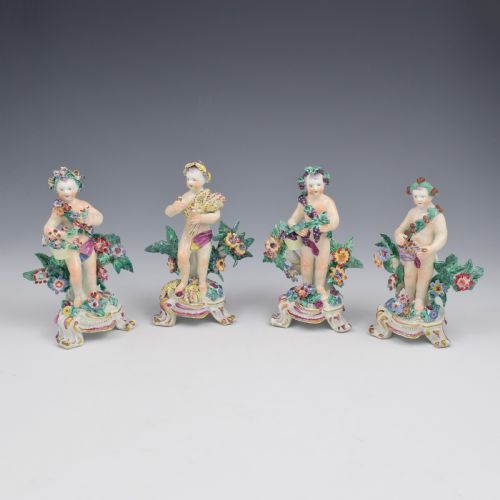
Allegorical figures depicting themes such as the Four Seasons served as decorative centrepieces on dining tables or mantelpieces in wealthy eighteenth-century households.
They often formed matched sets designed to display the owner's cultural literacy and appreciation for classical motifs.
What is tin-glazed earthenware?
Tin-glazed earthenware is pottery coated with a glaze containing tin oxide, which dries opaque white and provides an absorbent surface for painted pigments.
This technique formed the basis of Dutch delftware production, allowing potters to create decorative jars, tiles, and dishes.