



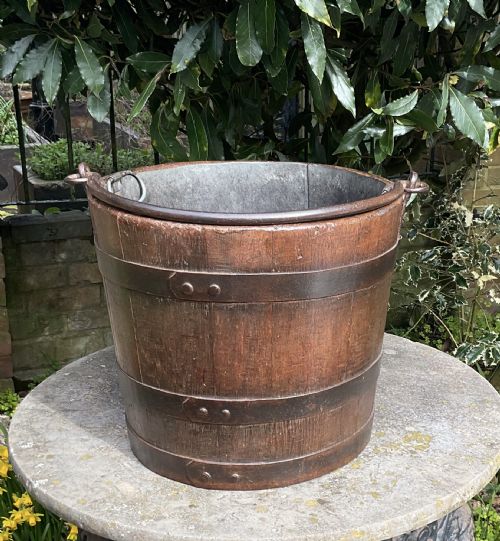


Edwardian Wooden Planter
An edwardian wooden planter brings organic warmth to interior spaces, combining period craftsmanship with practical greenery for the home.
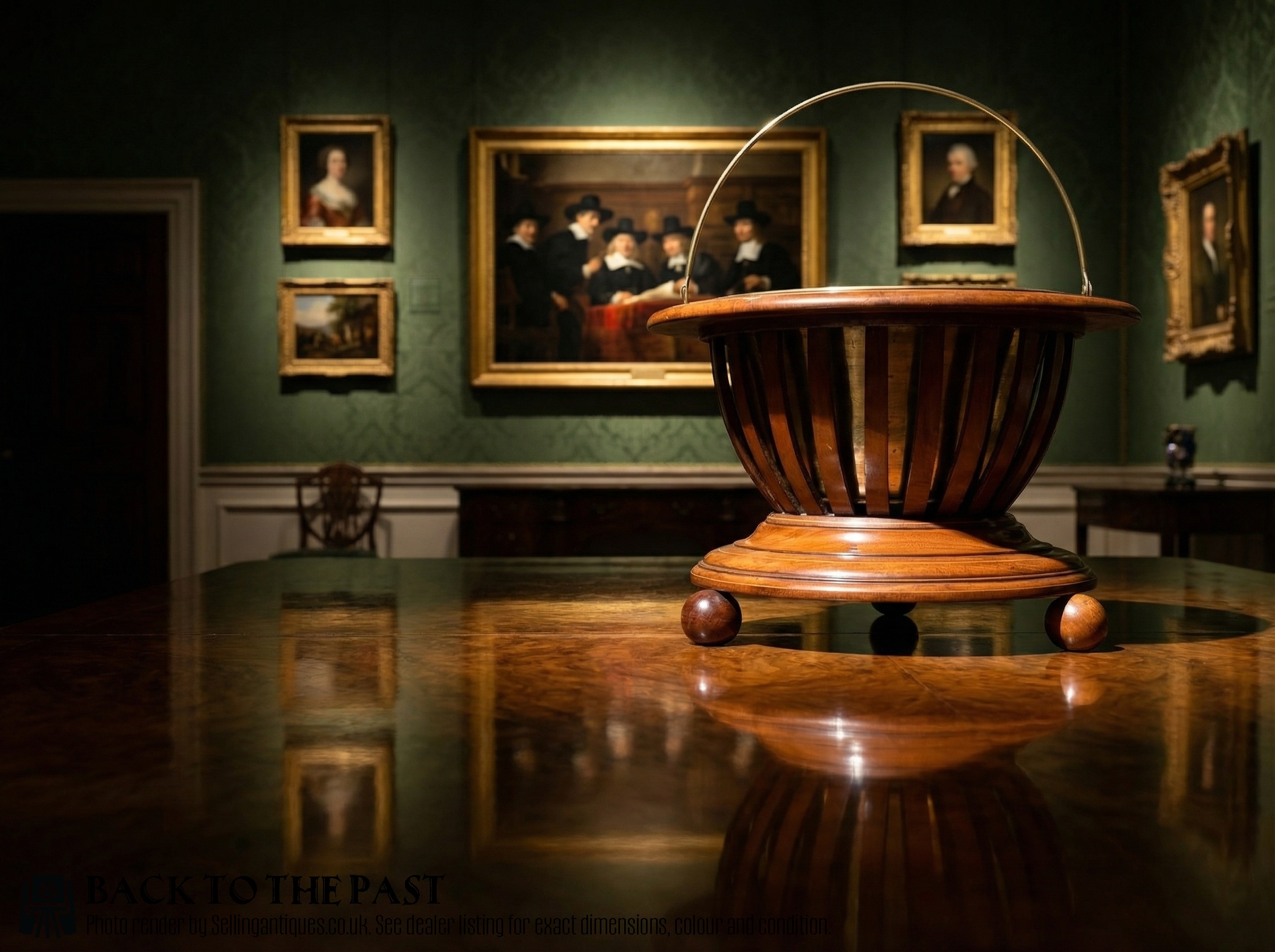
Edwardian Wooden Planter
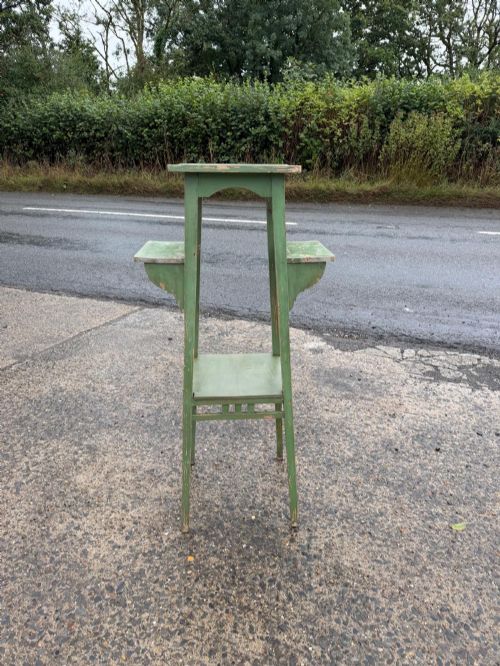
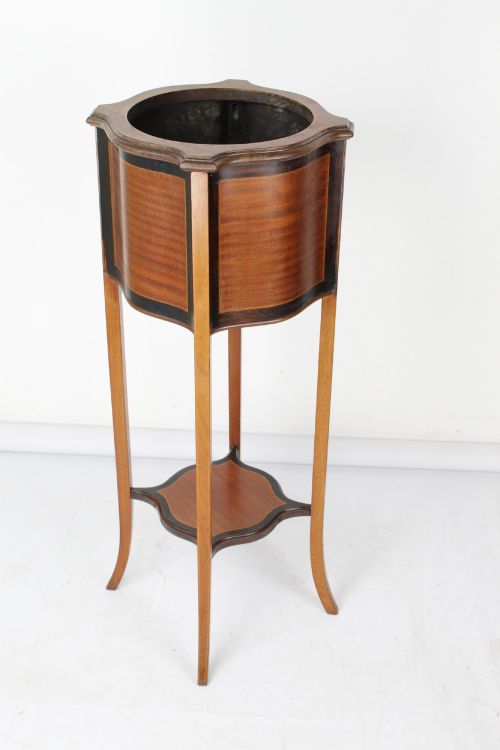
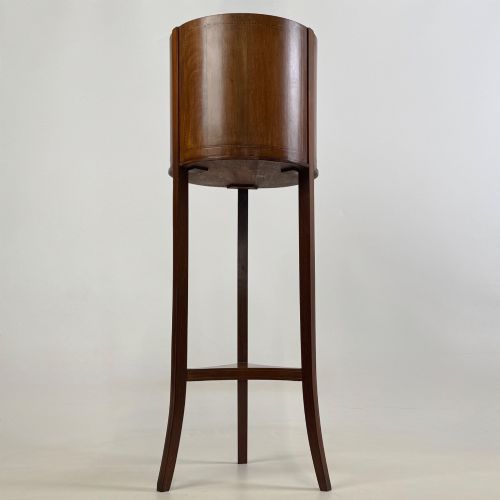
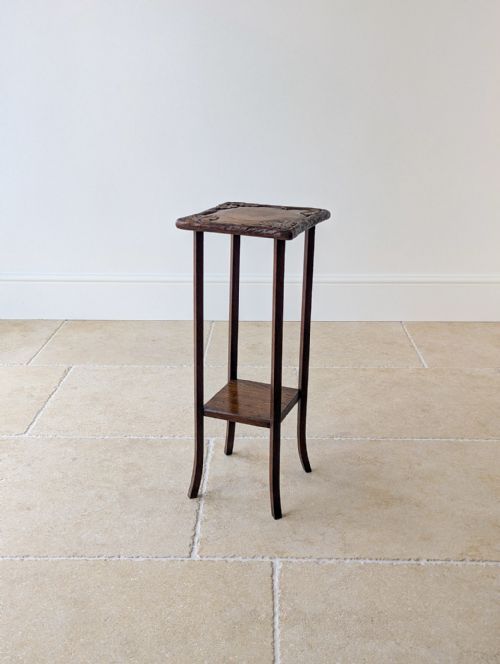
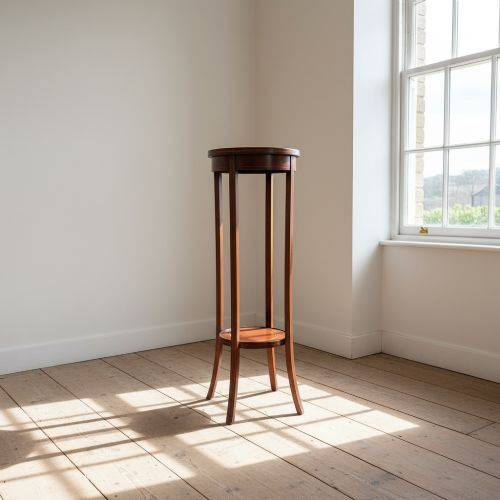
When searching for an edwardian wooden planter, a buyer encounters freestanding vessels, jardinieres, and tall plant stands designed to hold potted plants indoors. These objects elevate greenery off the floor, introducing living foliage into domestic rooms with architectural intention.
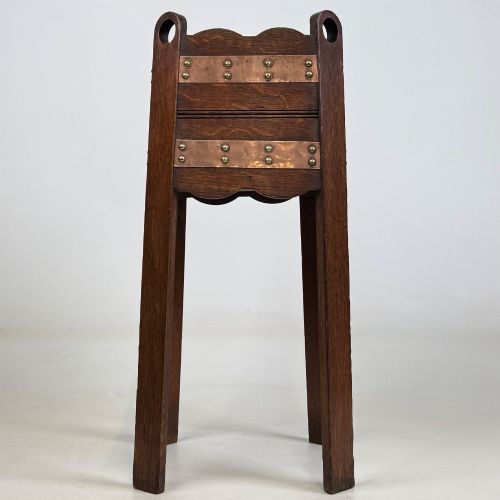
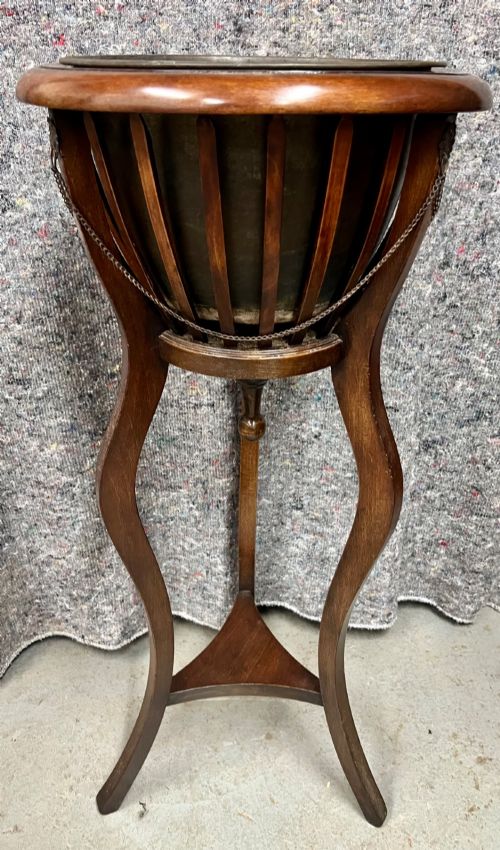
The most common examples on this page are mahogany and oak plant stands and coopered buckets originating from the early twentieth century. Many feature inlaid details, brass bindings, or tiered shelves, reflecting the domestic horticultural interests of the period.
How they were made
Cabinetmakers constructed these pieces primarily in mahogany, oak, and satinwood, frequently employing boxwood inlay to add decorative contrast to the timber surfaces. Coopered construction techniques appear regularly, utilising tightly fitted wooden staves bound with brass bands to create durable, waterproof vessels.
Turned elements such as barley twist stems and tapered legs provide vertical support on freestanding plant stands and jardiniere tables. Original metal liners frequently accompany these wooden structures, protecting the timber from moisture and soil.
Listings for this phrase include oak, mahogany, satinwood, and burr walnut, alongside brass and copper metalwork.
What varies in quality
The caliber of an edwardian wooden planter rests upon the selection of timber and the precision of its joinery. Superior examples display carefully figured mahogany or quarter-sawn oak, alongside crisp inlay work and robust, hand-fitted brass hardware.
Integrity of structure and preservation of surface finish distinguish finer pieces from simpler utilitarian items. The presence of original metal liners and intact coopered staves elevates the historical value of the vessel.
Lister and Co
The Edwardian Wooden Planter Glossary
- Coopered
- Construction method utilising narrow wooden staves joined vertically and secured with metal hoops, traditionally used for barrels and buckets. This technique ensured waterproof vessels for holding damp soil and plants.
- Jardiniere
- An ornamental pot or stand designed to hold a plant or flowers indoors. These decorative receptacles frequently feature metal liners to protect supporting furniture or stands.
- Cellarette
- A lockable cabinet or fitted container originally used for holding bottles of wine, occasionally adapted or repurposed as a planter. They often incorporate heavy brass carrying handles and bound staves.
- Barley Twist
- A turned wooden furniture leg or support carved in a continuous helical spiral. This decorative turning style appears frequently on early twentieth-century plant stands and tables.
Edwardian Wooden Planter: Frequently Asked Questions
What is an edwardian wooden planter?
An edwardian wooden planter is a decorative vessel or stand designed to hold indoor potted plants, produced around the early twentieth century.
These pieces range from tall mahogany plant stands to coopered oak buckets bound in brass.
How were these planters used?
Owners placed them in reception rooms and hallways to display ferns and flowering plants, bringing nature indoors.
The raised stands and protective metal liners allowed homeowners to water plants without damaging household surfaces.
How do I care for wooden planters?
Protect the timber by ensuring that original metal liners are used to catch excess water during plant maintenance.
Regular polishing preserves the finish of mahogany and oak while preventing the wood from drying out.
Are these planters waterproof?
Most wooden planters rely on removable metal liners to hold the damp soil and plant pots safely.
Coopered oak barrels are historically constructed to hold moisture, but modern owners still use liners to preserve the antique wood.