

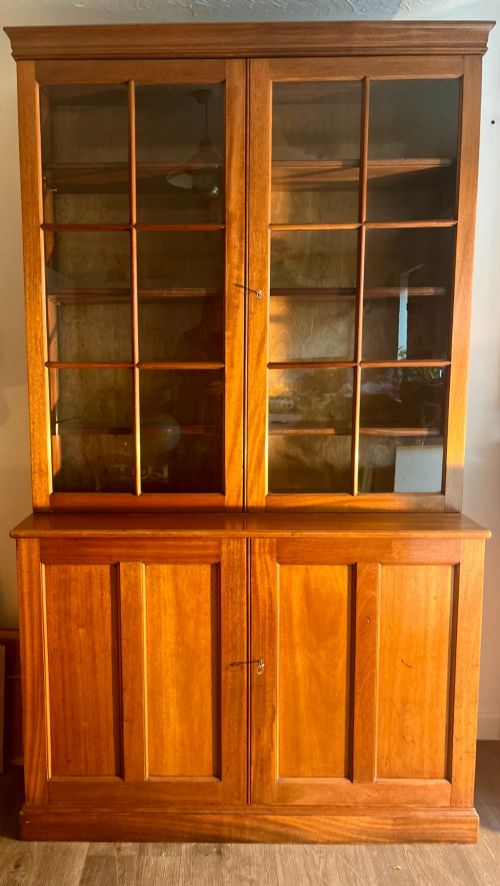
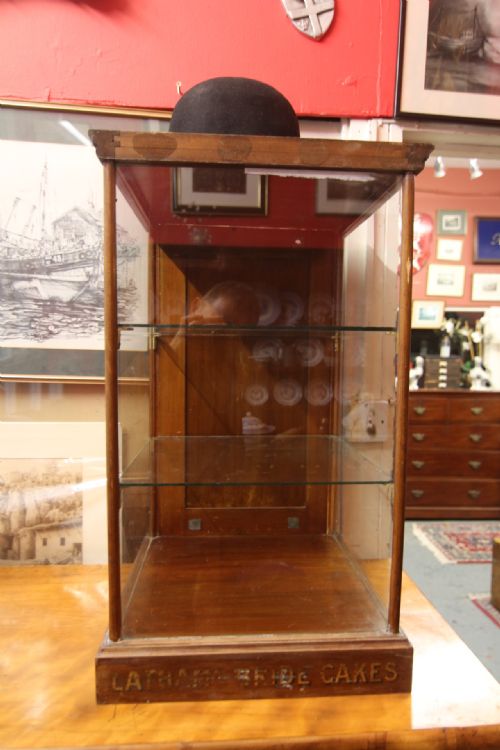

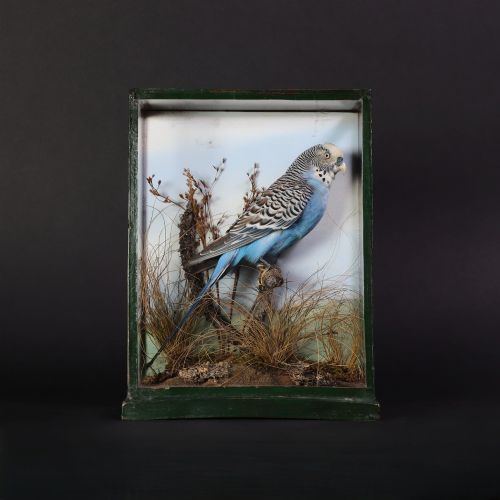
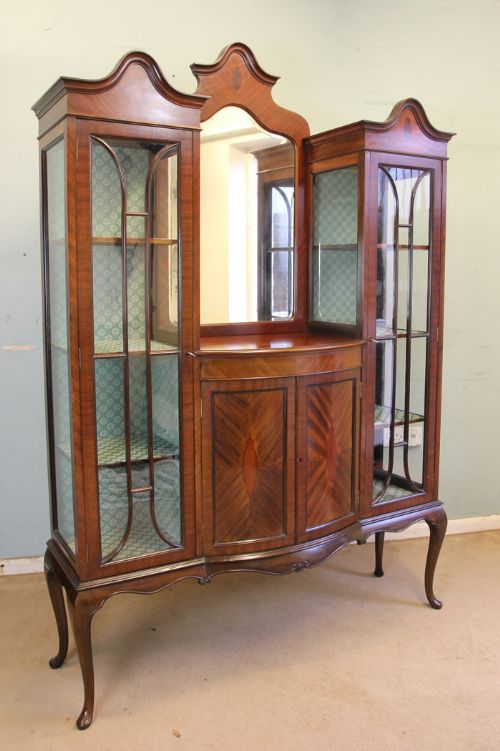



Edwardian Wooden Display Case
An edwardian wooden display case offers refined glazing and rich timber framing to showcase precious objects securely.
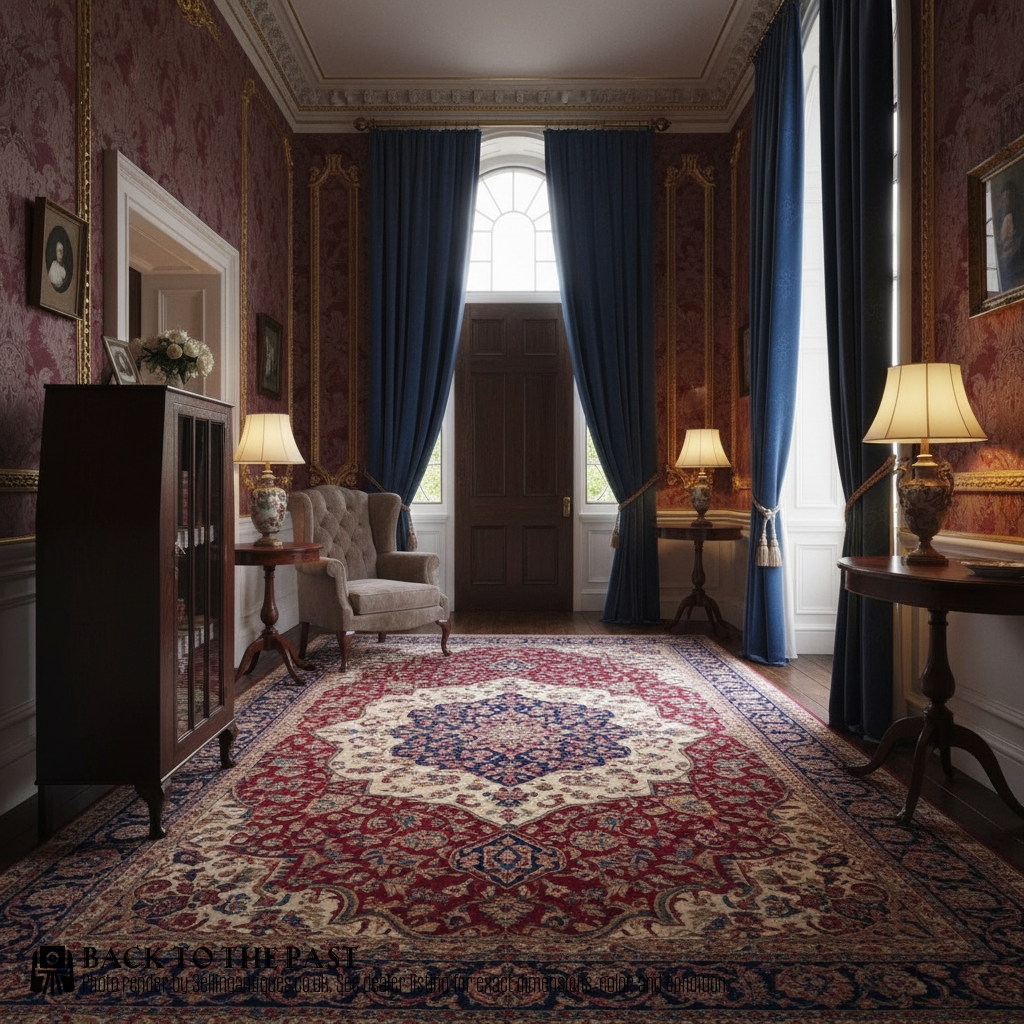
Edwardian Wooden Display Case
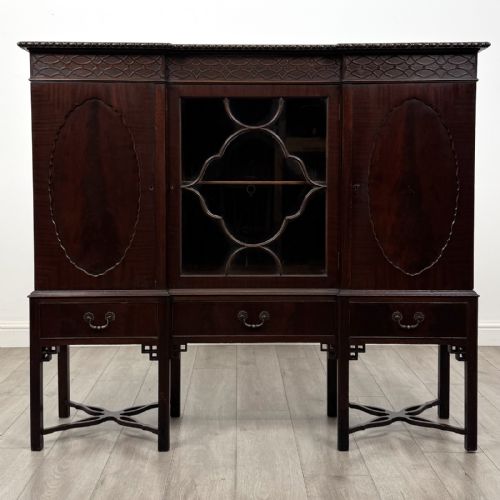
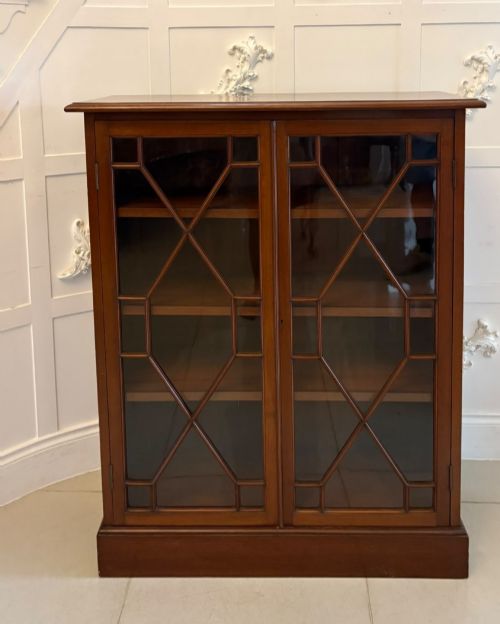
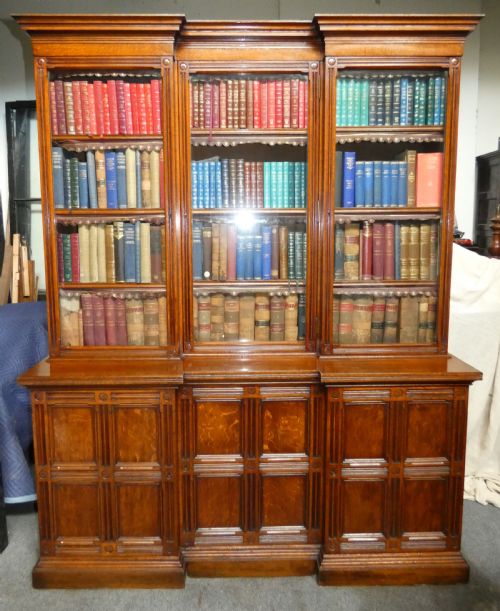
An edwardian wooden display case brings together glazed cabinetry designed to protect and present precious objects within domestic or commercial interiors. Pieces meeting this description span from the late nineteenth century through the early decades of the twentieth century, with strong representation from the Edwardian era alongside Victorian and later revival periods.
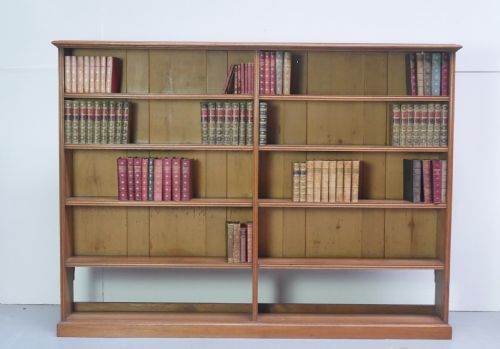
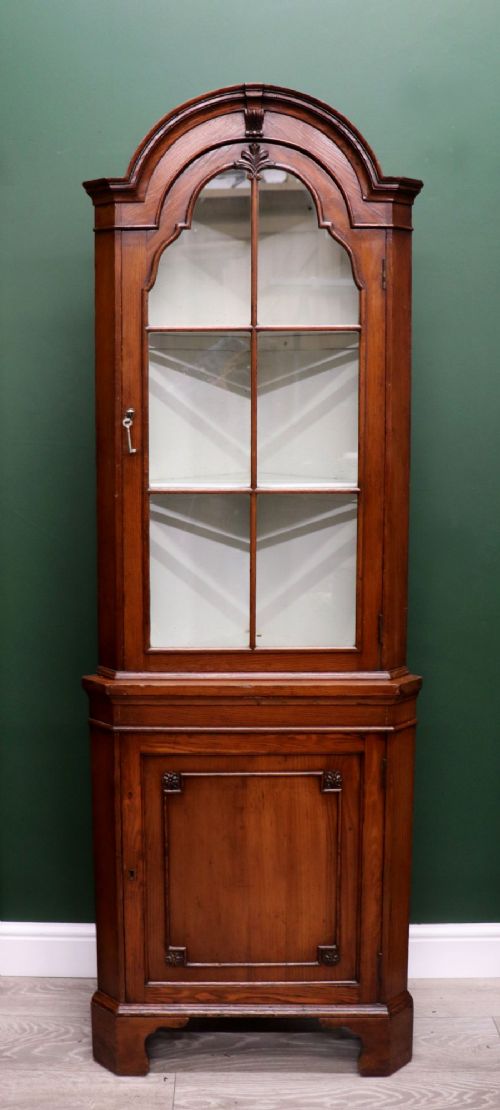
The physical forms vary considerably based on original function, ranging from floor-standing vitrines and corner cabinets to countertop shop cases, wall-mounted cupboards, and table-top display domes. Mahogany and oak serve as primary structural woods, frequently accented by satinwood inlay or glazed panels intended to maximise visibility.
Buyers encountering these items will find both domestic furniture designed for parlour collections and commercial fittings originating from contemporary shops and apothecary counters. The common thread uniting these diverse formats is the integration of glass and timber to create a protective viewing enclosure.
Materials and Construction
Makers utilised solid timbers including mahogany, oak, and walnut to build the primary framework, often applying satinwood veneers and intricate marquetry for decorative effect. Brass hardware provides functional hinges and locks, while internal shelving relies on glass or matching wood.
Glazing techniques involve securing glass panes within rebated wooden frames or bronze-cased structures, sometimes incorporating adjustable glass shelves to accommodate varied objects. Surface finishes depend on traditional polishing methods that highlight the natural grain and inlay details of the wood.
Edwardian Wooden Display Case Retail Price Guide 2026
Typical asking prices for edwardian wooden display case among the pieces listed under this phrase on Sellingantiques today, from the lower quarter to the upper quarter. They describe what is for sale here now, not the wider market.
The furniture formats include floor-standing cabinets, wall-mounted units, and countertop display cases.
Craftsmanship and Proportion
The standard of an edwardian wooden display case depends largely on the precision of its timber selection, particularly the execution of satinwood inlay and marquetry details. Cabinets displaying balanced proportions, crisp carving, and original brass fittings demonstrate superior workshop practice.
Structural integrity of the glazed doors and the quality of the glass itself distinguish finer examples from standard utility pieces. Retaining original interior elements, such as adjustable glass shelving or fitted brass hardware, elevates the integrity of the cabinet.
T. E. Gunn·S. King·Hutchings of Aberystwyth·W.F. Homer London
The Edwardian Wooden Display Case Glossary
- Vitrine
- A glass-fronted cabinet or display case designed specifically for showing fine objects or curiosities. These pieces often feature glazed sides to maximise light entry.
- Marquetry
- Decorative veneer work arranged in intricate patterns or pictures using various coloured woods. This technique is frequently seen on satinwood panels.
- Bow front
- A convex, curved front profile popular on display cabinets and chests from the late Victorian and Edwardian periods. It softens the linear appearance of a room.
- Sheraton Revival
- A late nineteenth and early twentieth century design style drawing inspiration from the lighter neoclassical furniture of Thomas Sheraton. It relies on mahogany and satinwood banding.
- Countertop case
- A smaller display enclosure intended for placement on a shop counter or table, commonly utilised by merchants for advertising and merchandise presentation.
Edwardian Wooden Display Case: Frequently Asked Questions
What were edwardian wooden display cases used for?
These cabinets served both domestic and commercial purposes, holding precious ceramics, silver, and personal collections within the home.
Commercial variants functioned as shop display units or advertising enclosures for merchants selling confectionery and tobacco.
How do I distinguish Edwardian from Victorian cases?
Edwardian examples generally feature lighter framing, simpler lines, and extensive use of Sheraton Revival satinwood inlay.
Victorian pieces tend to be heavier in proportion, often employing dark mahogany or walnut with denser ornamentation.
Are the shelves usually adjustable?
Many cabinets include adjustable wooden or glass shelving supported by traditional rack-and-pinion systems or brass rests.
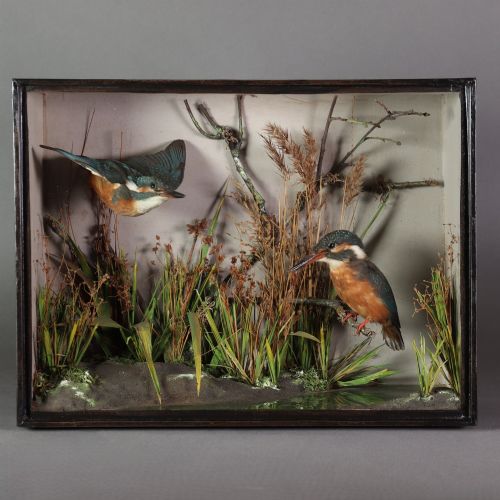
Original internal arrangements vary depending on whether the cabinet was built for books, taxidermy, or table-top curiosities.
How should I clean the wood and glass?
Maintenance requires gentle dusting of the timber surfaces with a soft, dry cloth to preserve the traditional wax or polish finish.
Glass panels benefit from standard glass cleaner applied sparingly to a cloth rather than sprayed directly near the wooden frame.