

Edwardian Wooden Commode
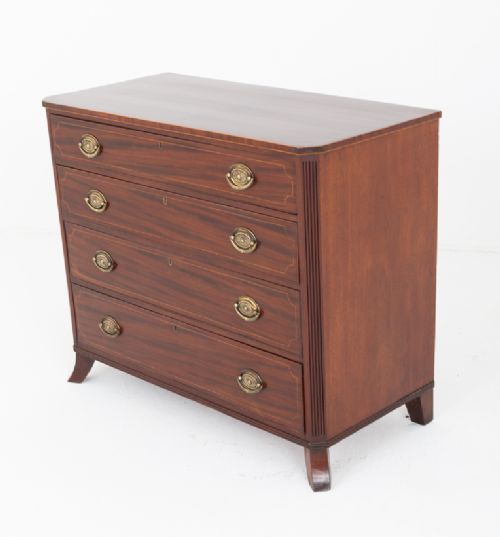
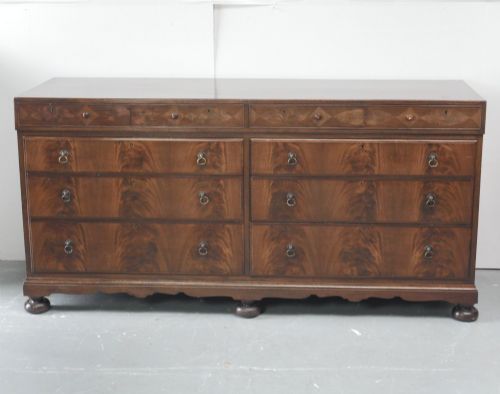
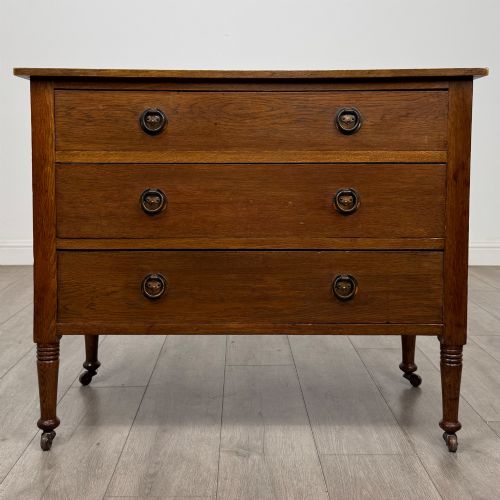
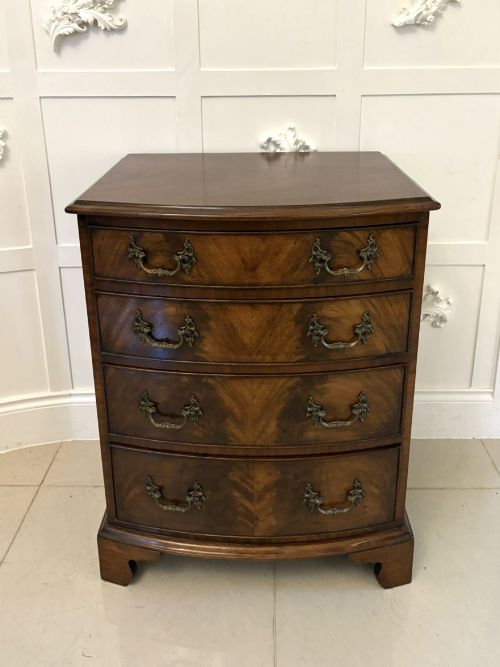
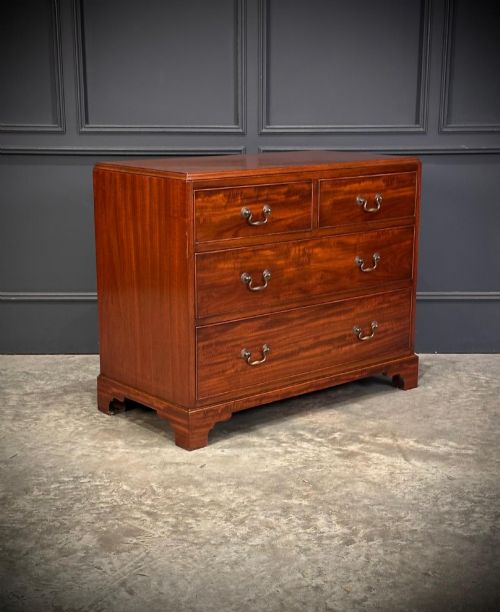
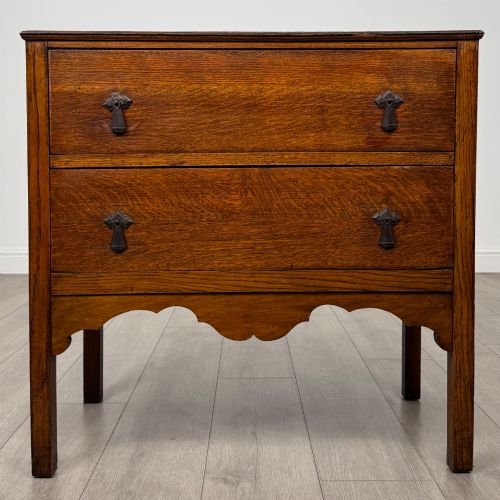
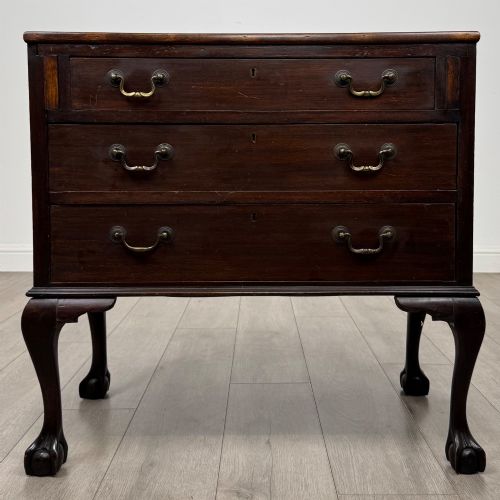
An edwardian wooden commode or chest of drawers brings practical storage and refined timber grain to a bedroom.
Edwardian Wooden Commode
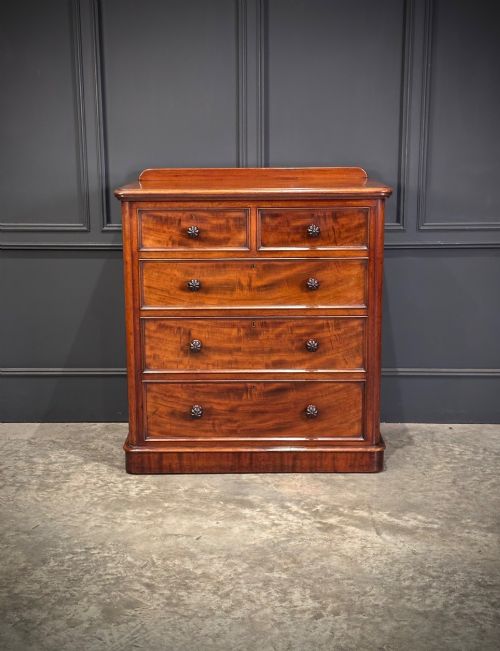
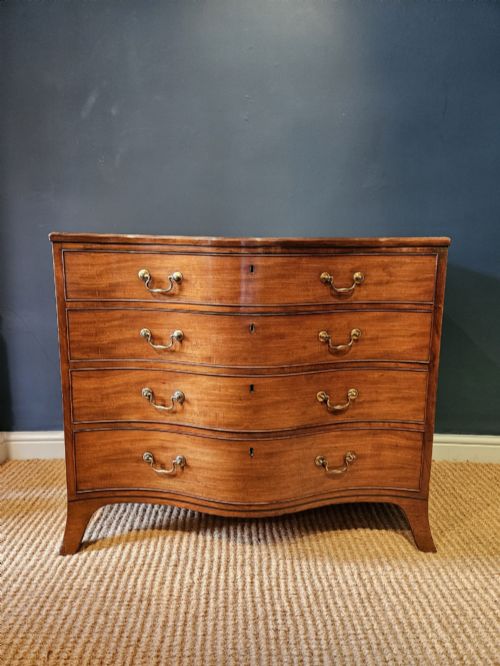
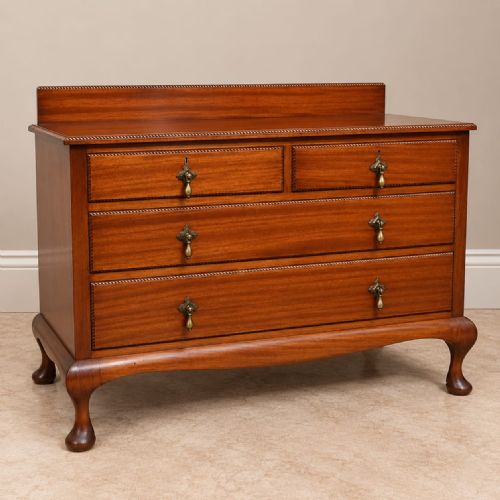
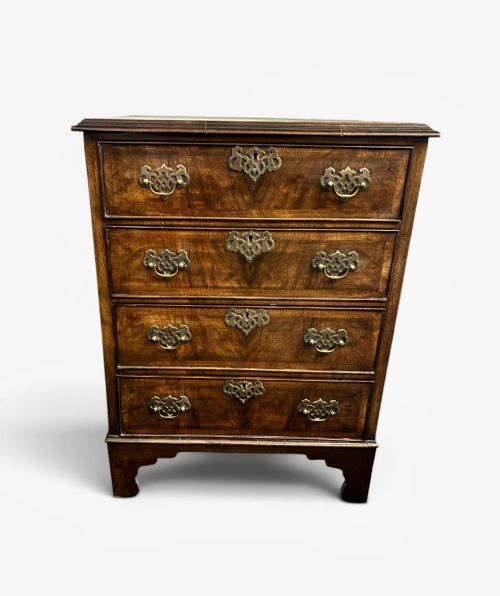
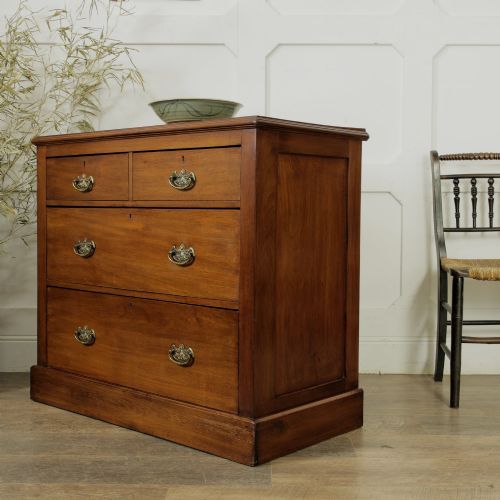
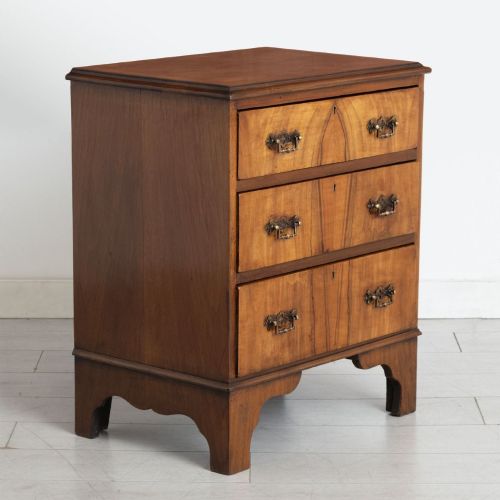
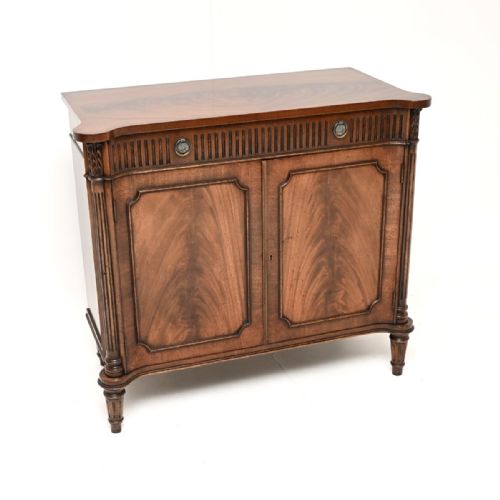
When buyers search for an edwardian wooden commode, they generally encounter forms such as chests of drawers, bedside cabinets, and sideboards originating from the Edwardian period alongside pieces from the Victorian and Georgian eras. The listings frequently present mahogany, oak, walnut, and pine constructions, often shaped with bow fronts or fitted with original handles.
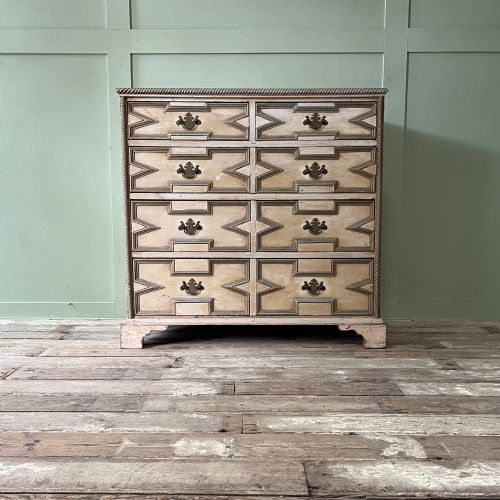
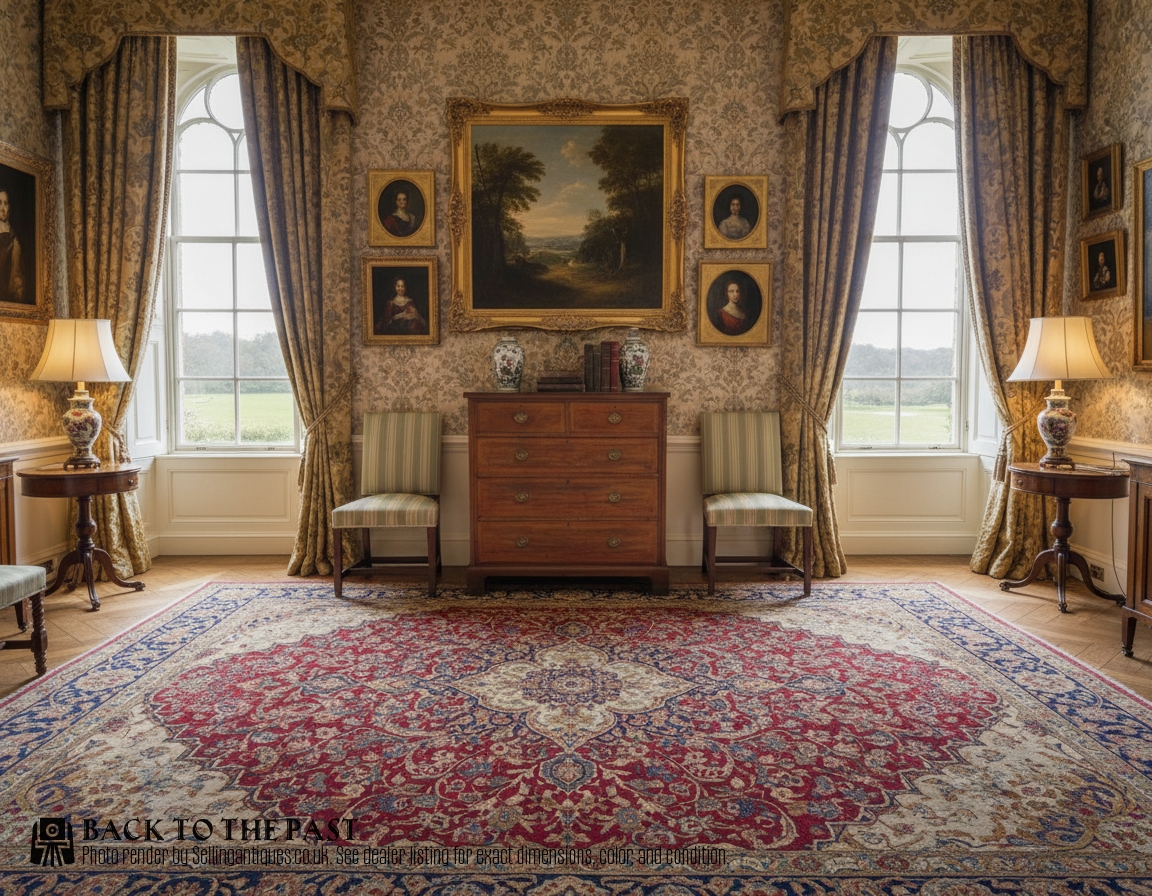
The pieces on this page span several stylistic revivals including Georgian, Regency, and Queen Anne, reflecting the eclectic taste of the early twentieth century. Cabinets and chests range from compact bedside tables to larger multi-drawer units finished in painted surfaces or figured veneers.
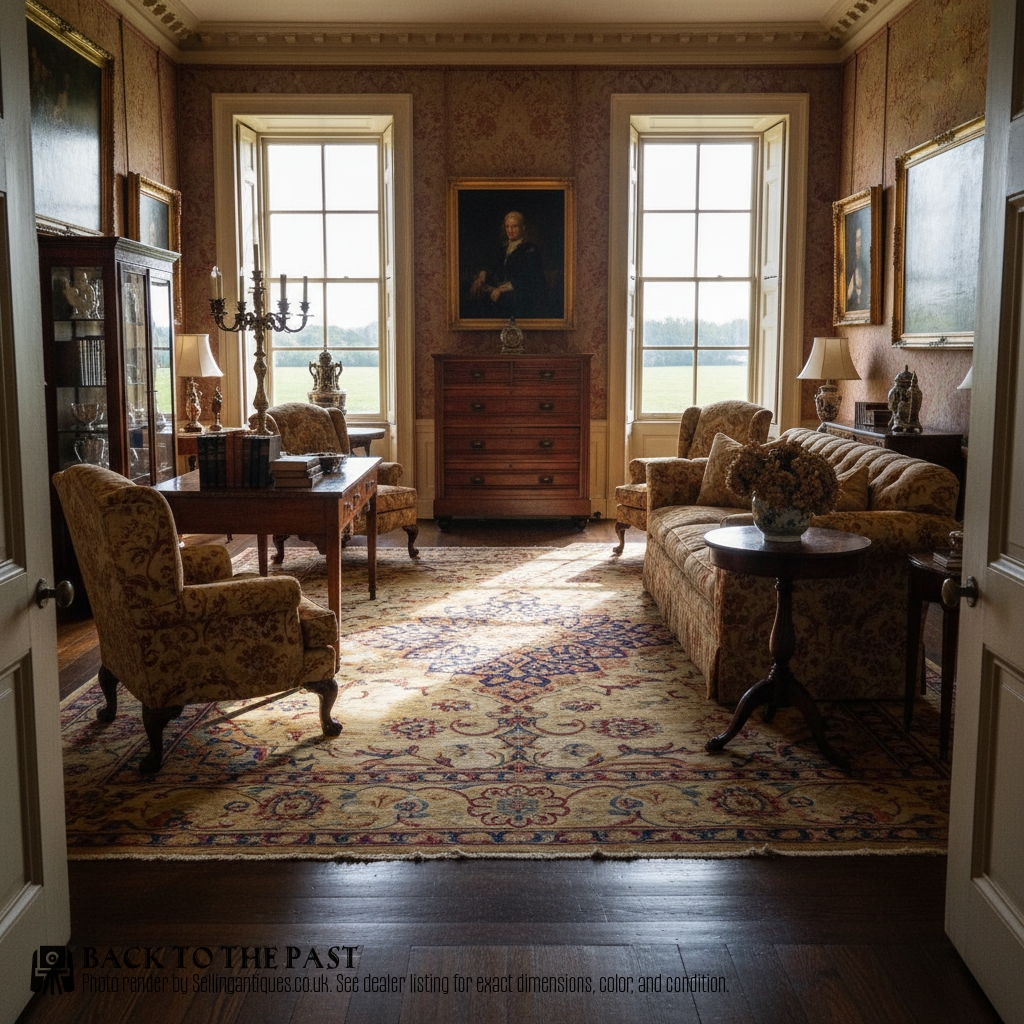
Materials and construction methods
Cabinet makers utilised solid timbers alongside decorative veneers such as flame mahogany and figured walnut to create patterned surfaces on drawer fronts and top panels. Brass hardware, including original drop handles and key escutcheons, secures the structural joints while adding metallic contrast to the timber.
Secondary woods like pine appear within drawer linings and carcases, whilst specialist techniques such as serpentine shaping and hand-cut dovetailing define the better constructed examples.
Edwardian Wooden Commode Retail Price Guide 2026
Typical asking prices for edwardian wooden commode among the pieces listed under this phrase on Sellingantiques today, from the lower quarter to the upper quarter. They describe what is for sale here now, not the wider market.
The inventory spans multiple eras, including Georgian, Victorian, and Edwardian periods.
Distinctions in grade and execution
The choice of timber grain fundamentally separates standard utility pieces from superior examples, particularly where book-matched flame mahogany veneer or finely figured walnut is selected for the primary visual surfaces. Finer items exhibit crisp moulding details, smoothly running drawers with tight joints, and retained original brass hardware.
Workmanship evident in the precision of the dovetail carpentry and the integrity of the polish dictates the overall standing of an individual cabinet.
Whytock and Reid·Sir Clough Williams Ellis·Howard and Sons
The Edwardian Wooden Commode Glossary
- Bow front
- A convex curved cabinet or drawer front that swells outward in the centre.
- Flame mahogany
- A veneer cut from timber where the branch meets the trunk, producing a distinctive flickering flame pattern.
- Brushing slide
- A pull-out shelf integrated above the top drawers, historically used for folding garments or grooming.
- Serpentine
- A front profile characterised by a central convex curve flanked by two concave curves.
Edwardian Wooden Commode: Frequently Asked Questions
What defines an edwardian wooden commode?
These pieces comprise timber storage units primarily from the early twentieth century, taking the form of low chests of drawers, bedside cabinets, or cupboards.
Craftsmen often utilised mahogany, oak, and walnut, frequently incorporating Edwardian or revival styling into the design.
How do I distinguish Edwardian from Victorian pieces?
Edwardian furniture generally displays lighter timber tones, satinwood highlights, and simpler revival lines compared to heavier, darker Victorian counterparts.
Proportions also tend to become more delicate towards 1900, reflecting changing interior tastes.
Where were these cabinets placed originally?
Bedrooms and dressing rooms served as the primary locations for these storage chests and bedside tables, housing garments or personal items.
Smaller side cabinets also functioned in hallways or sitting rooms for general domestic utility.
How should I care for wooden surfaces?
Maintain timber integrity by keeping pieces away from direct heat sources and sudden humidity changes that can crack veneers.
Regular dusting with a dry cloth preserves the polish without introducing moisture.