


Edwardian Wooden Chairs
Edwardian wooden chairs bring together solid mahogany, oak and beech with rush, cane and upholstered seats for everyday dining and fireside use.
Edwardian Wooden Chairs
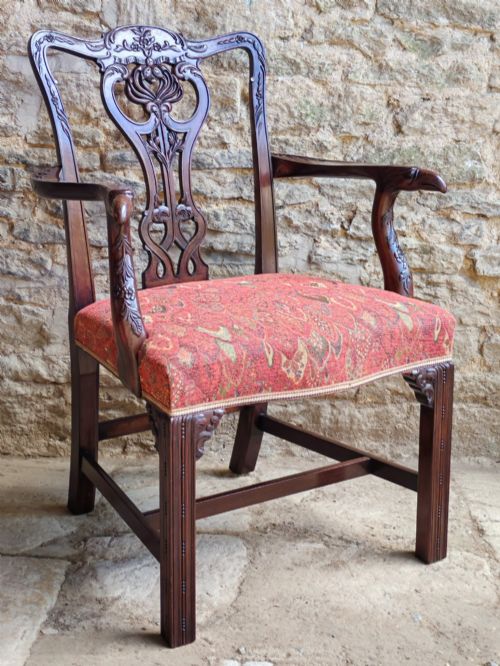
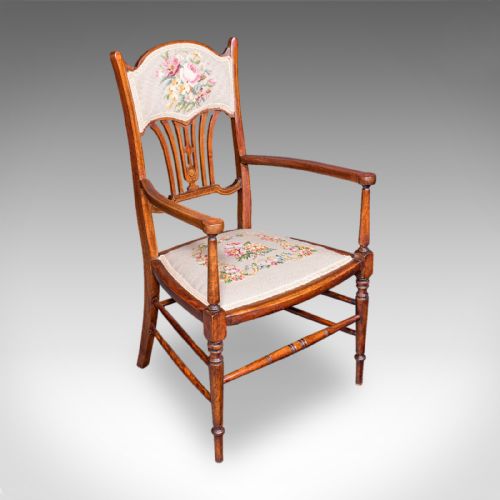
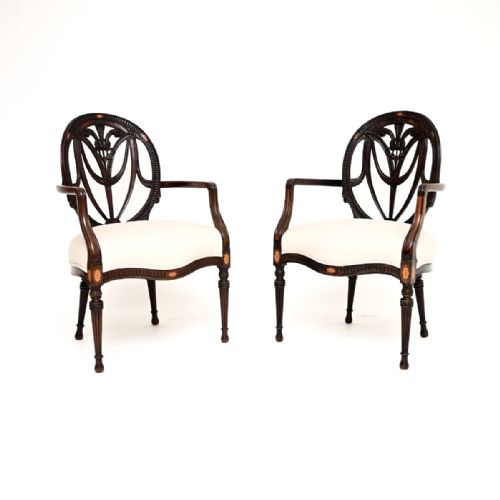
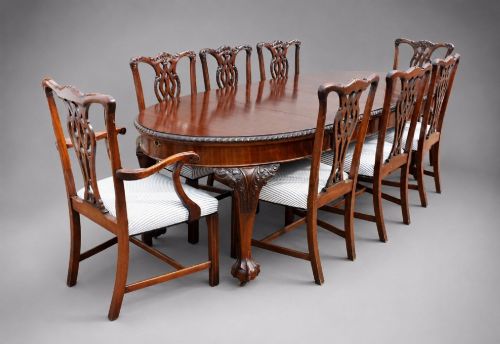
Edwardian wooden chairs encompass dining chairs, armchairs, side chairs and desk chairs made around the start of the twentieth century. These pieces draw heavily on earlier styles including Hepplewhite, Sheraton Revival and Arts and Crafts designs.
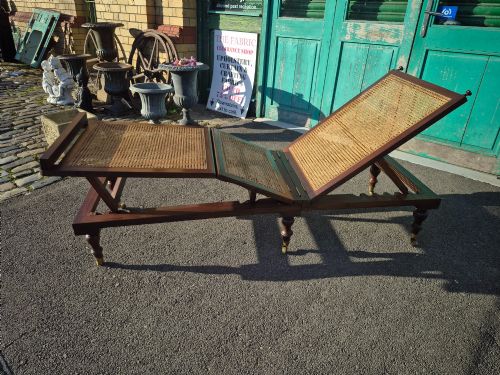
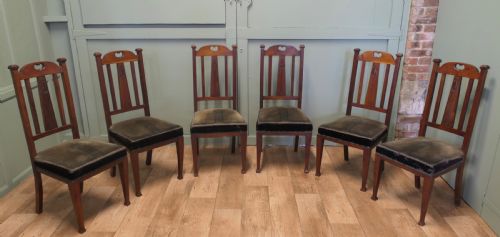
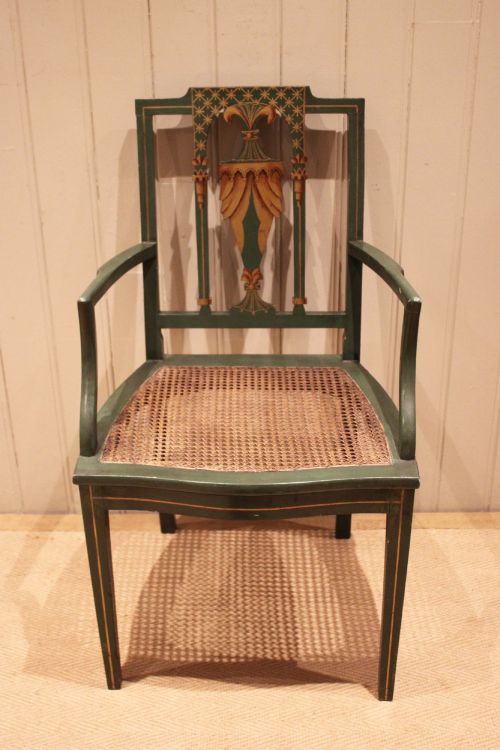
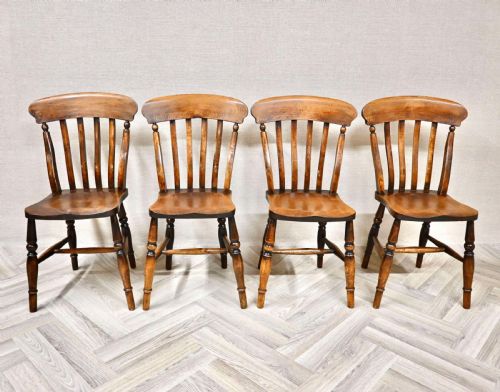
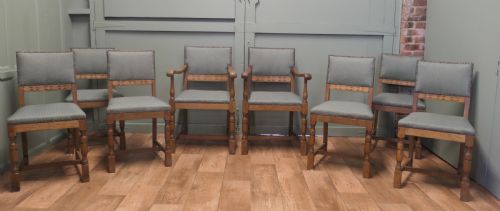
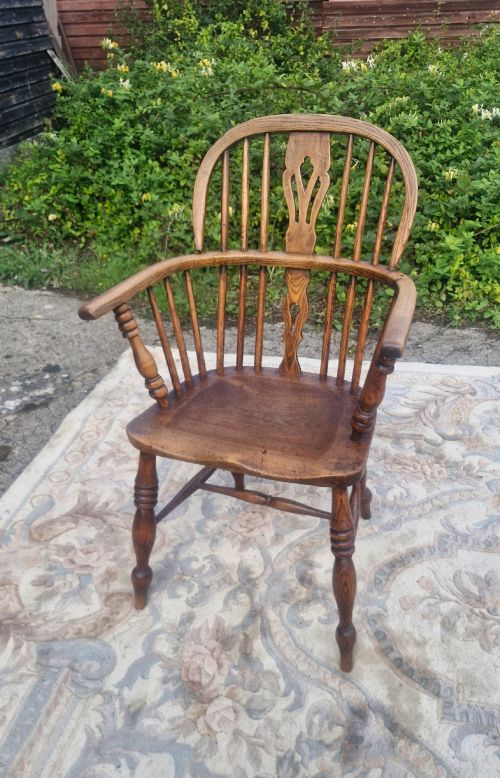
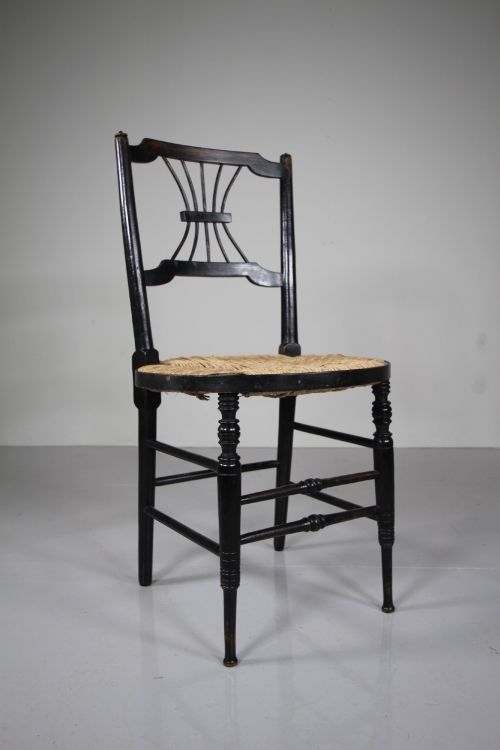
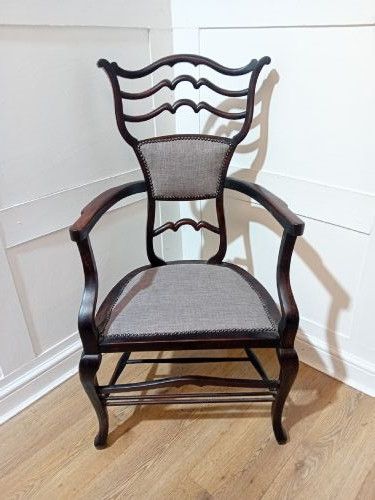
The selection here includes sets of dining chairs alongside single armchairs, rush-seated low chairs and inlaid bedroom chairs. Mahogany and oak dominate the formal dining forms, while beech and elm appear in country kitchen and farmhouse seating.
Materials and Construction
Makers utilised solid timbers like mahogany, oak, beech and elm, shaping them into frames using traditional joinery. Inlaid decoration in contrasting woods and satinwood appears on formal parlour and bedroom examples.
Seating surfaces rely on woven rush, cane panels or upholstered pads covered in fabric, leather and velvet. Bentwood techniques also shape lighter bistro and café seating from this era.
Listings feature mahogany, oak, beech and elm alongside rush, cane and velvet materials across the Edwardian period.
Standards of Execution
The distinction between ordinary and superior examples lies in the crispness of carved details, the choice of timber figure and the integrity of the frame construction. Heavier wood selection and precise inlay separate finer parlour chairs from utility seating.
Original surface finishes and intact woven seats or period leather upholstery preserve the character of the piece. Replacements or structural looseness alter the original standing of a chair.
Howard and Sons·Liberty Morris and Co·Maple and Co·Codina
The Edwardian Wooden Chairs Glossary
- Carver
- An armchair designed to match a set of dining chairs, usually placed at the head of the table. These often feature open arms curved to clear the table edge.
- Rush seat
- A seating surface woven from dried marsh rushes over a wooden frame. This technique appears frequently on Arts and Crafts and country chairs.
- Inlay
- A decorative method where thin pieces of contrasting timber or shell are fitted flush into the primary wood surface. Edwardian cabinet makers used this extensively on mahogany furniture.
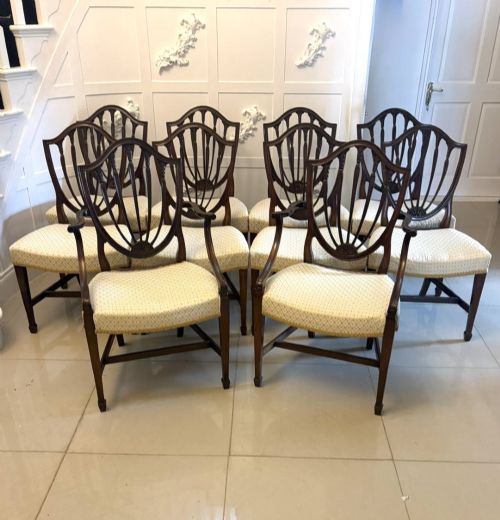
- Shield back
- A chair back shaped like a heraldic shield, popular in Hepplewhite and Sheraton designs. Cabinet makers revived this graceful silhouette during the Edwardian period.
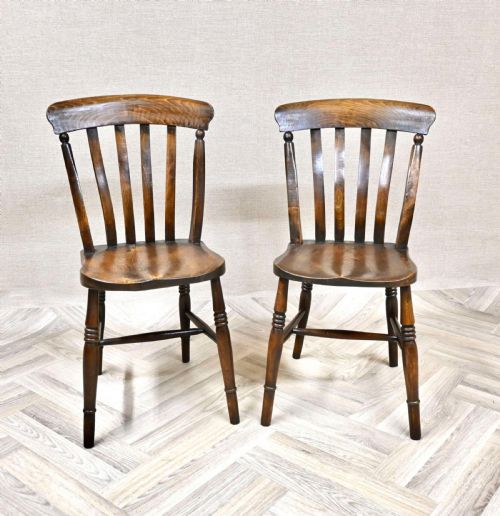
- Lathback
- A Windsor chair variation featuring horizontal wooden slats across the backrest. These robust country chairs utilise steam-bent components.
Edwardian Wooden Chairs: Frequently Asked Questions
How do I identify Edwardian chairs?
Edwardian chairs typically date from the opening decade of the twentieth century and often combine lighter proportions with stylistic references to earlier Georgian and Victorian designs. Look for bright mahogany finishes, satinwood crossbanding, or simplified Arts and Crafts construction.
Makers of this era frequently revisited Sheraton and Hepplewhite forms, producing slender dining chairs and inlaid bedroom seating that prioritised domestic comfort alongside refined decorative appeal.
Are these chairs suitable for daily use?
Most wooden chairs from this era remain sturdy enough for regular seating, provided the frame joints are secure and stable. Dining sets and robust oak or beech side chairs easily handle everyday domestic environments.
Delicate inlaid parlour chairs or pieces with fragile cane panels require more careful placement and lighter use to preserve their decorative surfaces and woven materials.
What is a rush seat?
A rush seat is a traditional woven surface created from natural marsh grasses twisted into cords and hand-woven across an open wooden frame. This method provides a resilient, textured seat common on country and Arts and Crafts chairs.
Over time, dried rush develops a warm golden patina through handling and exposure to light, though owners should keep these seats dry to prevent the natural fibres from weakening.
How do I care for antique wood?
Maintaining these pieces involves keeping them away from direct heat sources and sudden humidity changes that can cause timber to split or veneer to lift. Dust regularly with a dry cloth and apply a quality beeswax sparingly when the wood appears dry.
Avoid modern silicone polishes, as they build up over time and attract dust, dulling the natural lustre of the antique polish beneath.