

Edwardian Wood Dining Table
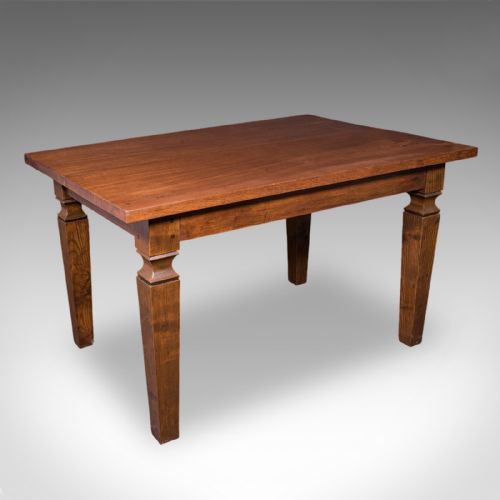
An edwardian wood dining table brings solid construction and warm timber tones to daily meals, uniting practicality with period craftsmanship.
Edwardian Wood Dining Table
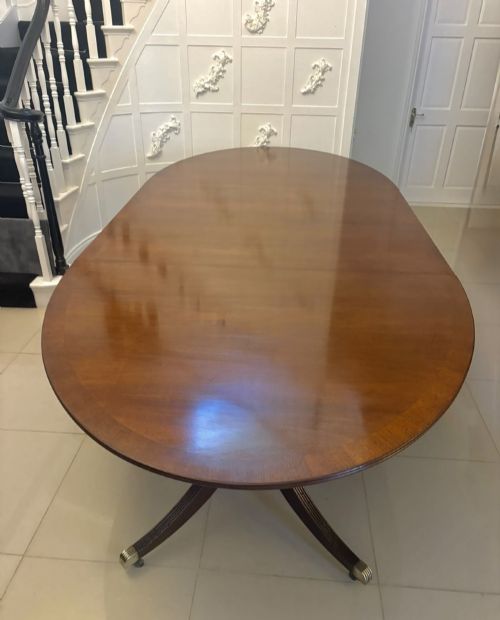
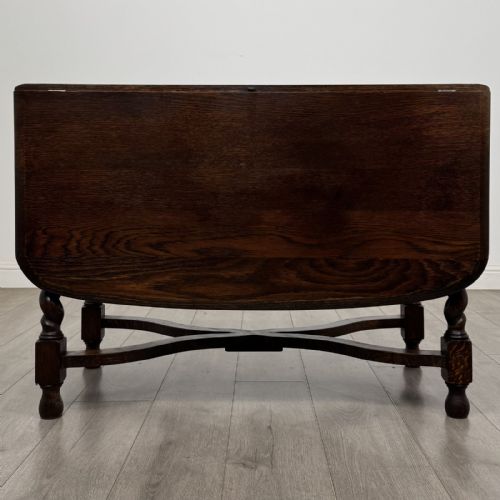
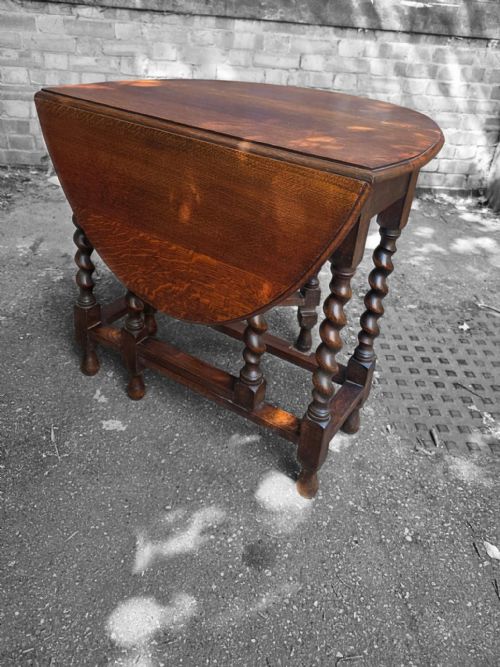
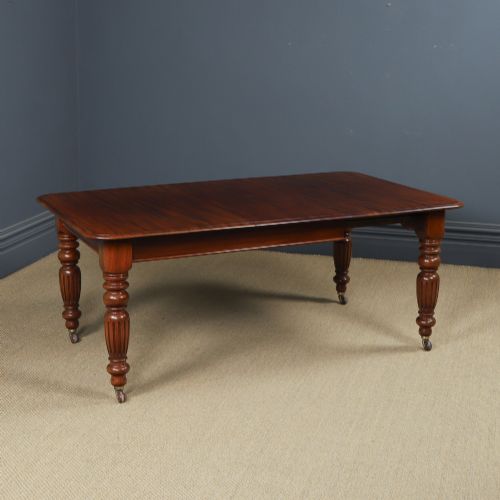
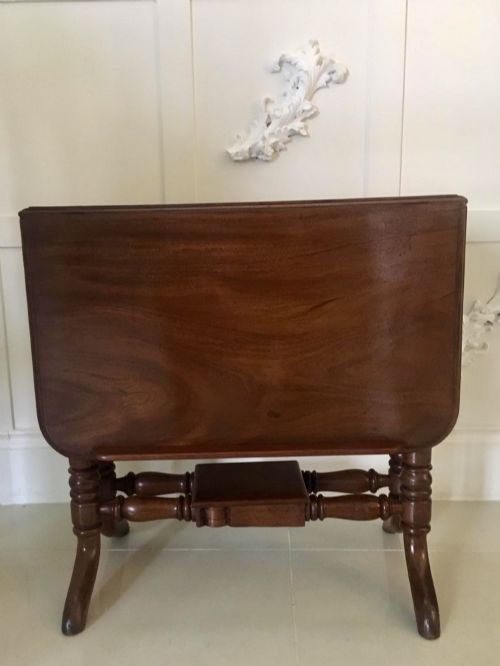
An edwardian wood dining table typically spans the early twentieth century, offering functional surfaces designed for family life and hospitality. These tables often take the form of extending designs, gateleg formats, or drop leaf configurations suited to varying room sizes.
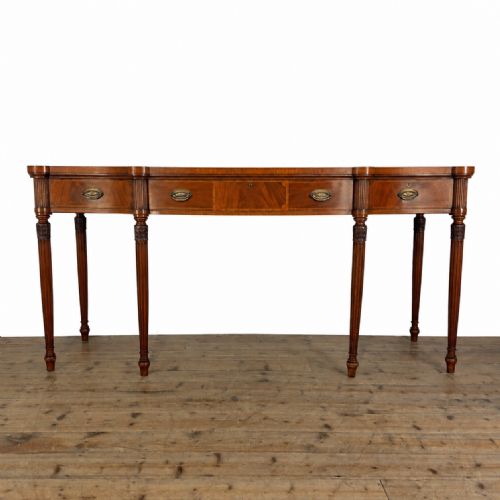
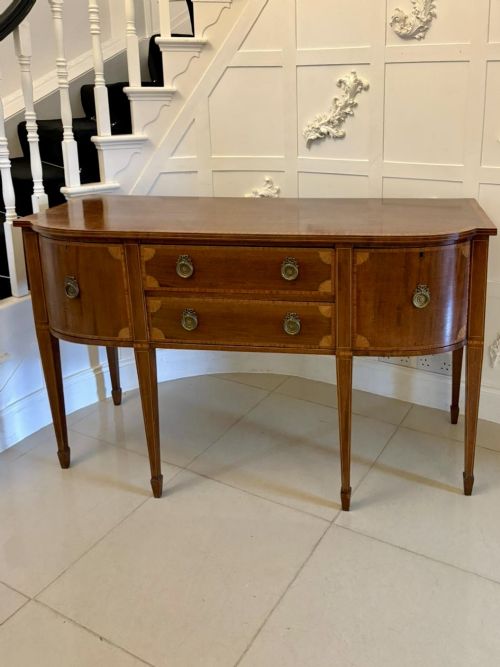
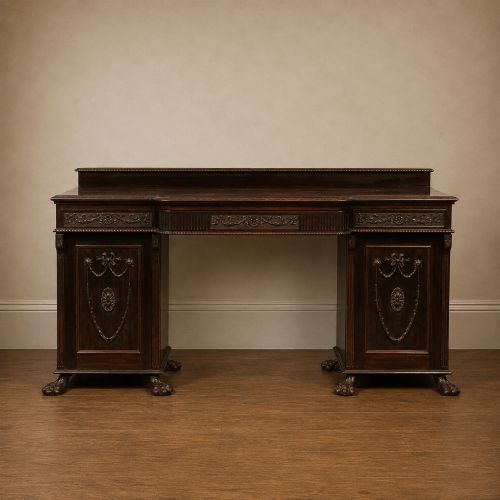
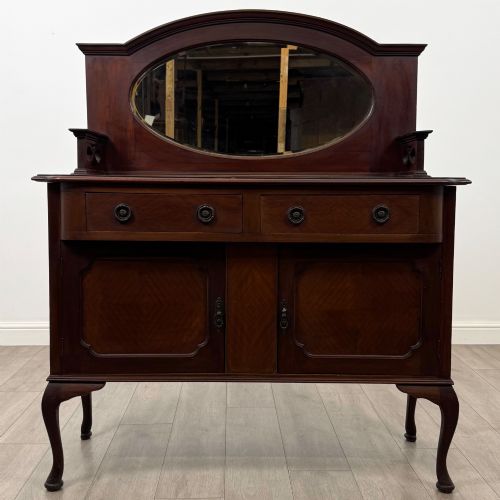
While the search targets the Edwardian era, the listings extend across related periods including Victorian, Georgian, and Regency styles, alongside Arts and Crafts and revival pieces. Alongside standard dining tables, buyers frequently encounter sideboards, serving tables, and occasional tables shared within the same historical categories.
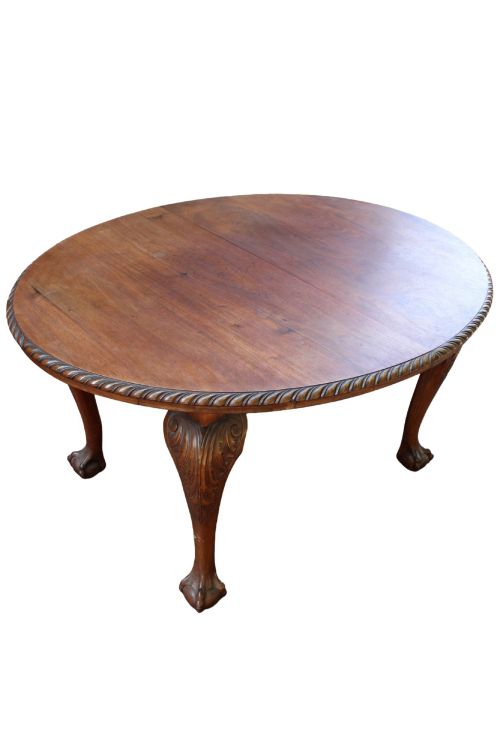
Timbers dominate the selection, bringing substantial oak and rich mahogany into domestic spaces alongside walnut, satinwood, and flame mahogany veneer. These pieces reflect the domestic priorities of their original makers, prioritising sturdy woods and adaptable formats.
How they were made
Makers utilised dense hardwoods such as mahogany and oak, building robust frames designed to withstand daily use. Walnut and flame mahogany veneer added decorative grain patterns to prominent surfaces, while satinwood provided contrasting inlay details.
Joinery techniques relied on solid construction methods, incorporating pedestal bases, barley twist legs, and drop leaf mechanisms. Brass hardware and structural metal components reinforced extending tables and gateleg frames to support multiple leaves.
Edwardian Wood Dining Table Retail Price Guide 2026
Typical asking prices for edwardian wood dining table among the pieces listed under this phrase on Sellingantiques today, from the lower quarter to the upper quarter. They describe what is for sale here now, not the wider market.
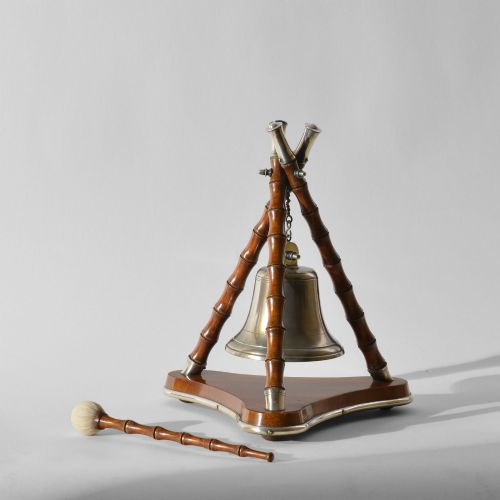
Dinner gongs sound across the centuries, reminding diners that Victorian country houses took mealtime announcements very seriously indeed.
What varies in quality
Quality rests in the selection of timber and the precision of the joinery, distinguishing straightforward utility items from workshop pieces with refined proportions. Superior examples demonstrate careful matching of flame mahogany veneer and clean execution of inlaid details.
The sophistication of the mechanism determines the execution standard in extending formats, where smooth operation of pedestals or leaves marks higher grade manufacture. Finer pieces retain original hardware and stable underlying frames that support daily dining without excessive wear.
Heals Of London·Whytock & Reid of Edinburgh
The Edwardian Wood Dining Table Glossary
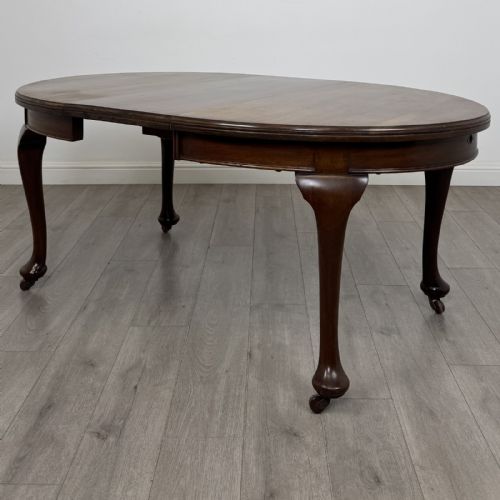
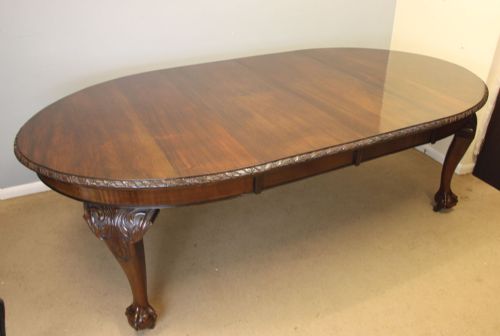
- Extending table
- A dining table fitted with a mechanism or loose leaves to lengthen the surface for larger gatherings. This format allows furniture to adapt between compact daily use and formal seating.
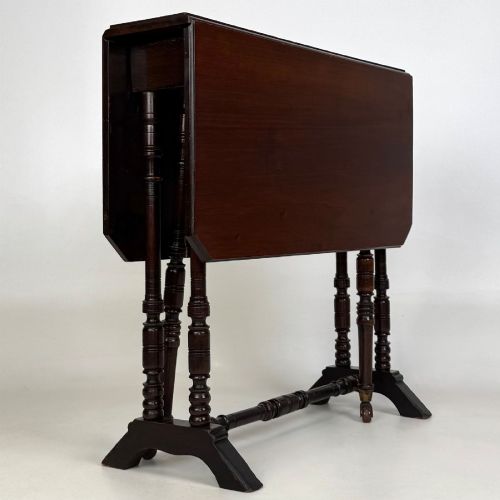
- Gateleg table
- A drop leaf table where hinged legs swing out to support folding leaves. The wooden gate supports provide stability to the extended top.
- Flame mahogany veneer
- Thin slices of mahogany cut to highlight wavy, flame-like grain patterns. Cabinet makers applied these decorative veneers to prominent surfaces like sideboard fronts and tabletops.
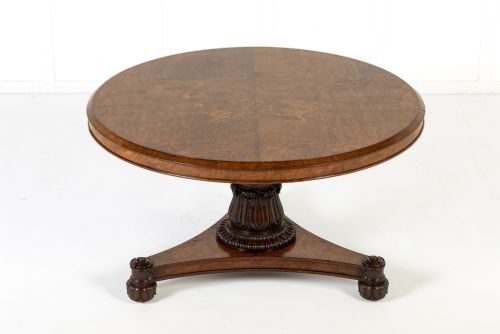
- Pedestal table
- A table supported by one or more central pillars rather than four corner legs. This construction allows greater legroom around the dining perimeter.
- Refectory table
- A long wooden dining table traditionally used in communal dining halls. These sturdy pieces feature heavy timber tops supported by stretcher-linked legs.
Edwardian Wood Dining Table: Frequently Asked Questions
How do I seat six people comfortably?
Look for extending mahogany or oak formats that accept additional leaves to expand the surface area. Pedestal bases also assist by removing corner legs that restrict chair placement.
Check the clearance beneath the apron to ensure dining chairs slide under the top properly when guests are seated.
How do I maintain a wooden dining surface?
Clean timber surfaces with a damp cloth and dry them immediately to protect the polish and grain. Apply beeswax periodically to nourish the wood and maintain its natural lustre.
Avoid placing hot dishes or wet glasses directly onto the polished timber to prevent rings and heat marks from forming.
How do I distinguish Edwardian from Victorian tables?
Edwardian dining tables tend to display lighter proportions and simpler inlaid decoration influenced by revival styles. Victorian counterparts often feature heavier timber construction, darker finishes, and more elaborate carved detailing.
Examining the structural framing and secondary timbers helps clarify the manufacturing period when stylistic cues overlap.
Are drop leaf tables suitable for daily use?
Drop leaf and gateleg formats provide adaptable surfaces that fold down to save floor space between meals. Sturdy wooden pivot gates support the flaps securely during dining.
Ensure the hinges and swing legs move smoothly before relying on the drop leaves for heavy daily service.