






Rustic Walnut Kitchen Table
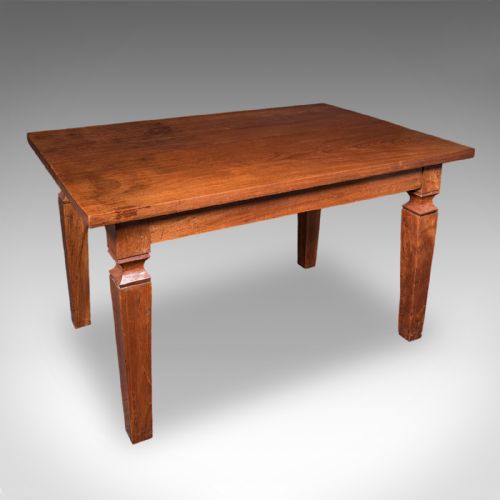
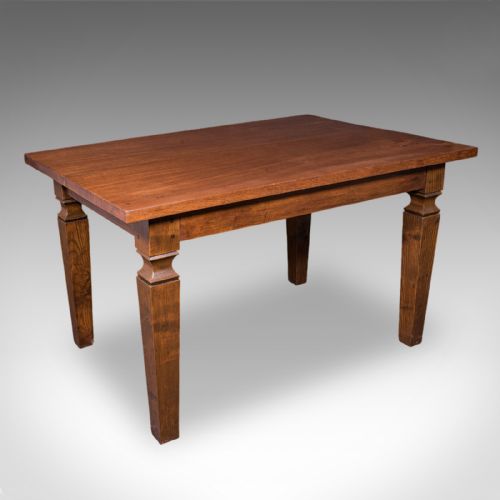
A rustic walnut kitchen table brings warm timber and robust proportions into the heart of the home.
Rustic Walnut Kitchen Table
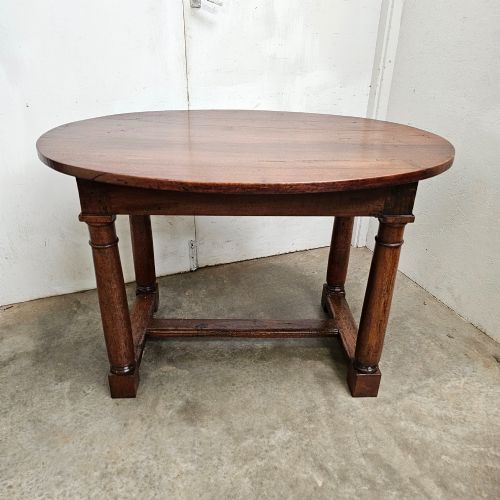
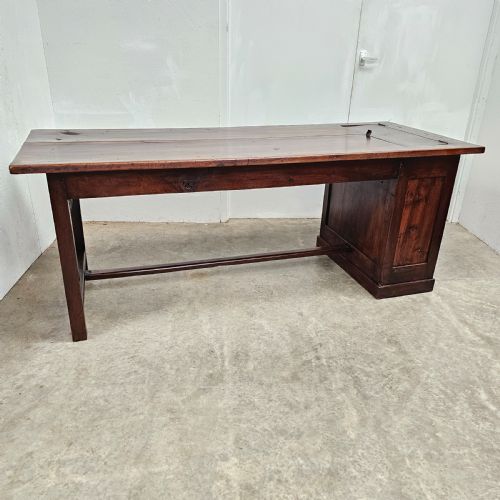
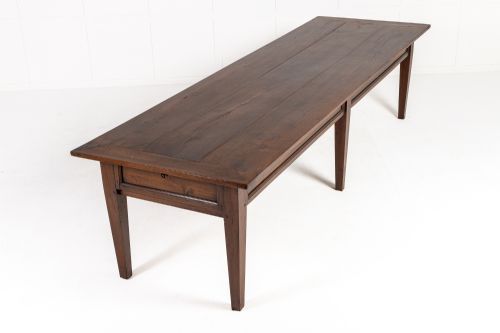
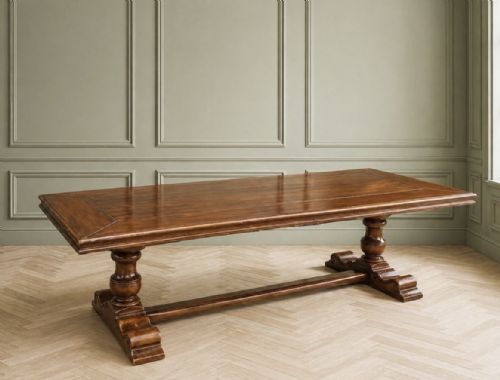
When you search for a rustic walnut kitchen table, you encounter substantial dining and prep surfaces shaped by centuries of European provincial craft. These pieces span the eighteenth and nineteenth centuries, taking forms such as refectory, round, oval and board-top designs rooted in French, Italian and Spanish traditions.
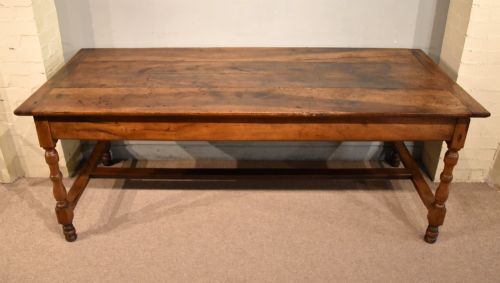
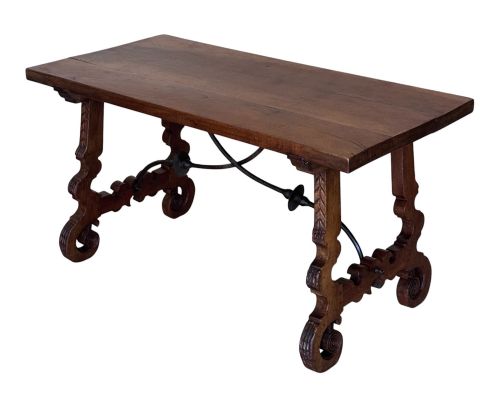
The most common examples on this page are nineteenth-century French and Spanish farmhouse tables built from timber with visible grain and natural warmth. They appear alongside rarer eighteenth-century Italian and French specimens, offering generous proportions suited to daily culinary labour and family gatherings.
How they were made
These tables are constructed primarily from solid walnut timber, often featuring thick two-board tops and supportive undercarriages joined with wrought iron stretchers. Joinery prioritises structural strength, utilising pegging and stretcher bracing like the H stretcher configuration to stabilise long spans.
Carpenters shaped these surfaces by hand, leaving tool marks and natural variations in the wood that reflect regional workshops of the eighteenth and nineteenth centuries. The emphasis remains on durable utility, pairing dense hardwood with robust framing designed to withstand heavy daily use.
Listings feature walnut, timber, wrought iron, and wood across eighteenth- and nineteenth-century periods.
What varies in quality
Quality in these tables rests upon the selection of the timber and the integrity of the original construction rather than decorative embellishment. Superior pieces display exceptional grain figure across wide boards, such as two-board tops, combined with stable framing that maintains its balance over time.
The distinction between ordinary and exceptional examples lies in the harmony of proportions and the preservation of authentic surface character. Tables retaining their early stretchers and original walnut patination command greater appreciation than those altered by later interventions.
The Rustic Walnut Kitchen Table Glossary
- H stretcher
- A horizontal wooden or iron beam connecting the legs of a table in the shape of the letter H. This component prevents the legs from wobbling under heavy loads.
- Bread prep table
- A functional work table designed for culinary tasks, typically equipped with a thick wooden board top. These pieces prioritise utilitarian strength and generous surface area.
- Two-board top
- A table surface constructed from two wide planks joined together. This method showcases the breadth of the walnut timber used in older workshops.
Rustic Walnut Kitchen Table: Frequently Asked Questions
What is a rustic walnut kitchen table?
A rustic walnut kitchen table is a solid wooden dining or prep surface originating from nineteenth or eighteenth-century European traditions. These pieces feature durable walnut timber and practical forms designed for everyday domestic labour.
They encompass styles from French provincial to Spanish baroque, offering substantial proportions and aged patination that suit contemporary and traditional interiors alike.
How do I live with a walnut table?
Living with a walnut table involves embracing the natural marks and patination accumulated over generations of use. The dense timber adapts well to daily kitchen activities while requiring sensible care against excessive moisture.
Regular dusting and occasional conditioning keep the wood nourished. Allowing the surface to age gracefully preserves its historical character in a modern home.
How do I tell periods apart?
Telling periods apart relies on observing construction methods, leg designs, and overall proportions. Eighteenth-century examples often display simpler, heavier framing and wider boards, while nineteenth-century pieces introduce varied stretcher configurations like the H stretcher.
Regional traits also help date a piece, as French provincial forms differ subtly in foot style and edge moulding from Italian or Spanish counterparts.
Were these tables used for cooking?
Many of these tables served practical culinary functions alongside dining, particularly prep tables designed for kneading dough and preparing provisions. Their robust construction and thick board tops endured heavy kitchen tasks.
This utilitarian heritage explains the straightforward engineering and durable walnut materials found across provincial farmhouse designs.