
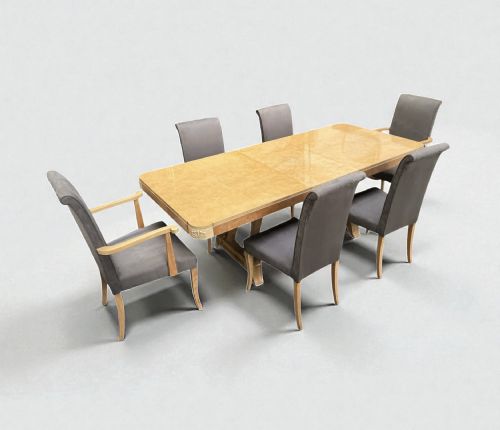
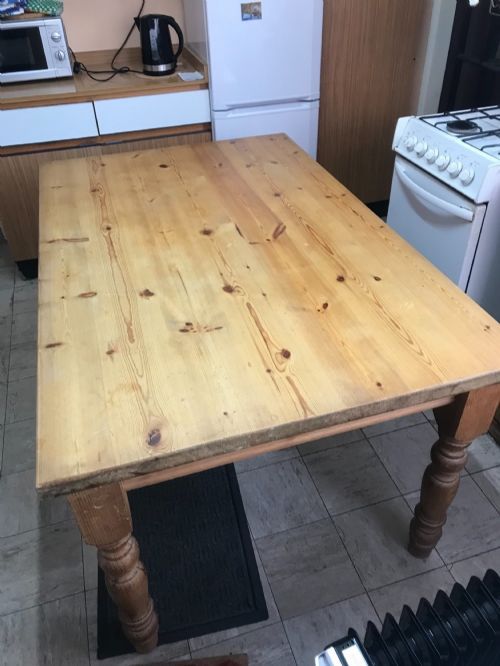


Rectangular Dining Table
A rectangular dining table anchors a room, and the examples gathered here span centuries of craftsmanship from Georgian mahogany to rustic pine.

Rectangular Dining Table
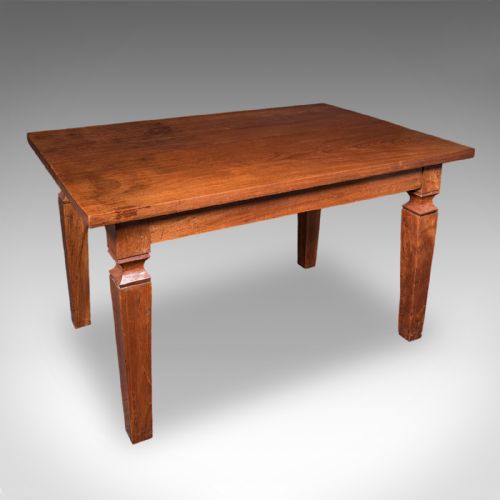
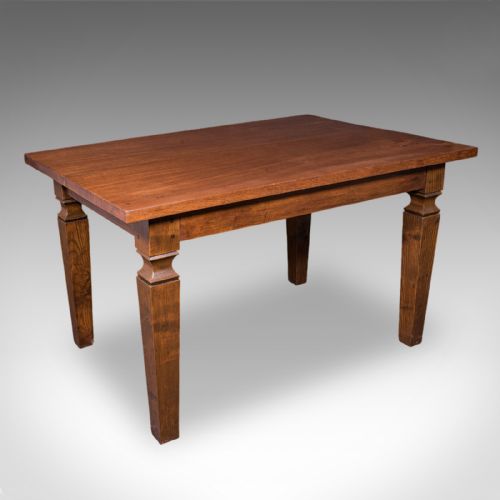
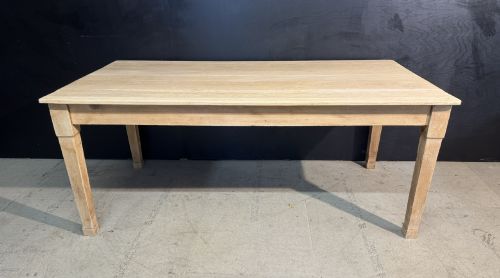
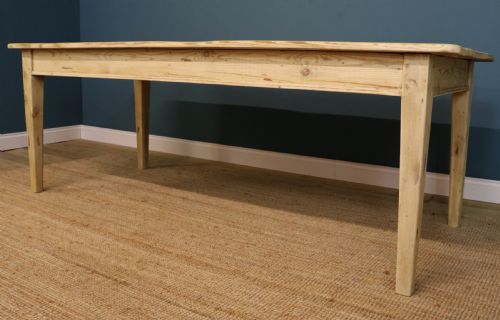
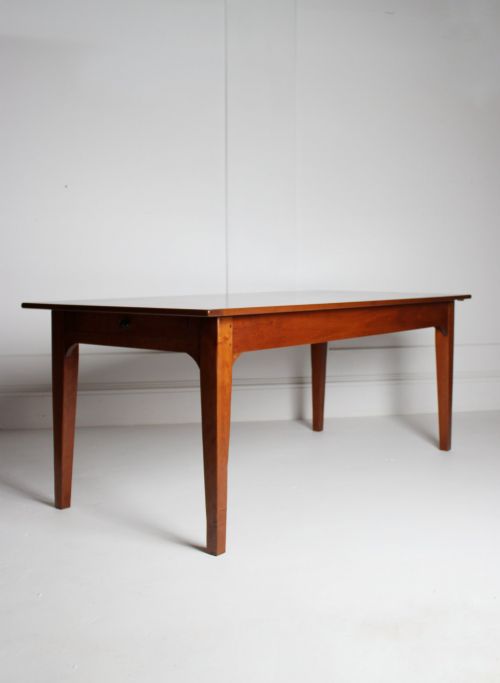
A rectangular dining table serves as the traditional centrepiece for family meals and gatherings. When searching for a rectangular dining table, buyers encounter a diverse selection ranging from formal Georgian and Regency designs to utilitarian pine farmhouse tables.
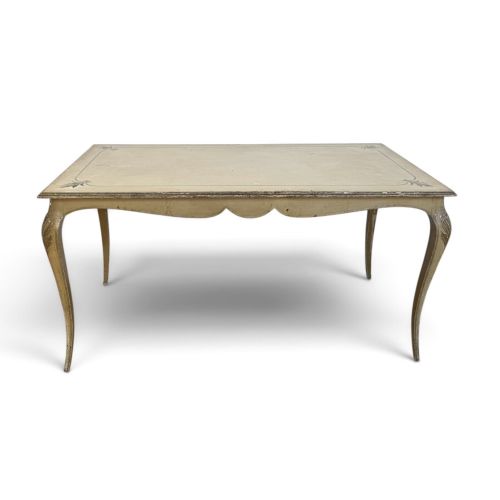
The pieces on this page include extending dining tables, tilt-top breakfast tables, and sturdy oak or pine kitchen tables. Formal mahogany versions sit alongside French painted and gilded styles and industrial bistro pieces with cast iron bases.
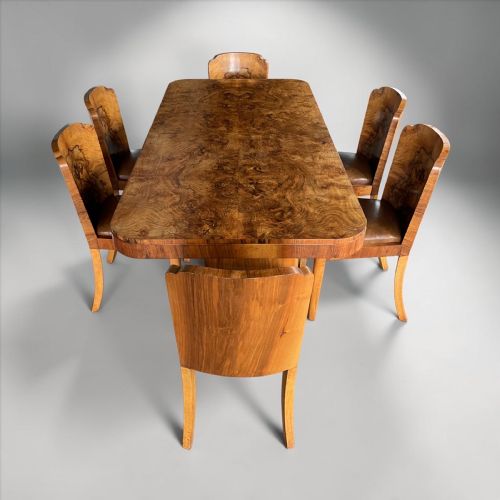
Origins vary from English workshops to French provincial makers. Buyers frequently select between large period dining suites with matching chairs and smaller refectory or breakfast tables suited for everyday kitchen use.
How they were made
Makers utilised solid timbers such as mahogany, oak, walnut, pine, and cherrywood, often selecting figured veneers for formal Regency and Georgian table tops. Table bases incorporate turned wooden columns, splayed legs with brass castors, or heavy cast iron supports for commercial bistro pieces.
Construction techniques include drop leaves, tilt-top mechanisms, and extending frames to accommodate additional guests. Decorative touches range from simple carved oak details to intricate gold leaf gilding on French Louis XV revival pieces.
Pub tables in the collection combine sturdy cast iron bases with mahogany tops to survive centuries of spilled ale.
What varies in quality
Timber selection dictates the distinction between standard utility furniture and superior cabinet work, with highly figured mahogany and dense old-growth oak representing the finer end of the scale. The crispness of hand-carved details and the integrity of original mechanisms, such as tilt-top catches and brass castors, separate master pieces from simpler local work.
Proportion and structural balance define the presence of a table, ensuring that legs, aprons, and tops harmonize visually and remain stable during daily use.
Hille
The Rectangular Dining Table Glossary
- Tilt-top table
- A table with a mechanism that allows the top to pivot vertically for storage against a wall when not in use. This clever design was particularly popular for breakfast and centre tables during the Georgian and Regency periods.
- Refectory table
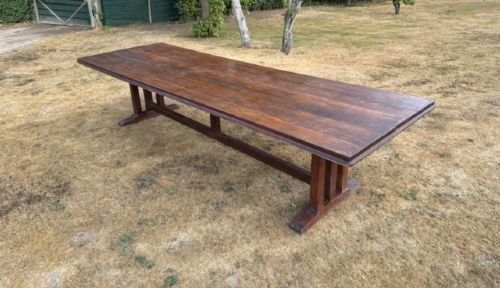
- A long, narrow dining table traditionally used in monasteries and large halls. These sturdy pieces generally feature thick timber tops supported by trestles or robust legs.
- Drop leaf table
- A table with hinged flaps on either side that can be folded down to save space or raised to expand the surface area. Supporting swing legs pivot outward to hold the leaves securely.
- Pedestal table
- A table supported by a single central column rather than four corner legs. This construction allows greater freedom for seating placement around the perimeter.
- Gate-leg table
- A table with hinged leaves supported by extra legs that swing out like a gate. This design provides robust support for drop-leaf surfaces.
Rectangular Dining Table: Frequently Asked Questions
How do I choose the right size table?
Consider both your daily seating requirements and the physical dimensions of your dining space. Allow sufficient clearance around all sides so chairs can be pulled out comfortably.
Extendable models and drop leaf designs offer flexibility if you frequently host larger gatherings but require a compact footprint day to day.
What is a tilt-top breakfast table used for?
Historically, tilt-top tables served morning meals or tea and were tipped vertically against the wall to clear floor space when the room was needed for other activities.
Today, they function well as dramatic centre tables in a hallway or as occasional dining surfaces where the mechanism adds architectural interest.
How do I care for antique wood surfaces?
Protect antique timber from direct sunlight and sudden humidity changes to prevent warping or fading. Use coasters and placemats to guard against moisture and heat rings.
Apply natural beeswax periodically to nourish the wood and maintain a soft, protective lustre without sealing the grain with modern synthetics.
How can I tell a Georgian table from a Victorian one?
Georgian tables, produced during the eighteenth and early nineteenth centuries, often feature lighter proportions, elegant mahogany timbers, and refined brass hardware. They frequently utilise tilt-top mechanisms for breakfast and centre use.
Victorian pieces tend to be heavier and sturdier, utilising dense pine, oak, or dark mahogany with turned legs, and frequently incorporate extending mechanisms for large family dining.