


Edwardian Windsor Dining Chairs
Edwardian Windsor dining chairs are sturdy vernacular seating pieces combining traditional country craftsmanship with early twentieth-century domestic utility.
Edwardian Windsor Dining Chairs
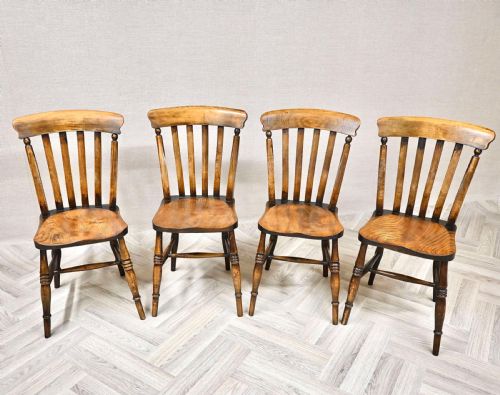
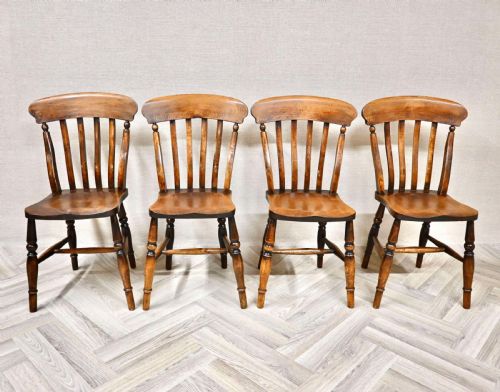
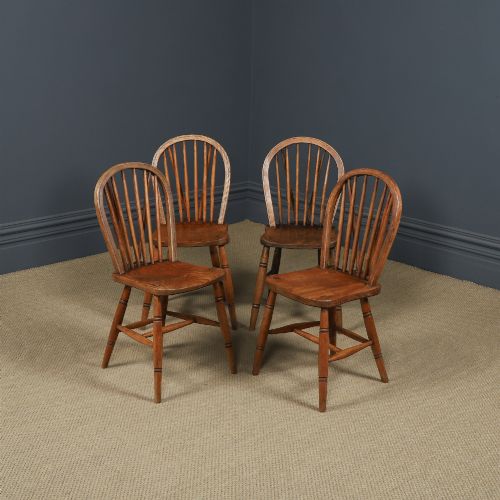
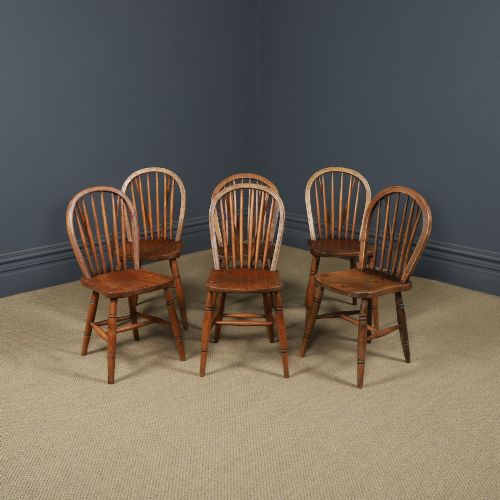
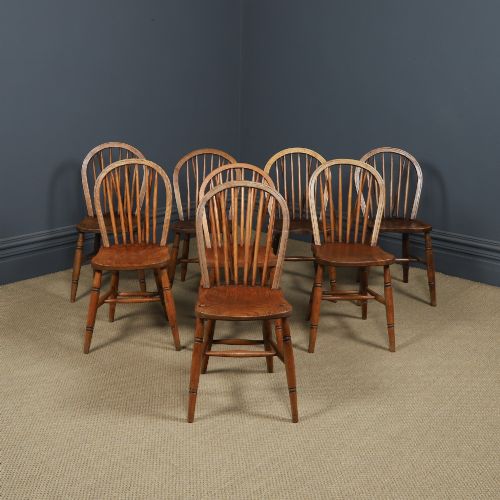
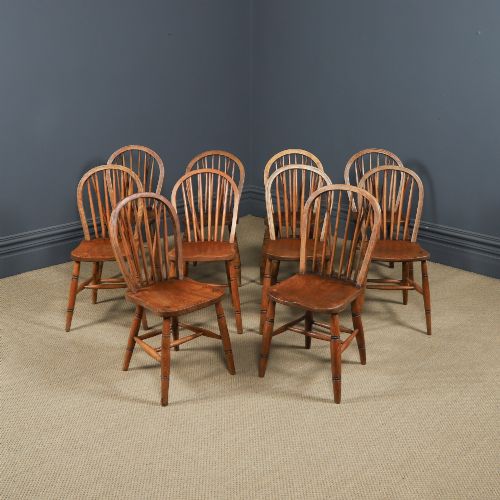
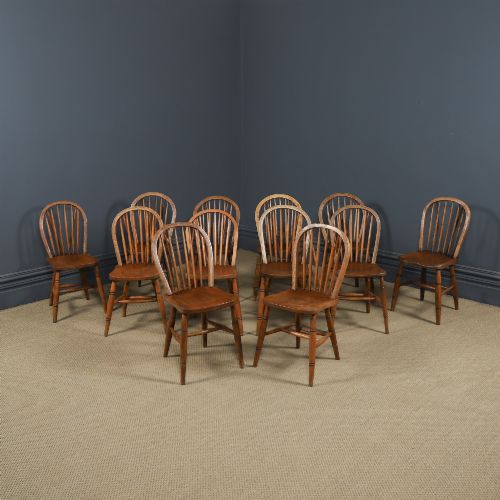
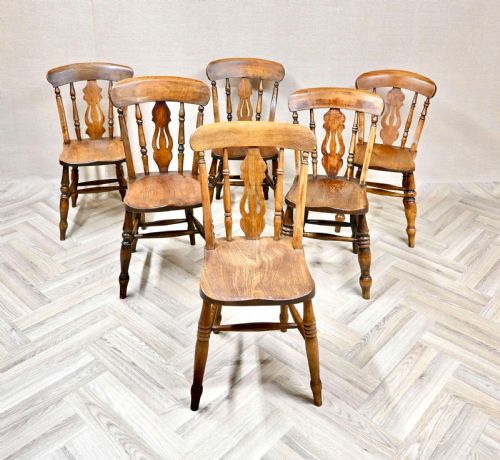
Edwardian Windsor dining chairs combine robust vernacular seating forms with the domestic requirements of early twentieth-century households. Buyers exploring Edwardian Windsor dining chairs will frequently encounter sets of kitchen and dining chairs featuring stick backs, hoop backs, lath backs, and wheel backs.
The evidence shows these dining chairs and armchairs spanning the nineteenth century up to nineteen-ten, with notable groups produced around nineteen-hundred. Common structural formats range from pairs and sets of four up to larger dining suites of six, eight, ten, twelve, or sixteen pieces.
How they were made
Makers utilised a combination of sturdy timbers drawn from regional woodlands, most commonly pairing elm seats with ash, beech, oak, alder, or fruitwood. This construction method exploited the specific properties of each wood, using dense elm for shaped seats and resilient ash or beech for bentwood hoops and turned legs.
Individual components were shaped by hand and lathe before being assembled using traditional wedged tenon joints. Additional materials such as leather and brass occasionally appear on specific examples to reinforce structural points or provide surface detail.
Comb back captain's chairs provide sixteen distinct places to sit down for dinner, assuming your guests do not mind sharing.
What varies in quality
Quality in these dining chairs depends heavily on the harmony of the timber selection and the retention of original surface patination. Examples constructed from well-matched ash and elm timbers demonstrate superior joinery integrity compared to mismatched replacements.
The crispness of the spindle turnings and the depth of the sculpted saddle seat distinguish standard utility seating from finer workshop production. Consistency across larger sets also determines the standing of the pieces within the vernacular tradition.
Bateman·Liberty
The Edwardian Windsor Dining Chairs Glossary
- Hoop back
- A continuous bentwood bow forming the top rail and arms of a chair. This steam-bent element provides structural rigidity to the upper frame.
- Stick back
- A chair design featuring multiple slender vertical spindles supporting the upper rail. These plain wooden rods are tenoned directly into the seat.
- Wheel back
- A Windsor chair back decorated with a pierced splat carved in the shape of a spoked carriage wheel. This popular ornamental motif emerged during the nineteenth century.
- Saddle seat
- A wooden chair base sculpted with hollowed contours to improve comfort. Craftsmen shaped these thick elm slabs using adzes and scorps.
- Comb back
- A chair design where the upper stick back extends through a horizontal top rail resembling the teeth of a comb. This regional form frequently appears on captain's chairs.
Edwardian Windsor Dining Chairs: Frequently Asked Questions
How do I clean an antique Windsor chair?
Dust the wooden surfaces regularly with a soft, dry cloth to prevent the accumulation of dirt in the turned joints and carved saddle seats.
Avoid harsh modern chemical polishes and instead nourish aged timber occasionally with a traditional beeswax preparation.
Can I mix different wood types in a dining set?
Vernacular seating was frequently constructed using whatever suitable timber was available locally, resulting in natural variations within a single room.
Matching sets often combine elm seats with ash frames and beech spindles quite successfully.
What is the difference between a stick back and a hoop back?
A stick back incorporates vertical spindles rising directly from the seat to support the top rail without a continuous curved bow.
A hoop back utilises a steam-bent piece of timber that forms both the upper back and the arm supports in one flowing arc.
Are these chairs suitable for daily dining use?
These robust country chairs were originally built for heavy domestic service in farmhouse kitchens and dining rooms.
Their solid construction and pegged joinery make them well-suited for everyday seating when properly maintained.