

Edwardian Walnut Table
When you search for an edwardian walnut table, you encounter domestic furniture shaped by the tastes of the early twentieth century.
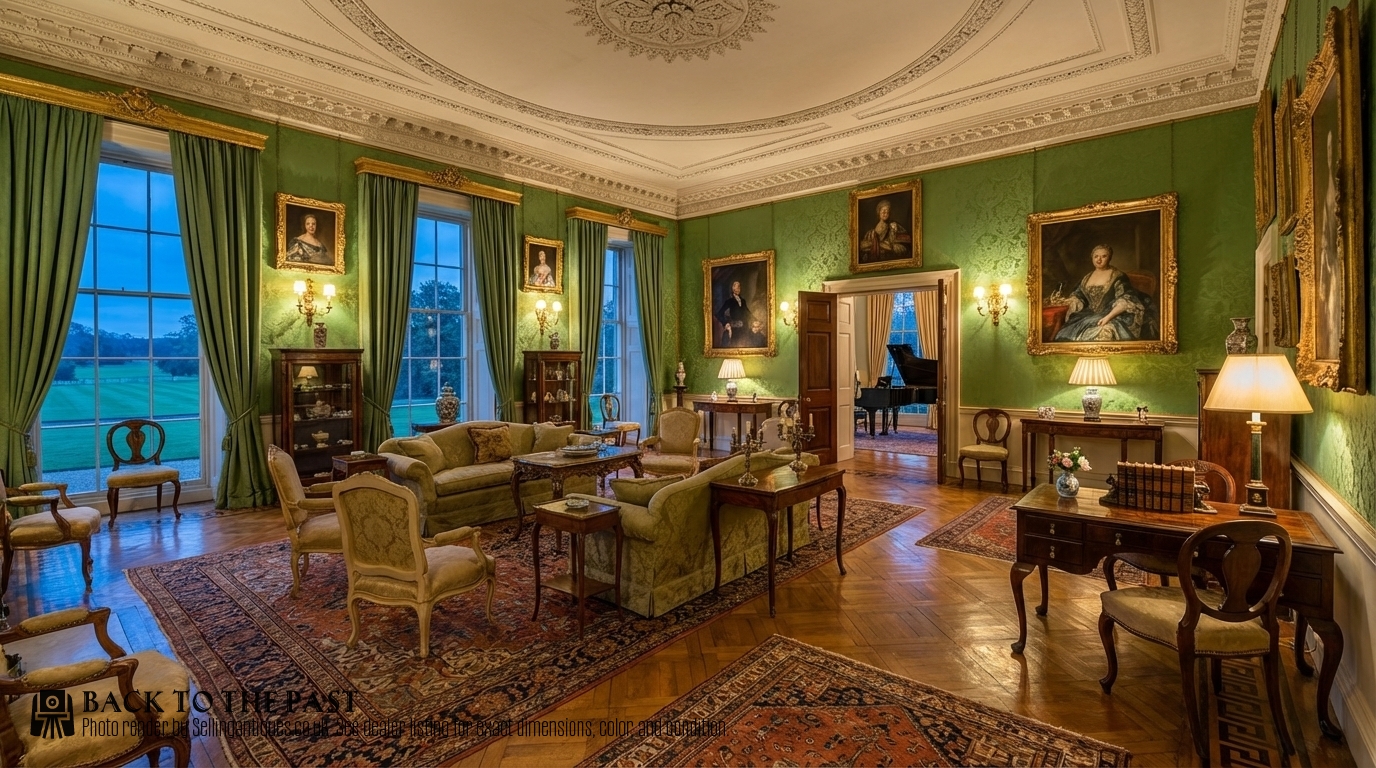
Edwardian Walnut Table
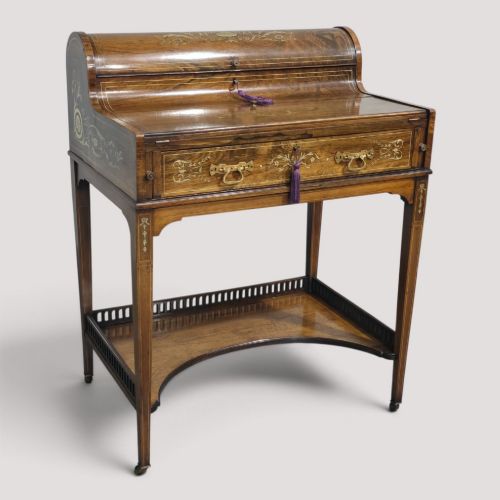
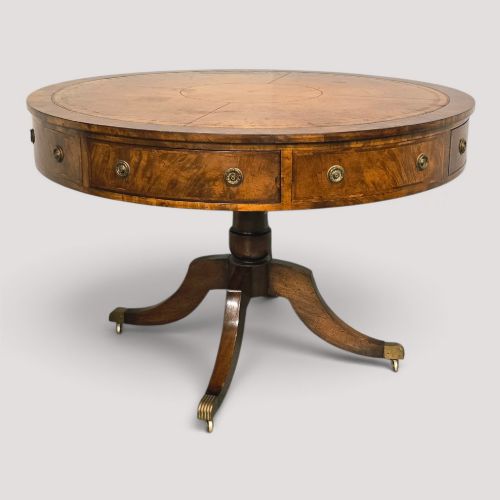
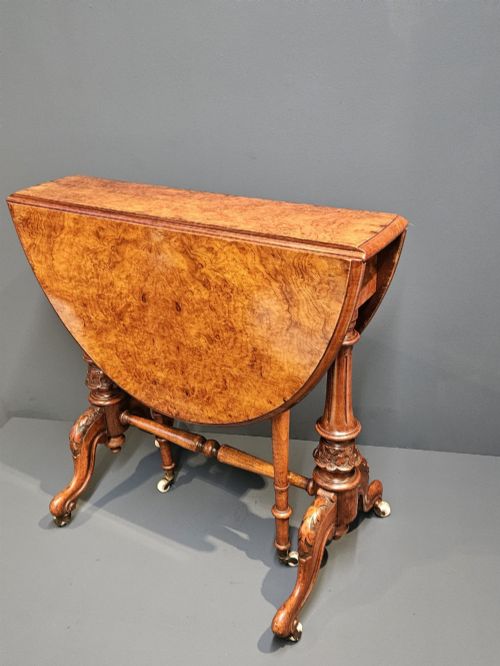
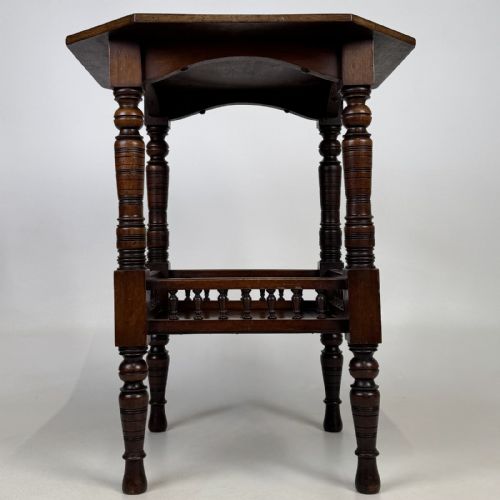
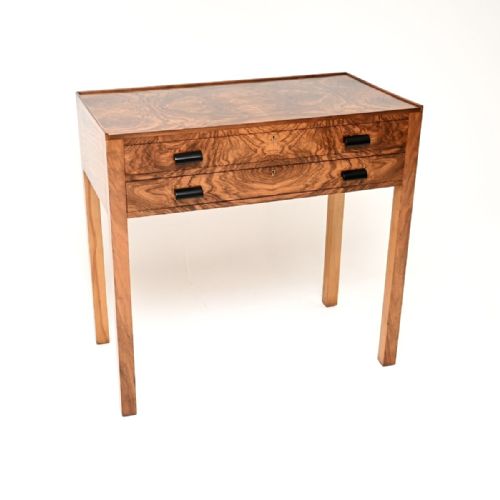
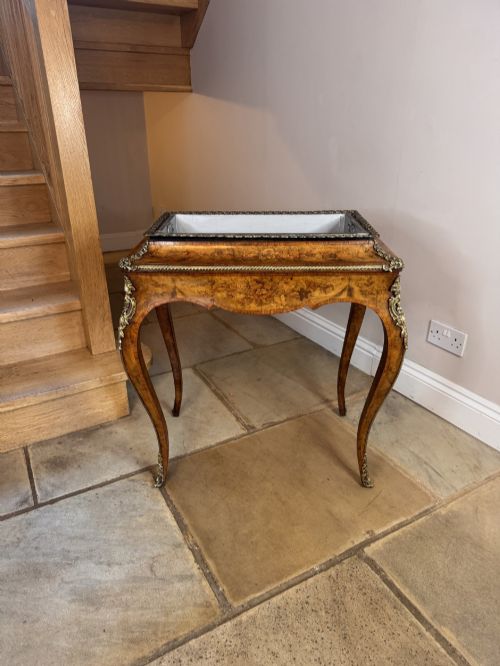
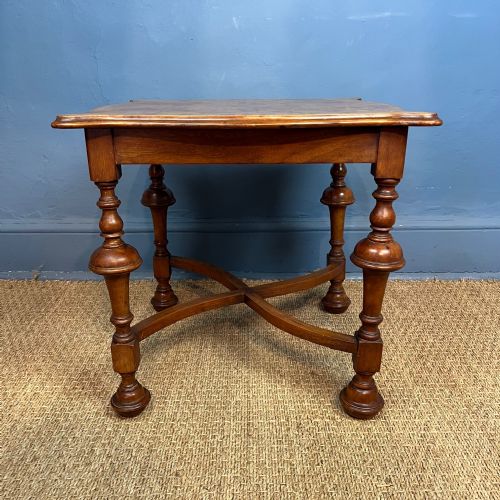
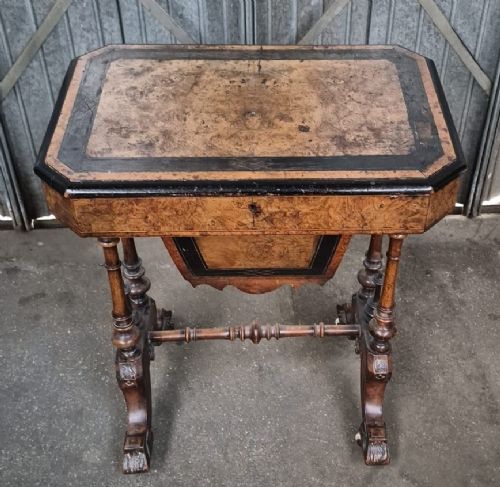
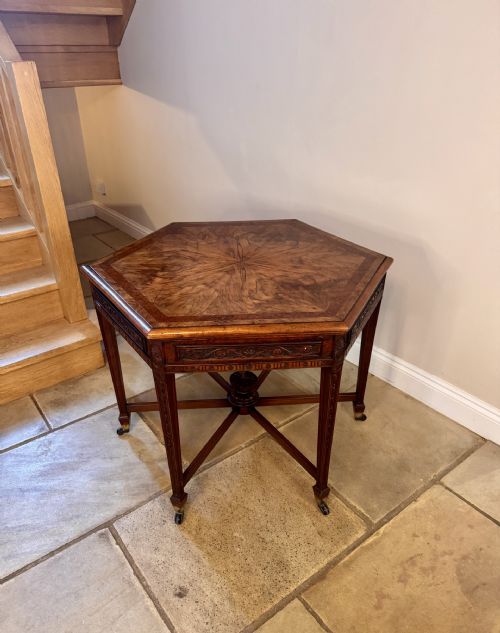
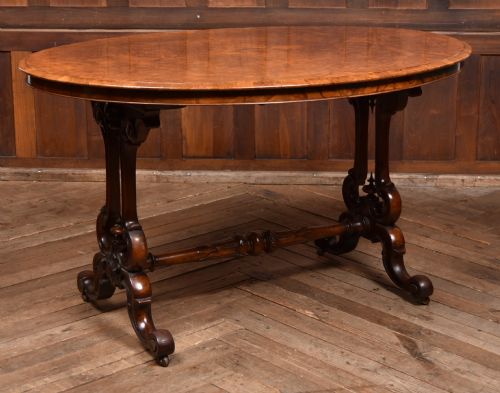
An edwardian walnut table encompasses a diverse range of domestic forms created during the early twentieth century and the broader Edwardian period. The selection includes side tables, writing tables, occasional tables, and dining formats suited to period interiors.
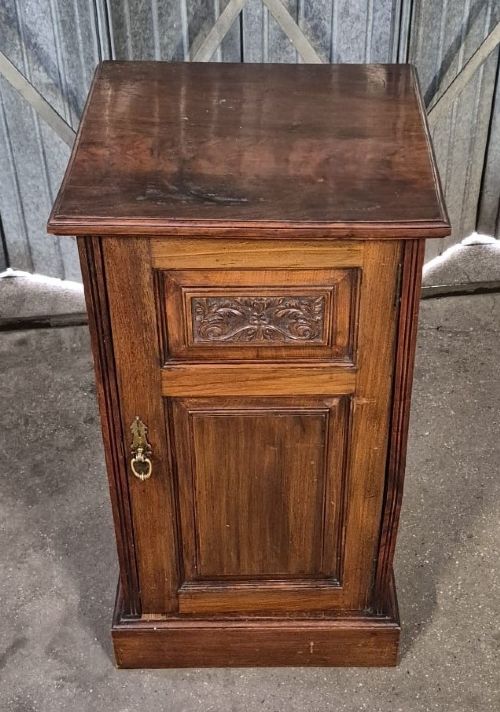
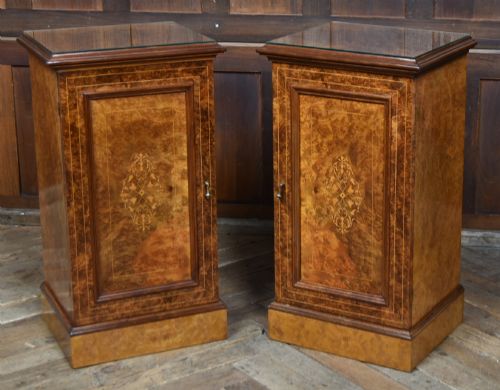
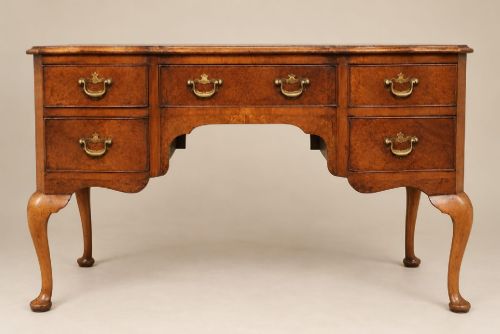
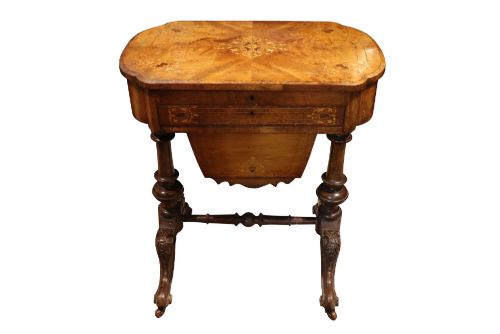
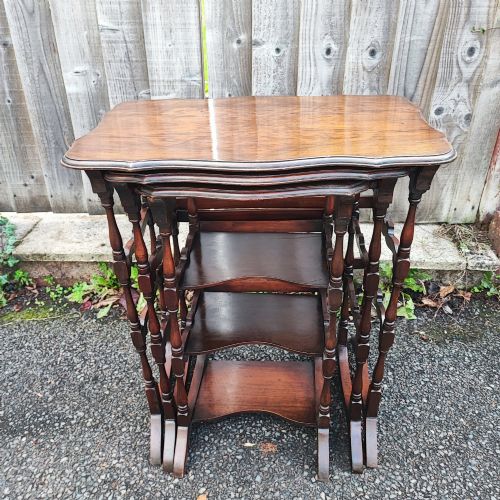
Buyers frequently encounter smaller occasional tables, nest tables, and bedside cabinets alongside larger writing desks and centre tables. These pieces draw upon earlier design revivals, notably Queen Anne styles and marquetry inlay traditions.
The objects reflect the domestic requirements of their era, balancing utility with decorative wood figuring. Walnut and burr walnut dominate the construction, often paired with secondary timbers.
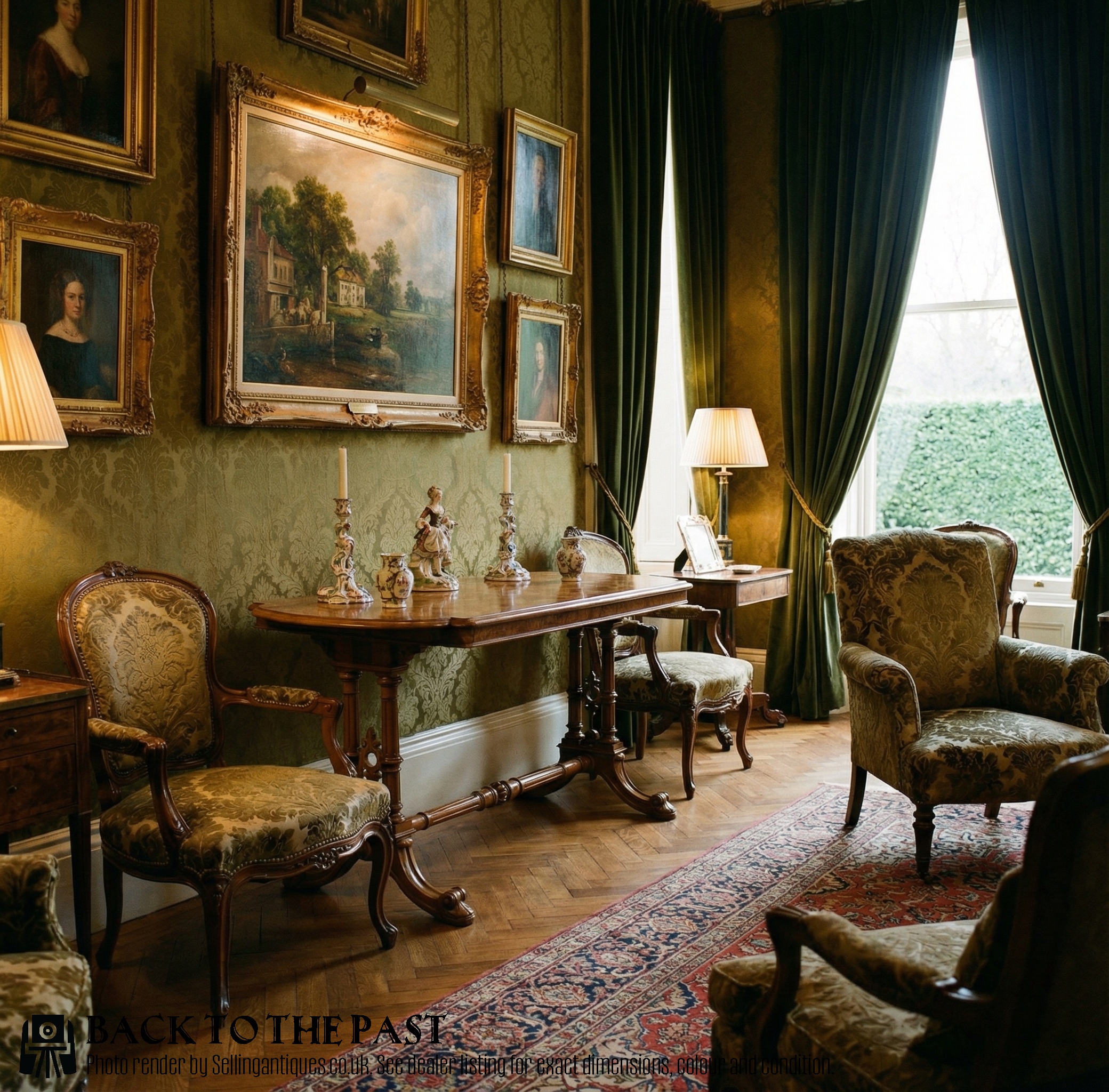
How they were made
Cabinet makers utilised solid walnut and decorative burr walnut veneers applied to stable carcass timbers to achieve highly figured surfaces. Marquetry inlay, brass mounts, and turned or bobbin legs frequently appear across the furniture.
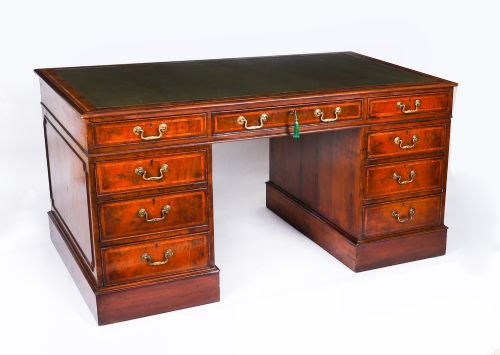
Writing tables and desks often incorporate inset leather writing surfaces framed by banded wood borders. Construction methods rely on traditional joinery techniques such as dovetailed drawers and framed table tops.
Edwardian Walnut Table Retail Price Guide 2026
Typical asking prices for edwardian walnut table among the pieces listed under this phrase on Sellingantiques today, from the lower quarter to the upper quarter. They describe what is for sale here now, not the wider market.
Among the rolling stock of tables and desks, a telescopic dumbwaiter and a rotating display turntable keep things spinning.
What varies in quality
Quality rests upon the selection of the burr walnut veneer and the precision of the marquetry inlay work. Superior examples display balanced grain patterns across the primary surfaces and tidy internal drawer construction.
Maker attribution elevates certain pieces, with workshops such as Maple and Co and Wylie and Lochhead demonstrating higher standards of finish. The crispness of turned wooden elements and the stability of the overall frame further distinguish fine manufacturing.
Maple and Co·Edward Barnsley·Holland and Sons·Wylie and Lochhead·Waring and Gillow
The Edwardian Walnut Table Glossary
- Burr walnut
- A figured wood veneer harvested from the growth excrescences of walnut trees. It yields intricate, swirling grain patterns highly prized for table tops and cabinet fronts.
- Marquetry
- The art of applying pieces of veneer to a structure to form decorative patterns and pictures. It frequently decorates Edwardian table tops.
- Pedestal desk
- A heavy writing desk supported by two banks of drawers or pedestals. Many Edwardian walnut variants feature inset leather tops.
- Quartetto
- A set of four graduating tables designed to nest together. They appear frequently in Edwardian walnut furniture production.
- Drop-leaf
- A table configuration featuring hinged flaps that fold down to save space. These folding sections are supported by swing legs when raised.
Edwardian Walnut Table: Frequently Asked Questions
What defines an Edwardian walnut table?
These pieces originate from the early twentieth century, utilising walnut and burr walnut timbers. They encompass various forms including side tables, writing desks, and nested tables.
The design vocabulary often incorporates revival styles such as Queen Anne influences and marquetry inlay. They reflect the domestic interior trends of the period.
How were these tables used originally?
Tables served specific domestic functions within Edwardian homes, from writing desks in studies to occasional tea tables in parlours. Smaller nest tables provided flexible surface space for entertaining.
Larger formats accommodated dining or administrative tasks. Bedside variants held lighting and personal items in bedrooms.
How do I style a walnut table at home?
Walnut tables introduce warm brown tones and figured grain patterns to a room. They suit both traditional period spaces and contemporary interiors as accent surfaces.
Pair occasional tables with lamps or decorative objects. Desks function effectively as compact home workspaces.
How do I distinguish Edwardian pieces from Victorian ones?
Edwardian furniture generally exhibits lighter proportions and less heavy ornamentation than earlier Victorian equivalents. The period favoured brighter walnut figures and refined revival styles.
Construction details and recorded workshop stamps help clarify the date of manufacture. Design motifs often look back to eighteenth-century precedents with a lighter touch.