
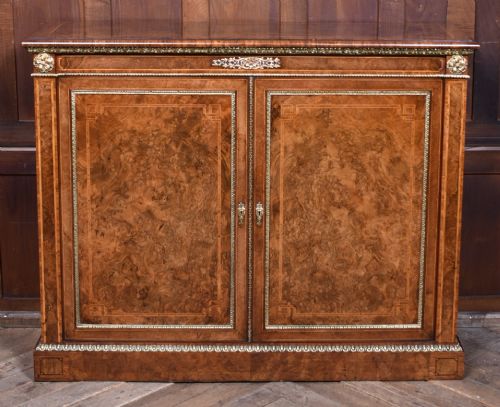
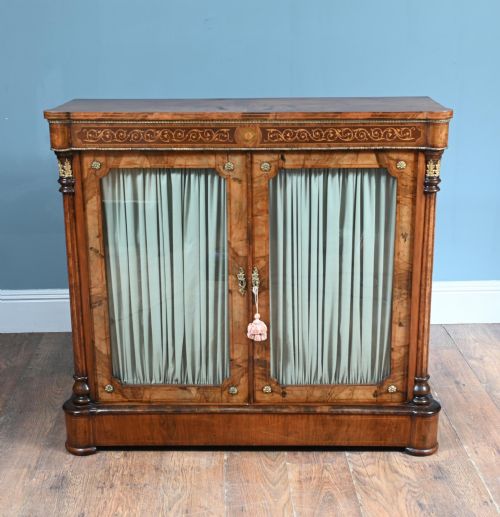
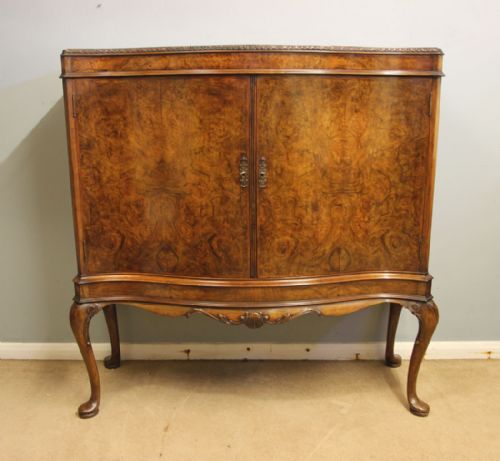

Edwardian Walnut Sideboard
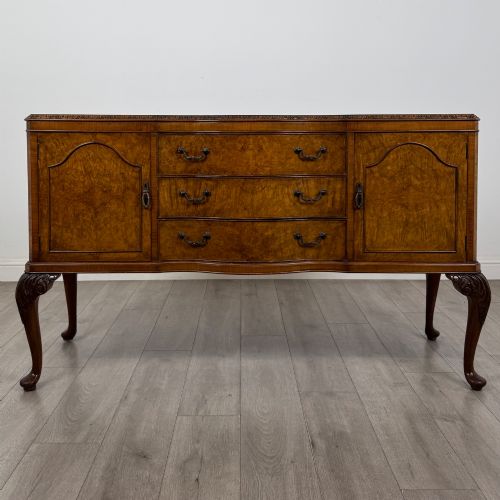
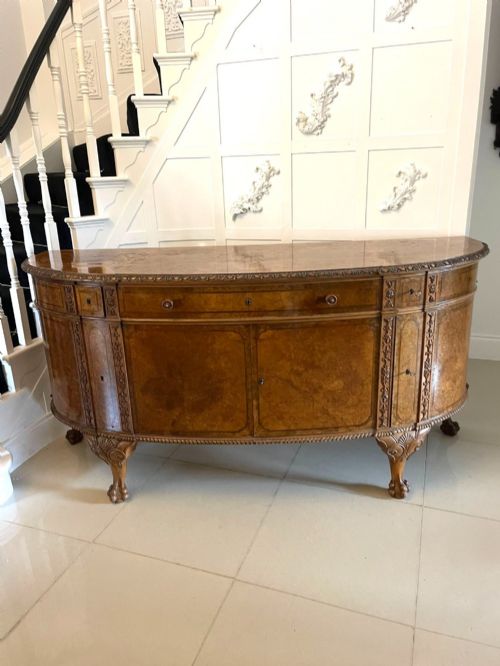
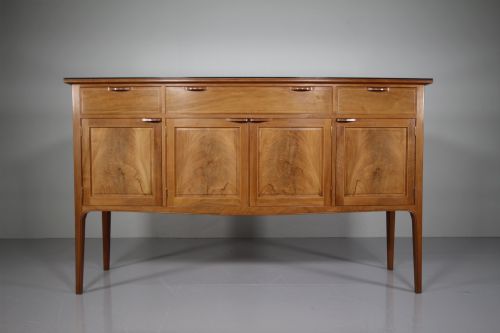
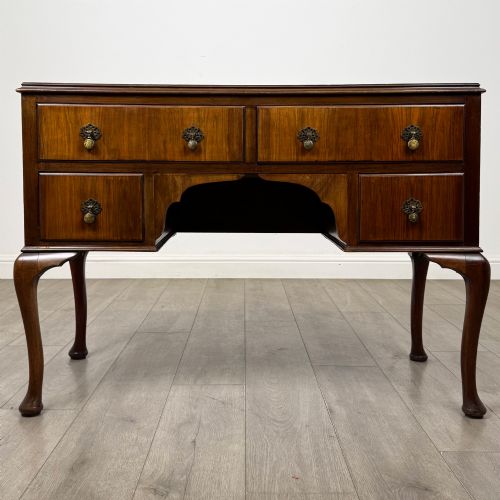
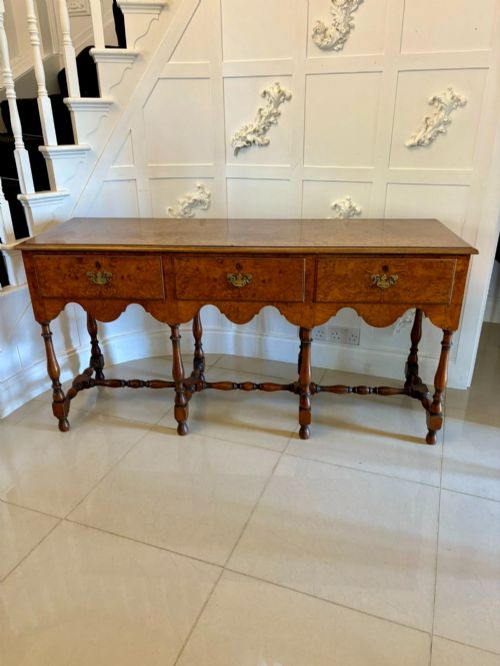
An Edwardian walnut sideboard brings figured timber and practical storage into a room, joining the wider tradition of sideboards, credenzas, and side cabinets found in the listings.
Edwardian Walnut Sideboard
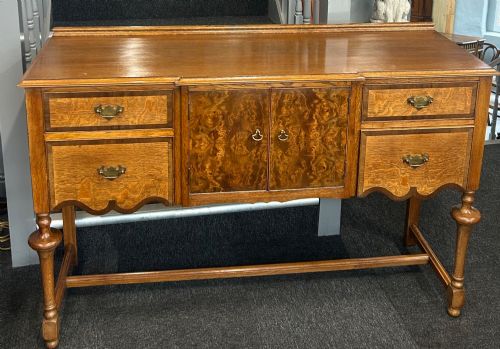
An edwardian walnut sideboard is a solid timber piece designed for dining rooms and living spaces, combining cupboards and drawers for storage and serving. You will frequently meet Edwardian examples alongside Victorian and later pieces from the early twentieth century.
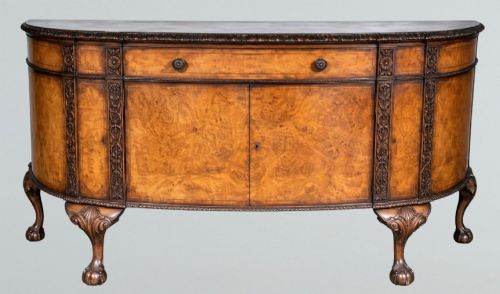
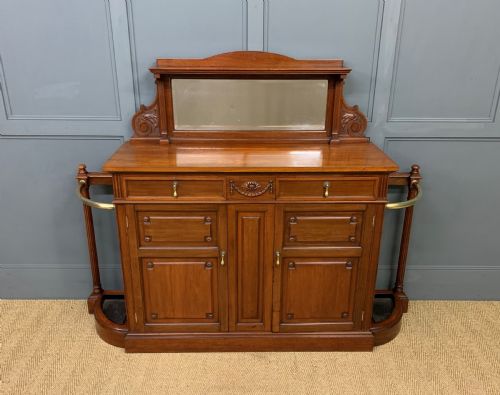
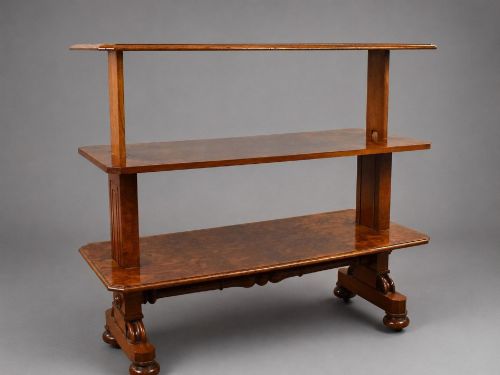
The form appears in various guises across the inventory, ranging from compact sideboard bases to large breakfront servers fitted with mirrors, cutlery drawers, or marble tops. Makers often utilised burr walnut and figured grain to create decorative front panels within these traditional proportions.
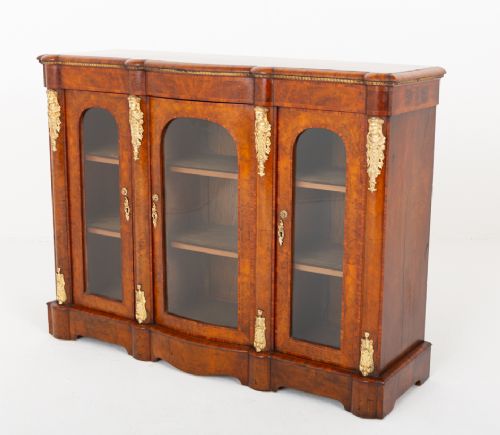
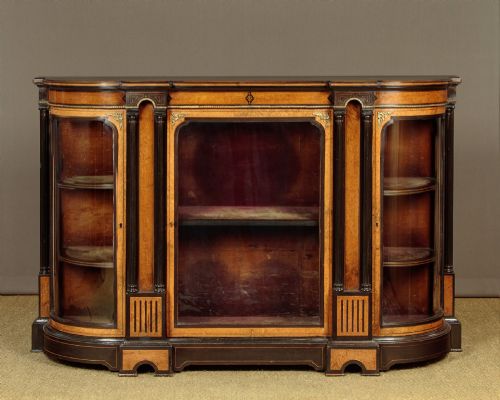
Beyond standard sideboards, related items such as credenzas, chiffoniers, and side cabinets share similar timber palettes and period details. These pieces reflect the domestic requirements of their era, offering surface space and enclosed shelving.
How they were made
Makers constructed these pieces primarily from walnut and burr walnut, selecting timber for its rich figure and warm tone. Decorative details frequently incorporated boxwood inlay, ebonised elements, or carved ornamentation to accent the main carcase.
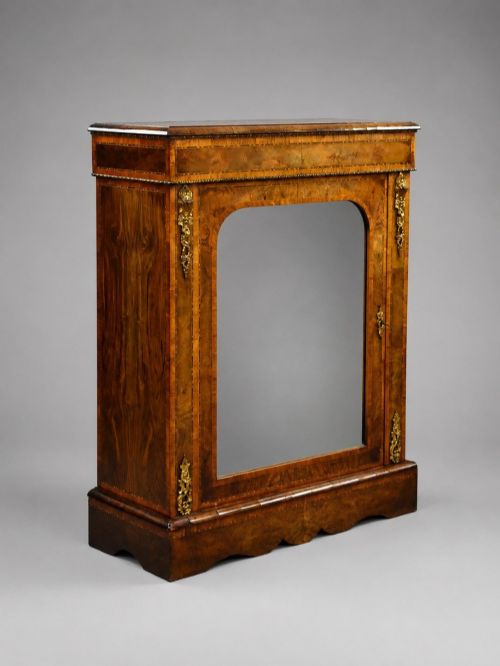
Fittings and hardware relied on brass for handles, hinges, and mounts, while glass featured in display doors and mirror backs. Marble tops appear on specific washstands and side cabinets, providing a durable surface alongside the polished wooden structure.
Edwardian Walnut Sideboard Retail Price Guide 2026
Typical asking prices for edwardian walnut sideboard among the pieces listed under this phrase on Sellingantiques today, from the lower quarter to the upper quarter. They describe what is for sale here now, not the wider market.
Some sideboards arrive with a hidden twelve-piece cutlery set tucked away inside.
What varies in quality
The quality of an edwardian walnut sideboard rests on the selection of the timber and the ambition of its construction. Pieces featuring matched burr walnut veneers across broad surfaces demand greater skill from the cabinetmaker than plain timber alternatives.
Refinements such as marquetry inlay, carved architectural details, and integrated mirror backs elevate a piece from a utilitarian storage item to exhibition quality. The crispness of the carving and the precise fitting of doors and drawers distinguish the finest examples.
Shoolbred & Co.·Edward Barnsley·Whytock & Reid·Maple & Co.
The Edwardian Walnut Sideboard Glossary
- Burr walnut
- A figured veneer taken from the growth excrescence of a walnut tree, prized for its swirling grain patterns. It provides a highly decorative surface on cabinet doors and tabletops.
- Credenza
- A low-standing cabinet or sideboard, often featuring glass doors or central cupboards, frequently associated with Victorian and later formal interiors. These pieces served both display and storage functions.
- Marquetry
- The art of forming decorative patterns using thin veneers of different woods and materials fitted together. It appears frequently on panelled doors and top surfaces.
- Breakfront
- A piece of furniture where the central section projects forward from the flanking wings. This configuration creates visual depth and varied storage compartments.
- Chiffonier
- A low sideboard or cabinet, traditionally fitted with shelves and drawers, developed during the nineteenth century for dining and drawing rooms.
Edwardian Walnut Sideboard: Frequently Asked Questions
What is an edwardian walnut sideboard?
An edwardian walnut sideboard is a wooden storage piece made during the early twentieth century, featuring cupboards and drawers for dining rooms. These pieces utilise walnut timbers and often display decorative grain patterns or inlay.
They serve as both practical storage and display surfaces, appearing in various forms from simple cupboard bases to larger server designs.
How do I identify burr walnut?
Burr walnut is recognised by its dense, swirling grain patterns created from tree growths rather than straight timber boards. It is typically applied as a veneer across cabinet doors and drawer fronts to catch the light.
This figured timber contrasts with plain walnut surfaces, offering a rich and highly decorative finish on period furniture.
Were these sideboards used for dining?
These sideboards were designed primarily for dining rooms to store cutlery, linen, and serving dishes. Interiors often included dedicated drawers or fitted compartments for tableware.
The top surface also provided a practical staging area for serving food and displaying decorative objects during meals.
How does an edwardian sideboard differ from a victorian one?
Edwardian sideboards generally exhibit lighter proportions and cleaner lines compared to heavier Victorian counterparts. They frequently draw upon earlier design revivals while maintaining restrained ornamentation.
Victorian pieces often lean towards darker finishes, heavier carving, and elaborate mirror backs, reflecting changing domestic tastes across the decades.