


Edwardian Wall Hanging Mirror
An edwardian wall hanging mirror brings period character to a hallway, utilising richly grained woods and reflective glass plates to brighten interior spaces.
Edwardian Wall Hanging Mirror
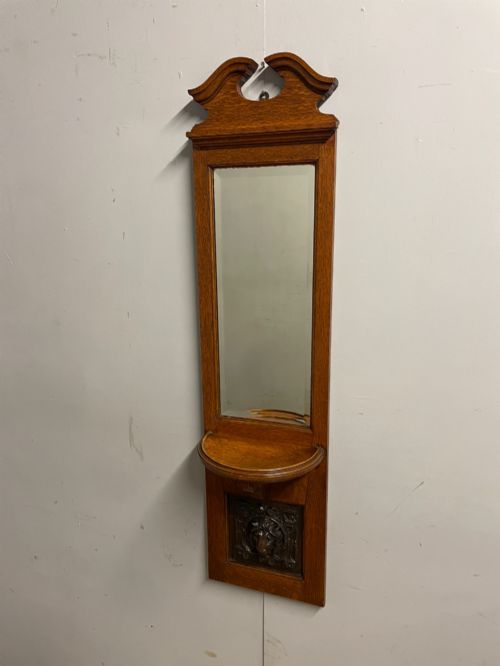
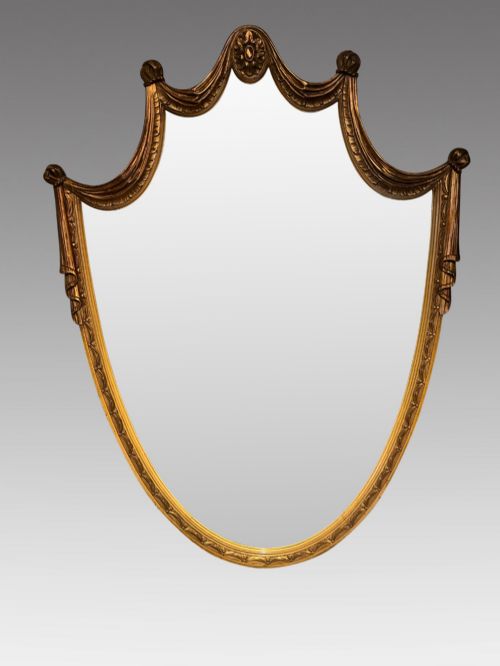
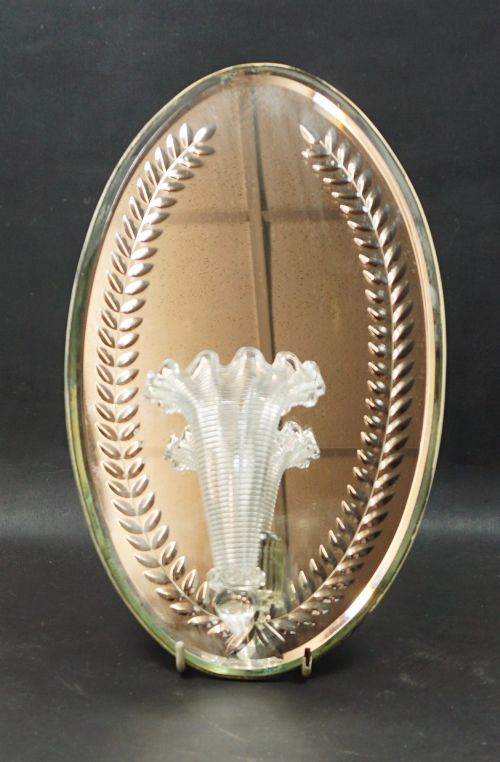
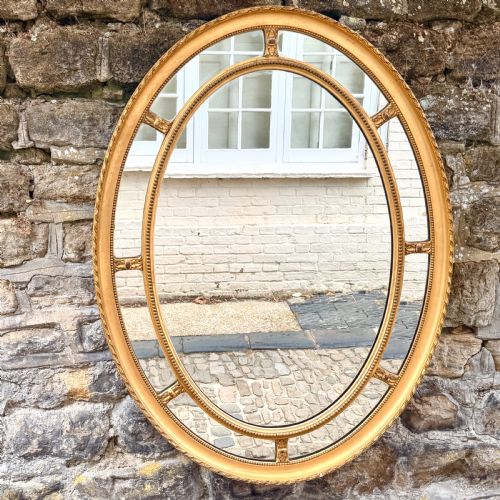
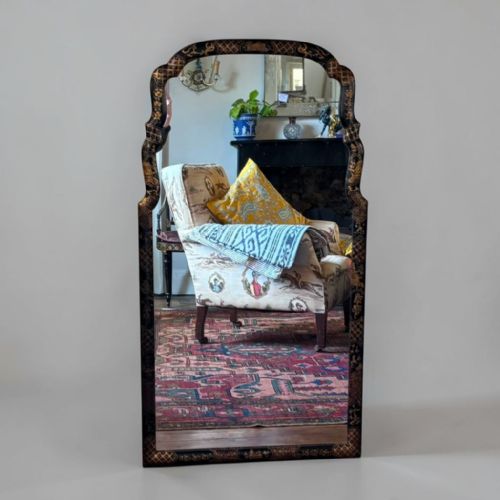
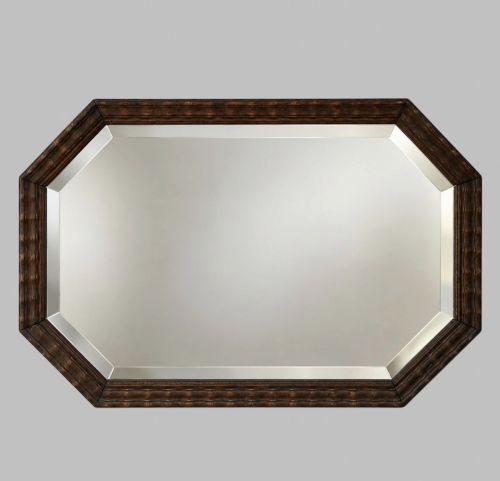
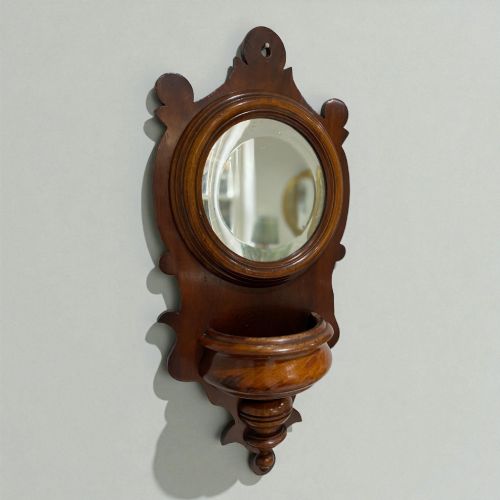
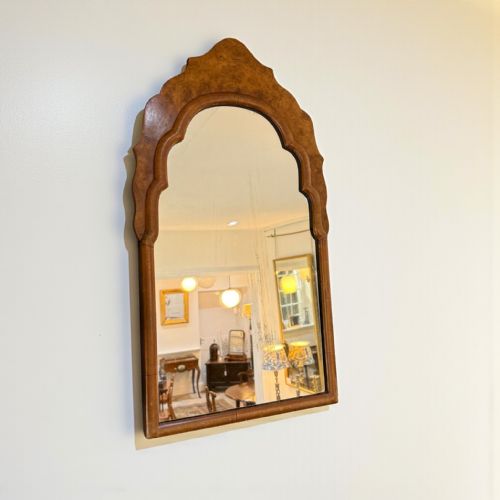
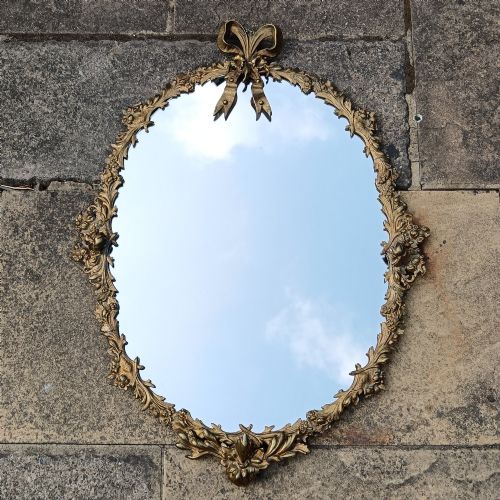
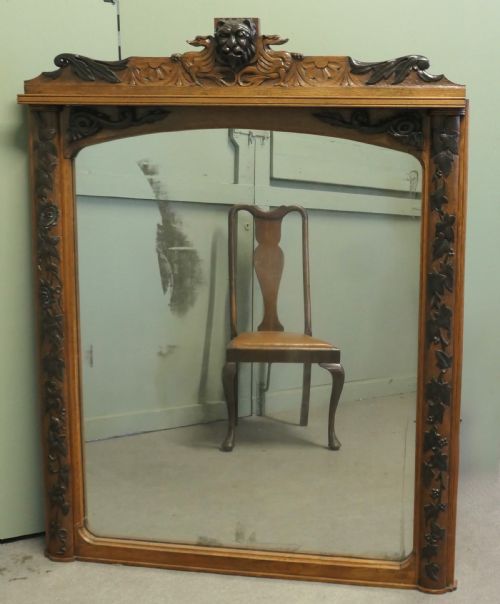
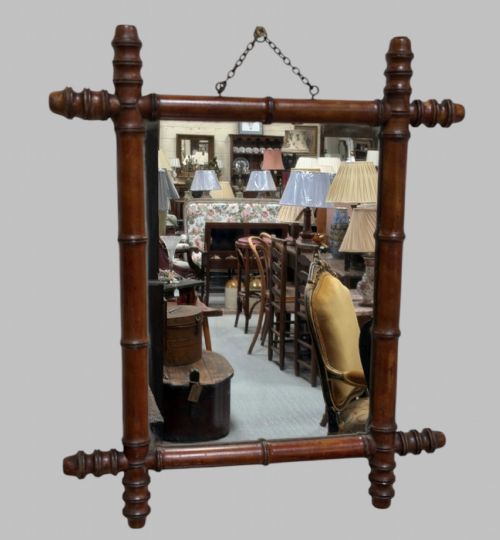
An edwardian wall hanging mirror represents a domestic furnishing designed to reflect light and expand spatial perception within a room. These pieces appear frequently in solid oak, mahogany, and walnut, often featuring bevelled glass plates secured within wooden or gilt frames.
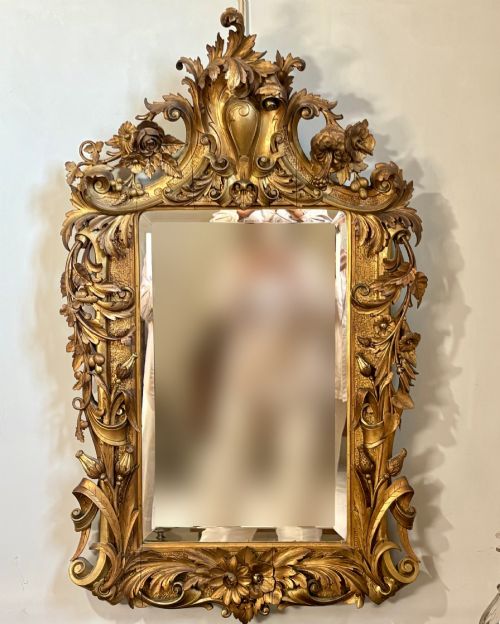
While the search specifically targets the Edwardian era, surviving examples frequently span adjacent periods including the late Victorian years and the early twentieth century. Common formats include simple oak frames, shield shapes, and intricately decorated revival styles.
Makers of the period drew upon diverse design influences, ranging from straightforward domestic woodwork to revivalist aesthetics. Consequently, buyers encounter both restrained daily utility items and ornate decorative statements suited to formal reception rooms.
Materials and construction methods
The construction of an edwardian wall hanging mirror relies heavily on traditional cabinet-making timbers such as oak, mahogany, and walnut. Artisans selected these woods for their durability and grain, frequently incorporating inlay, fretwork, or carved gesso details to enhance the visual appeal of the frame.
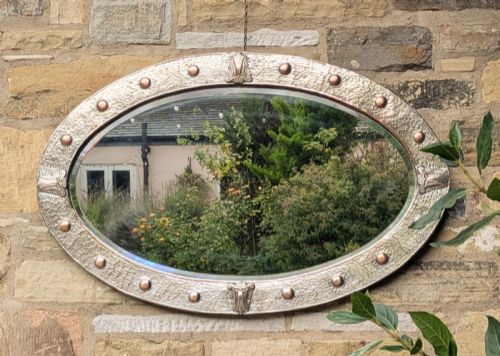
Surrounding the reflective surface, frames often utilise giltwood, brass, or hammered copper elements, particularly within pieces influenced by the Arts and Crafts movement. Mirror glass was predominantly bevelled at the edges, a technique that required precise hand-grinding to create a sloping border that caught the light.
Backings typically consist of tongue-and-groove wooden boarding secured with traditional fixings to protect the silvered rear of the glass plate. Structural stability was paramount, ensuring that heavy timber frames could safely support the weight of the mirror glass on a wall.
Edwardian Wall Hanging Mirror Retail Price Guide 2026
Typical asking prices for edwardian wall hanging mirror among the pieces listed under this phrase on Sellingantiques today, from the lower quarter to the upper quarter. They describe what is for sale here now, not the wider market.
Listings feature oak, mahogany, and walnut frames, alongside specialist materials including giltwood, gesso, brass, and hammered copper.
Distinguishing quality in period mirrors
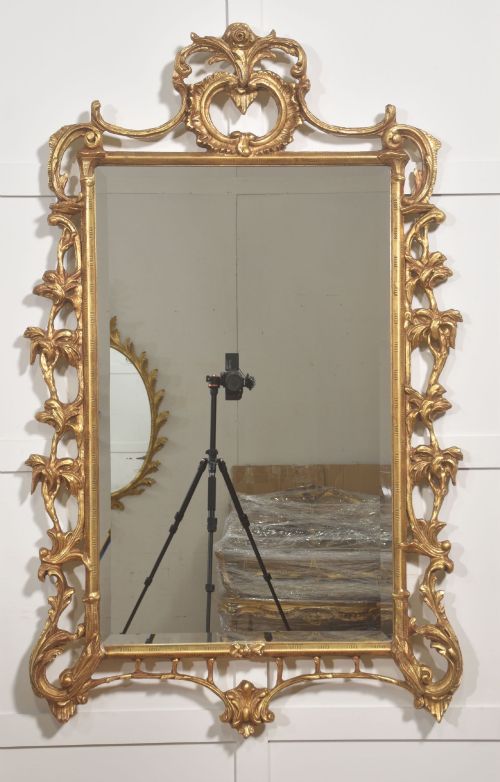
Quality in an edwardian wall hanging mirror reveals itself through the depth of carving and the precision of the joinery. Superior examples exhibit hand-carved gesso or giltwood details with crisp lines, whereas lesser pieces rely on pressed composition ornaments that lack sharpness.
The clarity and thickness of the glass plate also dictate the standard of the piece. High-grade mirrors utilise heavier, distortion-free glass with clean bevels, set securely within robust wooden frames that show careful attention to timber selection and matching grain patterns.
Waring and Gillow
The Edwardian Wall Hanging Mirror Glossary
- Bevelled plate
- A mirror glass featuring an angled edge ground down to create a decorative tapered border. This technique adds depth and refracts light differently than a flat-edged plate.
- Gesso
- A plaster-like mixture applied to wooden frames as a base for gilding or painting. Skilled artisans sculpted intricate relief patterns directly into this material.
- Pier glass
- A tall mirror traditionally hung on the wall space between windows. These pieces often matched console tables placed underneath.
- Fretwork
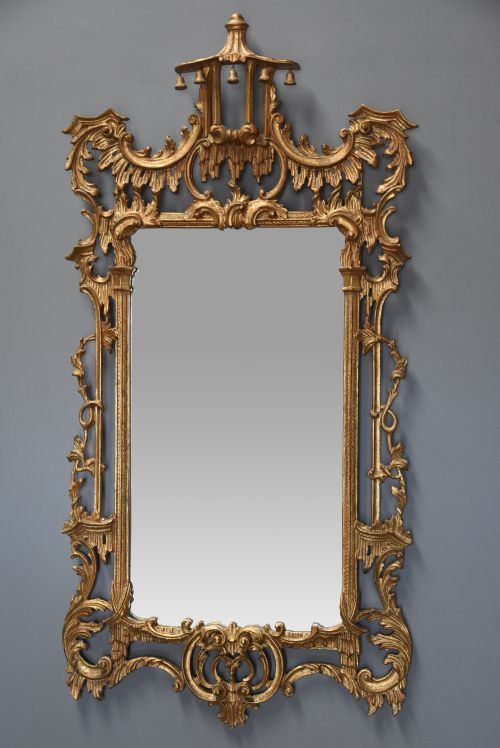
- Ornamental woodwork cut into thin patterns using a fretsaw. Edwardian and Chippendale revival frames frequently employ this technique for lighter, open designs.
- Mercury plate
- An early form of mirror backing created using a tin and mercury amalgam. This historic method produces a characteristic mottled reflection distinct from modern silvering.
Edwardian Wall Hanging Mirror: Frequently Asked Questions
Where should I hang an edwardian wall hanging mirror?
These mirrors suit entrance hallways, above fireplace mantelpieces, or in reception rooms where they can reflect natural light from windows. Placing them opposite a light source maximises their ability to brighten smaller spaces.
Ensure the wall structure can support the weight of the timber frame and glass plate, using appropriate fixings secured firmly into wall studs or masonry.
How do I clean an antique mirror glass?
Use a soft, lint-free cloth and a mild glass cleaner applied sparingly to the cloth rather than directly onto the glass surface. Avoid harsh chemical sprays that might seep behind the frame and damage the historic silvering or wooden backing.
Take care around the bevelled edges and aged joints where moisture could accumulate and cause deterioration over time.
What is the difference between Edwardian and Victorian mirrors?
Victorian mirrors often favour darker, heavier woods like rosewood and heavy mahogany with robust, highly ornamented carvings. They reflect the more opulent and densely furnished aesthetic of the nineteenth century.
Edwardian designs tend toward lighter proportions, incorporating simpler oak frames or revival styles influenced by eighteenth-century aesthetics, reflecting a shift towards brighter domestic interiors.
How can I identify Arts and Crafts mirrors?
Arts and Crafts examples typically feature handcrafted metalwork such as hammered copper or silver accents, sometimes decorated with Celtic knots or natural motifs. The wooden frames are generally straightforward in construction, highlighting the natural grain rather than relying on heavy gilding.
These pieces emphasise visible craftsmanship and honest materials over machine-made perfection.