
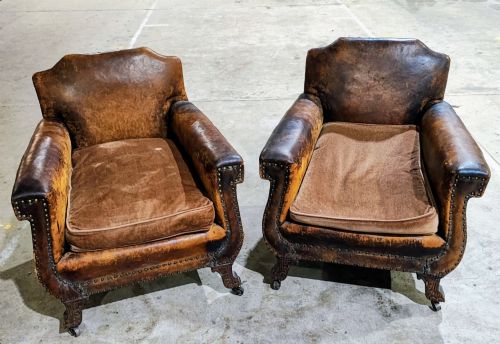

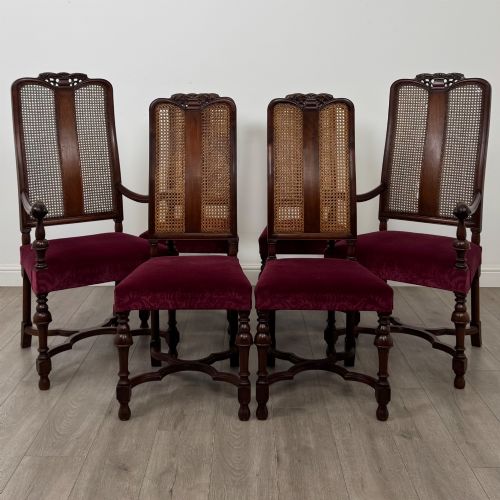
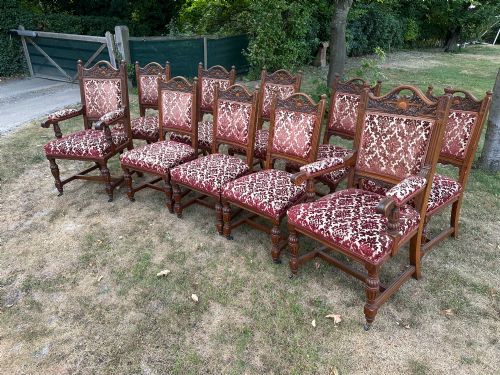
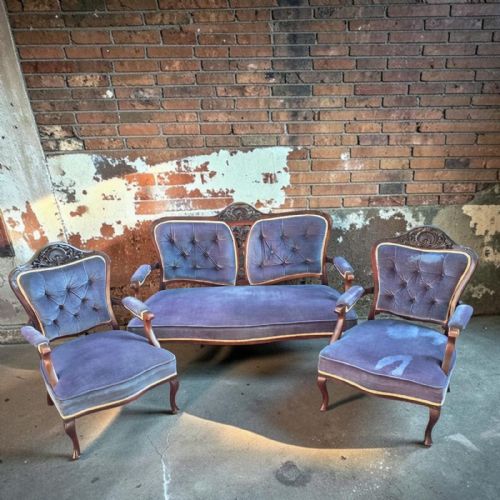

Edwardian Velvet Armchair
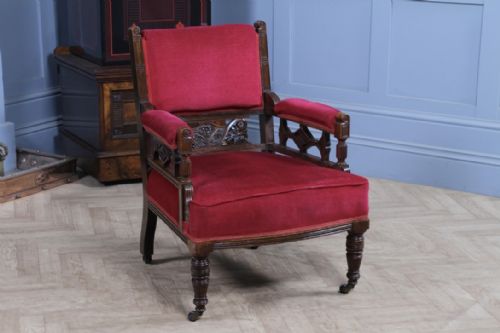
An edwardian velvet armchair brings tactile warmth and upright support to a room, combining period timber frames with dense pile upholstery.
Edwardian Velvet Armchair
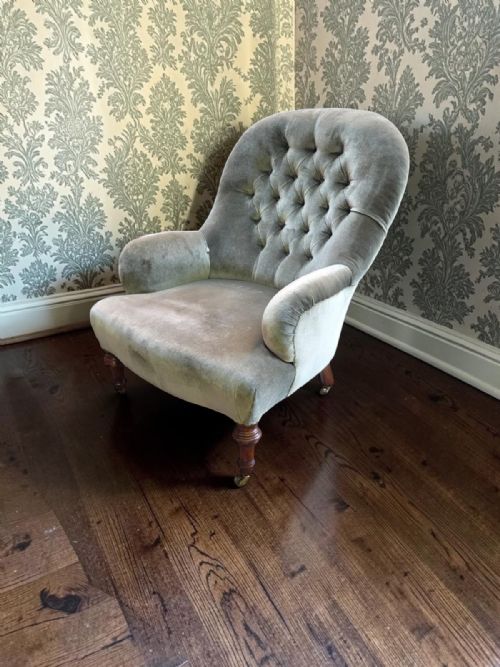
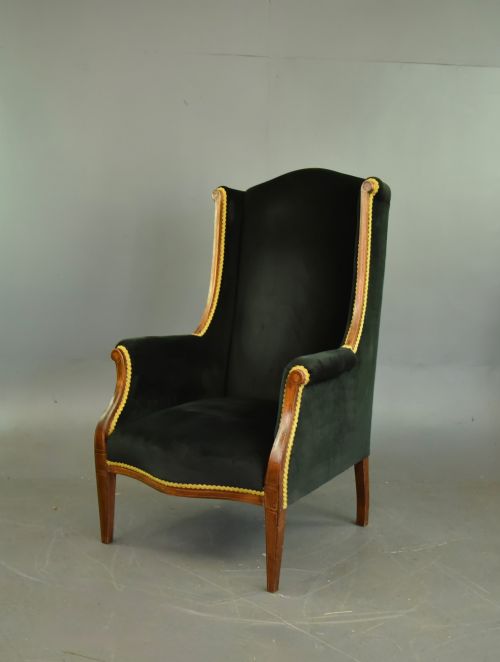
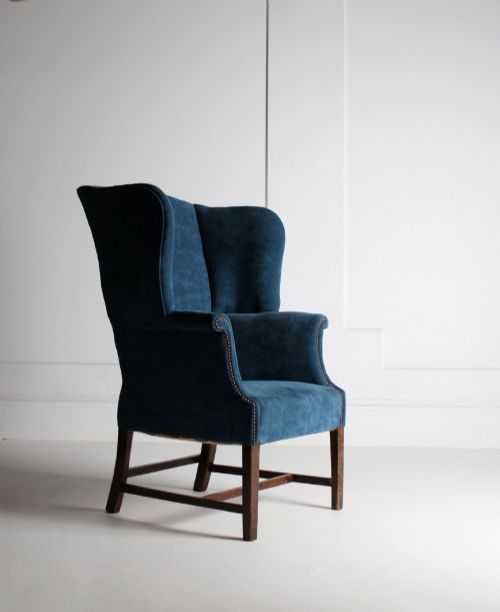
When you search for an edwardian velvet armchair, you encounter seating designed around comfort and formal reception, spanning wingbacks, button back tub chairs, and barrel backs. These pieces emerge from the Edwardian era and the early twentieth century, though nineteenth-century Victorian antecedents also appear alongside later revival styles.
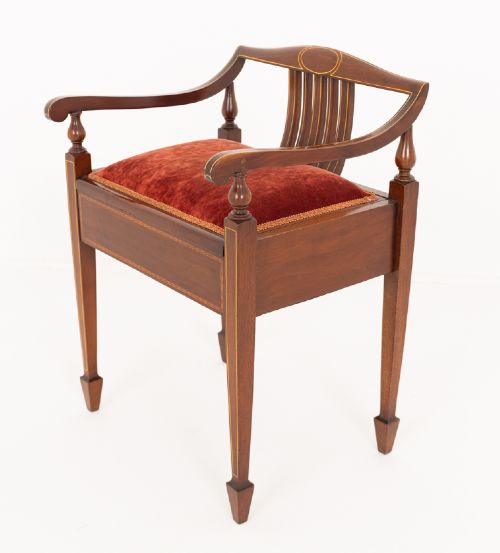
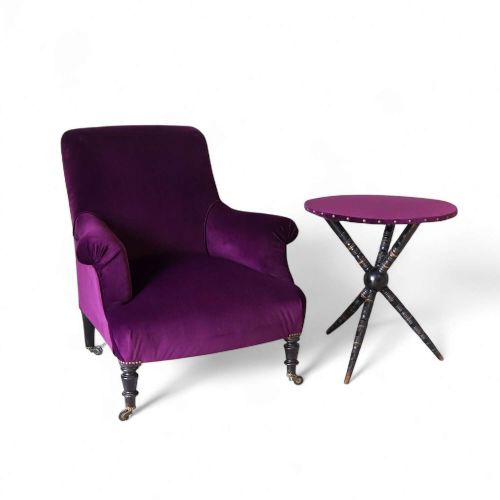
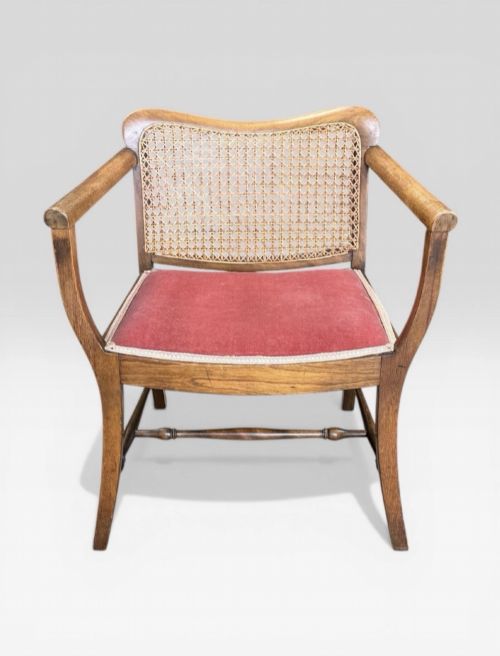
The versions most frequently met on this page combine timber frames in mahogany, oak, or walnut with velvet upholstery in shades ranging from deep purple and orange to red and terracotta. Alongside single library and club armchairs, you find matched pairs and occasional parlour chairs intended for drawing rooms and studies.
Materials and Construction
Makers built the structural frames of these armchairs using hardwoods such as mahogany, oak, and walnut, frequently incorporating inlay, carved details, or turned members. Timber components provide the rigid skeleton necessary to support deep springing and heavy fabric.
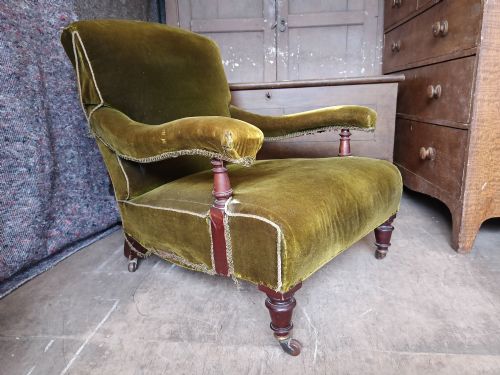
Upholstery relies on velvet stretched over padded stuffing, occasionally complemented by button-backed detailing or brass castors on the feet. The tactile pile of the velvet contrasts with the polished wooden armrests and legs exposed beneath.
Listings feature Edwardian, Victorian, and early twentieth-century periods alongside materials including velvet, mahogany, oak, walnut, brass, and cane.
Judging Quality and Execution
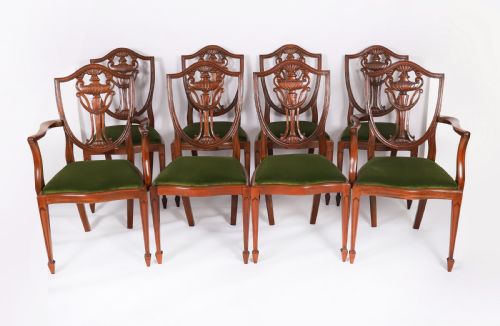
The distinction between ordinary and superior examples lies in the crispness of the timber carving and the architectural proportion of the frame. Finer armchairs display balanced wing proportions, harmonious inlay work, and robust joinery that sustains the weight of heavy upholstery without movement.
Upholstery execution further separates the tiers of production, visible in the even tension of the velvet and the precise placement of tufting or buttons. Superior workshops employed select hardwoods and denser internal stuffing, ensuring the silhouette retains its intended contour over decades of use.
Hampton And Sons·James Shoolbred·Howard And Sons·Gillows
The Edwardian Velvet Armchair Glossary
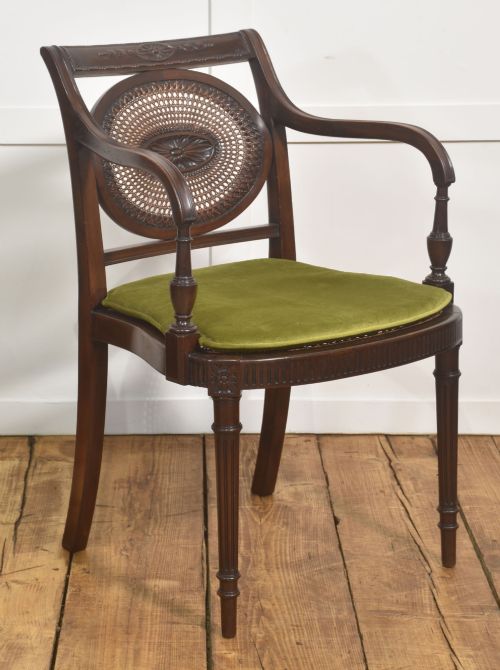
- Bergere
- An enclosed upholstered armchair with cane work panels set into the wooden frame. This French-derived form offers a lighter visual weight while maintaining structural support.
- Wingback
- An armchair featuring protective side panels attached to the arms and rising to the back. These extensions historically deflected draughts from firesides and provided lateral head support.
- Tub Chair
- A compact seating form with a continuous curved back and arms wrapping around the user. The enclosed semicircular profile creates a snug and contained posture.
- Sheraton Revival
- A late nineteenth and early twentieth century design movement replicating the lighter neoclassical furniture of the eighteenth century. Pieces in this style typically feature slender mahogany frames and delicate inlay.
- Button Back
- An upholstery technique where indentations are formed by pulling stitches through the padding and securing them to the frame. This method holds internal stuffing firmly in place while creating a distinct geometric pattern.
Edwardian Velvet Armchair: Frequently Asked Questions
How do I identify an Edwardian armchair?
Edwardian armchairs generally date from the period around nineteen hundred to nineteen ten, displaying lighter proportions than their Victorian predecessors. They often combine mahogany or walnut frames with inlaid decoration and softer, less imposing silhouettes.
Makers of this era frequently drew inspiration from earlier Sheraton or Georgian designs while prioritising domestic comfort. Examining the timber species, joinery construction, and upholstery style helps confirm the manufacturing period.
Where were velvet armchairs used?
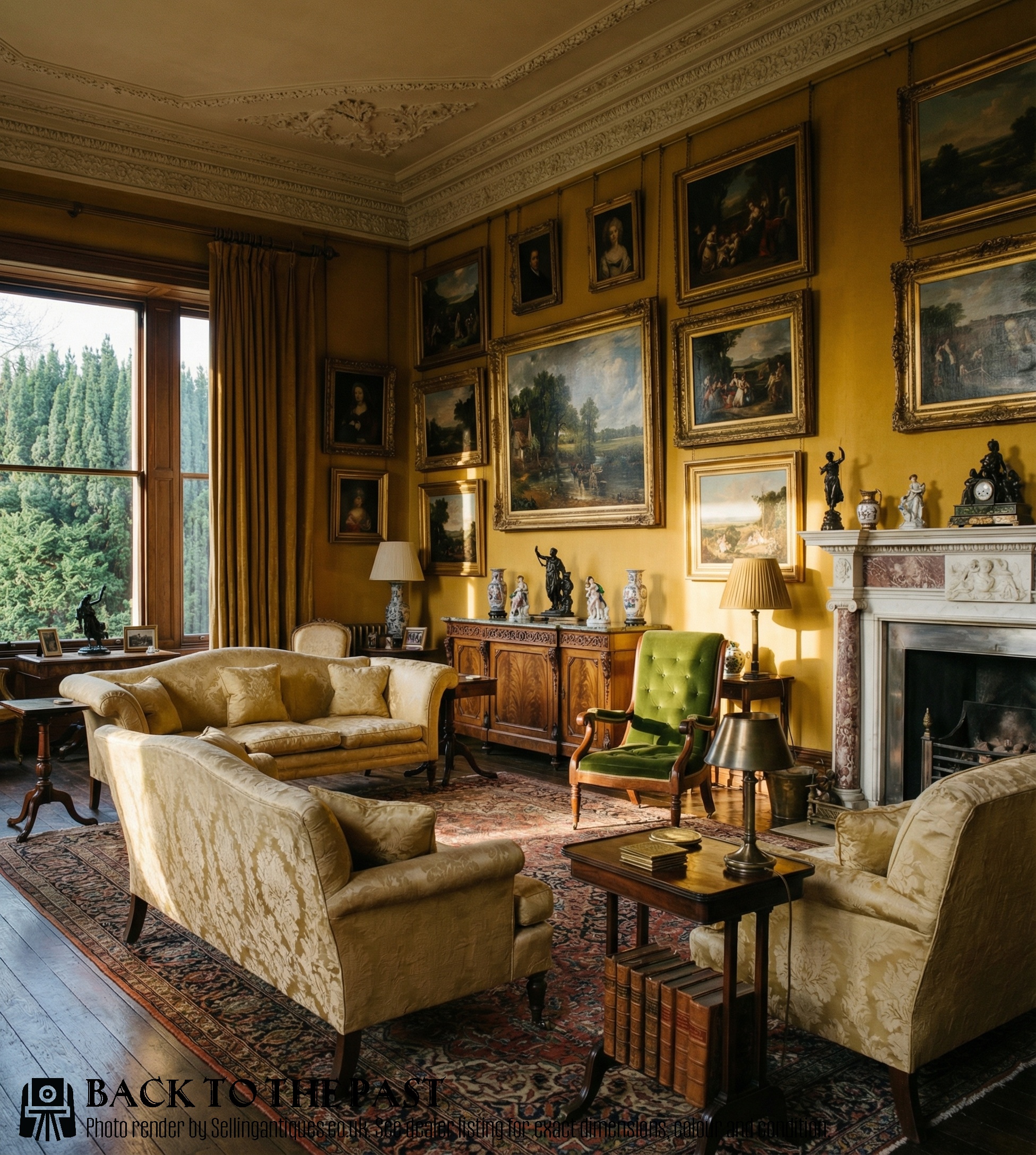
These armchairs served primarily in private libraries, drawing rooms, and formal parlours as comfortable seating for reading and conversation. Their dense pile fabrics suited reception spaces where both warmth and visual richness were desired.
Pairing them with occasional tables or placing them beside fireplaces was common practice in period homes. Their sturdy frames allowed them to function as both practical seats and decorative focal points.
How do I care for antique velvet?
Antique velvet requires gentle maintenance to protect the delicate pile from crushing or moisture damage. Regular light brushing with a soft bristle tool helps maintain the direction and sheen of the fibres.
Keeping these chairs away from direct sunlight prevents the dyes in coloured velvets from fading over time. Professional textile cleaning is recommended for deeper maintenance to preserve the integrity of the fabric.