


Antique Fireplace Chair
These antique fireplace chair selections offer comfortable seating by the hearth, combining period charm with practical warmth.
Antique Fireplace Chair
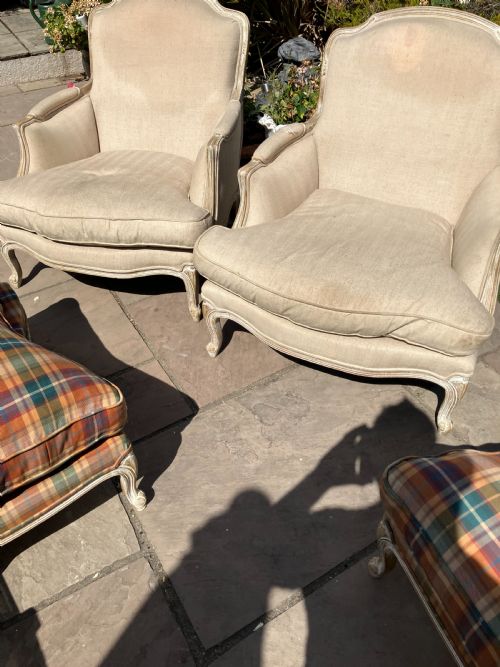
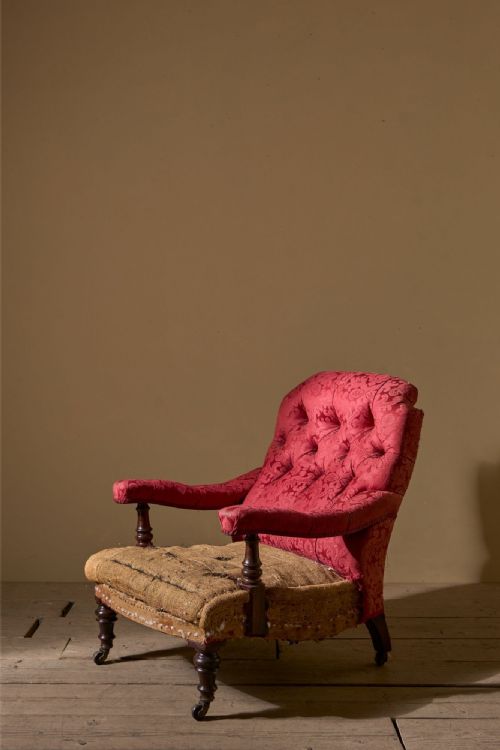
An antique fireplace chair is designed for comfort near the hearth, often taking the form of an open armchair, wingback armchair, or club chair. These seating options emerge from periods spanning the nineteenth century through the Edwardian era, showing influences from English country house traditions to French Louis styles.
Buyers frequently encounter nineteenth century pieces alongside Edwardian examples and later interpretations from nineteen sixty. Forms vary from simple stick back Windsor armchairs to elaborately carved mahogany and walnut frames featuring claw and ball feet.
The selection includes pairs and single armchairs, offering versatility for domestic interiors. Each piece reflects the seating requirements of its original period, prioritising support and presence around a fireplace.
Materials and construction methods
Makers utilised solid timbers such as mahogany, rosewood, walnut, and general hardwood for the structural frames of these armchairs. These woods were often intricately carved, particularly on Edwardian and French revival pieces.
Upholstery materials recorded in the construction include velvet, linen, hessian, and various traditional fabrics. Brass details and decorative hardware occasionally complement the woodwork, while specialised padding supports the wingback and club chair designs.
Materials documented across the inventory include mahogany, rosewood, walnut, brass, velvet, linen, hessian, and general hardwood.
Distinctions in quality and execution
Quality in these armchairs rests upon the integrity of the timber frame and the refinement of the carving work. Superior examples demonstrate precise joinery and balanced proportions, whether executed in a simple English country style or an elaborate French Louis XV revival manner.
The execution of secondary details, such as carved claw and ball feet or shaped arm supports, separates standard production from finer cabinetmaking. Upholstery finish and the preservation of original wood surfaces further influence the character of each piece.
The Antique Fireplace Chair Glossary
- Armchair
- A chair with supports for the arms or elbows. These pieces form the primary seating category found in the collection.
- Wingback armchair
- An upholstered chair with high back and side panels designed to shield the occupant from drafts. This form is well represented in Georgian style and nineteenth century pieces.
- Club chair
- A comfortable, deep-seated upholstered armchair originating in the late nineteenth or early twentieth century. Examples here include Sheraton Revival interpretations.
- Claw and ball feet
- A furniture foot carved to represent a bird's talon grasping a ball. This decorative feature appears on Edwardian mahogany frames.
- Windsor armchair
- A wooden chair constructed with a solid saddle-shaped seat into which the back and legs are separately inserted. Stick back variants represent the traditional English country aesthetic.
Antique Fireplace Chair: Frequently Asked Questions
What defines an antique fireplace chair?
These pieces are traditional armchairs designed for placement near a hearth, offering supportive seating in styles ranging from English country to French revival.
They encompass wingback designs, club chairs, and open armchairs made from hardwoods during the nineteenth and early twentieth centuries.
How were these armchairs used historically?
Occupants sat in them close to domestic fireplaces for warmth and comfort during colder months. High backs and winged sides provided protection from draughts in large rooms.
Pairs often flanked a fireplace mantel, creating a balanced seating arrangement in drawing rooms and country houses.
How do I identify different periods?
Periods are identified through characteristic woodwork styles, decorative carving motifs, and overall structural forms. For example, Edwardian pieces often feature detailed mahogany frames with claw and ball feet.
Earlier nineteenth century examples lean towards English country or Georgian revival aesthetics, utilising simpler stick backs or robust upholstered wings.
How do I live with these chairs?
These armchairs integrate into living spaces as statement seating or functional reading chairs. Their varied upholstery and wood tones complement both traditional and contemporary interiors.
Placing them near a focal point echoes their original domestic purpose by the hearth.