

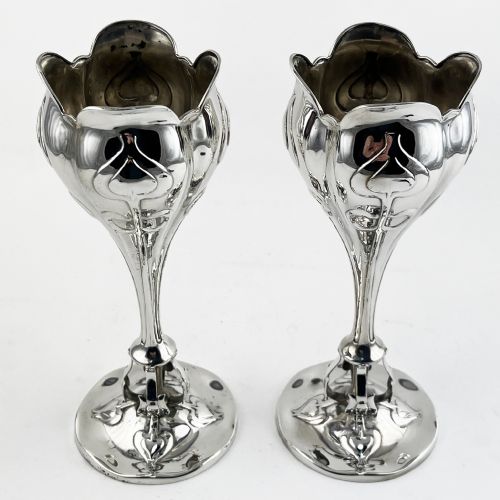


Edwardian Trumpet Vase
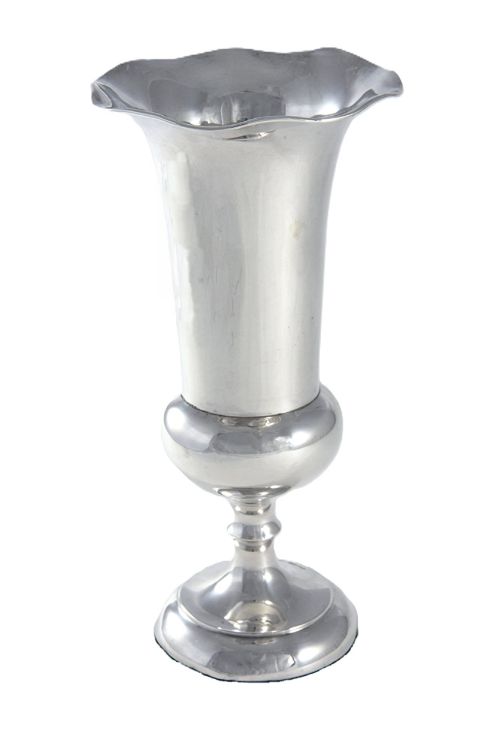
An edwardian trumpet vase brings an elegant, flared silhouette to the dining table, combining substantial bases with slender necks designed for single blooms.
Edwardian Trumpet Vase
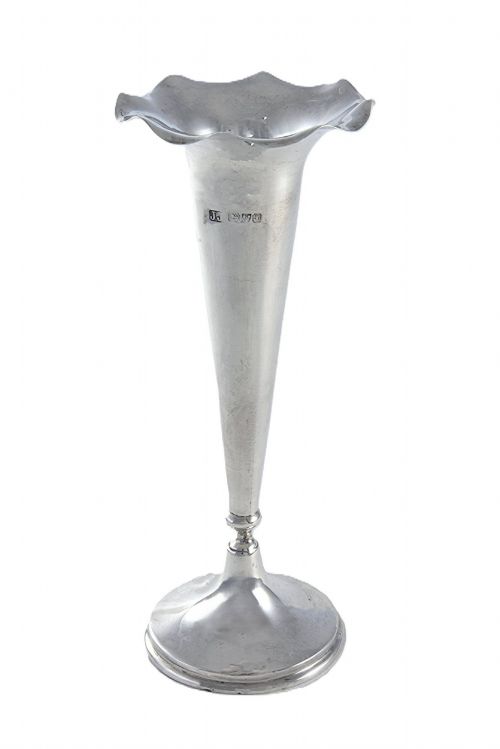
An edwardian trumpet vase is a decorative vessel characterised by a wide, flared rim tapering down to a narrower stem and a supportive base. When you search for this phrase, you encounter pieces intended for floral displays, ranging from single stem holders to multi-flute table centrepieces.
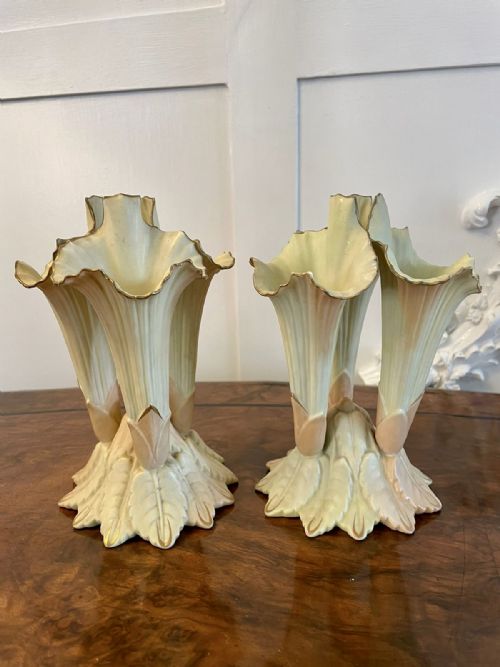
The pieces on this page span the Edwardian period alongside late Victorian and early twentieth-century examples. Alongside traditional solid silver and silver plate, the selection includes porcelain, clear glass, cranberry glass, copper, and iridescent glass.
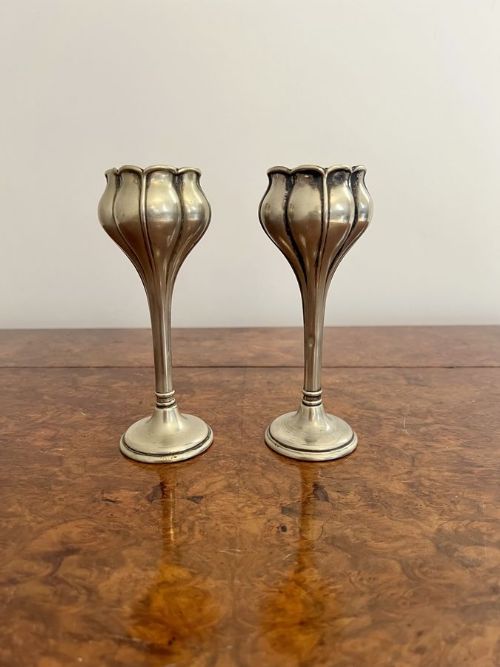
Makers and makers' marks frequently appear on the metal and porcelain examples, while glass versions showcase the fluidity of the medium. Many survive in pairs, designed to balance a dining room or mantelpiece symmetrically.
Materials and methods
Metals such as sterling silver and silver plate were shaped, spun, or cast, often bearing hallmarks that record the assay office and year. Copper pieces from the era utilise similar forming techniques, sometimes enriched with hammered surfaces or organic motifs.
Glass vessels combine blown bowls with cut, etched, or applied decorations, occasionally mounted onto weighted silver bases. Porcelain examples rely on fine clay bodies painted by hand with botanical or avian scenes and finished with glazes.
Early twentieth-century dining tables hosted elaborate glass flutes and epergnes so tall that guests required clever peering techniques to see across the roast.
Judging quality
Quality rests on the crispness of the manufacture, from the weight of the silver or glass to the hand-painted detail on porcelain bodies. Heavier gauge metalwork maintains its structural integrity and resists distortion around the delicate flared rim.
Artistic execution distinguishes standard production from notable output, seen in the fluency of Art Nouveau or Secessionist styling and signed ceramic or glass work. The integrity of associated mounts and the clarity of hallmarks further elevate a piece.
Locke & Co.·Royal Worcester·LC Tiffany·Ruskin Pottery·Daniel & Arter·Mappin & Webb·Walker & Hall
The Edwardian Trumpet Vase Glossary
- Trumpet vase
- A vessel with a narrow base that flares outward toward the rim in the shape of a musical horn. This form became particularly popular for holding long-stemmed flowers on dining tables during the Edwardian era.
- Epergne
- A centrepiece ornament featuring multiple branching trumpets or flutes radiating from a central support. These structures allowed elaborate floral arrangements to be displayed across the dining table.
- Spill vase
- A small upright holder traditionally kept on the mantelpiece to store taper candles or wooden spills used for lighting pipes and fires. They share the slender proportions seen in many trumpet designs.
- Favrile glass
- An iridescent art glass developed by Louis Comfort Tiffany that displays shimmering, multi-coloured optical effects. The technique relies on treating molten glass with metallic oxides.
- Crystalline glaze
- A ceramic finish that encourages zinc silicate crystals to grow visibly during the cooling process in the kiln. This produces starry patterns across the glazed surface of the pottery.
Edwardian Trumpet Vase: Frequently Asked Questions
What were trumpet vases used for?
These vessels were primarily created to hold cut flowers, particularly single long-stemmed blooms like lilies or roses, which benefit from the narrow neck and wide mouth.
They also served as decorative table centrepieces during formal dinners, where their height allowed guests to converse across the table without obstruction.
How do I clean silver trumpet vases?
Sterling silver and silver plate require gentle cleaning with a specialised silver polish and a soft cloth to remove tarnish while preserving the underlying metal.
Avoid immersing weighted silver bases in water, as moisture can damage the internal plaster or resin filling commonly used to provide stability.
Are glass and silver pieces marked?
Silver components typically feature hallmarks indicating the maker, assay office, and date of assay, which helps pinpoint the exact year of manufacture.
Glass and porcelain items often carry painted factory marks, incised signatures, or paper labels identifying the pottery or studio of origin.
How do I style them today?
Place a single trumpet vase on a side table or mantelpiece to add vertical emphasis and a touch of period elegance to a room.
Pairs of vases look striking when arranged symmetrically on a sideboard, either left empty as sculptural objects or filled with seasonal foliage.