


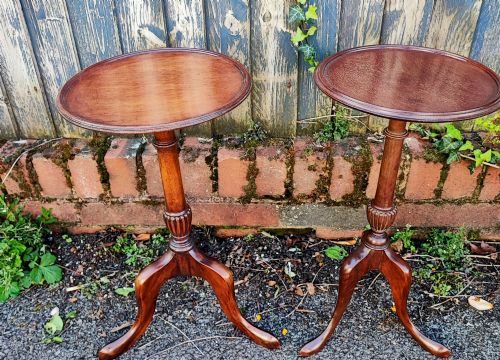

Edwardian Tripod Accent Table
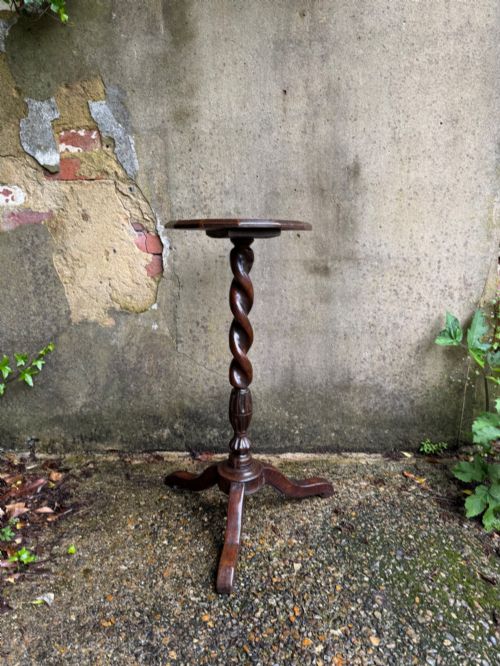
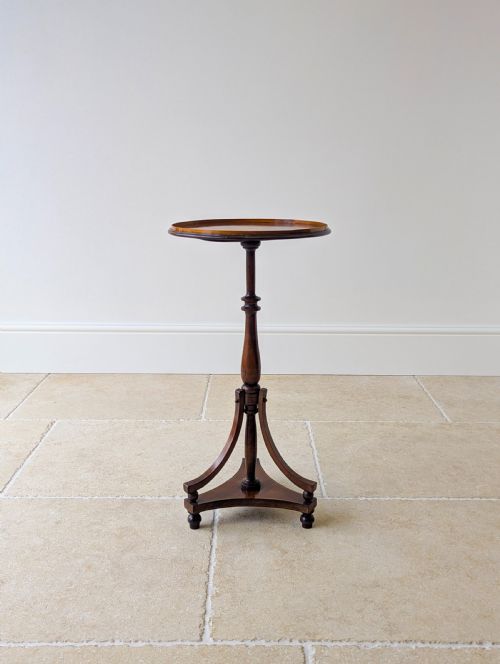
These edwardian tripod accent table selections combine compact utility with period charm, offering stable surfaces designed for lamps, wine, or intimate display.
Edwardian Tripod Accent Table
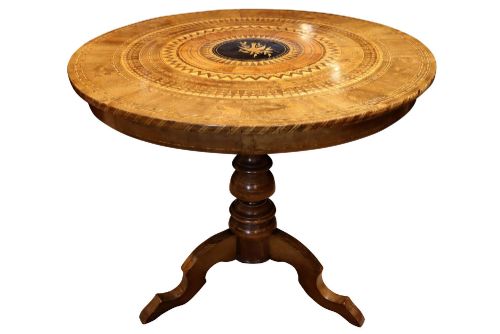
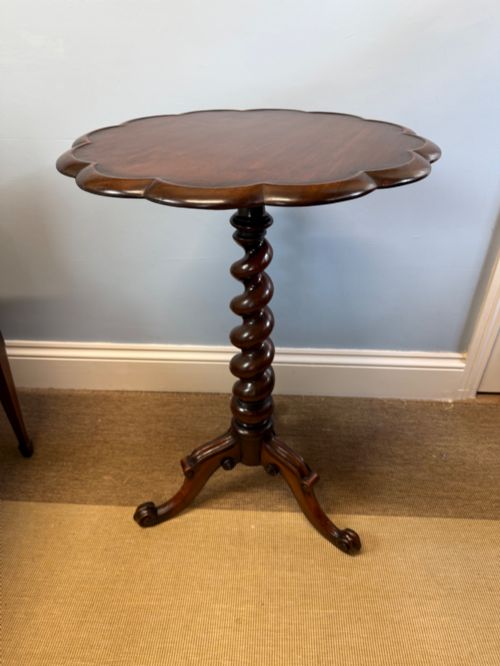
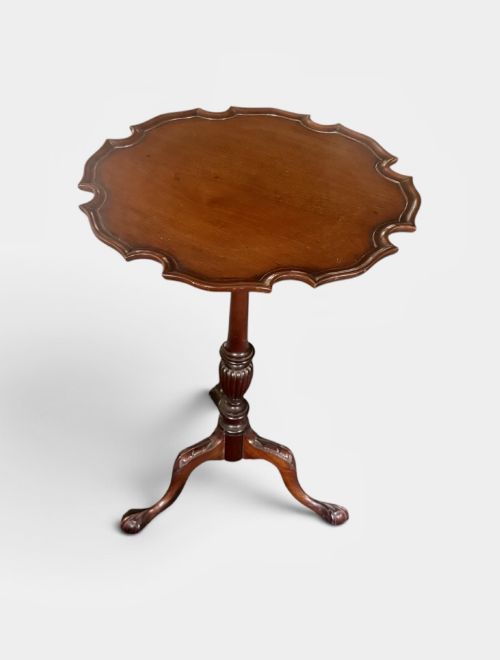
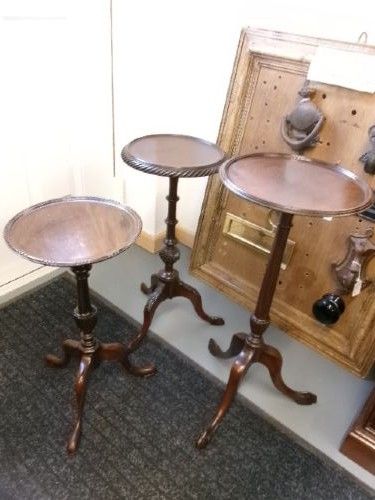
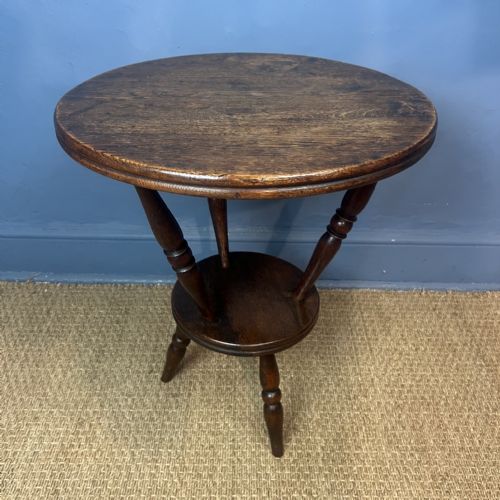
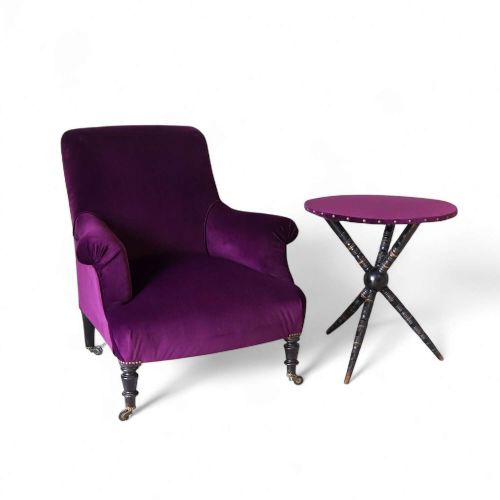
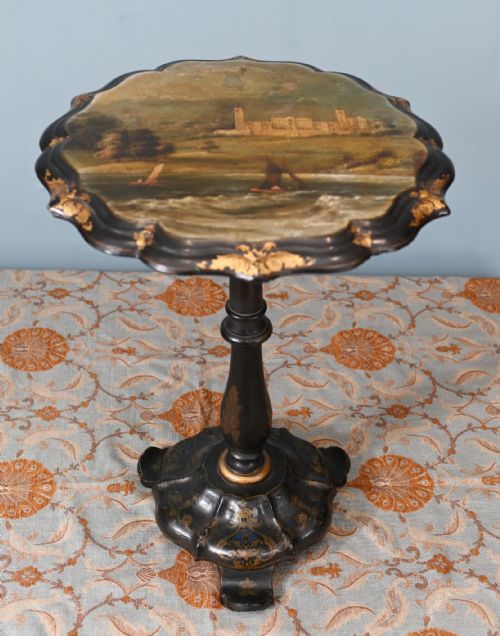
When searching for an edwardian tripod accent table, buyers encounter small occasional surfaces supported by three-legged pedestals, primarily originating from the Edwardian era alongside pieces from the nineteenth and early twentieth centuries. These compact furnishings take the form of wine tables, lamp tables, and tilt-top designs well suited for placement beside seating.
Materials and Construction Methods
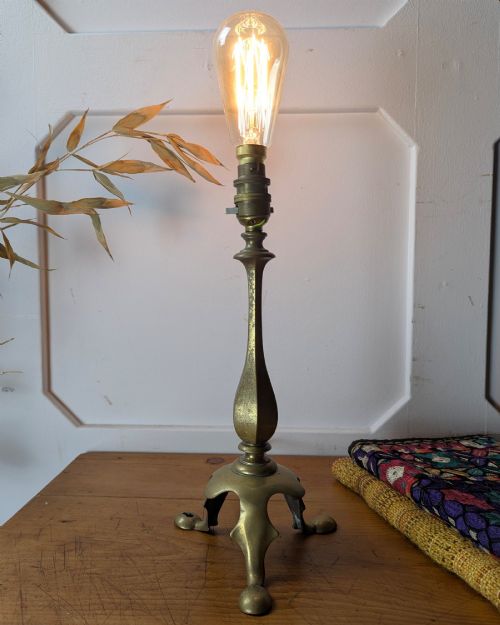
Makers utilised dense hardwoods like mahogany, walnut, and oak to construct these surfaces, often employing burr walnut or figured veneers for decorative tabletop panels. Brass hardware, such as adjustable mechanisms and galleried rims, occasionally supplements the timber framework.
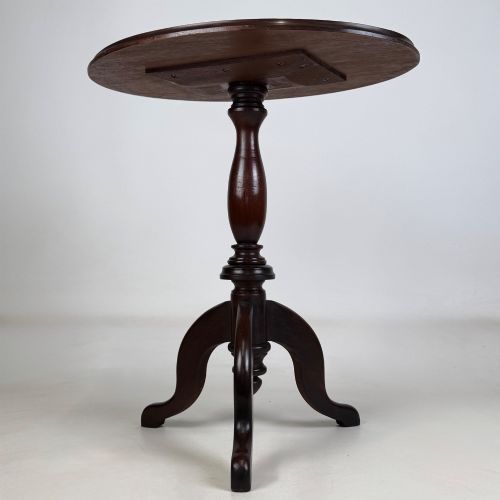
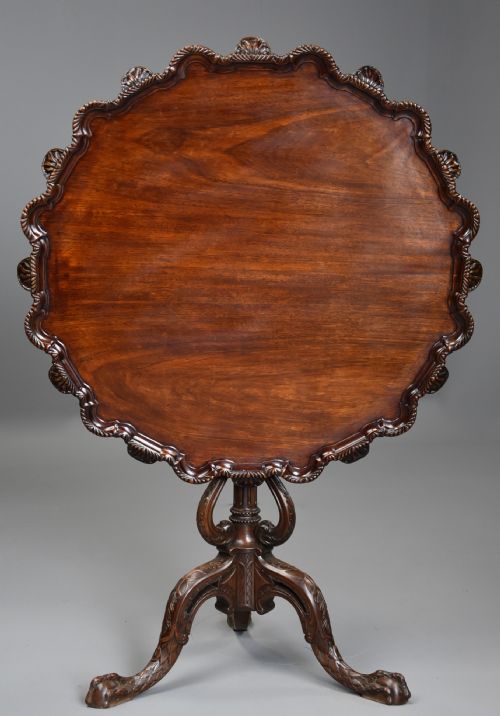
Joinery methods range from simple turned pedestals fixed to three splayed legs to tilt-top mechanisms allowing the surface to fold vertically when not in use. Carved details, shaped pie crust edges, and inlaid contrasting timbers demonstrate the manual skill applied to these domestic objects.
Some tables feature tilting tops originally designed to hide against drawing room walls like giant wooden pancakes.
Distinctions in Quality
The distinction between ordinary and superior pieces rests on the choice of timber and the crispness of the turning on the central pedestal and legs. Well-figured mahogany or burr walnut with intact, harmonious grain patterns elevates a piece far above plain utility versions.
Structural stability and the subtlety of decorative flourishes, such as delicate inlay or finely carved tripod bases, separate standard workshop output from exceptional examples. The integrity of the tilt-top mechanism and the smoothness of the wood finish further indicate superior craftsmanship.
The Edwardian Tripod Accent Table Glossary
- Tripod table
- A small freestanding table supported by a central pillar resting on three legs. This design ensures stability on uneven floors.
- Tilt top
- A tabletop hinged to the pedestal so it can be pivoted vertically. This mechanism allowed tables to be stored flat against walls.
- Pie crust rim
- A raised, decoratively carved edge shaped in undulating curves resembling pastry work. It prevented items from sliding off the surface.
- Occasional table
- A small, movable table intended for specific, intermittent uses such as holding a lamp or drinks. They form a versatile category of domestic furniture.
- Inlay
- Pieces of contrasting timber or shell fitted into depressions in the wood surface to form decorative patterns. This technique highlights skilled cabinetmaking.
Edwardian Tripod Accent Table: Frequently Asked Questions
What is an edwardian tripod accent table used for?
These tables were historically placed beside chairs or in corners to hold small personal items, lamps, or wine glasses.
Today, they serve the same practical function in modern rooms while adding period character to compact spaces.
How do I identify an Edwardian piece?
Edwardian tables often feature lighter timbers, subtle inlay work, and refined proportions influenced by earlier Georgian styles.
Examination of the underside and timber ageing helps confirm the period of manufacture.
What does tilt top mean?
A tilt top incorporates a clever hinge mechanism allowing the flat surface to rotate into a vertical position.
This historical feature enabled servants to tuck the tables away against the drawing room walls when not in use.
Are these tables stable?
The three-legged design naturally accommodates uneven historical flooring without rocking.
Properly balanced pedestals distribute weight evenly across the three splayed feet for reliable daily use.