


Edwardian Timekeeper
An edwardian timekeeper brings mechanical precision into domestic and daily life, capturing the practical elegance of the early twentieth century.
Edwardian Timekeeper
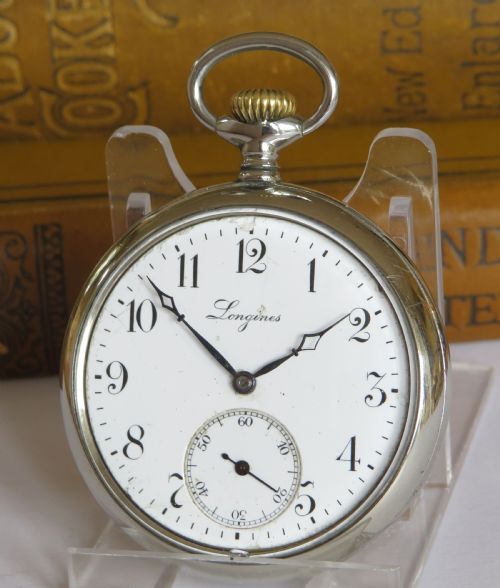
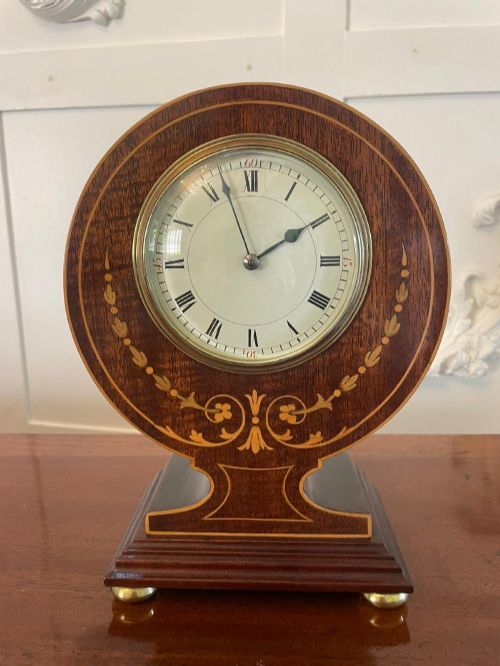
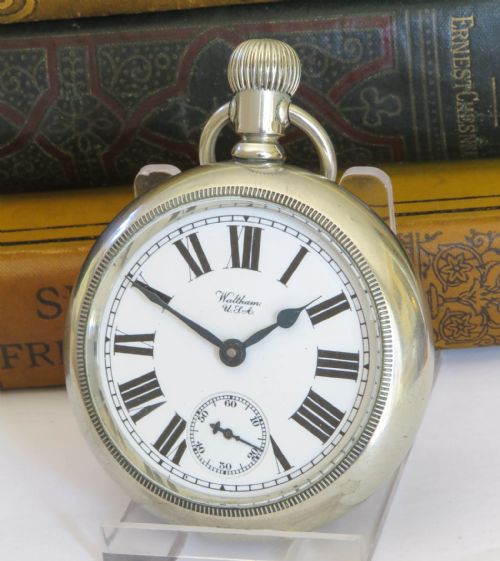
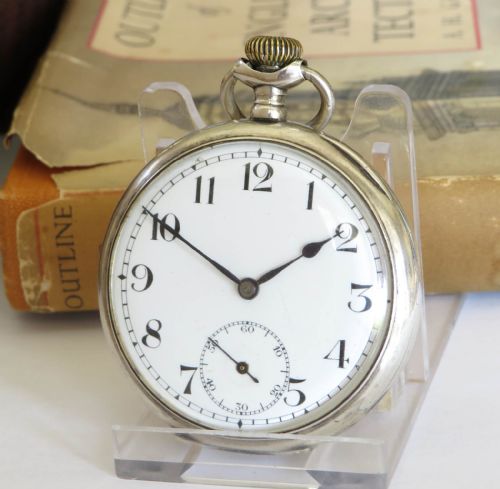
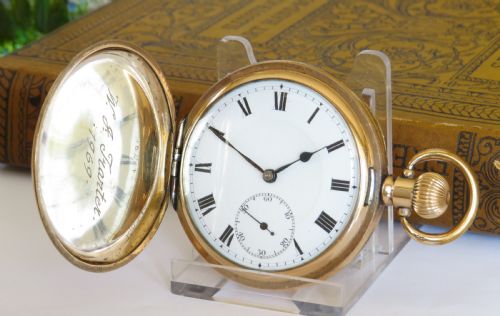
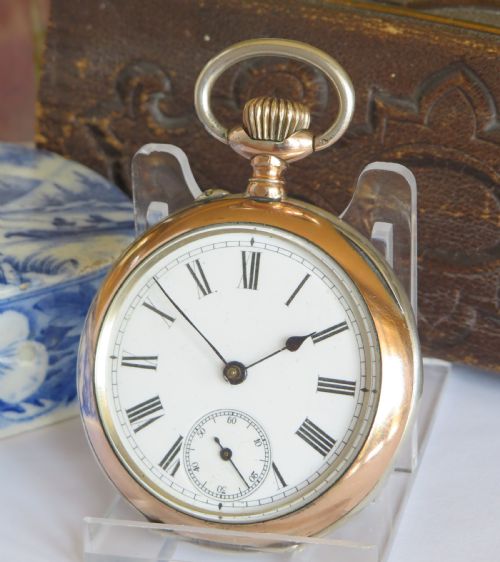
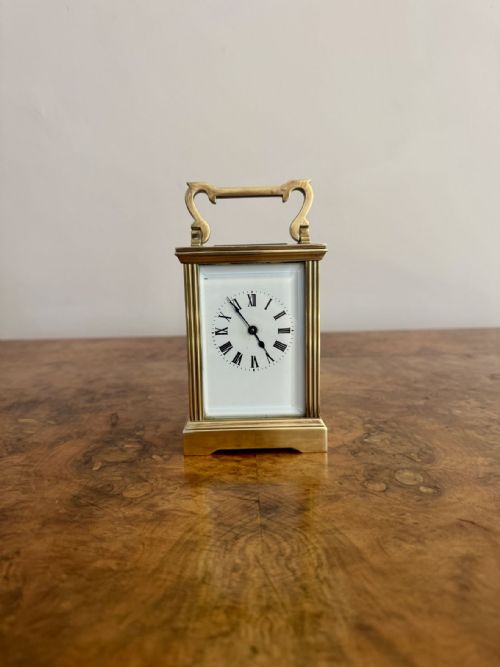
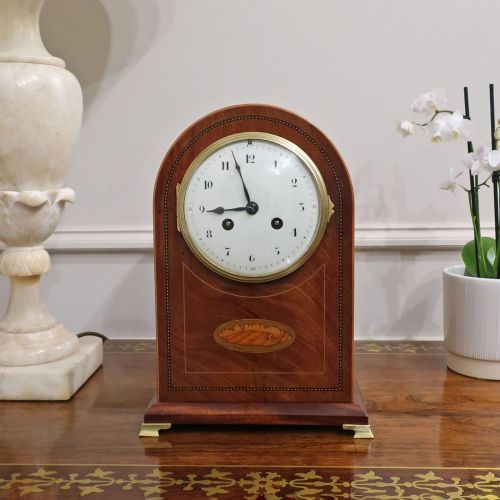
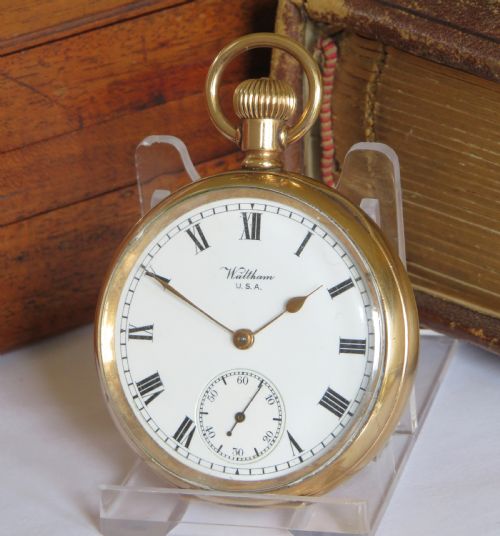
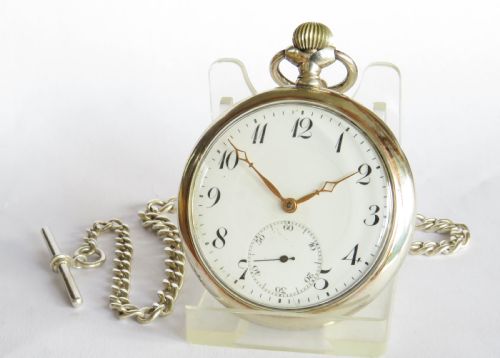
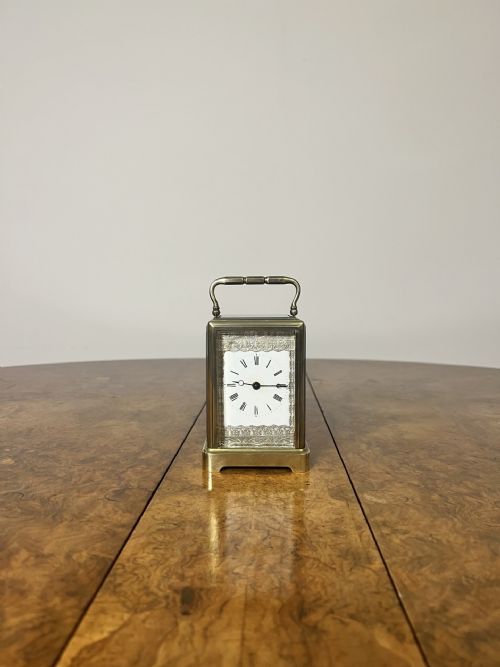
An edwardian timekeeper encompasses portable watches and stationary clocks spanning the late nineteenth and early twentieth centuries. The selection on this page centres heavily on domestic mantel clocks, portable carriage clocks, wall-hanging dials, and pocket watches.
The carriage clocks and mantel clocks dominate the domestic forms, frequently appearing in brass, mahogany, and inlaid woods. Pocket watches carry railway and fraternal associations, alongside gilt and silver cases from active periods of manufacture.
While the era leans towards Edwardian and Victorian aesthetics, items span from the late nineteenth century through to the Art Deco period of the 1930s. Buyers will encounter both French and English workmanship across these diverse domestic and personal categories.
How they were made
Cabinet makers utilised solid and veneered timbers including mahogany and satinwood, often embellishing surfaces with delicate stringing and marquetry inlays. Dial surrounds frequently incorporated enamel faces, brass bezels, and glass inspection panels.
Metalworkers shaped heavy brass and silver into robust carriage frames and pocket watch cases, sometimes applying silver gilt or hammered finishes. Fusee movements and standard spring-driven mechanisms were carefully housed within these protective exterior structures.
Several watches carry specific railway and fraternal society issue marks, hinting at hurried shifts on nineteenth-century platforms.
What varies in quality
The distinction between standard production items and superior examples lies in the refinement of the movement and the crispness of the case decoration. High-tier pieces feature fully engraved platforms, repeating mechanisms, or detailed marquetry inlay on select timbers.
Subtleties in dial artistry, such as hand-painted floral motifs or masked enamel chapters, elevate the visual standard. The integrity of the original case materials and the precision of the mechanical assembly dictate the overall standing of each piece.
Waltham·Urania·J Batson and Son·W Burton·H W Bedford London·Dent of London·Goldsmiths·Patek Philippe
The Edwardian Timekeeper Glossary
- Carriage clock
- A small, portable spring-driven clock designed for travel, traditionally featuring a glass-panelled brass case and a swinging handle. These pieces often contain lever escapements.
- Fusee
- A conical pulley used in clock and watch movements to equalise the torque of the mainspring as it unwinds. This mechanism ensures more consistent timekeeping throughout the power reserve.
- Full hunter
- A pocket watch fitted with a spring-loaded metal cover that protects the glass dial face from scratches and impact. The cover is released via a push-piece on the crown.
- Mantel clock
- A domestic clock designed to stand upon the shelf or mantelpiece above a fireplace. They appear in various timber cases, particularly mahogany and walnut.
- Single fusee
- A specific fusee movement driving only the timekeeping train without incorporating striking or chiming complications. It represents a simpler, reliable mechanical arrangement.
- Drop dial
- A wall-hanging clock featuring a circular dial above an extended wooden trunk or drop box that houses the pendulum. This form was widely utilised in offices and railway stations.
Edwardian Timekeeper: Frequently Asked Questions
What is a carriage clock?
A carriage clock is a portable timepiece originally built for travellers, housed in a brass frame with glass panels so the movement can be observed from all sides. They usually feature a swing handle on top and a small platform escapement.
These clocks were designed to sit securely in luggage or on hotel tables, combining robust mechanical protection with refined desk presentation.
How do I wind a mantel clock?
Winding requires inserting the appropriate key into the dial arbours and turning gently until firm resistance indicates the mainspring is fully tensioned. Care must be taken not to overwind the mechanism.
Most domestic spring-driven models require attention weekly, while fusee movements maintain consistent timekeeping characteristics as the power unwinds.
Were pocket watches used on railways?
Railway pocket watches were issued to staff to ensure precise train scheduling and operational safety across the network. Companies often stamped specific railway names and issue numbers directly onto the case or movement.
These timepieces needed to maintain strict accuracy under daily working conditions, resulting in robust lever escapements and clear enamel dials.
How do I date a wooden mantel clock?
Dating involves examining the timber selection, inlay style, dial materials, and movement construction conventions of the period. Edwardian pieces often display mahogany with satinwood stringing, whereas later 1930s examples shift towards walnut and geometric Art Deco silhouettes.
Maker signatures or retailer marks stamped on the backplate also provide reliable chronological markers.