




Edwardian Timber Mirror
Edwardian timber mirror designs span simple oak frames and elaborate gilt plaster pieces, bringing period warmth to any room.
Edwardian Timber Mirror
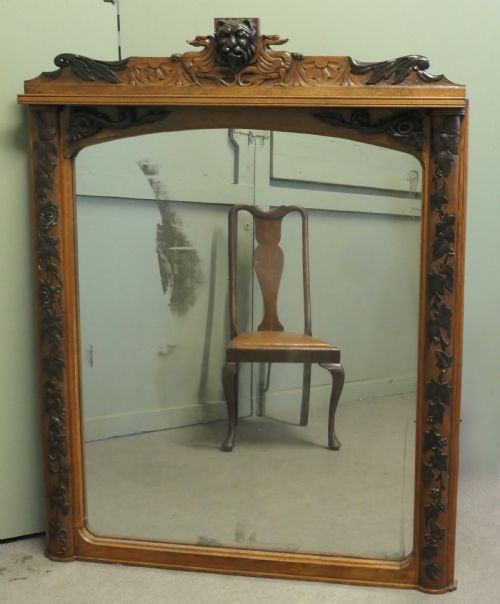
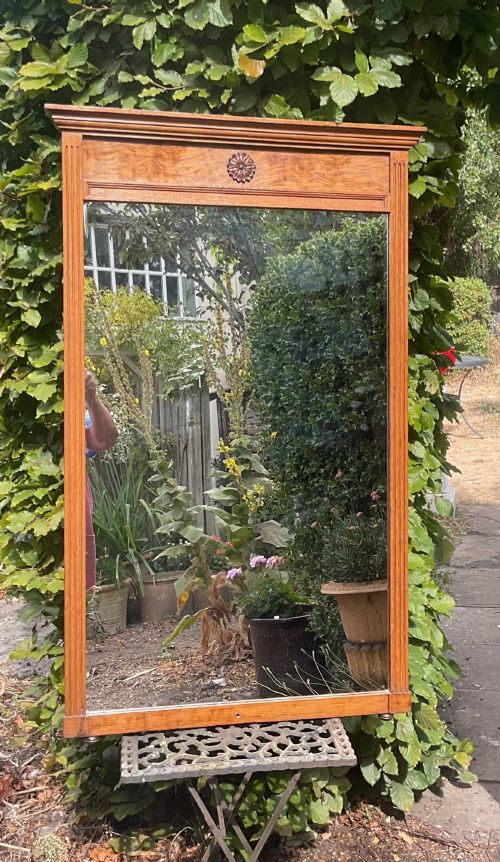
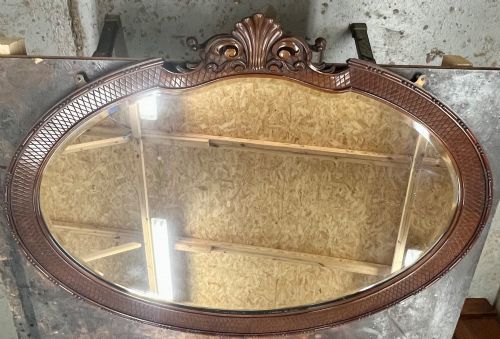
When you search for an edwardian timber mirror, you encounter wall mirrors, overmantel pieces, and cheval glasses built from solid and veneered woods. The pieces on this page range from plain oak and mahogany frames to heavily carved walnut and satinwood creations.
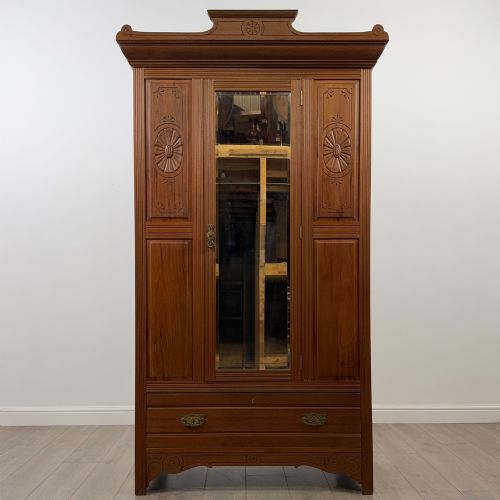
While the label points directly to the Edwardian period and early twentieth century, the inventory also stretches into late Victorian eras and the 1930s. You will frequently find timber gilt mirrors alongside simpler domestic dressing mirrors and larger hall stand attachments.
How they were made
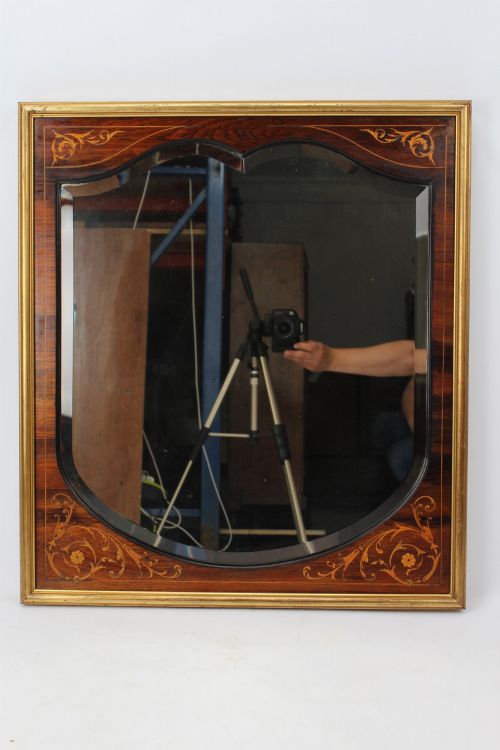
Craftsmen utilised native and exotic timbers including oak, mahogany, satinwood, and walnut, often applying boxwood inlay or gilt plaster embellishments. Frames were constructed using traditional joinery methods to house heavy glass plates securely.
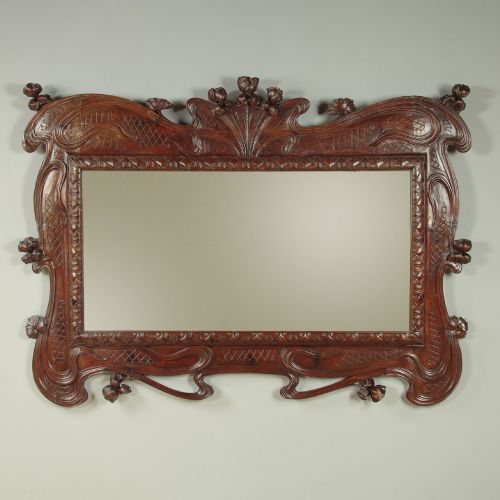
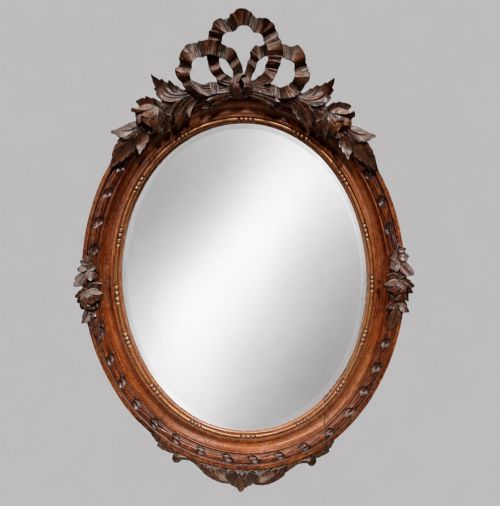
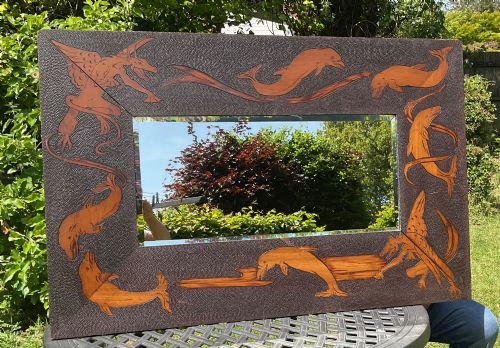
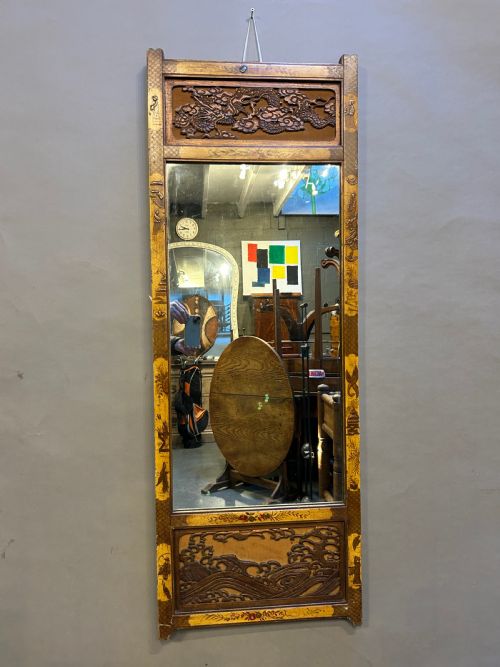
Carving was executed by hand on many examples, particularly those influenced by Art Nouveau, Arts and Crafts, or Rococo revival styles. Surface finishes ranged from polished natural grain to painted and gilded treatments.
Listings feature woods such as oak, mahogany, satinwood, walnut, rosewood, maple, and padauk across various periods.
What varies in quality
The standard of timber selection and the crispness of hand carving set superior examples apart from standard domestic pieces. Timber grain continuity and the depth of inlay work indicate the maker's investment of time and skill.
Original glass plates showing correct ageing and heavy, stable frame construction distinguish better pieces. The integration of decorative elements like gilt plaster or brass hardware also dictates the overall merit of the mirror.
The Edwardian Timber Mirror Glossary
- Overmantel mirror
- A large mirror designed to hang specifically above a fireplace mantelpiece. These pieces often feature wide timber frames and heavy proportions.
- Cheval mirror
- A freestanding full-length mirror suspended on a pivoting vertical frame. They allow the glass to tilt to various angles.
- Satinwood
- A durable hardwood with a lustrous, satin-like sheen, frequently utilised for fine Edwardian furniture and inlaid decoration. It takes a high polish.
- Gilt plaster
- Plaster moulding applied to a timber substrate and coated with gold leaf or metallic paint. This technique created ornate Rococo or classical relief work.
- Inlay
- A decorative technique where contrasting pieces of wood or other materials are inserted into recesses in the primary timber surface. Boxwood and rosewood were popular choices for this work.
Edwardian Timber Mirror: Frequently Asked Questions
How do I date an edwardian timber mirror?
Dating relies on identifying the characteristic design motifs, construction methods, and timber types associated with the period. Arts and Crafts or Art Nouveau influences often point toward the early twentieth century.
Secondary clues include the backing boards, screw types, and the condition of the silvering on the glass. Comparing the frame style to dated pieces in the archive helps narrow down the decade.
Where should I hang a large timber mirror?
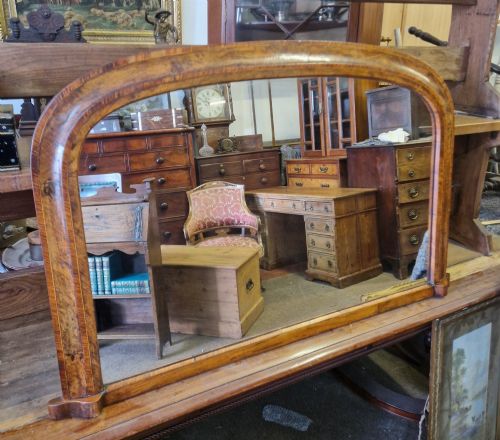
Large overmantel mirrors belong above a fireplace where they can reflect light and anchor the room's main focal point. Hallways and living rooms also suit substantial wall-hung timber frames.
Ensure the wall structure and fixings can support the combined weight of the timber frame and glass plate. Placing them opposite windows maximises natural light distribution.
Are these mirrors made of solid wood?
Many frames utilise solid woods like oak or mahogany, particularly simpler domestic and Arts and Crafts examples. Other pieces employ timber veneers applied to a secondary wood substrate.
Veneering allowed makers to display attractive grain patterns, such as figured walnut or satinwood, without the instability of massive solid boards.
How do I clean an antique wood frame?
Dust the timber gently with a soft, dry cloth to remove surface particles without disturbing the finish. Avoid modern chemical sprays that can damage historic polishes and waxes.
If the wood requires feeding, apply a traditional beeswax sparingly and buff it gently. Keep moisture away from the edges of the glass plate to prevent silvering degradation.