



Edwardian Architectural Mirror
These edwardian architectural mirror pieces bring structural presence and depth to a room, offering the classic forms that collectors prize.
Edwardian Architectural Mirror
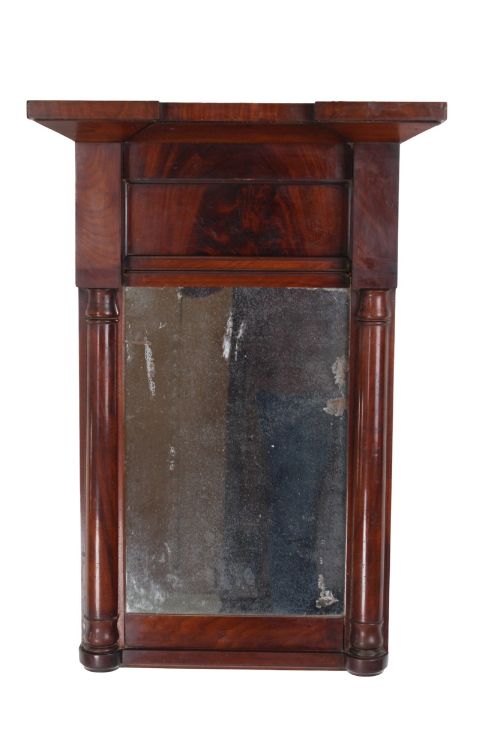
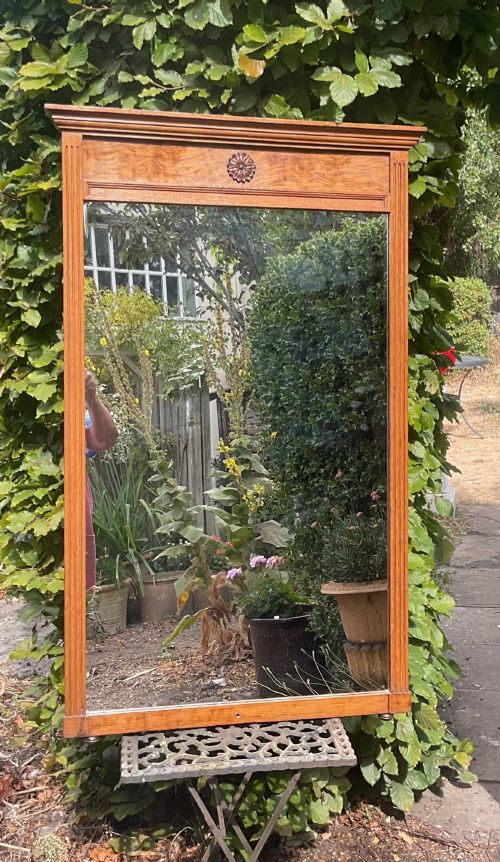
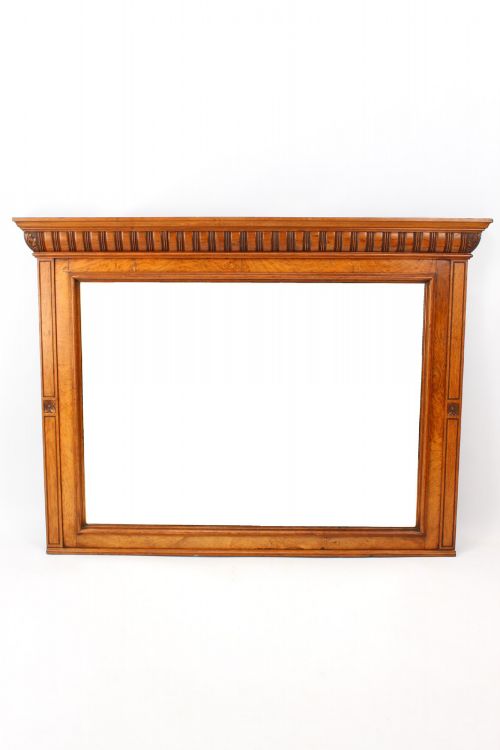
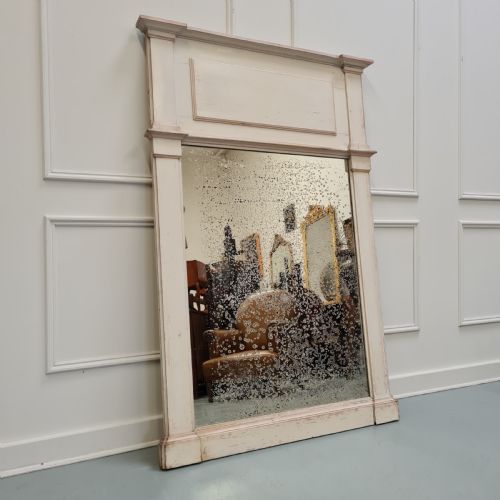
When you search for an edwardian architectural mirror, you encounter substantial framing that borrows classical building motifs to anchor a wall. The selections span overmantel mirrors, wall mirrors, and fire surrounds in various scales.
You meet pieces originating across the nineteenth and early twentieth centuries, including Victorian, Regency, and Edwardian periods. Revival styles such as Regency Revival, Rococo Revival, and French Provincial frequently shape the designs.
The dominant forms are grand overmantel mirrors and pier mirrors suited to reception rooms. Oak, mahogany, and painted or gilded wood provide the structural foundation for these large looking glasses.
How they were made
Carved wood provides the structural base for many frames, utilising oak and mahogany for robust joinery. Artisans applied gesso over the wooden substrate to build up relief ornamentation.
Gold leaf and composition layers were then applied to create gilded finishes that catch the light. Paint and giltwood treatments define the decorative surfaces across nineteenth-century examples.
Some overmantel mirrors are so large they require two people just to change their mind about where they lean.
What varies in quality
The crispness of the carved detail and the depth of the gesso work separate standard production from finer craftsmanship. Piercing and undercutting in wooden foliage show the hand of a skilled carver.
The integrity of the original gilding and the preservation of early glass plates influence the character of the piece. Integrated composition ornament requires careful handling to survive intact over generations.
The Edwardian Architectural Mirror Glossary
- Overmantel mirror
- A large glass designed specifically to hang above a fireplace mantelpiece. These pieces often span the width of the fireplace below.
- Trumeau mirror
- A decorative wall mirror featuring an upper painted or carved panel combined with the glass plate below. French Provincial examples often utilise this format.
- Pier mirror
- A tall, narrow looking glass built to hang on the wall space between two windows. Regency examples often employ mahogany for this purpose.
- Gesso
- A plaster mixture applied to wood frames to create a smooth surface for gilding. It allows for intricate moulded relief work.
- Giltwood
- Timber that has been coated with thin gold leaf or gold paint. It provides a reflective surface that brightens dark rooms.
Edwardian Architectural Mirror: Frequently Asked Questions
Where should I hang an architectural mirror?
These large looking glasses traditionally sit above a fireplace mantel or on a central drawing room wall. Their substantial framing demands a wall capable of supporting significant weight.
Positioning them opposite a window helps bounce natural light deeper into the space, which expands the visual boundaries of smaller rooms.
How do I care for antique giltwood frames?
Dust the carved surfaces gently with a dry, soft brush to remove accumulation without disturbing fragile gesso or gold leaf. Avoid commercial cleaning liquids entirely, as moisture strips historical finishes.
Keep the mirrors away from direct heat sources such as radiators to prevent the wooden substrate from warping and the gesso from cracking.
What defines Regency Revival style?
Regency Revival pieces draw inspiration from the early nineteenth-century aesthetic, favouring clean classical lines and rich timbers like mahogany. They reintroduce neoclassical motifs with disciplined restraint.
This style often appears in pier mirrors and wall mirrors created later in the Victorian or Edwardian eras.