


Edwardian Target Ring
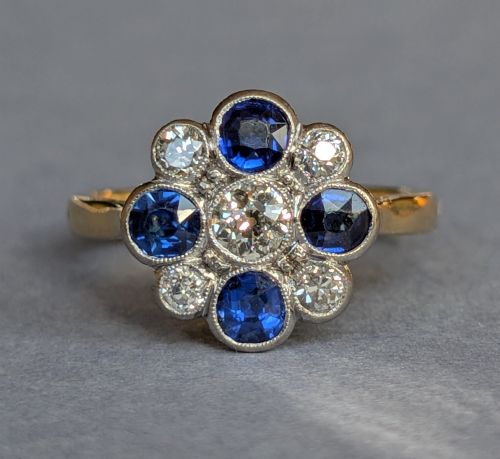
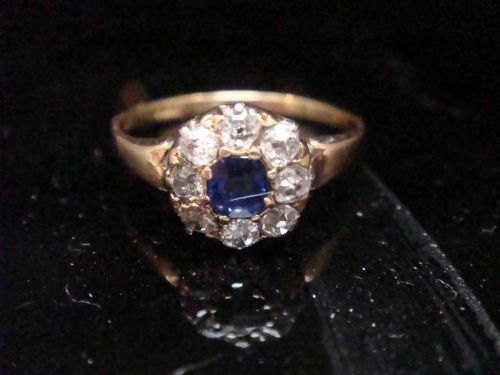
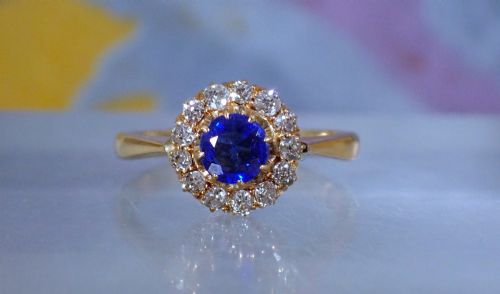
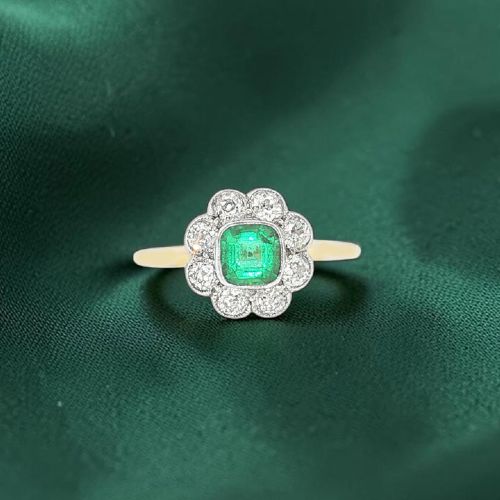
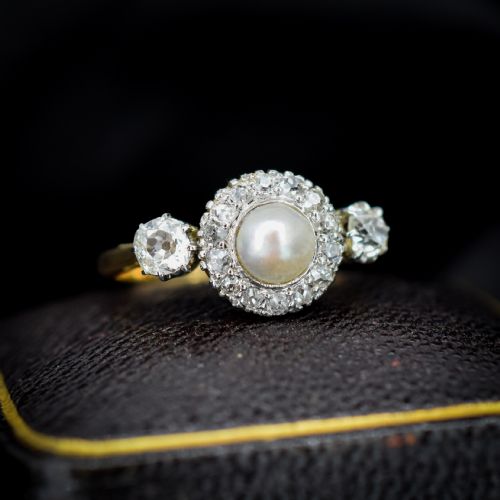
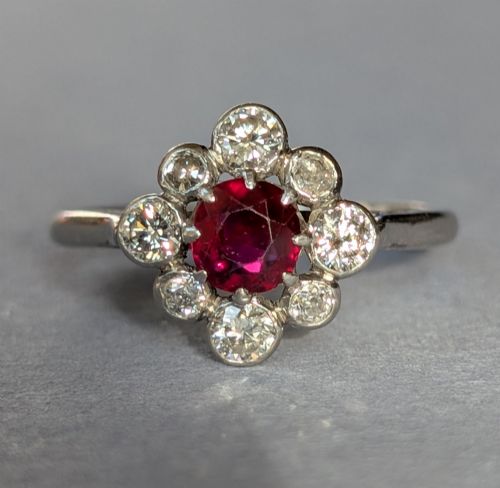
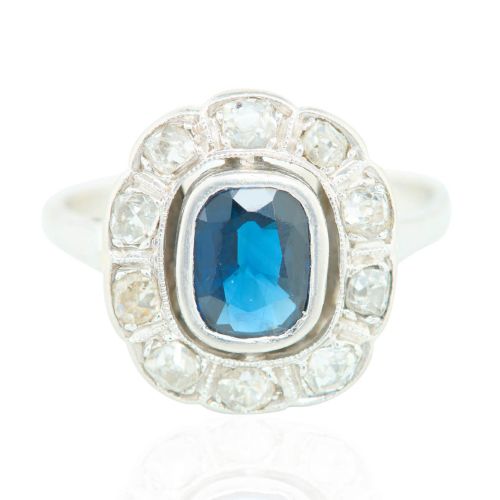
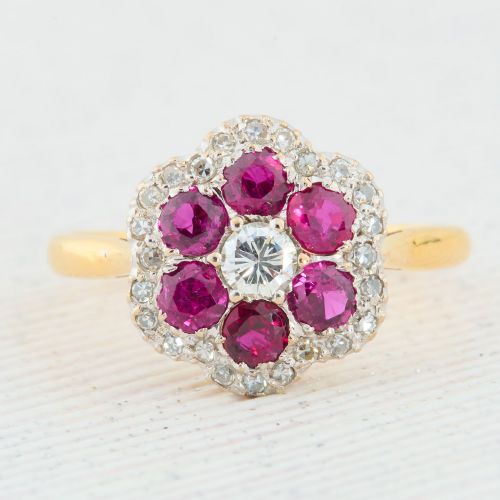
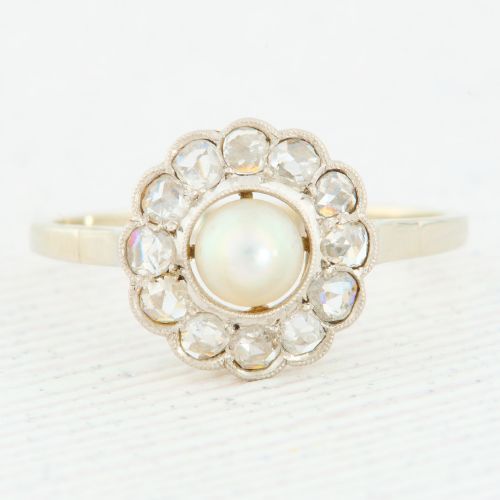
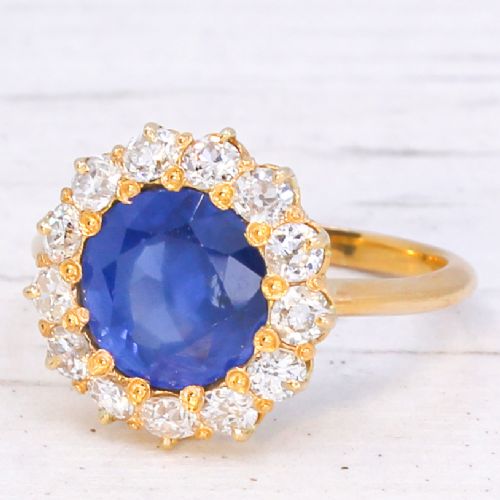
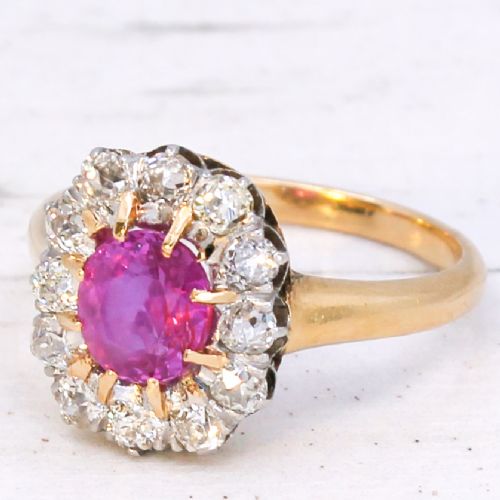
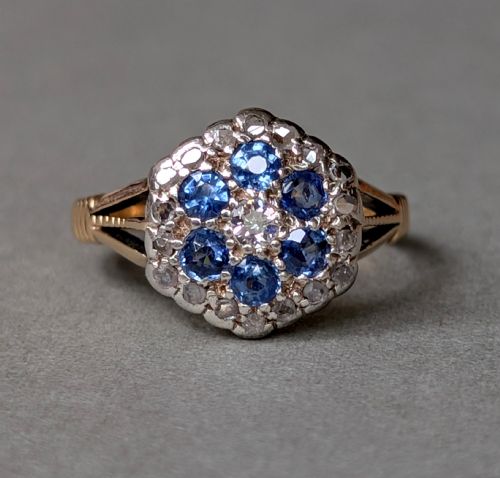
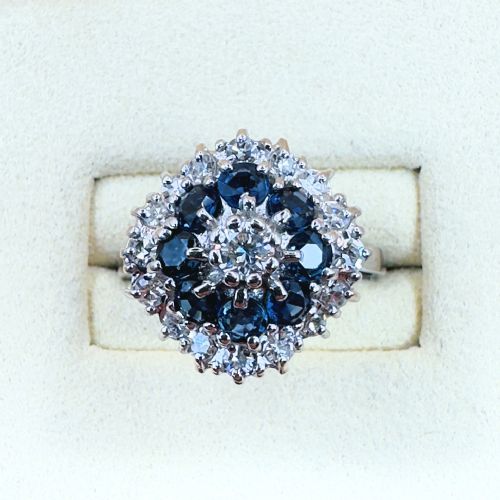
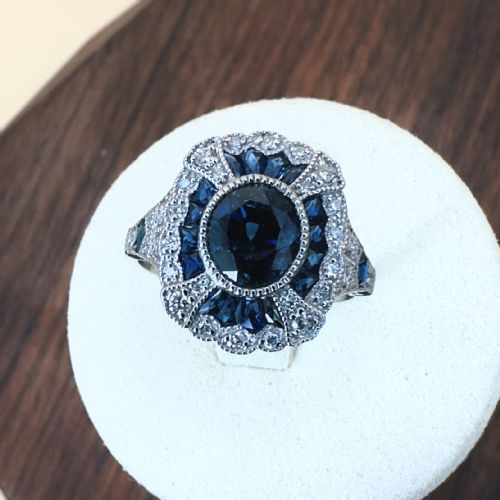
An edwardian target ring centres a bright gemstone within concentric borders of contrasting stones, creating a concentrated focal point on the finger.

Edwardian Target Ring
Most examples originate from the Edwardian period or the subsequent Art Deco era, with additional pieces spanning the early to mid-twentieth century. The layout echoes a bullseye motif, balancing geometric precision with floral motifs.
Yellow gold forms the foundation of earlier pieces, frequently paired with platinum settings to enhance the brilliance of the stones. White gold and platinum dominate the later iterations.
Materials and construction
Jewellers utilised durable mounting metals such as platinum and eighteen carat gold, encompassing both yellow and white variations, to secure intricate gemstone arrangements. Platinum settings permitted finer claws and millegrain edges, holding old cut diamonds alongside calibrated sapphires, rubies and emeralds.
The integration of natural pearls and unheated sapphires highlights the period preference for organic gems alongside precision-cut stones. Artisans constructed these mountings by hand, combining gold shanks with platinum gallery work to maximise light entry through the concentric tiers.
Edwardian Target Ring Retail Price Guide 2026
Typical asking prices for edwardian target ring among the pieces listed under this phrase on Sellingantiques today, from the lower quarter to the upper quarter. They describe what is for sale here now, not the wider market.
Listings demonstrate materials ranging from platinum and eighteen carat yellow gold to pearls, rubies, emeralds and unheated Burmese pink sapphires.
Quality variations in the design
Distinctions across the range depend upon the calibre of the central gemstone and the precision of the concentric tiers. Superior specimens exhibit perfectly matched stone sizes, uniform colour saturation in sapphires or emeralds, and crisp millegrain detailing along the platinum bezels.
The selection of old cut diamonds with desirable proportions elevates a piece above standard production. Construction solidity also dictates worth, as heavier gold shanks and intact gallery work demonstrate superior original craftsmanship.
The Edwardian Target Ring Glossary
- Target ring
- A circular cluster ring featuring concentric rings of gemstones resembling a bullseye. This geometric layout defines the classic style.
- Millegrain
- A decorative technique featuring a row of tiny raised metal beads along the edge of a setting. It softens harsh metal lines with delicate texture.
- Old cut diamond
- A hand-faceted diamond cut before modern machinery standardised proportions, typically possessing a small table and high crown. These stones produce a warm candlelit sparkle.
- Calibré cut
- Small gemstones shaped specifically to fit closely together in a geometric channel or border. This method creates continuous lines of colour without visible gaps.
- Cluster ring
- A ring design where a central stone is surrounded by a group of smaller secondary stones. It maximises visual impact on the hand.
Edwardian Target Ring: Frequently Asked Questions
How do I wear a target ring daily?
These rings suit daily wear provided you remove them during heavy physical tasks to protect the claw settings.
Regular gentle cleaning in warm soapy water maintains the sparkle of the concentric stone layers.
What is the difference between Edwardian and Art Deco target rings?
Edwardian examples tend to feature warmer yellow gold bands combined with platinum-topped settings and delicate floral motifs.
Art Deco versions lean towards geometric symmetry, using platinum and white gold exclusively with calibre-cut border stones.
Are pearls durable enough for a ring?
Natural pearls set into these rings require careful handling because organic material reacts to moisture, cosmetics and harsh cleaning chemicals.
Checking the security of pearl settings periodically prevents loss during regular use.
How can I tell if a sapphire is unheated?
Gemmological laboratory certificates provide definitive proof of whether a sapphire has undergone thermal enhancement.
Visual examination alone cannot confirm natural untreated origin in these historic stones.