
Edwardian Cluster Dress Ring
An edwardian cluster dress ring brings together brilliant central gemstones and surrounding diamonds in a delicate setting designed to catch the light on the finger.

Edwardian Cluster Dress Ring
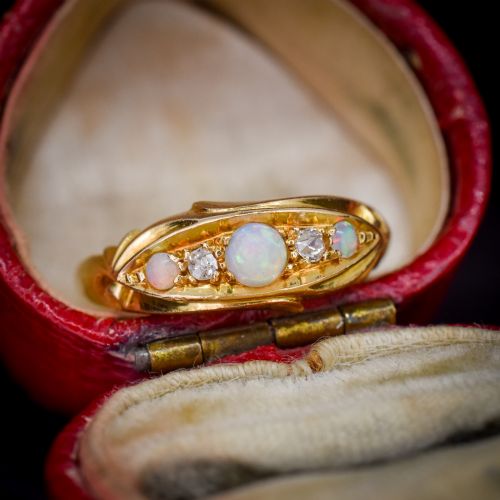
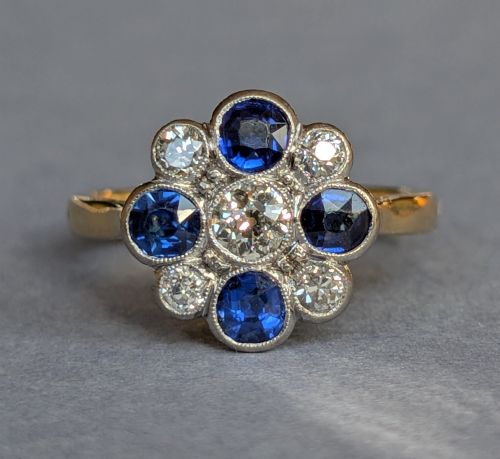
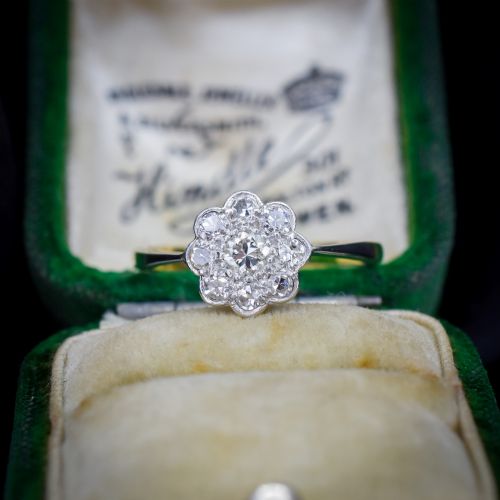
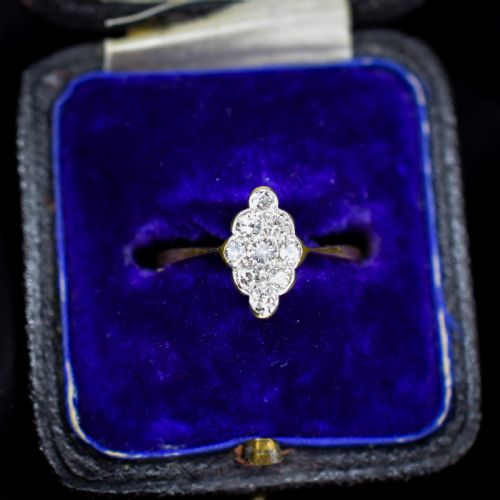
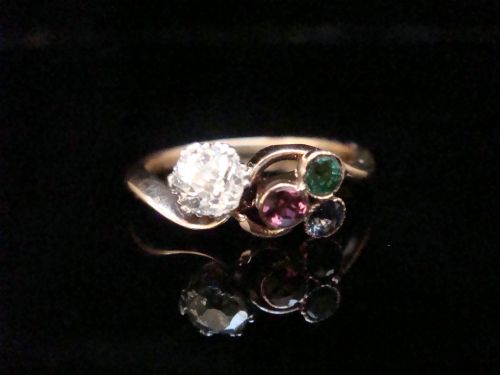
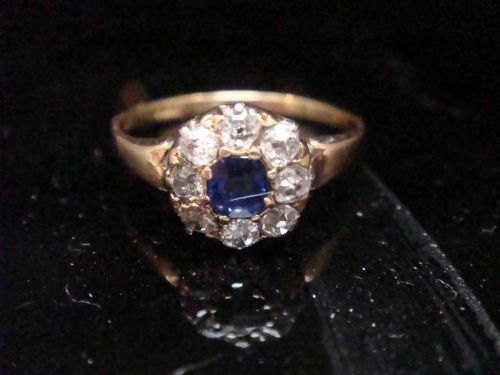
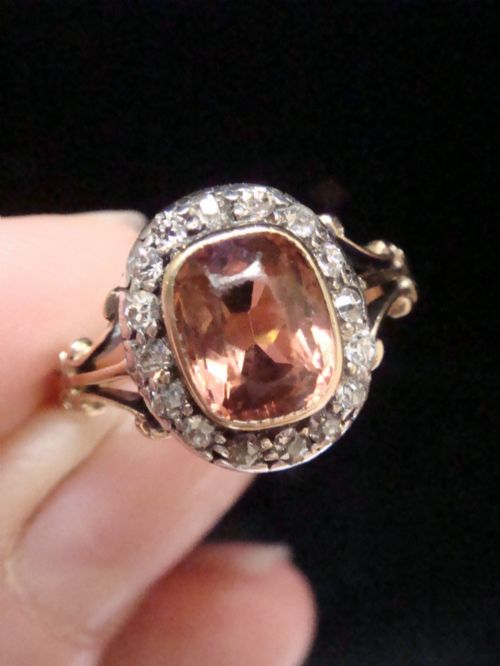
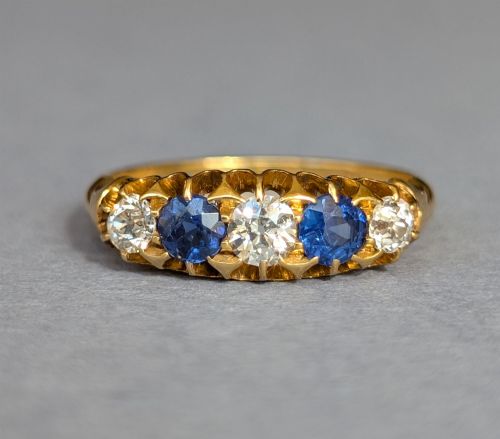
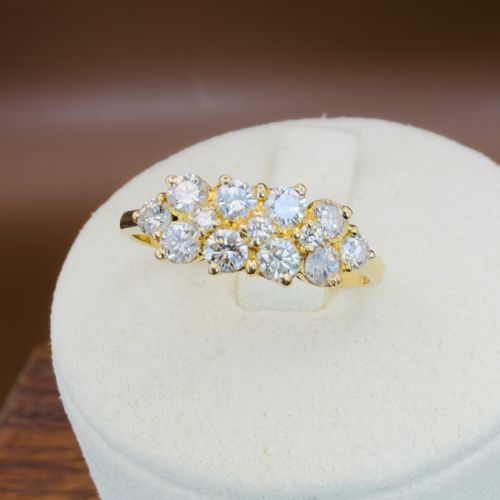
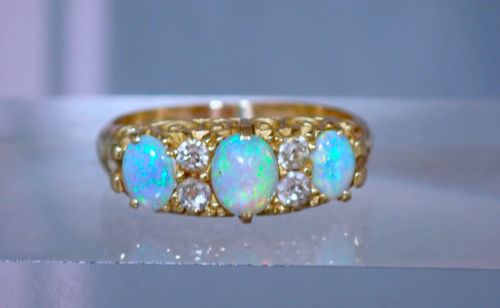
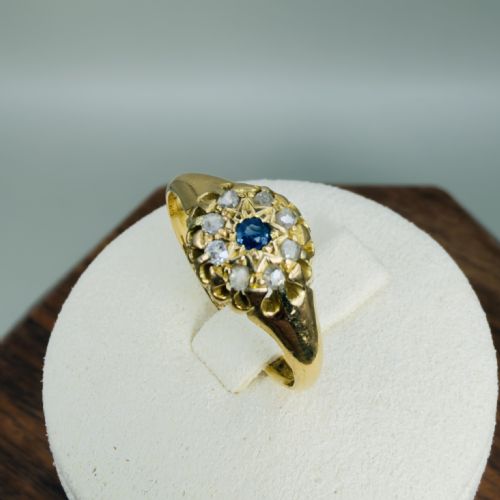
When searching for an edwardian cluster dress ring, collectors encounter pieces defined by central gemstones encircled by smaller diamonds, forming distinct floral, daisy, or geometric arrangements.
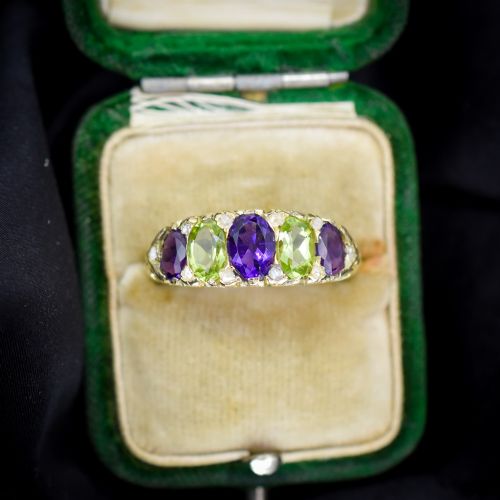
The pieces on this page span the Edwardian era alongside overlapping Victorian, Art Deco, and mid-century periods, capturing diverse stylistic interpretations of cluster and multi-stone finger ornaments.
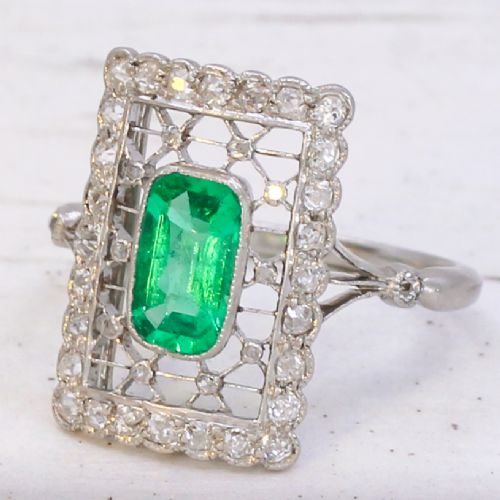
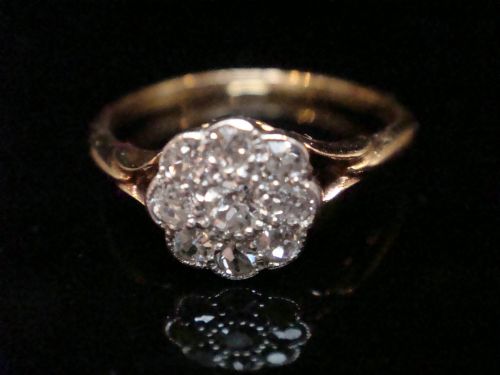
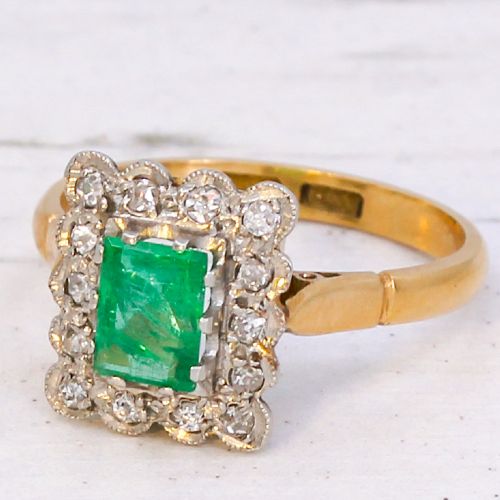
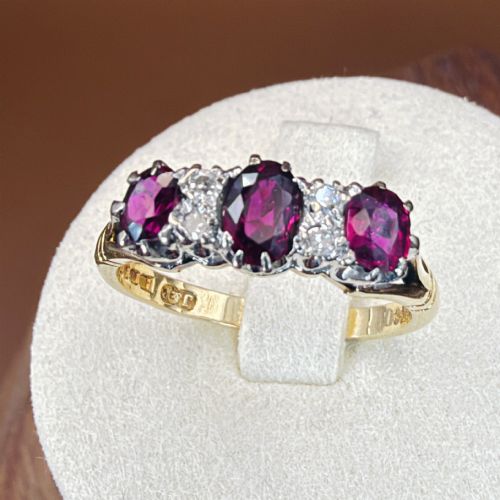
Common forms include traditional round daisy clusters alongside elongated navette and boat rings, utilising 18ct gold, yellow gold, and platinum to mount sapphires, rubies, emeralds, and diamonds.
Materials and Technique
Goldsmiths utilised 18ct gold for structural shank and gallery components, frequently pairing yellow gold with platinum top settings to heighten the brilliance of mounted diamonds.
Gemstones feature old cut and old mined cut diamonds alongside natural sapphires, emeralds, rubies, and pearls, secured in close-setting techniques typical of the period.
Current listings feature 18ct yellow gold, platinum, and white gold, incorporating sapphires, rubies, emeralds, citrines, tourmalines, and pearls alongside diamonds.
Factors of Quality
Distinctions across the range stem from the matching, saturation, and natural origin of central gemstones like unheated Burmese sapphires or Colombian emeralds, alongside the purity of the surrounding old cut diamonds.
The fineness of the metalwork, particularly the delicacy of platinum claw settings and the precision of the cluster symmetry, separates standard workshop production from finer examples.
The Edwardian Cluster Dress Ring Glossary
- Cluster ring
- A ring featuring a prominent central stone encircled by a border of smaller gemstones, often diamonds. This arrangement maximises surface brilliance and perceived scale on the hand.
- Navette
- A boat-shaped or marquise-shaped silhouette tapering to points at either end. This elongated form sits gracefully along the length of the finger.
- Old cut
- A diamond facet configuration hand-polished before modern standardised cutting machinery was developed. These stones possess smaller tables and higher crowns that produce a distinctive candlelit sparkle.
- Daisy cluster
- A circular arrangement of round gemstones resembling the petals of a flower surrounding a central stamen. This popular floral configuration dates across multiple antique periods.
Edwardian Cluster Dress Ring: Frequently Asked Questions
What defines an Edwardian cluster ring?
An Edwardian cluster ring typically combines a central sapphire, ruby, emerald, or diamond framed by smaller old cut diamonds in an 18ct gold and platinum setting.
These pieces reflect the light, airy aesthetic popular during the early twentieth century, moving away from heavier Victorian jewellery designs.
How should I care for an antique ring?
Antique rings require gentle handling, avoiding harsh chemical cleaners or ultrasonic baths that might damage softer natural gems like pearls or emeralds.
Regular inspection by a jeweller helps ensure the delicate claws holding the cluster stones remain secure during everyday wear.
Are these rings suitable for daily wear?
While 18ct gold and platinum provide durability, older settings benefit from mindful wear during activities that might subject the ring to heavy knocks.
Taking the ring off prior to manual work or swimming preserves the integrity of the original claw settings and delicate shoulders.
How do I identify the period of a ring?
Dating relies on a combination of gemstone cutting styles, mounting techniques, hallmarks, and the overarching design characteristics seen in the gallery.
Old cut diamonds and platinum-topped gold point towards the Edwardian era, whereas geometric symmetry often indicates later Art Deco influences.