


French Art Deco Ring
A french art deco ring delivers geometric precision and bold gemstone combinations through enduring platinum and gold mountings.
French Art Deco Ring
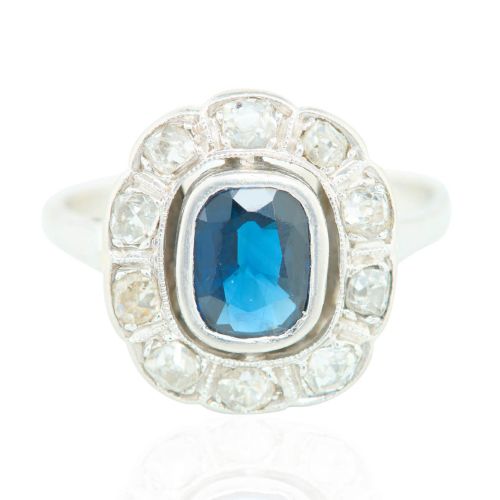
A french art deco ring embodies the geometric and modernist spirit of the interwar decades, prioritising symmetrical lines and stylised motifs over Victorian floral excess. These pieces include engagement rings, dress rings, cluster rings and tailored tank rings originating from workshops operating during the nineteen twenties and nineteen thirties.
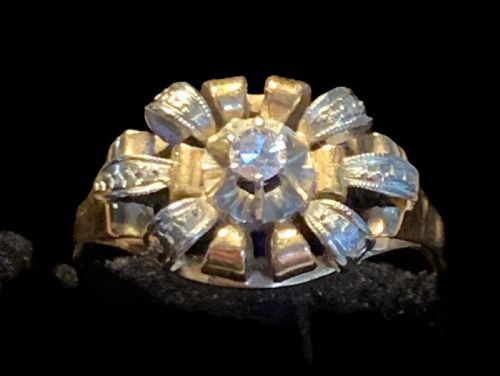
Buyers encounter platinum and eighteen carat white gold mountings set with diamonds, sapphires, rubies and emeralds. The surviving examples showcase varied cluster, plaque, target and solitaire configurations designed to sit low upon the hand.
How They Were Made
Jewellers utilised platinum alongside eighteen carat yellow and white gold to construct lightweight yet robust frameworks capable of securing intricate gemstone arrangements. Metalwork often involved millegrain edging, where tiny raised beads of metal decorated the perimeters of bezels and settings.
Gemstones were cut into specific calibré, baguette, transitional and old European shapes to fit tightly within geometric channels and pavé surfaces without visible gaps.
French Art Deco Ring Retail Price Guide 2026
Typical asking prices for french art deco ring among the pieces listed under this phrase on Sellingantiques today, from the lower quarter to the upper quarter. They describe what is for sale here now, not the wider market.
Geometric discipline meets fierce wildlife when a roaring bronze lion keeps vigil over the jewellery cases.
What Varies in Quality
The calibre of a piece depends upon the precision of the stone cutting and the uniformity of the calibré gems fitted into the metal channels. Hand-carved details and the crispness of the millegrain work distinguish workshop production.
Material selection dictates the tier of the jewellery, ranging from heavy platinum mountings set with certified large diamonds and unheated sapphires to lighter eighteen carat gold bands holding smaller rose cut stones.
The French Art Deco Ring Glossary
- Calibré-cut
- Small gemstones cut precisely into square, rectangular or trapezoid shapes to fit closely together in a geometric channel without metal separations between them.
- Millegrain
- A decorative technique featuring a row of tiny raised metal beads along the edges of a setting, creating a textured border.
- Tank ring
- A style of ring inspired by military vehicle treads, featuring bold, stepped, three-dimensional geometric shoulders flanking a central stone.
- Target ring
- A circular cluster design featuring a central gemstone surrounded by concentric rings of contrasting coloured stones or smaller diamonds.
- Transitional cut
- A diamond facet arrangement utilised during the period bridging old mine cuts and modern brilliant cuts, possessing a smaller table and slightly larger culet.
French Art Deco Ring: Frequently Asked Questions
How do I identify a authentic french art deco ring?
Authentic pieces display hallmarks such as the eagle head for French platinum or the dog head for eighteen carat gold, alongside maker marks stamped on the exterior of the shank.
The manufacturing techniques, including hand-pierced gallery work and precise stone calibration, correspond directly to the production standards of the interwar decades.
Are these rings suitable for daily wear?
Platinum and eighteen carat gold mountings provide durability for everyday use when the structural integrity remains intact.
Settings featuring calibré-cut stones or delicate millegrain require periodic inspection by a jeweller to ensure the gems stay secure within their channels.
What is a tank ring?
Tank rings emerged during the nineteen thirties, drawing visual inspiration from military machinery with heavy, stepped shoulders and volumetric central settings.
This style combines polished metal surfaces with pavé diamond work to create an assertive architectural silhouette on the finger.
Which gemstones appear most often?
Diamonds serve as the primary focal point, frequently paired with calibré-cut blue sapphires, rubies and emeralds arranged in symmetrical contrasting patterns.
Less common configurations utilise aquamarines, jade, onyx or pearls set within platinum or white gold frameworks.