
Edwardian Table Tableware
These pieces of edwardian table tableware bring silver and glass to the dining surface, offering the specific utility and ornament desired for formal dining.
Edwardian Table Tableware
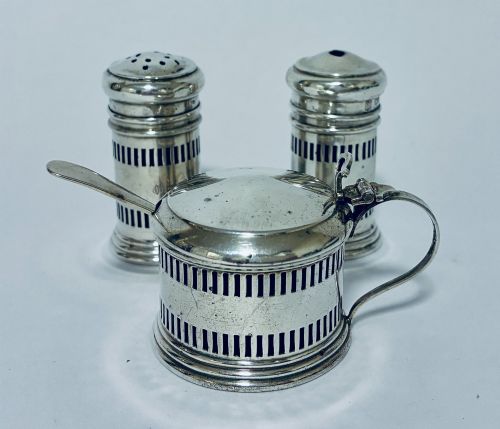
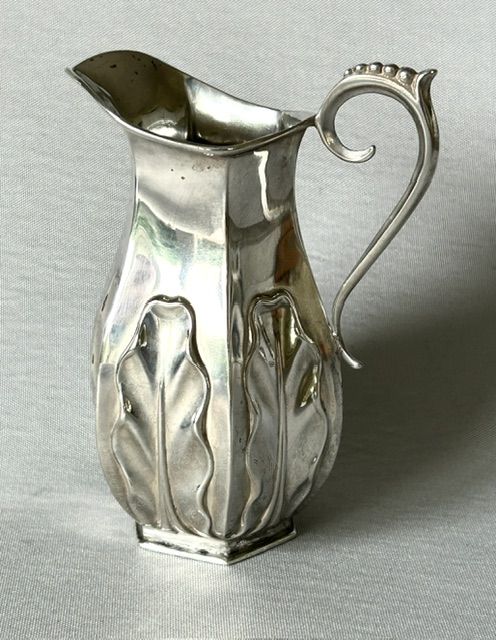
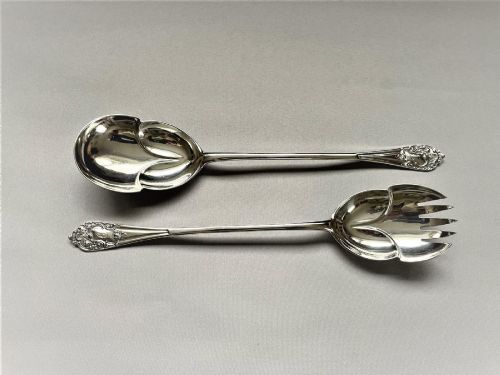
When you search for edwardian table tableware, you encounter items designed for serving, condiment organisation, and place setting at the dining table. The selection spans napkin rings, menu holders, cruet sets, serveware, sauce boats, knife rests, condiment sets, and toast racks.
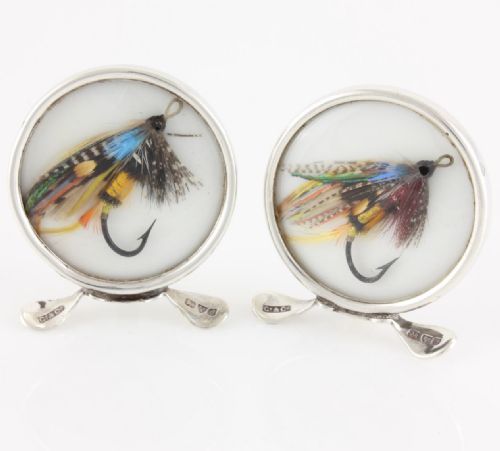
Sterling silver and silver plate dominate the material record, often paired with cut glass, velvet, silk, and leatherette. The forms represent a period extending from the late Victorian years through the Edwardian era and into the George V period, with occasional revivalist styles.
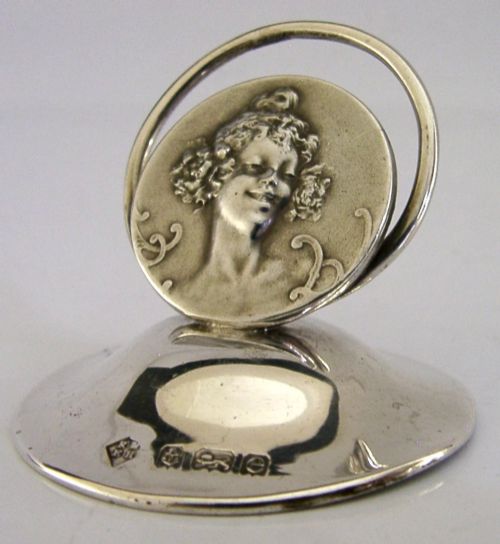
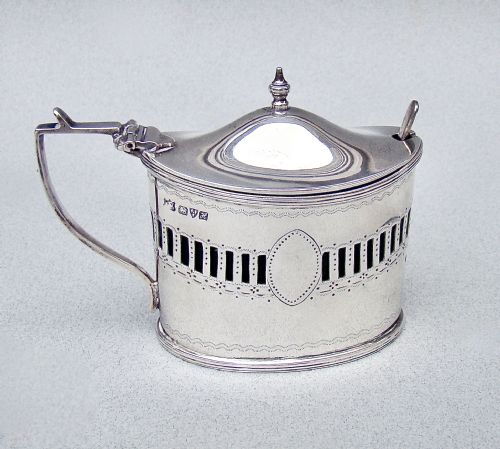
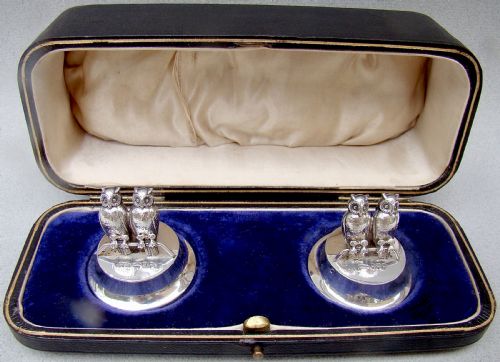
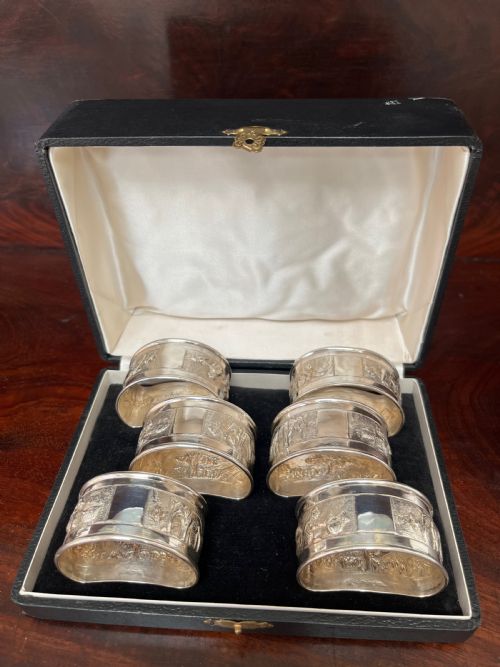
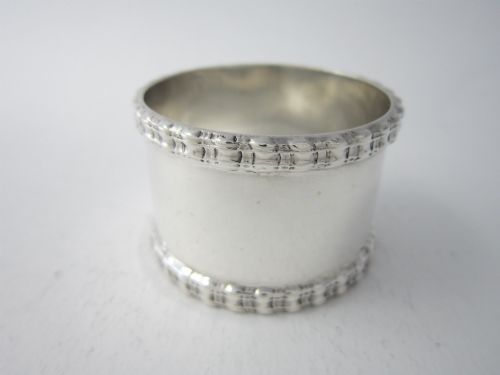
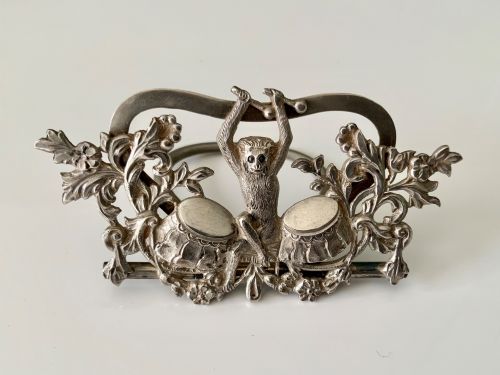
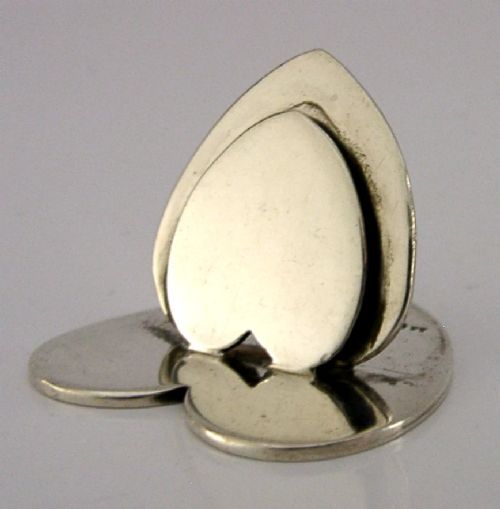
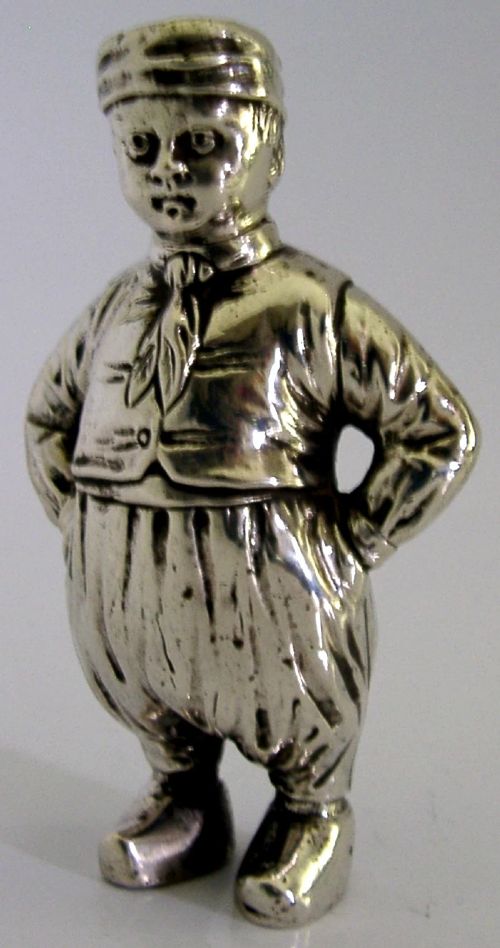
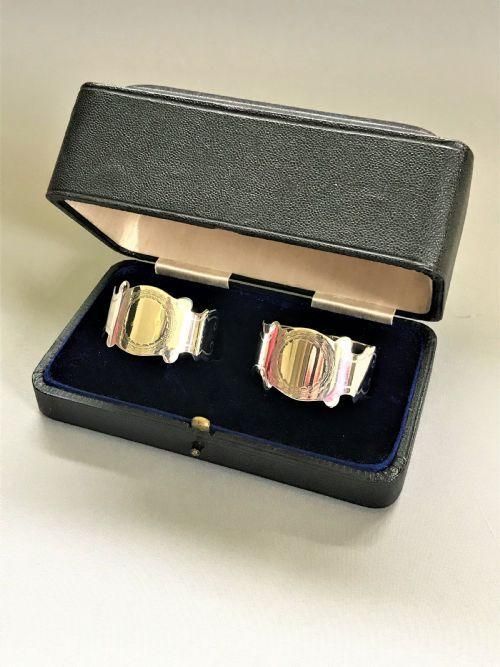
You are most likely to meet silver napkin rings in fitted presentation boxes, figural menu holders depicting animals or figures, and matched cruet sets for mustard, pepper, and salt. These objects reflect the formal dining habits of the early twentieth century.
Materials and construction
Silversmiths utilised sterling silver and silver plate as the primary structural mediums, shaping them through casting, piercing, embossing, and soldering. Silver plated items relied on a base metal foundation coated with a layer of silver.
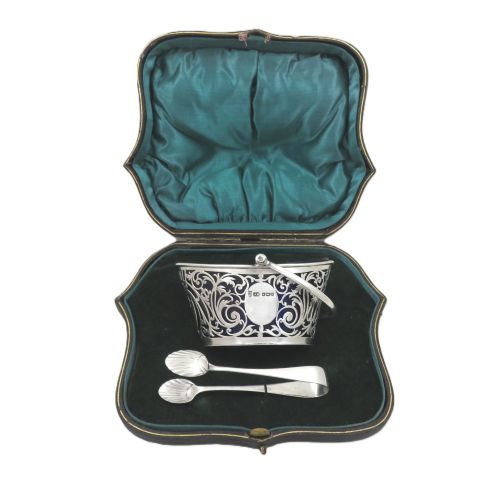
Cut glass containers were combined with silver mounts for cruets, pepper grinders, and condiment sets, requiring precise glass-cutting techniques and fitted metal collars. Presentation boxes incorporated internal linings of silk, velvet, and leatherette to house individual items securely.
Listings feature sterling silver and silver plate alongside cut glass, silk, and velvet across various Edwardian forms.
Distinctions in quality
The standard of execution separates standard production items from superior workshop output, visible in the crispness of chased details, the weight of the silver, and the precision of fitted joints. Novelty forms such as owls, monkeys, or figures show greater artistic input in the modeling than plain utilitarian pieces.
Completeness and original presentation elevate specific examples, particularly when items remain in their fitted silk or velvet lined cases with matching numbered rings or complete sets of condiments. The reputation of the maker, from independent silversmiths to established firms, influences the standing of individual pieces.
Alfred Marston·Levi & Salaman·Grey & Co.·Sampson Mordan·The Barker Brothers·Asprey & Co.·Mappin & Webb
The Edwardian Table Tableware Glossary
- Cruet set
- A collection of small bottles, jars, or castors for holding condiments such as oil, vinegar, salt, mustard, and pepper at the dining table. They frequently sit in a fitted silver or silver plated frame.
- Menu holder
- A small desk or table accessory designed to stand upright and display the menu card to diners. They are often cast in novelty shapes including animals and figures.
- Toast rack
- A metal framework with multiple upright divisions designed to hold slices of toast upright and prevent them from becoming soggy. They range from small domestic sizes to large multi-slice versions.
- Napkin ring
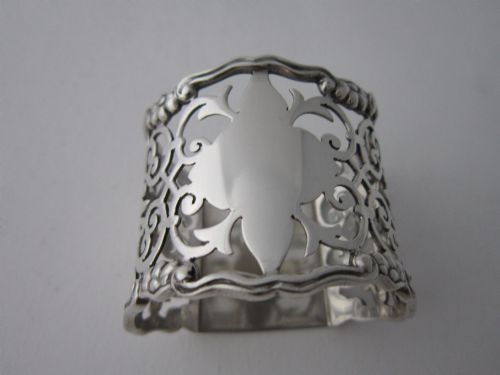
- A small band of silver, silver plate, or other material used to identify and store individual table napkins between meals. They often appear in matched sets of four, six, or more within presentation boxes.
- Sauce boat
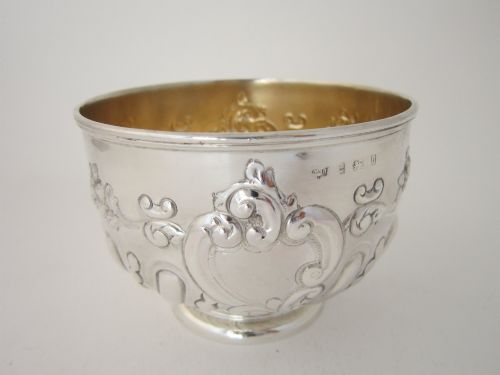
- An open vessel with a lip and handle, used for serving sauces or gravies during a meal. They frequently rest upon an integrated base or a separate stand.
Edwardian Table Tableware: Frequently Asked Questions
What is a cruet set used for?
A cruet set holds essential condiments and seasonings for the dining table, allowing guests to serve themselves during meals. The containers organise salt, pepper, mustard, or oil within reach.
In period settings, these sets sat centrally or at intervals along the table. They combined functional utility with decorative silver and glass presentation.
How do you use napkin rings?
Napkin rings hold individual fabric napkins between uses, particularly when households reused table linens over multiple meals. Each diner received a designated ring to keep track of their napkin.
Today, they function primarily as table decorations or collected sets. They appear in plain sterling silver, engraved patterns, or numbered sequences.
How are silver and silver plate told apart?
Sterling silver bears hallmarks indicating the metal standard, the assay office, and the maker's mark. These stamped symbols provide official verification of the silver content.
Silver plate lacks these specific sterling hallmarks, often displaying maker marks associated with plating techniques. Over time, worn plated pieces may reveal the base metal underneath.
What periods do these pieces date from?
These items predominantly originate from the Edwardian era and the early twentieth century, spanning the years from 1900 to 1920. Some examples extend into late Victorian production and later George V decades.
Stylistic indicators such as Art Nouveau curves or Georgian Revival motifs help identify the specific design period. Hallmarks on silver components provide exact dates for manufactured pieces.