



Edwardian Style Tray Table
An edwardian style tray table combines practical portability with formal display, serving drinks or afternoon tea with effortless period elegance.
Edwardian Style Tray Table
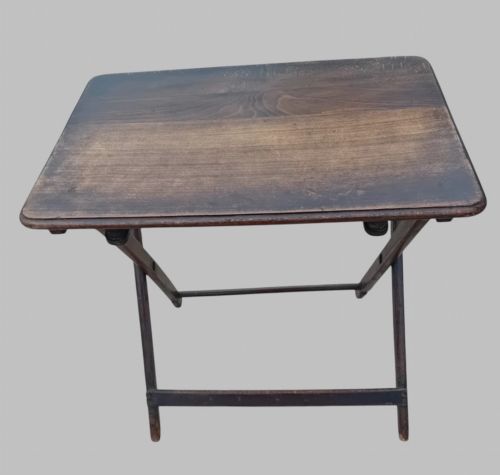
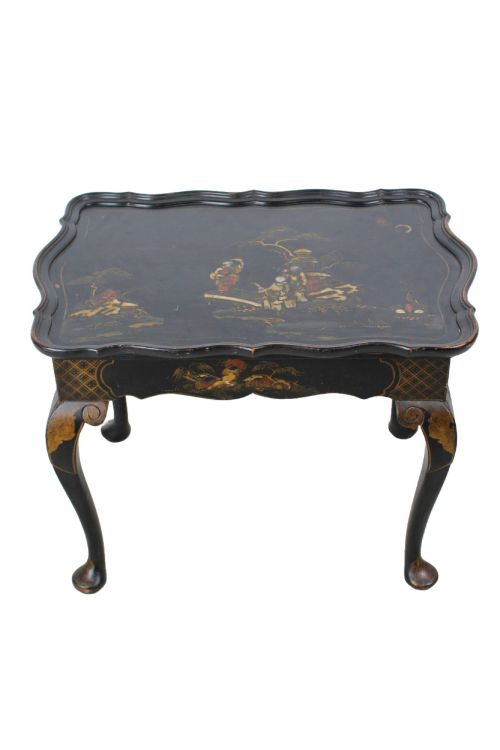
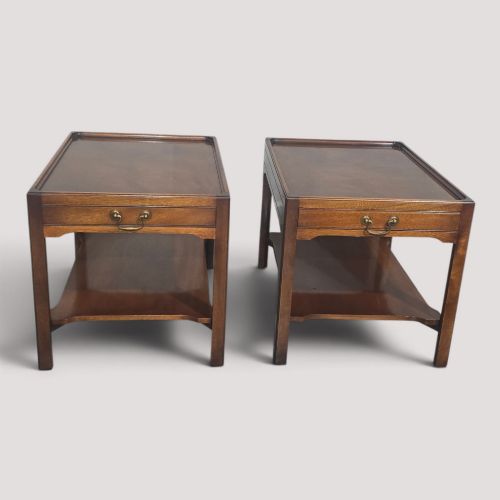
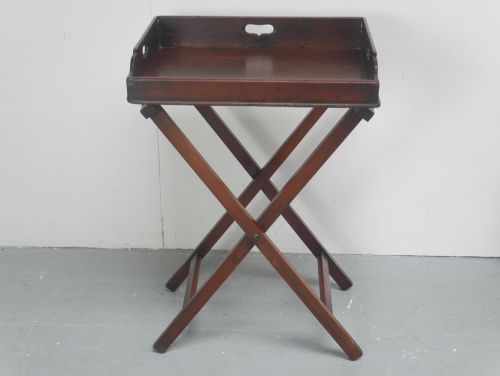
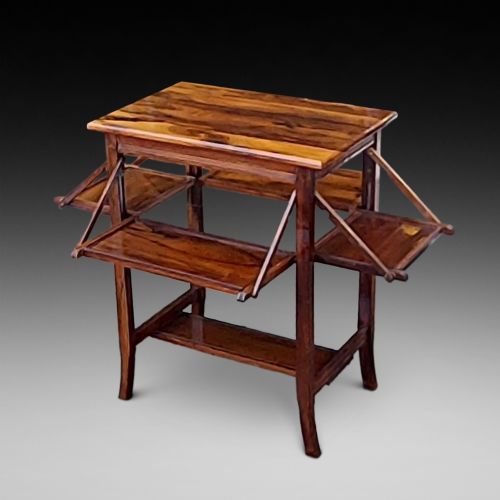
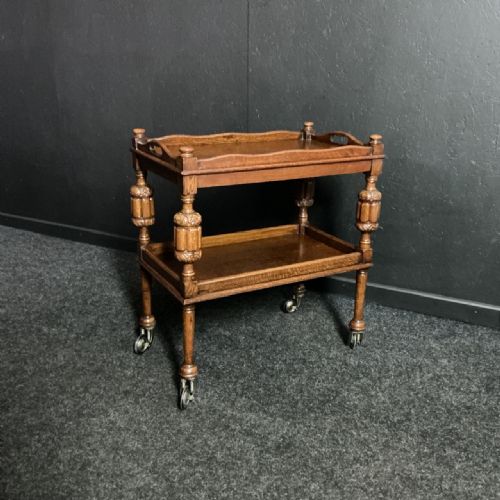
The form encompasses various functional items including butler trays, tea trolleys, and occasional side tables. Mahogany and satinwood predominate, alongside occasional lacquered Chinoiserie finishes that reflect the eclectic tastes of the period.
Most examples found here date from the Edwardian era or the decades immediately following, demonstrating the enduring popularity of adaptable furniture designed for entertaining.
Construction and materials
Cabinetmakers utilised solid timbers and veneers, predominantly employing mahogany and satinwood for their rich grain and durability. Walnut, beech, and occasional exotic woods also appear across the surviving pieces.
Inlaid marquetry details, painted neo-classical scenes, and lacquered Chinoiserie finishes display the intricate decorative techniques favoured by makers of the period. Brass handles and hinges often secure the folding stands and portable trays.
Joinery techniques balance lightness with stability, ensuring the removable trays fit securely onto their supporting stands while remaining easy to lift and carry.
Assessing quality and craftsmanship
The fineness of the timber preparation and the precision of any inlay work distinguish superior examples from simpler utilitarian pieces. Crisp carving on the gallery edges and well-fitted joints indicate skilled workshop production.
Original painted or lacquered surfaces retain greater interest than later restorations, particularly when the hand-painted motifs remain clear and well-preserved. The integration of original brass hardware further elevates a piece's integrity.
The Edwardian Style Tray Table Glossary
- Tray top
- A table surface finished with a raised rim or gallery designed to prevent items from sliding off during transport. This feature defines the primary function of a serving or butler table.
- Marquetry
- The art of applying decorative veneer pieces in various woods to form intricate patterns and pictures. It appears frequently on fine Edwardian satinwood tables.
- Chinoiserie
- European artistic styles reflecting Chinese motifs and decorative techniques, popular on lacquered furniture. These pieces often feature hand-painted figures and landscapes in gold upon a dark ground.
- Campaign style
- Portable furniture designed for easy dismantling and transport, typically fitted with folding stands and brass mounts. Originating for military use, the aesthetic persisted into domestic Edwardian design.
- Silver table
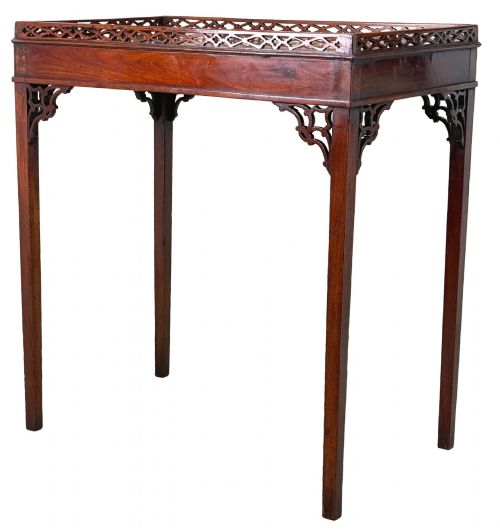
- A formal occasional table with a raised gallery, historically utilised for displaying silverware or serving tea. They often incorporate elaborate Georgian-influenced fretwork and carved legs.
Edwardian Style Tray Table: Frequently Asked Questions
What is an edwardian style tray table used for?
These tables function as versatile surfaces for serving drinks, displaying decorative objects, or holding bedside essentials. The removable top allows the tray itself to be carried independently before resting back upon its stand.
In modern interiors, they frequently serve as compact coffee tables or flexible occasional tables in sitting rooms.
How do I identify an Edwardian tray table?
Look for characteristic Edwardian design markers such as satinwood inlay, light mahogany frames, and delicate proportions inspired by earlier Georgian aesthetics. Construction methods from this period typically utilise machine-planed timbers combined with hand-finished details.
Many examples also bear the lighter, more elegant framing typical of the early twentieth century rather than heavier Victorian proportions.
Are the trays removable on these tables?
Most traditional butler tray tables feature a completely detachable top that lifts off folding X-frame or four-legged stands. Other hybrid occasional tables integrate the tray more permanently into a two-tier or fixed frame structure.
Examining the underside usually reveals whether the tray was built to lift away or remain fixed to the support.
How do I care for a mahogany and satinwood table?
Keep wooden surfaces away from direct sunlight and excessive heat sources to prevent the veneers from drying out or splitting. Dust regularly with a soft, dry cloth and apply a quality beeswax polish sparingly to maintain the lustre.
Avoid placing wet glasses directly on the polished timber to prevent water rings from forming on the antique finish.