



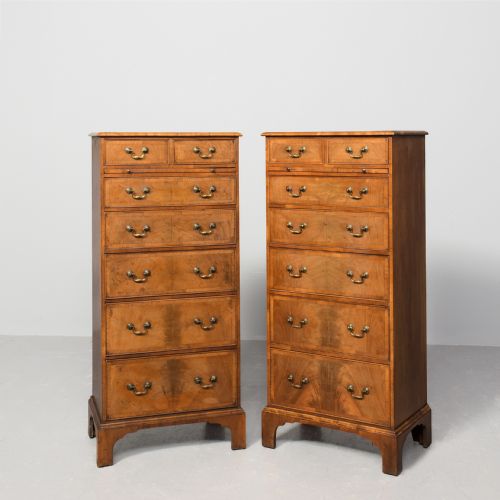
Edwardian Style Tallboy
An Edwardian style tallboy brings vertical presence and deep storage to a bedroom, combining period grace with practical proportions.
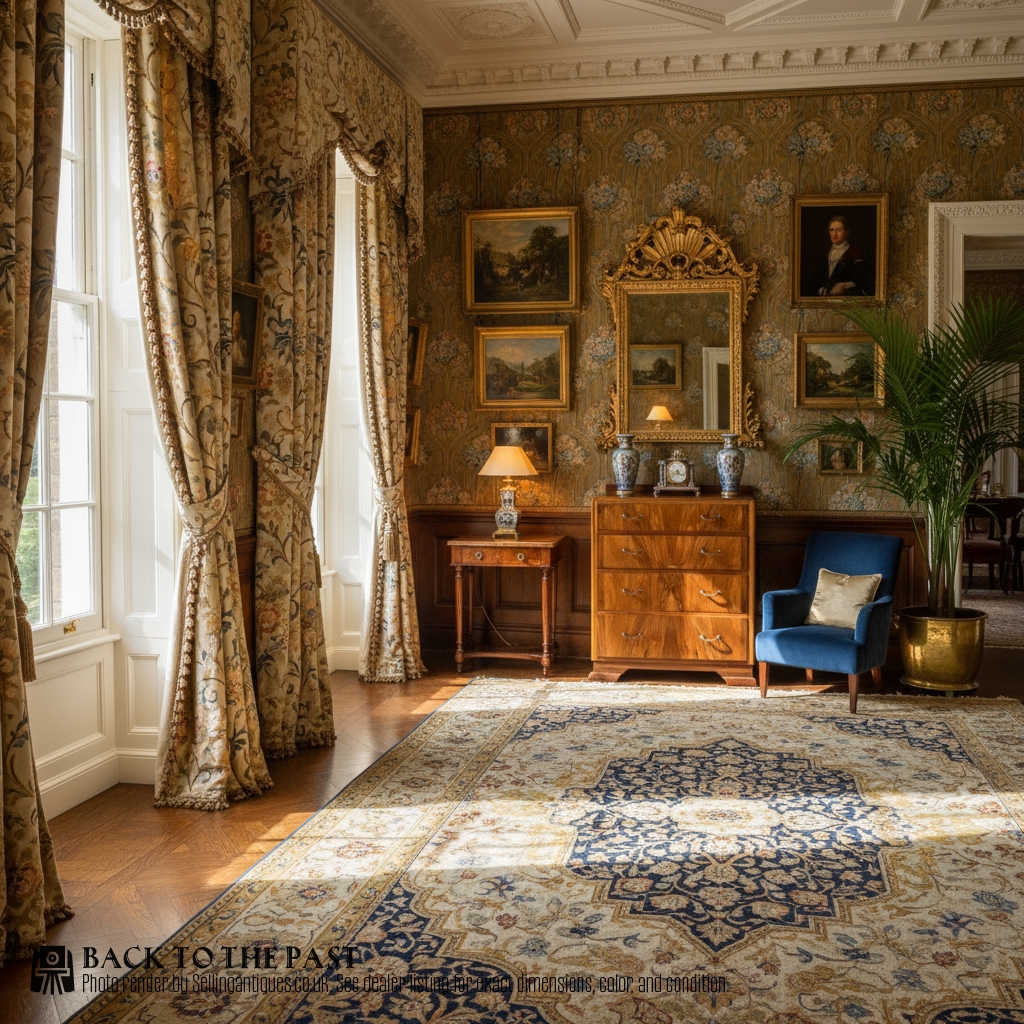
Edwardian Style Tallboy
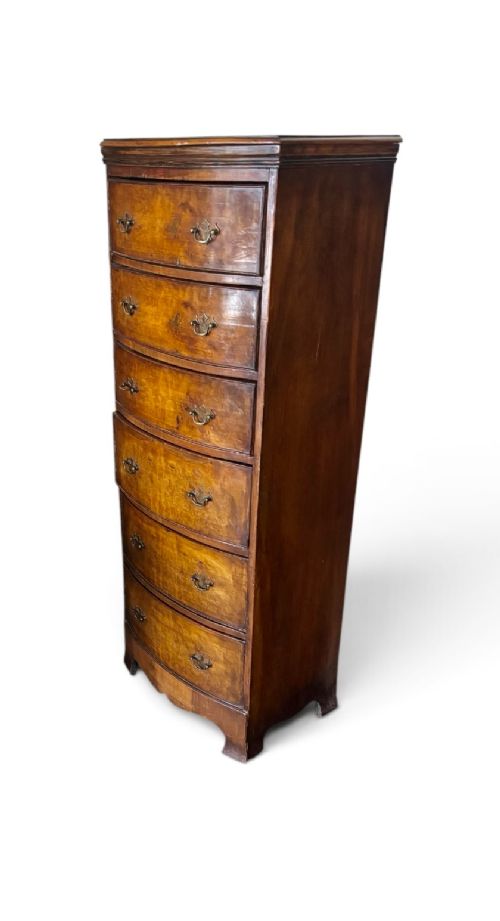
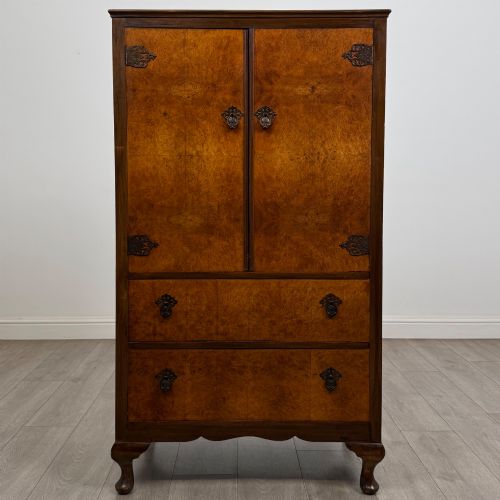
An Edwardian style tallboy sits tall and narrow to maximise floor space while offering multiple tiers of drawers for storage. Pieces appearing under this search phrase span Edwardian production alongside Georgian Revival and later interpretations from the early twentieth century.
The form often draws on eighteenth-century design vocabulary, adopting the proportions of a tall chest or chest on chest. Makers working in the Edwardian period and subsequent decades utilised mahogany, walnut, and oak to construct these vertical storage units.
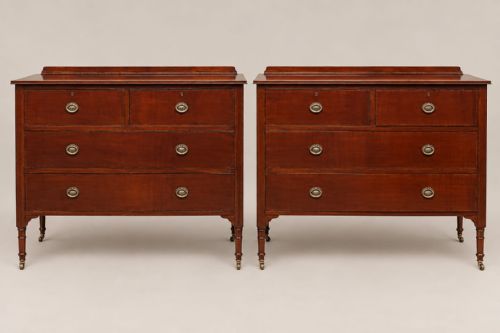
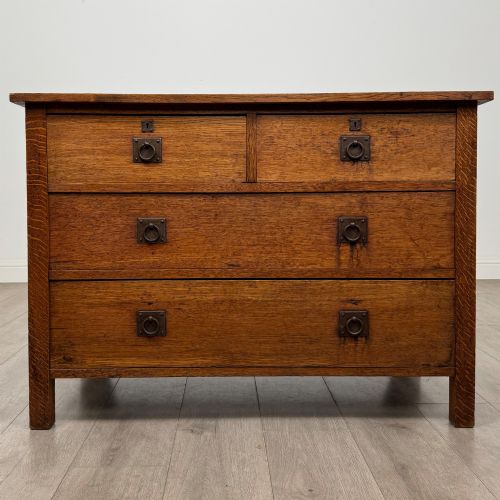
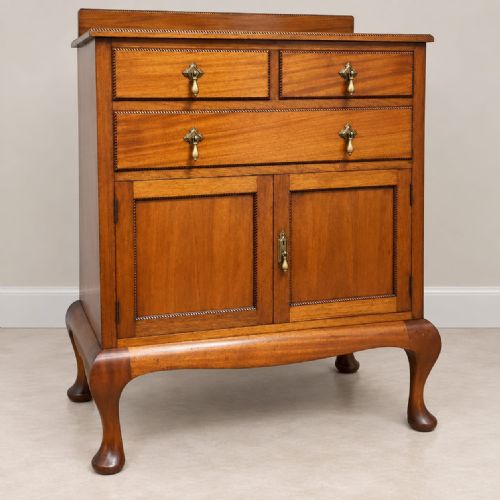
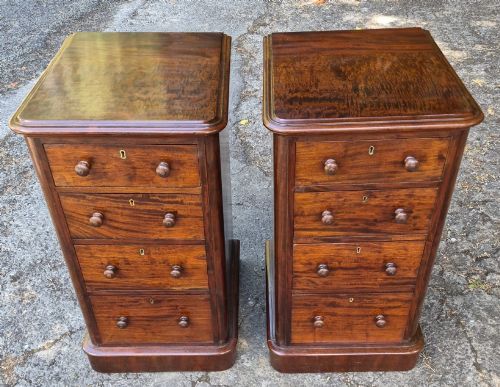
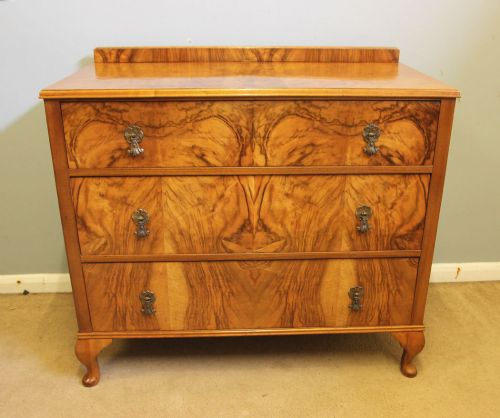
Buyers encounter variations ranging from straightforward oak utility pieces to highly decorative figured walnut and satinwood-inlaid examples. The selection includes dedicated linen presses and tall pedestal chests alongside conventional multi-drawer configurations.
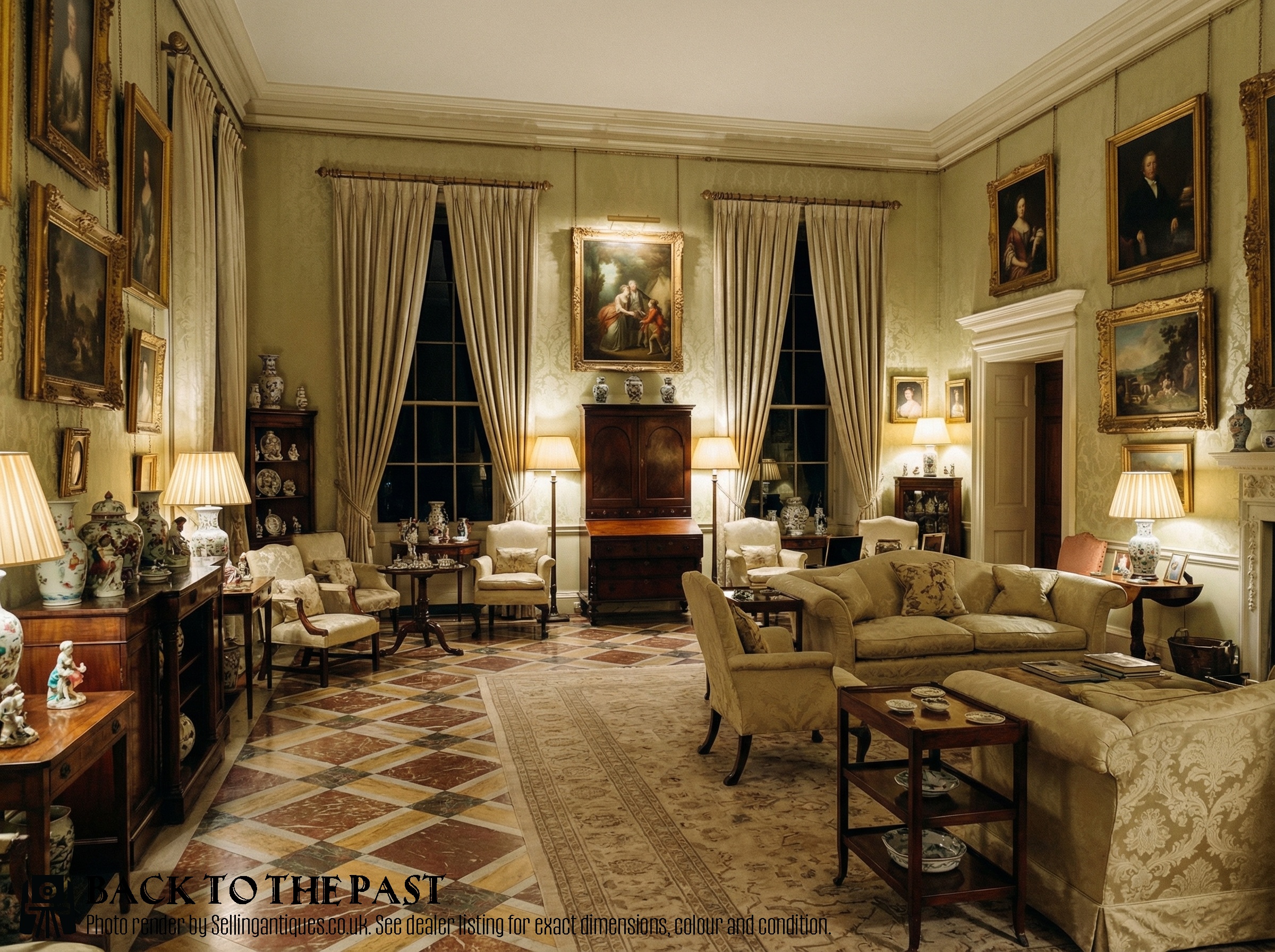
Materials and construction methods
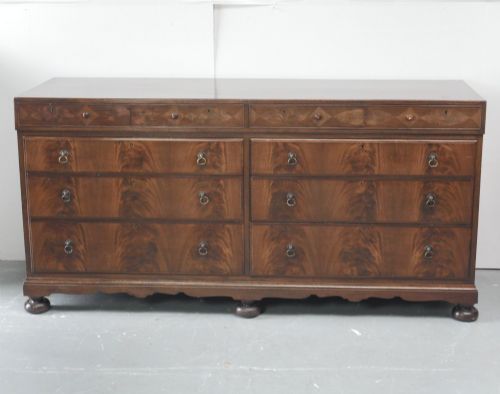
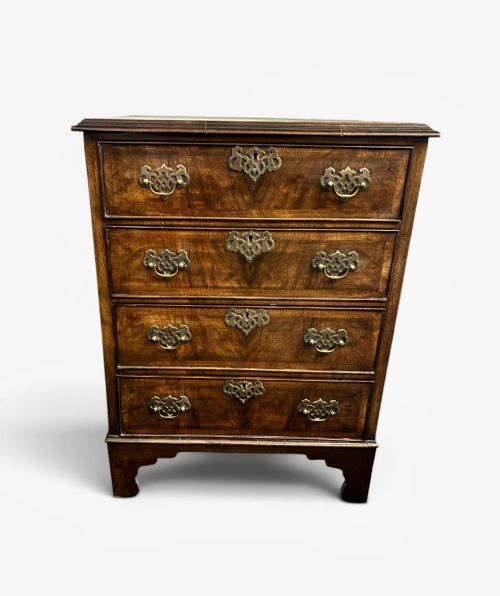
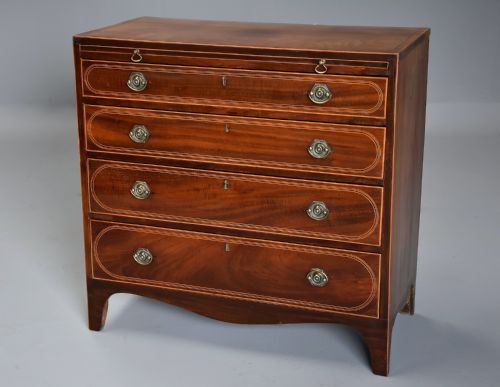
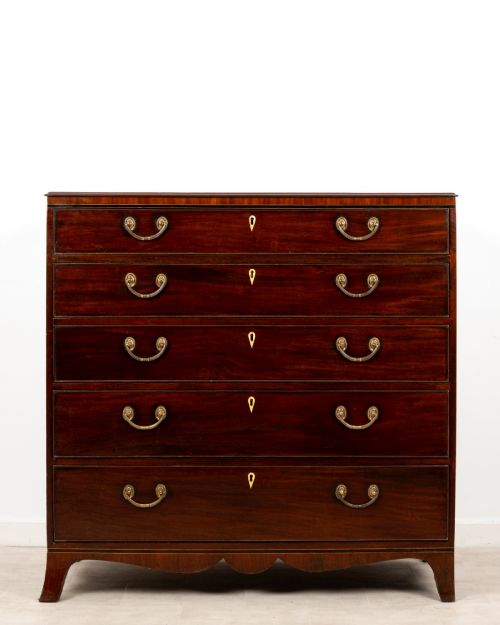
Cabinet makers relied primarily on solid timbers including mahogany, walnut, oak, and yew wood, often applying veneers of figured walnut, burr walnut, or flame mahogany across primary drawer fronts and panels. Satinwood inlay added contrasting linear detail to mahogany carcases.
Construction techniques involve traditional dovetail joints for drawer construction and solid brass hardware for handles and escutcheons. Surfaces received hand-polished finishes that highlighted the natural grain patterns of the selected wood.
Listings feature woods such as brass, mahogany, walnut, satinwood, oak, burr walnut, satinwood inlay, and flame mahogany.
Assessing quality in tallboys
Quality reveals itself in the selection of timber veneers, where highly figured burr walnut or flame mahogany indicates superior initial material choice. The precision of satinwood stringing and inlay work distinguishes standard utility furniture from finer revival pieces.
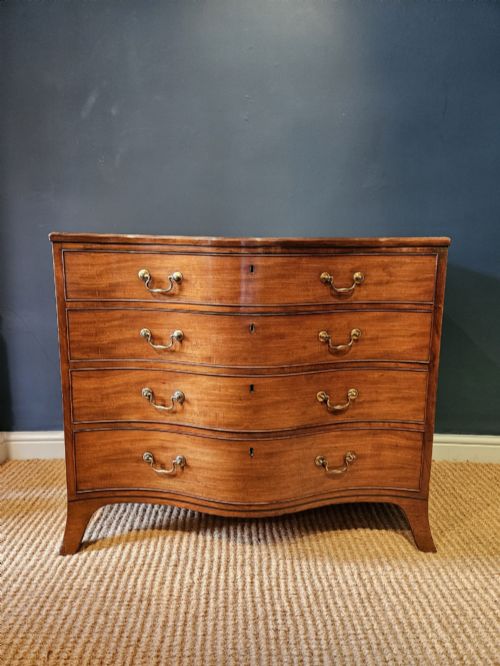
Internal construction matters deeply, observable in the tightness of dovetail joints and the use of solid secondary woods for drawer linings. Well-executed Caddy tops and serpentine fronts demand advanced carpentry skill compared to flat rectangular carcases.
Whytock & Reid·Druce & Co·Waring & Gillow·Edward Barnsley
The Edwardian Style Tallboy Glossary
- Tallboy
- A tall chest of drawers, often constructed as a single vertical carcase or as one chest stacked upon another.
- Caddy top
- A raised, moulded tabletop profile with stepped edges reminiscent of tea caddy lids from the eighteenth century.
- Serpentine front
- A furniture front curving outward in the centre and inward at the sides in a continuous wave line.
- Satinwood inlay
- A contrasting light yellowish wood inset into the surface of a darker timber to create geometric or floral patterns.
- Dovetail joint
- An interlocking wood joint formed by fan-shaped tenons that lock adjacent pieces together with high tensile strength.
Edwardian Style Tallboy: Frequently Asked Questions
What is an Edwardian style tallboy?
An Edwardian style tallboy is a vertical storage chest designed to hold clothing within a narrow footprint. These pieces typically combine Edwardian-era manufacture with revival stylistic elements from earlier centuries.
They provide substantial drawer space while occupying minimal floor area, making them practical for compact bedrooms.
How do I date a tallboy?
Dating relies on examining construction methods, timber choices, and hardware styles alongside secondary wood linings. Pieces made around nineteen hundred often exhibit Sheraton Revival or Georgian Revival influences.
Makers active during the Edwardian period and the decades immediately following combined historic revival aesthetics with contemporary workshop practices.
Where should I place a tallboy?
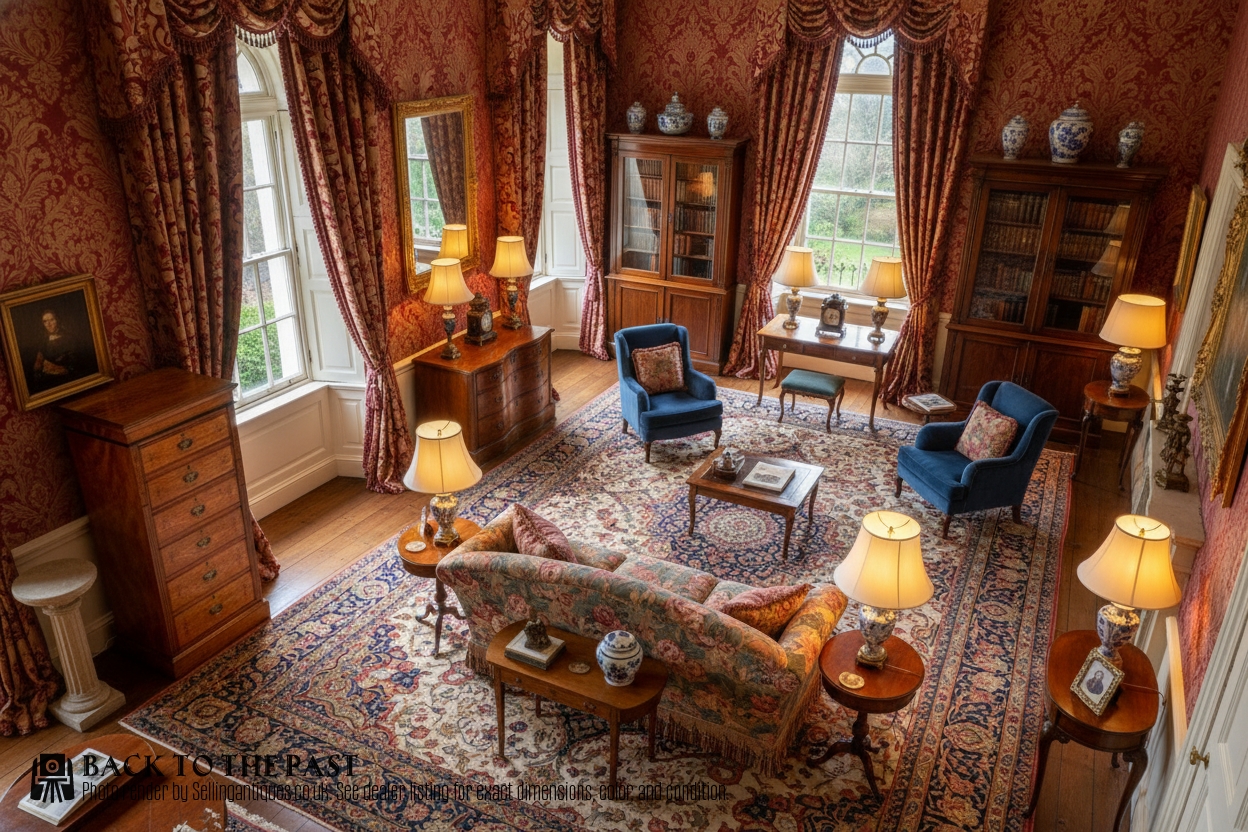
A tallboy suits bedrooms or dressing rooms where floor space is limited but vertical wall capacity is available. Its height allows it to fit neatly between windows or into corners.
Ensure the tallboy is secured to the wall if positioned on uneven historic flooring to maintain stability.
What woods were used for tallboys?
Cabinet makers utilised hardwoods such as mahogany, oak, walnut, and yew wood for structural carcases and drawer frames. Decorative veneers including burr walnut, flame mahogany, and satinwood appeared on primary visual surfaces.
Brass hardware and satinwood stringing frequently provided secondary contrast to the primary timber.