

Edwardian Style Occasional Table
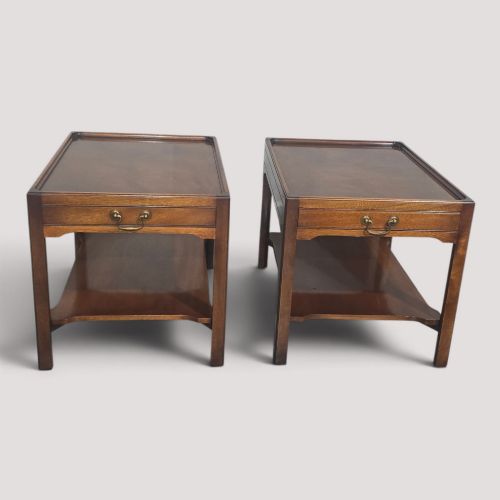
An edwardian style occasional table brings adaptable surface space and period charm into a room, serving as a versatile small piece for lamps, books or display.
Edwardian Style Occasional Table
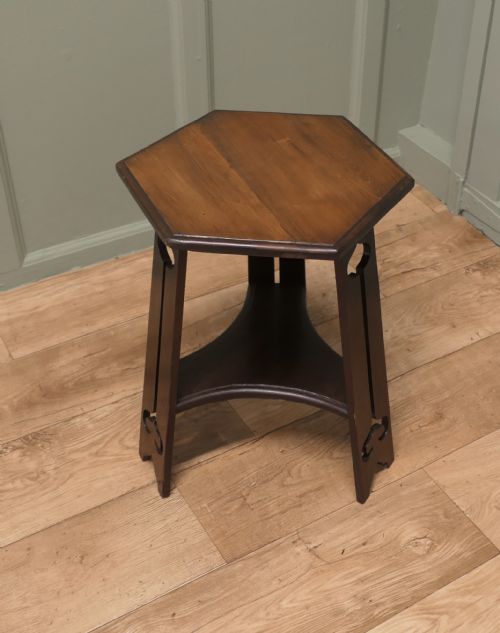
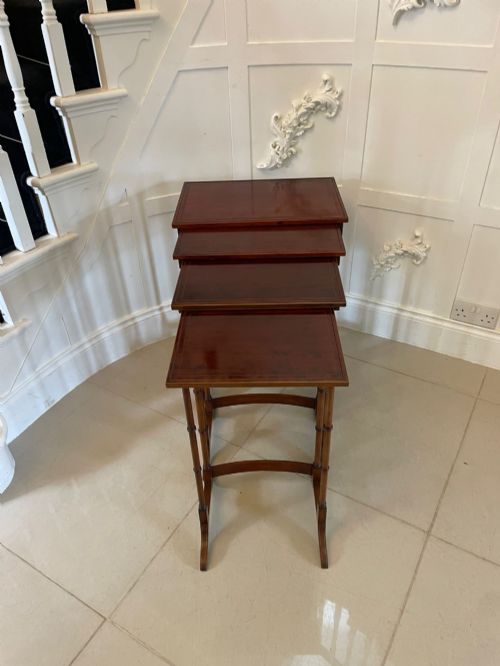
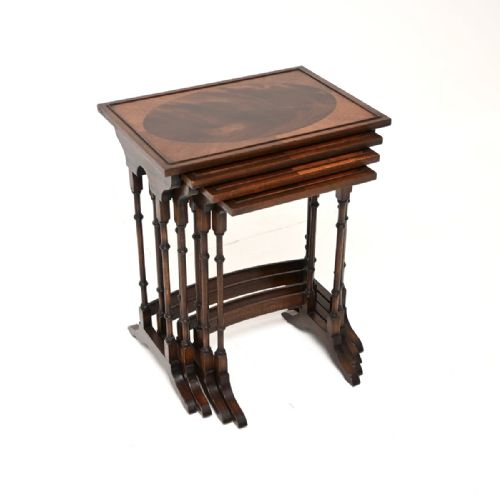
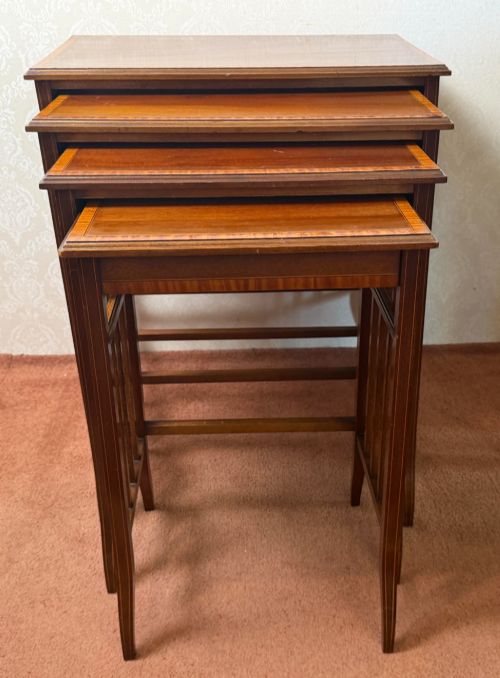
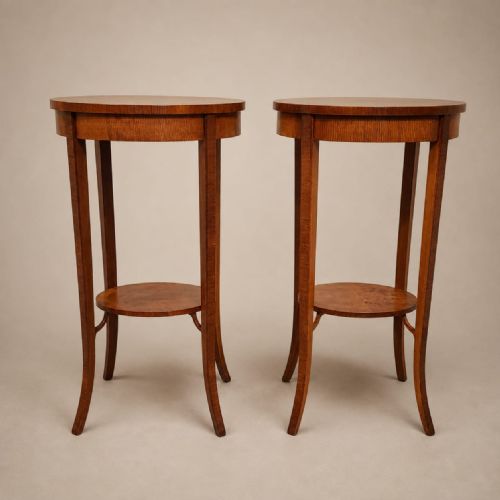
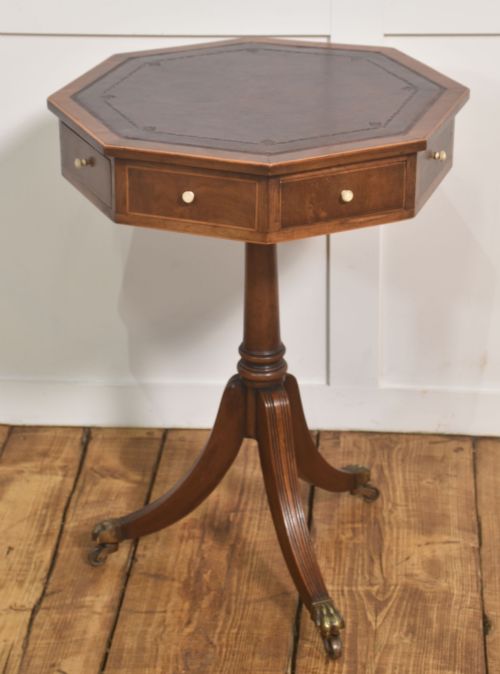
When searching for an edwardian style occasional table, buyers encounter small portable tables produced around the turn of the twentieth century alongside revival pieces spanning the nineteenth to twentieth centuries. These take the form of side tables, nests of tables, wine tables, plant stands and envelope or pembroke variations designed for flexible placement in a drawing room or parlour.
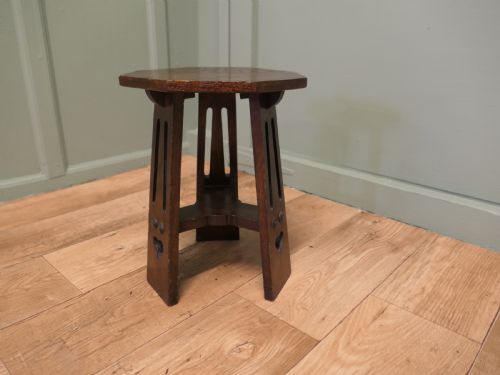
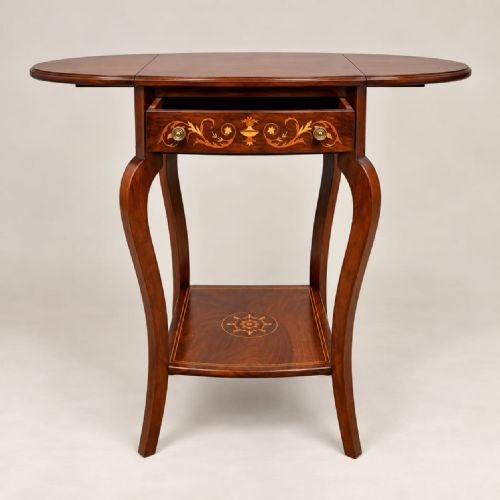
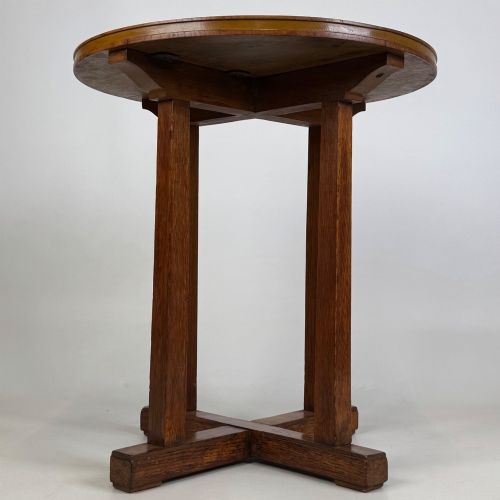
The aesthetic draws heavily on earlier idioms, merging Georgian design principles, Sheraton revival satinwood inlay and Chippendale motifs with the simpler utility of the Arts and Crafts movement. Many examples date from the Edwardian period itself, while others cross into late Victorian or early twentieth-century decades.
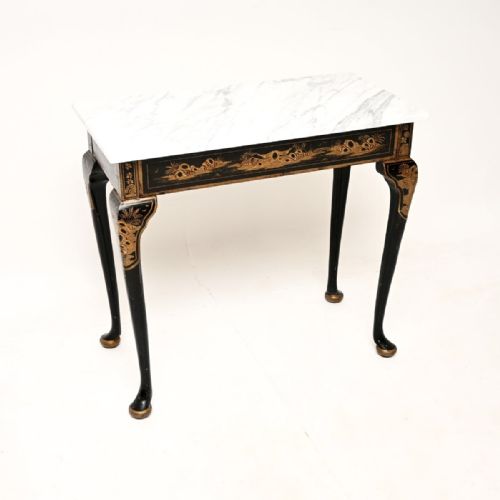
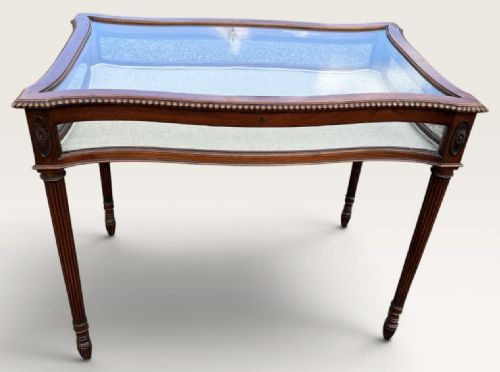
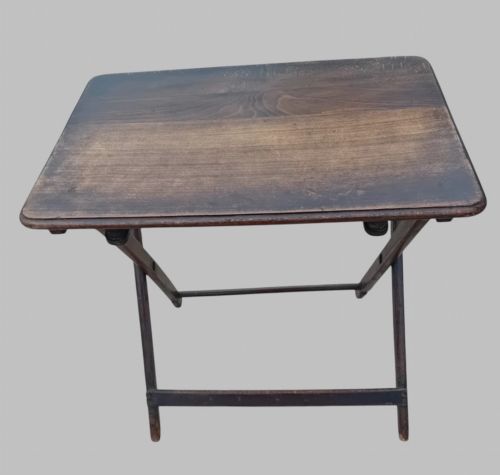
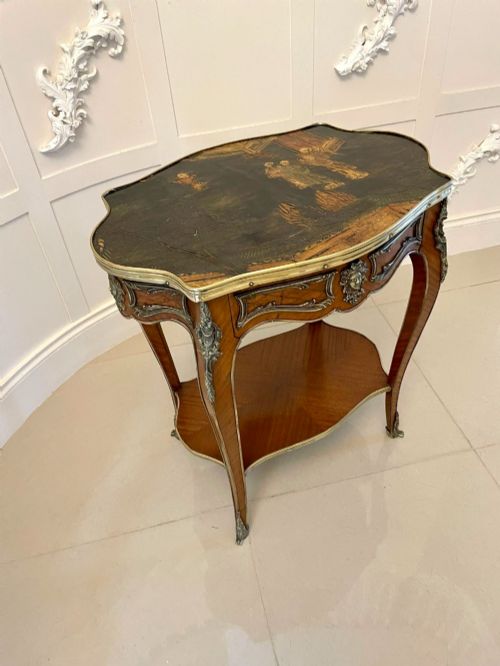
Makers utilised diverse timber forms, ranging from solid oak and figured mahogany to exotic kingwood, walnut and lacquer. Surviving pieces demonstrate how these light furnishings fulfilled multiple domestic functions, operating as lamp stands, centre tables or compact tea surfaces.
Assessing Quality
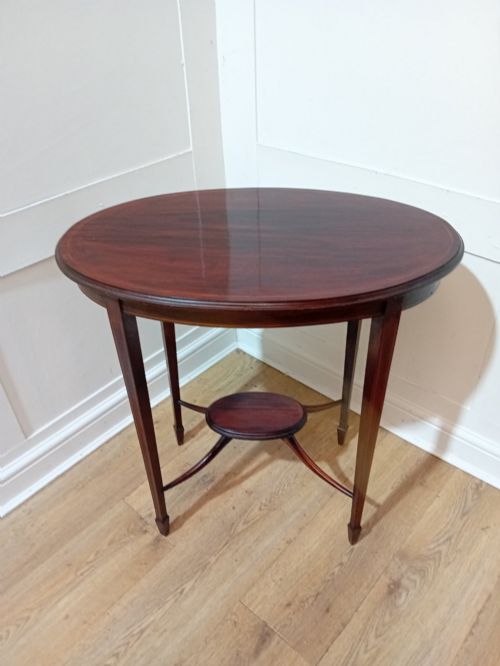
Quality rests upon the choice of timber and the precision of the cabinetwork, particularly where cross-banding, marquetry or bone inlay meet the primary surface. Finely figured mahogany or richly patinated satinwood elevate a piece above standard domestic utilitarian versions.
Construction integrity defines the upper tier of these items, showing in tight joints, well-fitted drawers where present, and stable legs that bear weight without wobble. The finesse of carved details, such as pie crust edges or tapered legs, indicates the hand of a skilled workshop.
Listings feature woods including mahogany, oak, satinwood, walnut, rosewood and lacquer across styles from Arts and Crafts to Sheraton revival.
Liberty & Co·Baillie Scott·Hubert Simpson of Kendal
The Edwardian Style Occasional Table Glossary
- Occasional table
- A small, movable table designed for intermittent use around a room. These include side tables, lamp tables and wine tables.
- Satinwood
- A pale, lustrous hardwood frequently utilised for stringing, banding and marquetry panels on late nineteenth and early twentieth-century furniture.
- Sheraton Revival
- A late nineteenth and early Edwardian design movement inspired by the neoclassical furniture of Thomas Sheraton, featuring tapered legs and delicate inlay.
- Cross-banding
- A strip of veneer applied to the edge of a table top with the grain running perpendicular to the central panel.
- Quartetto nest
- A set of four graduating tables designed to fit neatly beneath one another when not in use.
Edwardian Style Occasional Table: Frequently Asked Questions
What is an occasional table?
An occasional table is a small, light piece of furniture designed to be moved easily and used as needed throughout the home.
These versatile surfaces function as lamp stands, plant holders or convenient places to rest a book.
How do I identify Edwardian style?
Edwardian furniture often combines lighter proportions with revivals of earlier Georgian, Sheraton or Arts and Crafts aesthetics.
Look for refined satinwood inlay, painted floral decoration and elegant tapered legs characteristic of the period.
Were nests of tables popular then?
Nests of tables gained significant popularity during the Edwardian era for their practical space-saving design.
Cabinetmakers produced quartetto sets in mahogany and satinwood that slid together compactly when floor space was required.
Where should I place a small table?
These compact pieces fit easily beside armchairs, sofas or in hallways as lamp and display surfaces.
Their portable nature allows them to move between rooms depending on daily requirements.