



Liberty of London Furniture
Liberty of London furniture brings together distinctive Arts and Crafts, Aesthetic Movement, and Anglo-Japanese design for the home.
Liberty of London Furniture
Liberty of London furniture encompasses pieces produced during the late nineteenth and early twentieth centuries, spanning periods from the Victorian era through Art Deco. When searching for liberty of london furniture, buyers encounter forms such as side tables, occasional tables, display cabinets, armchairs, child's chairs, bureaux, and drinks cabinets.
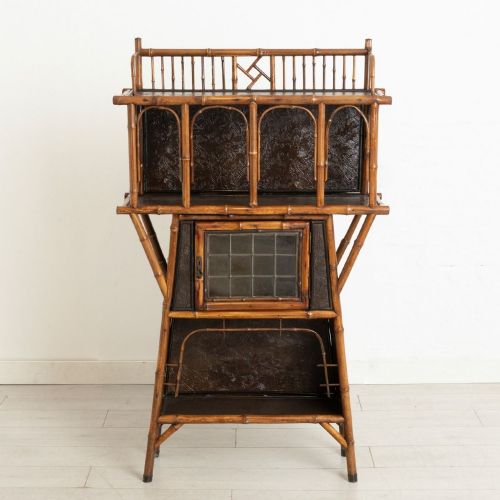
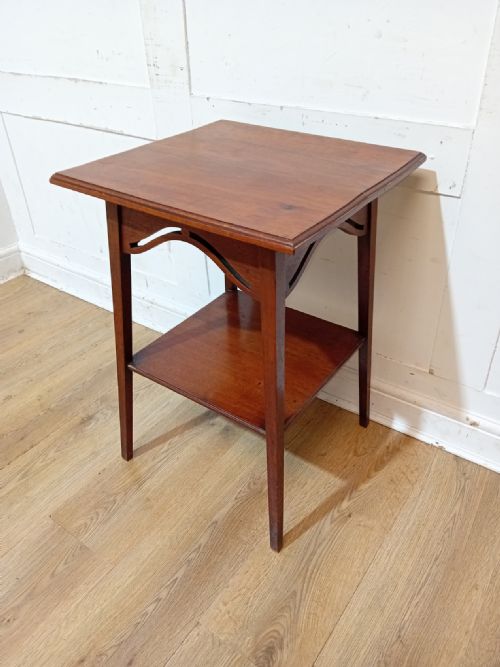
The aesthetic of these items draws heavily on Arts and Crafts, Aesthetic Movement, Anglo-Japanese, Japonisme, and Anglo-Moresque styles. Pieces range from oak and walnut tables to bamboo display cabinets and rush-seated low armchairs.
Originating from a period known for inventive craftsmanship, these items often reflect specific regional influences, including hand-carved Japanese elements and Moorish design motifs. Buyers frequently find named models such as the Horsa table, the Medina bureau, and items associated with specific designers.
Materials and construction methods
Surface decoration and finishing incorporate hand-carving, embossed paper, and dark or ebonised treatments characteristic of the Aesthetic Movement and Anglo-Moresque styles. Construction techniques prioritised sturdy joinery appropriate for domestic utility, whether in a side table or a drinks cabinet with sliding shelves.
A child's chair from 1880 proves that even the smallest household members required avant-garde seating.
Distinctions in quality and execution
The standard of execution varies between straightforward utilitarian production and highly decorative artistic output. Finer examples display meticulous hand-carving, superior selection of burr walnut or figured oak, and integrated decorative schemes such as Moorish fretwork or Japanese-inspired relief work.
Attribution and design pedigree also differentiate pieces, with items carrying known designer associations or specific named forms commanding greater interest. The integrity of original materials, such as undamaged rush seats, intact glass, and original brass hardware, influences the overall character of a piece.
Leonard Wyburd·Ford Madox Brown·Morris and Co
The Liberty of London Furniture Glossary
- Arts & Crafts
- A design movement advocating for traditional craftsmanship, simple forms, and local materials. It emerged in reaction to mass production during the nineteenth century.
- Aesthetic Movement
- A late nineteenth-century movement that emphasised aesthetic value over moral or narrative themes in art and design. It embraced varied international motifs, including Japanese and Moorish styles.
- Anglo-Japanese
- A style combining traditional British furniture forms with Japanese decorative motifs and construction techniques. This aesthetic gained popularity following trade openings in the nineteenth century.
- Burr walnut
- A wood veneer taken from the burl growth of a walnut tree, prized for its swirling grain patterns. It was often selected for high-status cabinet doors and tabletops.
Liberty of London Furniture: Frequently Asked Questions
What defines Liberty furniture?
Liberty furniture from this era is characterised by its alignment with the Arts and Crafts, Aesthetic Movement, and Anglo-Japanese styles. It includes diverse forms from side tables to drinks cabinets.
The pieces often reflect the progressive design ethos promoted by the London store, utilising quality woods like oak and walnut alongside exotic influences.
How do I identify a piece?
Identification relies on noting characteristic materials such as oak, bamboo, rush, and burr walnut, combined with specific design styles like Moorish fretwork or Japanese carving. Certain items also bear names like the Horsa table or Medina bureau.
Designers and makers associated with these pieces include Leonard Wyburd and Ford Madox Brown, whose work links directly to the retailer's output.
Where were these pieces used?
These items served functional roles in domestic interiors, ranging from occasional tables in reception rooms to display cabinets for collections. Low armchairs and child's chairs provided seating in living spaces.
Specialist forms such as drinks cabinets with sliding shelves accommodated specific lifestyle requirements of the late Victorian and Edwardian periods.
How do I care for my table?
Maintenance involves protecting timber surfaces from excessive moisture and direct sunlight to preserve the finish of woods like oak, walnut, and mahogany. Regular dusting with a soft cloth maintains the condition of hand-carved details and brass fittings.
For pieces incorporating rush seating or delicate bamboo, gentle handling ensures the structural integrity of natural materials remains undisturbed.