

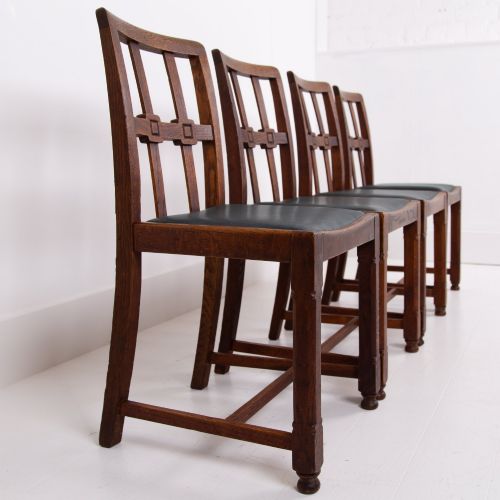
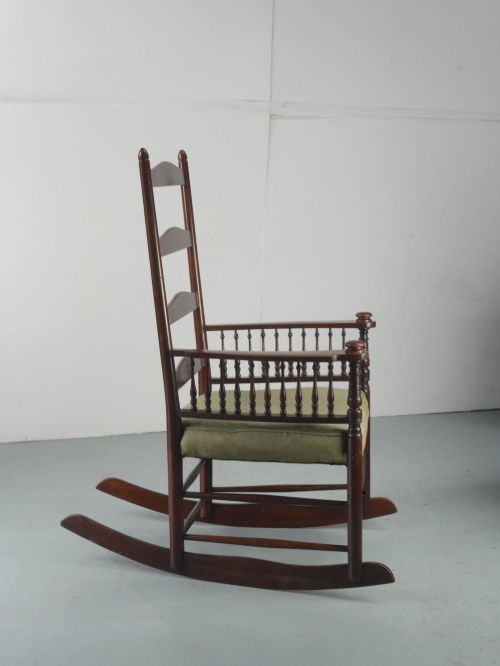
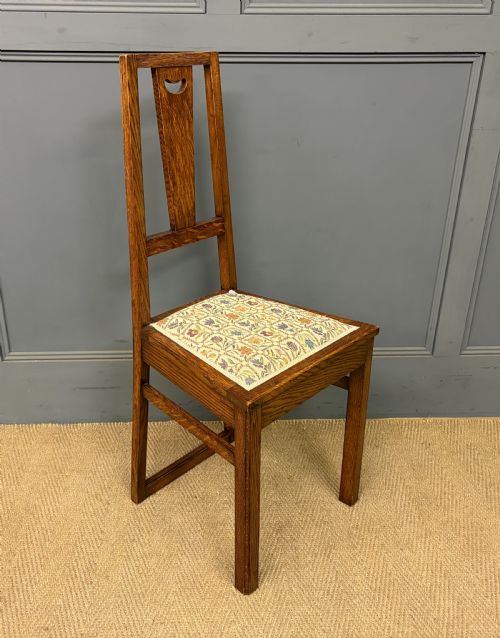
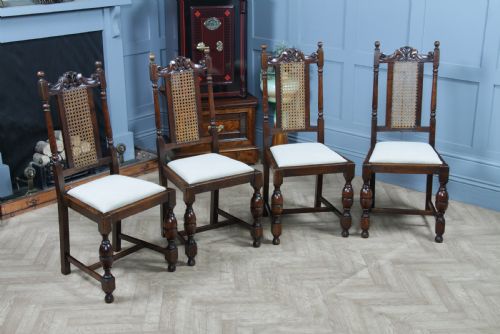

Edwardian Style Oak Chairs
Edwardian style oak chairs bring robust timber frames and period vernacular character into modern rooms.
Edwardian Style Oak Chairs
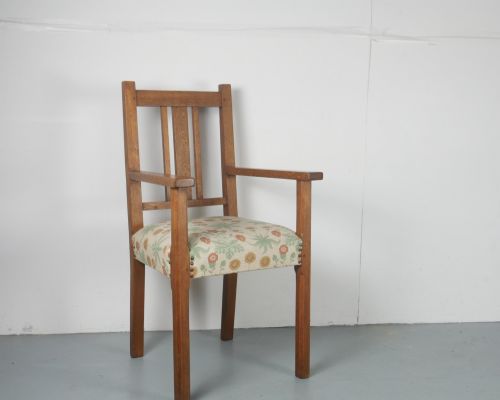
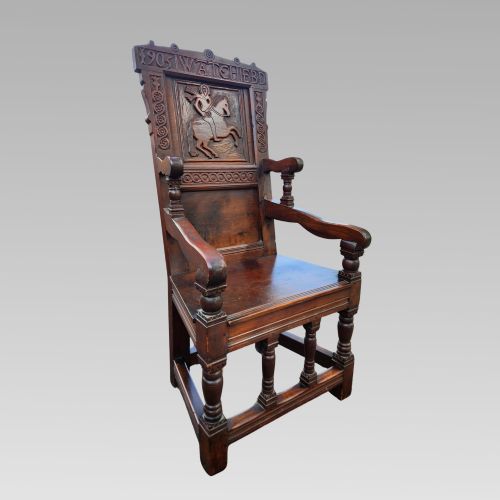
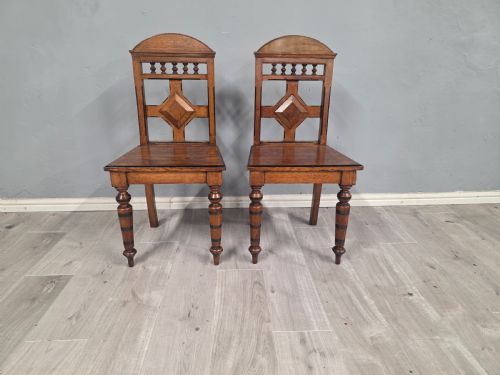
When you search for edwardian style oak chairs, you encounter seating built from solid timber across dining sets, armchairs, and desk chairs. The listings demonstrate a heavy reliance on historical revivals spanning the nineteenth and early twentieth centuries.
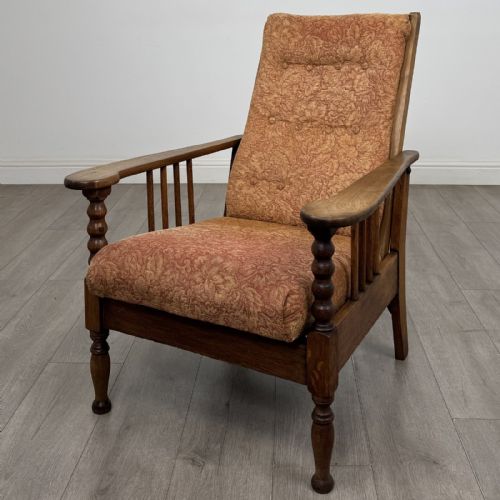
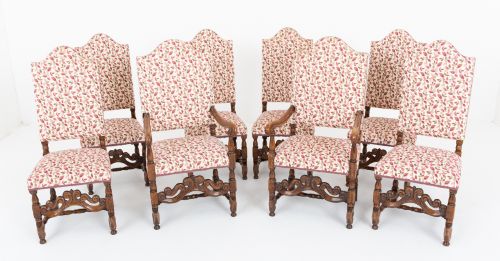
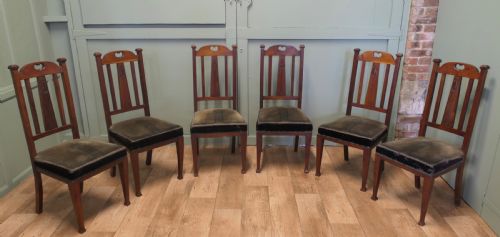
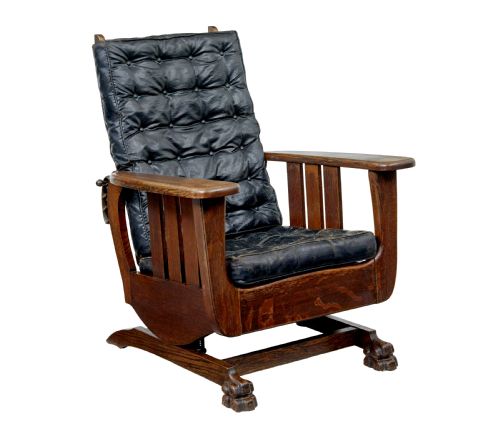
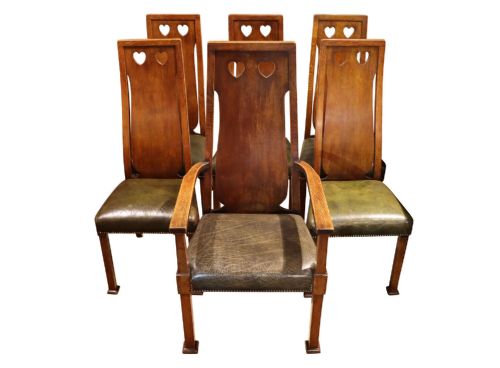
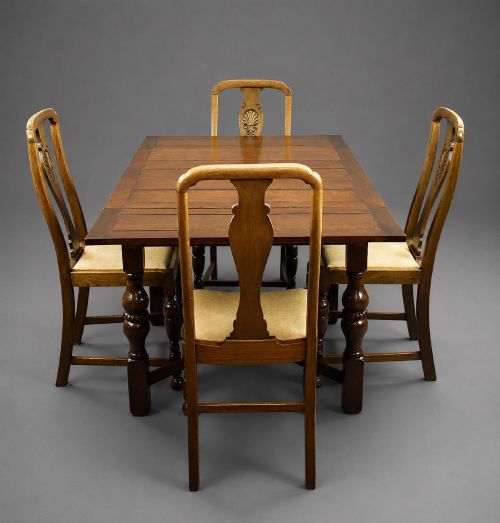
Dining chairs appear frequently in sets, often displaying Jacobean or Arts and Crafts influences alongside simpler country forms. Buyers will also find low armchairs, reclining seats, and benches originating from around nineteen hundred and the subsequent decades.
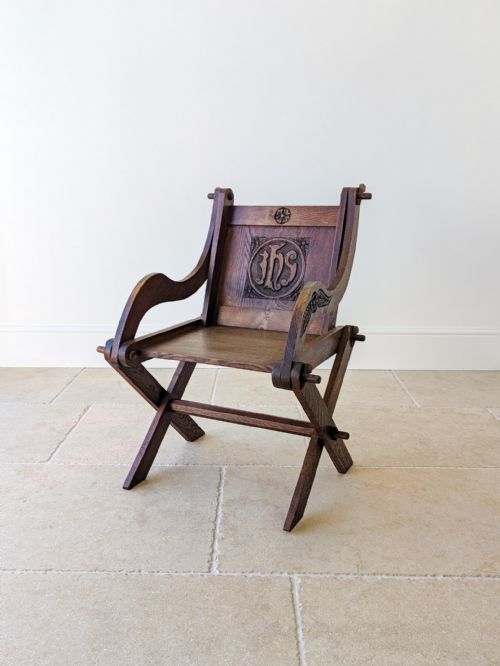
Origins stretch from vernacular English country workshops to metropolitan firms, encompassing styles such as Gothic Revival, Renaissance Revival, and Chippendale design. The selection balances formal dining suites with relaxed, rush-seated low chairs.
Materials and Technique
Makers utilised solid oak as the primary structural timber, often selected for its golden tone or quarter-sawn grain patterns. Construction methods rely on traditional joinery to support heavy frames and carved ornamentation.
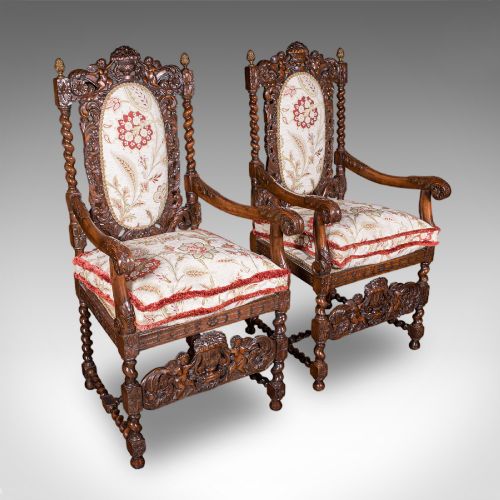
Seating surfaces incorporate woven rush, buttoned leather, painted leather, and various upholstery fabrics held by brass detailing. Frames frequently feature turned members, such as barley twists, or hand-carved panels reflecting Tudor and Jacobean motifs.
Edwardian Style Oak Chairs Retail Price Guide 2026
Typical asking prices for edwardian style oak chairs among the pieces listed under this phrase on Sellingantiques today, from the lower quarter to the upper quarter. They describe what is for sale here now, not the wider market.
The listings span multiple centuries, uniting eighteenth-century Chippendale design with twentieth-century Arts and Crafts dining chairs and oak benches.
Assessing the Pieces
The standard of a piece rests upon the crispness of the timber carving and the integrity of the original joinery. Pieces retaining their early rush seats or period leather upholstery demonstrate superior preservation.
Proportion and weight distinguish utilitarian workshop output from ambitious revival pieces designed by prominent retailers. The harmony between the oak frame and supplementary materials dictates the overall visual success.
Liberty Morris & Co·Heals of London·Goodyers of London·Shapland & Petter
The Edwardian Style Oak Chairs Glossary
- Jacobean Revival
- A nineteenth and twentieth century design movement that reinterprets seventeenth century English furniture styles. It is characterised by dark oak, geometric moulding, and heavy turned legs.
- Rush Seat
- A traditional seating surface woven from dried marsh rushes. This material appears frequently on Arts and Crafts chairs for its organic texture and durability.
- Barley Twist
- A type of turned wooden furniture leg resembling a twisted rope. This detail is common on Jacobean and revival dining chairs from the late nineteenth and early twentieth centuries.
- Draw Leaf Table
- An extending table with two pull-out leaves hidden beneath the main top. These leaves slide out to increase surface area without removing the central section.
- Settle
- A wooden bench featuring high backs and solid arms, often incorporating storage beneath the seat. Historical examples served to block draughts in large hallways and kitchens.
Edwardian Style Oak Chairs: Frequently Asked Questions
Are these chairs suitable for daily dining?
Solid oak construction provides the structural stability required for everyday use around a dining table. Many surviving sets were built specifically for robust domestic dining.
Upholstered seats and rush webs may require careful maintenance or occasional reinforcement depending on their age. Selecting sturdy frames ensures practical longevity in a modern household.
What is a gossip chair?
A gossip chair is a low, compact seat designed for informal conversation in domestic spaces during the late Victorian and Edwardian periods. Their diminutive scale makes them easy to position in tight corners.
They often feature upholstered pads and supportive backrests tailored for comfort. Today, they function well as accent pieces in bedrooms and sitting rooms.
How do I distinguish revival styles from original antiques?
Revival furniture borrows decorative motifs from earlier centuries, such as seventeenth century Jacobean carving or eighteenth century Chippendale proportions, but utilises later manufacturing techniques. Machine-sawn timber marks and twentieth-century hardware give away the true date of manufacture.
Examining the underside and interior joinery reveals the technological methods employed by the workshop. Catalogues and stylistic markers help place these pieces within their correct historical revival era.