


English Arts Crafts Seating
English arts crafts seating brings honest construction and straightforward utility into a room.
English Arts Crafts Seating
English arts crafts seating encompasses armchairs, dining chairs, side chairs, hall seats, garden benches, and club fenders rooted in the late nineteenth and early twentieth centuries. These pieces derive from vernacular traditions, prioritising structural integrity and visible material over surface ornament.
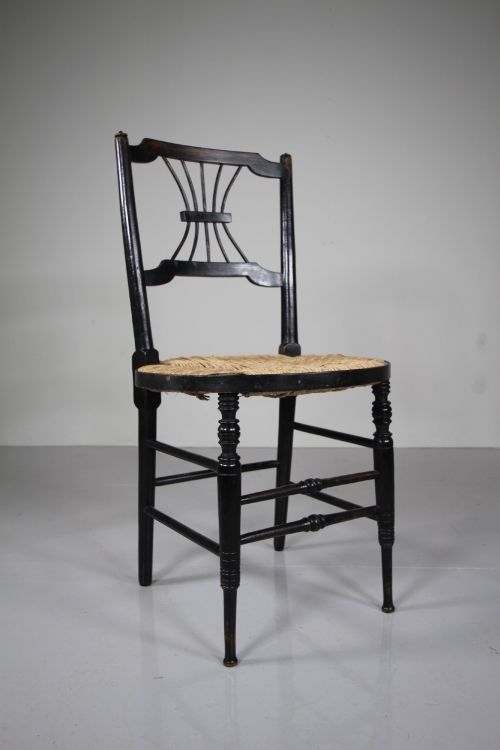
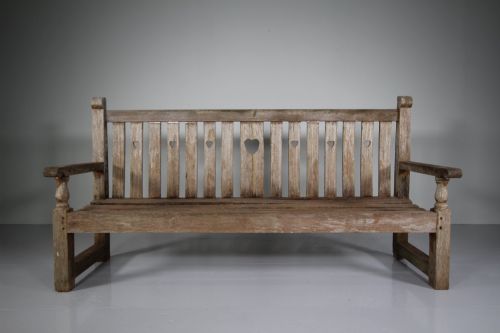
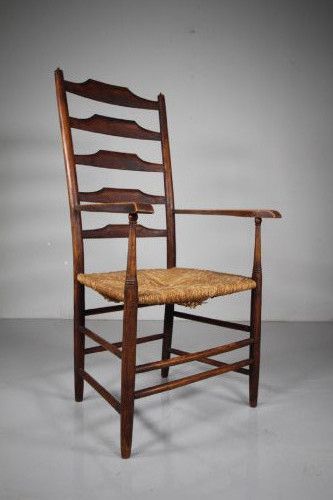
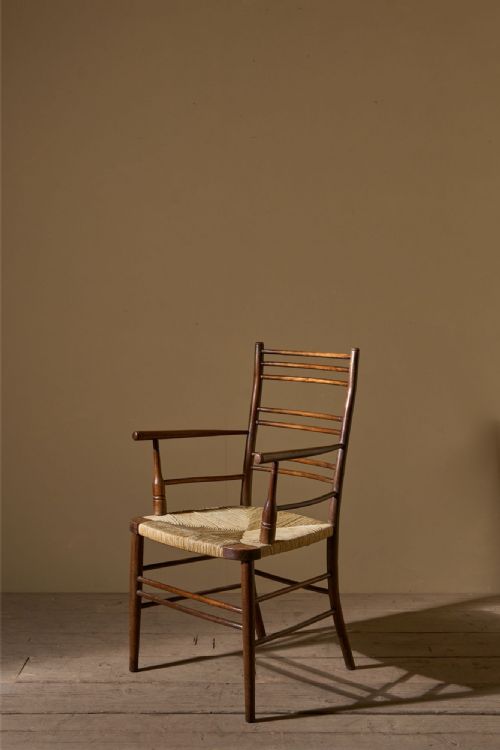
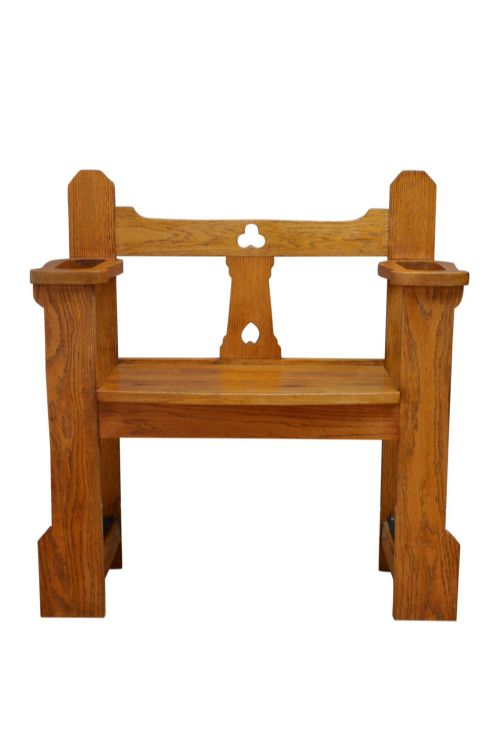
The selection here ranges from nineteenth-century rush-seated Sussex designs and ladderback armchairs to Edwardian oak hall seats and robust teak garden benches. Later twentieth-century examples extend into work by regional makers using native timbers.
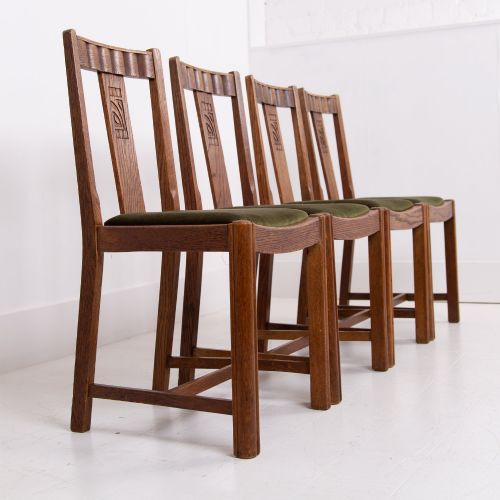
Buyers encounter forms that balance domestic comfort with architectural restraint, executed in oak, ash, elm, and laburnum. The emphasis remains on utility and straightforward joinery rather than excessive decoration.
Materials and Construction
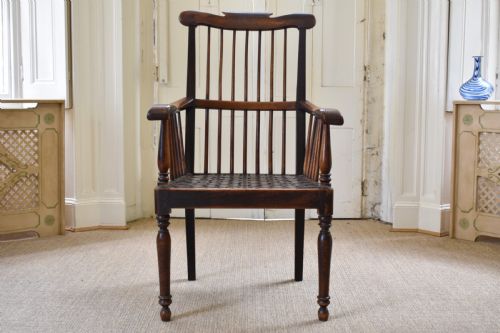
Solid native hardwoods form the structural core of these chairs and benches, with oak, ash, and elm chosen for their strength and grain. Turnery, pegged joints, and ladderback frames distribute weight naturally without relying on concealed metal brackets.
Seating surfaces frequently employ woven natural rush or turned wood slats, providing resilient support that ages alongside the timber frame. Ebonised beech and teak appear where specific finishes or weather resistance are required.
Schoolmasters once sat upon sturdy oak elbow seats designed to survey unruly classrooms with unyielding authority.
Assessing Quality and Execution
Quality rests in the integrity of the joinery and the retention of original surfaces, from pegged mortise and tenon joints to uncompromised rush seating. Pieces that maintain their structural rigidity without heavy intervention demonstrate superior initial craftsmanship.
The precision of the turnery and the selection of figured timbers distinguish standard utilitarian production from the considered output of named workshops and notable designers. Proportions remain balanced, ensuring the physical weight of the timber serves the function of the seat.
William Morris·Philip Clissett·E W Godwin·Dryad of Leicester·William Birch·David Oakleafman Langstaff
The English Arts Crafts Seating Glossary
- Rush seat
- A seating surface woven from dried marsh rushes, wound tightly over a wooden frame to create a resilient, textured pad. This method appears frequently on traditional vernacular chairs.
- Ladderback
- A chair back featuring horizontal arched slats between the vertical rear posts, offering simple back support. It is a defining characteristic of many country vernacular designs.
- Club fender
- A low, padded seat frame surrounding a fireplace hearth, traditionally constructed with heavy timber and metal supports. It provides integrated fireside seating.
- Vernacular
- Architecture or furniture designed independently of high-style academic traditions, relying on local materials and practical needs. These pieces reflect regional building methods.
- Ebonised
- Timber treated with chemical stains or dark finishes to imitate ebony. This technique highlights turned components on nineteenth-century seating.
English Arts Crafts Seating: Frequently Asked Questions
What defines English arts crafts seating?
These pieces rely on visible construction, native hardwoods like oak and ash, and traditional joinery rather than applied ornamentation.
Designs draw from vernacular country traditions to create functional chairs, benches, and stools intended for everyday domestic use.
How do I care for rush seats?
Natural rush requires dry conditions and occasional gentle cleaning to prevent brittleness over time. Avoid excessive moisture when maintaining woven surfaces.
Keeping the timber nourished with suitable wax preserves the wood surrounding the woven panels.
Where were club fenders used?
Club fenders were placed around open fireplaces in substantial rooms to provide comfortable fireside seating. Their sturdy frames accommodated domestic gatherings.
The low upholstered top allowed occupants to sit near the warmth without obstructing the hearth.
How are different periods identified?
Nineteenth-century examples often feature turned posts, rush seating, and ebonised finishes linked to aesthetic movement ideals. Edwardian and later pieces introduce heavier oak construction and specialised workshop output.
Examining the tool marks, timber selection, and construction methods helps clarify the chronology of each design.