


Leather Top Fender
A leather top fender brings a fireside seat and solid metal structure into the room, grounding the hearth with period weight.
Leather Top Fender
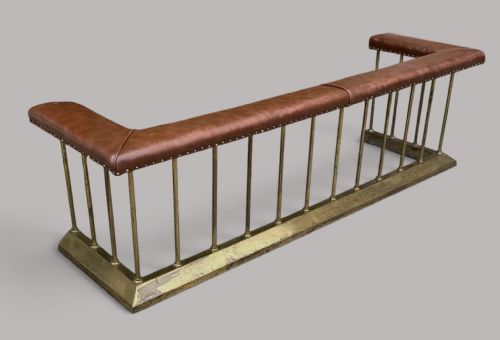
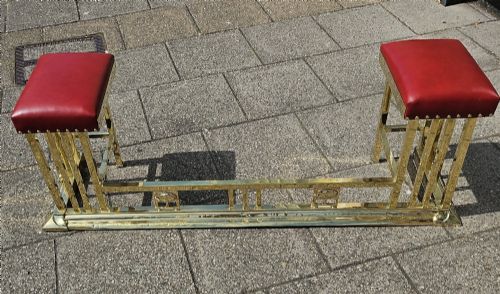
A leather top fender combines a low fireside guard with cushioned seating, creating a seat right by the grate. When you search for a leather top fender, you find sturdy hearth surrounds designed for warmth and comfort during colder months.
The pieces listed here span the nineteenth century through the Edwardian and Art Deco periods, taking the form of club fenders. Brass, iron, wrought iron, and oak form the structural frames, topped with tan, red, or dark brown leather upholstery.
Victorian and Edwardian examples dominate the selection, often pairing gleaming brass with substantial frames. You also encounter Art Deco iterations and Arts and Crafts oak designs that reflect the shifts in domestic tastes across the decades.
How they were made
Metalworkers forged iron, wrought iron, and copper or cast brass into rigid frames to withstand the heat and heavy daily use of a domestic fireplace. These metal foundations provide the structural skeleton that supports both the hearth clearance and the seated weight above.
Upholsterers fitted thick hides over padded seats, securing the leather top directly to the metal or oak framework. This combination of sturdy joinery in timber or forged metal with durable leather creates a dual-purpose object built for the drawing room.
Designed so gentlemen could warm their shins while resting comfortably, these seats ensured nobody had to stand when the fire was lit.
What varies in quality
The substance of the frame sets the better examples apart, with heavier brass or substantial oak providing a commanding presence on the hearth. Lighter or daintier constructions offer a different visual weight, while robust nineteenth-century builds show exceptional metalwork.
The condition and character of the leather top influence the overall standing of the piece. Retaining an original hide with mature patination adds depth, whereas later re-upholstery alters the primary surface texture.
William Birch
The Leather Top Fender Glossary
- Club fender
- A low fireside guard featuring upholstered seat cushions on opposing sides. It allows people to sit directly beside the hearth in comfort.
- Wrought iron
- Iron beaten or bent into shape by hand while hot. This material yields decorative and sturdy structural supports.
- Arts and Crafts
- A design movement prioritising traditional craftsmanship and simple materials. Oak and honest construction define pieces from this tradition.
- Art Deco
- A style emerging in the early twentieth century featuring sleek lines and modern geometric forms. It brings a streamlined edge to traditional fireside furniture.
Leather Top Fender: Frequently Asked Questions
What is a club fender?
A club fender is a low metal or wooden surround for an open fireplace that incorporates padded leather seats on the top rails. It keeps people close to the fire while protecting the room from stray embers.
These pieces served as social seating in large reception rooms during the Victorian and Edwardian eras, turning the hearth into a central gathering place.
How do I choose the right size?
Measure the width and depth of your fireplace opening and hearth stone before considering a fender. You need to ensure the internal dimensions clear the surround while leaving adequate clearance for your feet.
Proportions vary between substantial nineteenth-century brass models and daintier Art Deco versions, so matching the scale of the fender to your room is essential.
Are the leather tops original?
Some pieces retain their original red, tan, or dark brown leather tops, while others have been re-upholstered over the decades. Mature leather develops a distinct patina through years of use.
Examining the attachment methods and the wear on the hide helps determine whether the leather has survived from the period of manufacture.
How do I care for the leather?
Keep the leather top clean by dusting it gently and occasionally treating the hide with appropriate conditioning balms to prevent drying. Avoid placing the fender too close to intense direct heat that might crack the surface.
Metal components like brass and copper require occasional polishing with suitable compounds to maintain their lustre without harming adjacent upholstery.