



Edwardian Style Card Table
These pieces unite the practical ingenuity of the Edwardian style card table with the elegance of earlier revivals, offering a versatile surface for games and display.
Edwardian Style Card Table
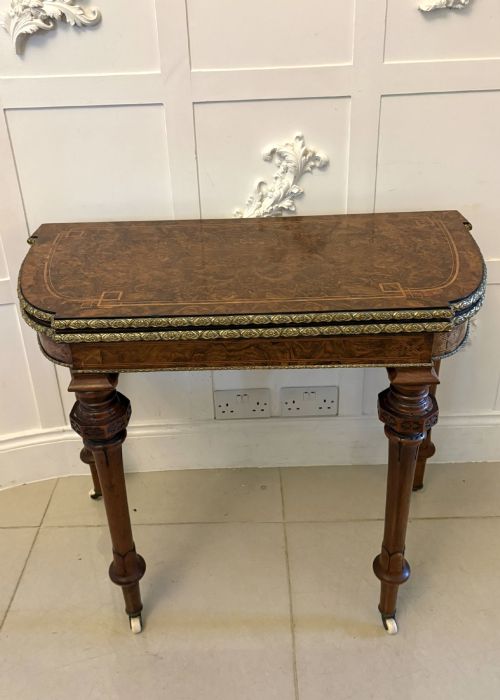
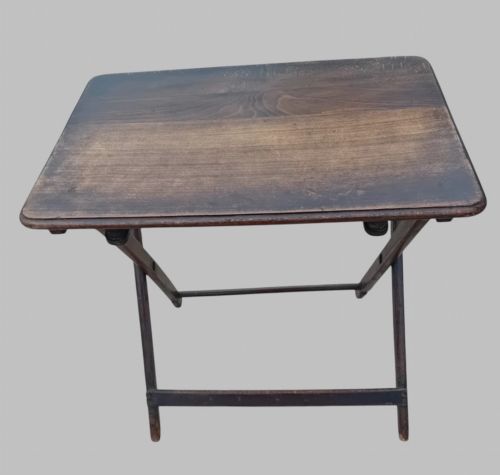
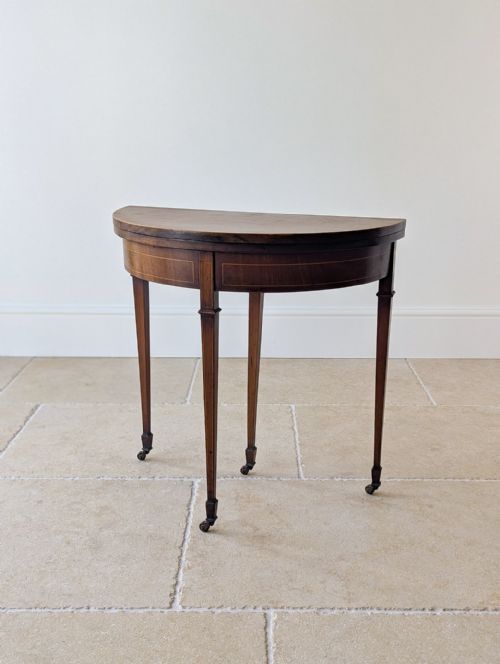
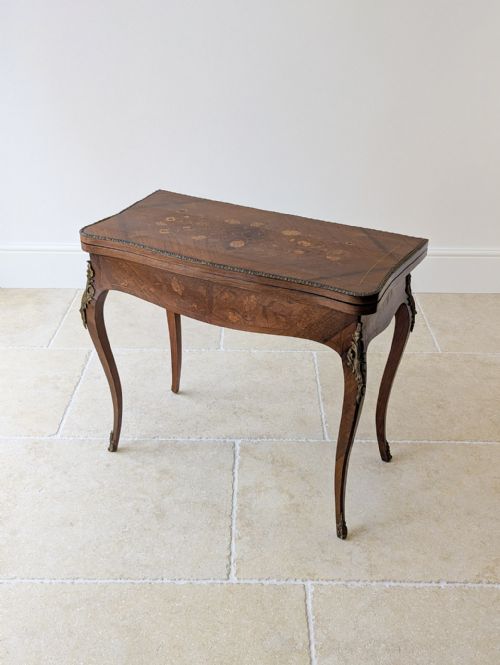
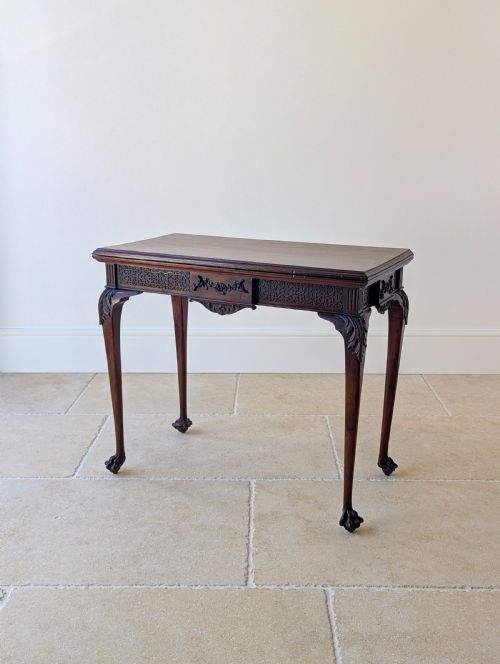
When you search for an Edwardian style card table, you encounter pieces primarily from the Edwardian era, alongside Victorian, Regency, and Georgian revivals that share the same design language. The forms range from demilune and fold-over card tables to envelope tables and occasional games tables intended for drawing rooms and parlours.
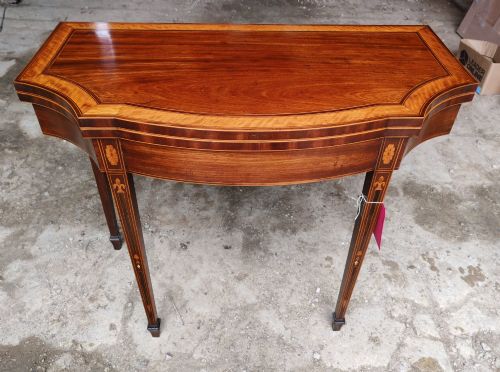
Mahogany and satinwood dominate the construction, often enhanced with boxwood and satinwood inlay reflecting Sheraton and Hepplewhite influences. Walnut and burr walnut versions also appear frequently, spanning the late nineteenth century through to the nineteen-twenties.
The primary function remains dual: a compact console or side table that expands into a baize-lined surface for cards or board games. This pragmatic flexibility explains their enduring appeal in modern interiors.
How They Were Made
Cabinet makers utilised dense hardwoods such as mahogany, walnut, and rosewood for the structural frames, often applying delicate veneers of satinwood and burr walnut to the main surfaces. Boxwood stringing and contrasting inlay delineate borders and geometric motifs, drawing on eighteenth-century traditions of marquetry.
Hinged tops, swivel actions, and pivoting mechanisms allow the folding surfaces to open smoothly while maintaining structural stability when closed. Subtle brass fittings and occasional ormolu mounts secure the joints and decorate the aprons.
Edwardian Style Card Table Retail Price Guide 2026
Typical asking prices for edwardian style card table among the pieces listed under this phrase on Sellingantiques today, from the lower quarter to the upper quarter. They describe what is for sale here now, not the wider market.
Listings span the eighteenth century to the nineteen-thirties, showing enduring revivals of Sheraton, Queen Anne, and Hepplewhite styles.
What Varies in Quality
The refinement of the timber and the crispness of the inlay define the upper tier of these pieces. Finely figured burr walnut and delicately hand-painted satinwood distinguish superior examples from plain mahogany constructions.
The precision of the folding mechanism and the tightness of the joints when closed reveal the original maker's skill. Finer pieces maintain alignment and stability without relying on modern hardware repairs.
Howard & Sons Ltd·Maple & Co·Edwards & Roberts·A. Wilcox
The Edwardian Style Card Table Glossary
- Demilune
- Half-moon shaped. These tables sit flush against a wall when closed and open to a full circle or semicircle for play.
- Envelope table
- A square card table with four triangular flaps that fold inward like an envelope to reveal a baize-lined interior.
- Inlay
- The technique of inserting pieces of contrasting wood, such as boxwood or satinwood, into recesses in the primary wood to create decorative patterns.
- Sheraton Revival
- A late nineteenth and early twentieth-century design movement inspired by the neoclassical furniture of George Sheraton, characterised by tapered legs and delicate marquetry.
- Baize
- A coarse woollen material, traditionally green, used to line the playing surface of card and games tables.
Edwardian Style Card Table: Frequently Asked Questions
How do I use a folding card table?
Most examples feature a hinged top that swivels ninety degrees and folds out to reveal a lined playing surface supported by the pivoted frame.
When closed, the piece functions as a standard side or console table against a wall.
What is the difference between Edwardian and Sheraton revival?
Sheraton revival pieces specifically copy the light neoclassical aesthetic, tapering legs, and satinwood veneer characteristic of eighteenth-century designer George Sheraton.
Edwardian pieces encompass these revival styles alongside simpler inlaid mahogany forms made around the nineteen-hundreds.
Are these tables suitable for everyday use?
Their original purpose was social entertainment, making them well-suited for modern living spaces as occasional desks or display surfaces.
Care should be taken with polished wood surfaces and historical folding mechanisms during frequent conversion.
How can I tell the period from the style?
Details like heavier ormolu mounts and darker mahogany often point towards Victorian production, whilst lighter satinwood inlay and refined proportions suggest Edwardian manufacture.
Construction methods and timber selection provide further clues to date the piece accurately.