



Edwardian Style Bench
Edwardian style bench pieces encompass seating designed around the turn of the twentieth century, offering practical function and period character for modern interiors.
Edwardian Style Bench
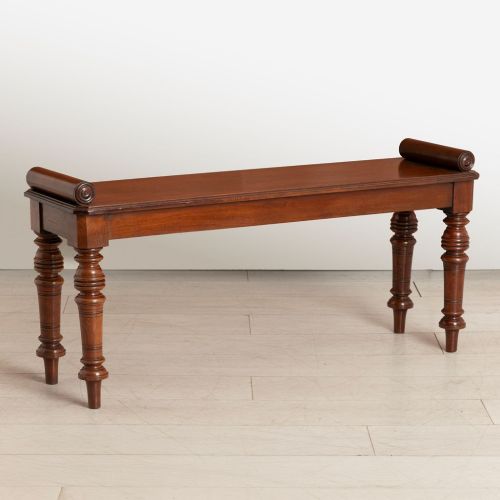
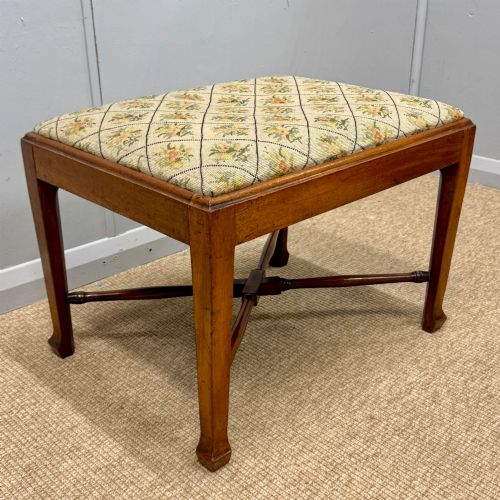
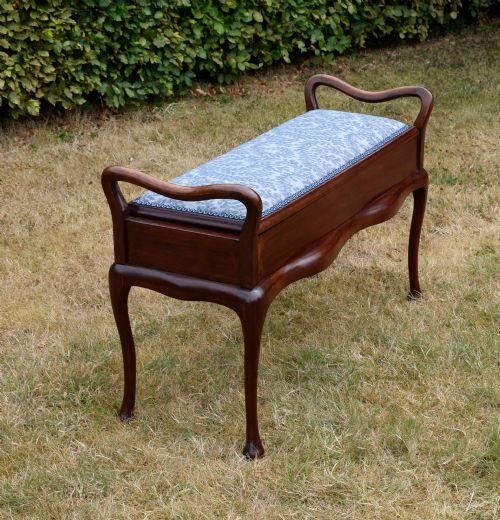
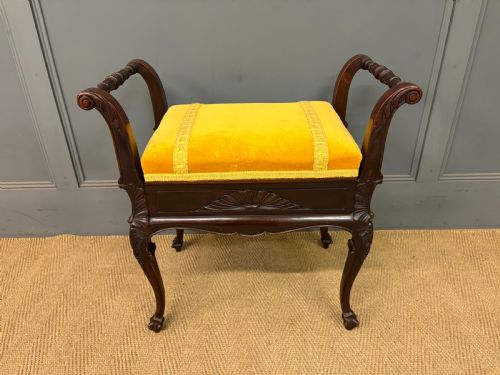
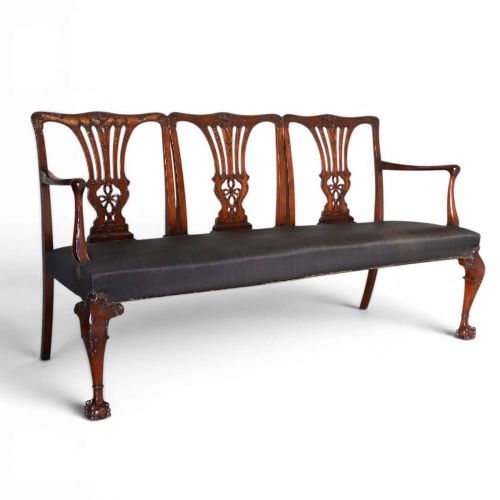
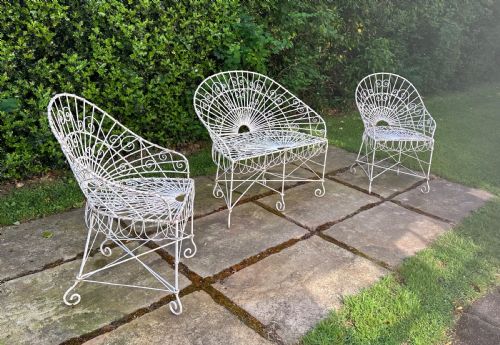
When buyers search for an edwardian style bench, they encounter a diverse selection of seating forms spanning hall benches, window seats, piano stools, and small settees. The pieces appearing in these listings range widely in date from the late nineteenth century through to the interwar period, reflecting both original manufacture and later revivals.
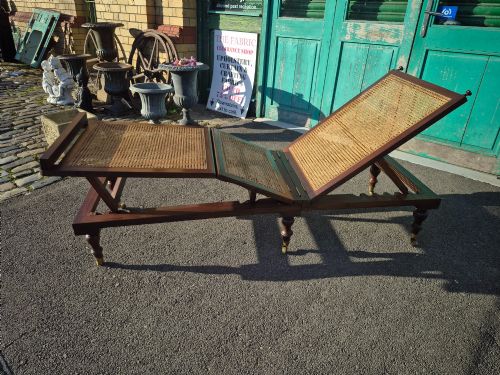
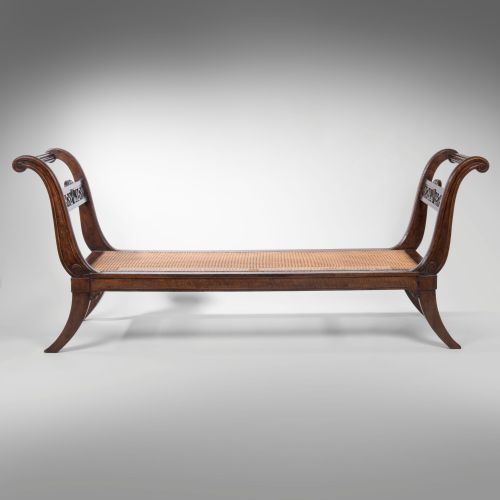
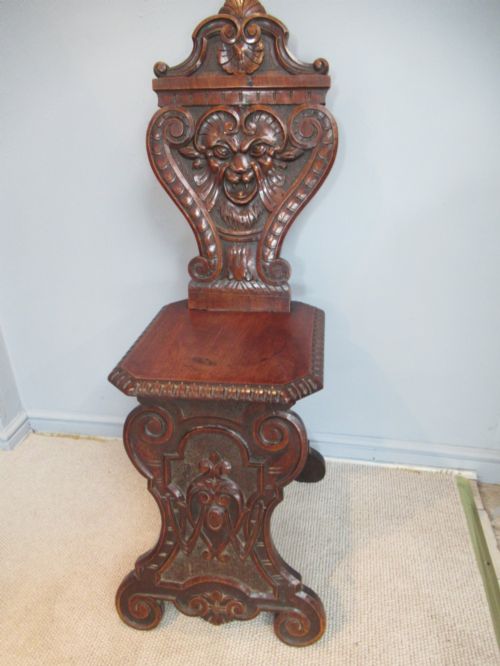
The selection includes substantial oak settles alongside lighter satinwood settees and cane-detailed couches. Buyers frequently meet pieces that draw upon Georgian, Sheraton, and Arts and Crafts design vocabulary while retaining the proportions typical of the early twentieth century.
How they were made
Cabinetmakers utilised solid timbers such as mahogany, oak, and walnut, frequently enhancing surfaces with satinwood inlay or giltwood details. Canework and turned wooden components appear regularly across stools and smaller benches.
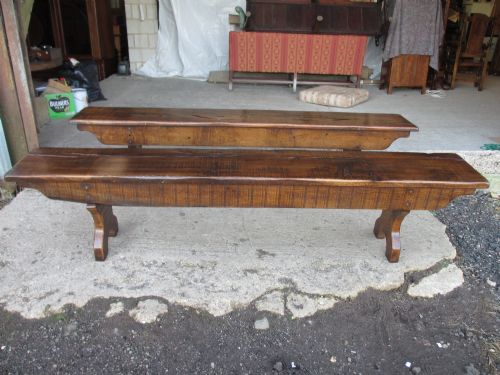
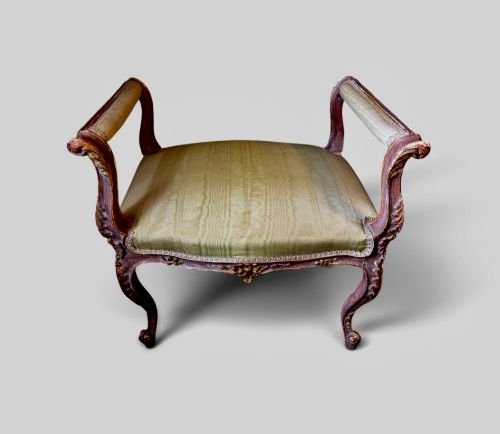
Upholstery techniques varied from simple drop-in pads to buttoned silk damask and fabric coverings supported by brass castors. Joinery methods combined traditional mortise and tenon construction with turned stretchers and carved trestle ends.
Recorded periods span from the nineteenth century through the Edwardian era up to the nineteen-thirties.
What varies in quality
Quality rests upon the crispness of carved wooden details, the tightness of structural joints, and the selection of timber veneers. Pieces featuring hand-carved ornamentation or inlaid satinwood display greater artisanal skill than plain utility examples.
The integrity of secondary elements such as original brass castors, woven cane panels, and period upholstery fabrics determines the overall refinement of an individual piece.
Howard And Sons·Thonet·Shapland And Petter
The Edwardian Style Bench Glossary
- Settle
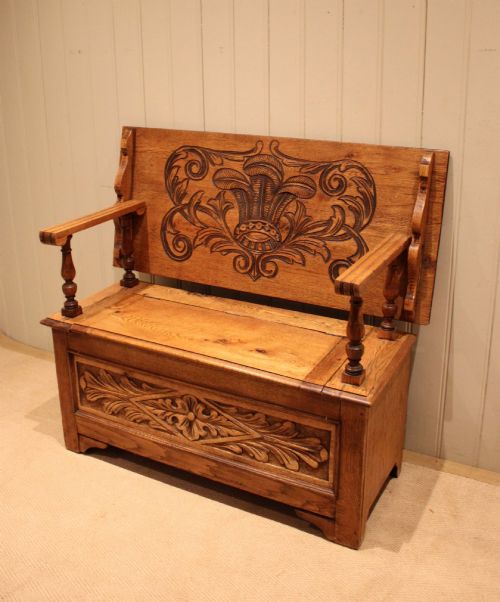
- A wooden bench with a high back, solid arms, and often a storage compartment beneath the seat. This form provides draught-exclusion in hallways and living rooms.
- Canework
- Woven rattan or cane material utilised for seat panels and backs. It offers lightweight flexibility and visual transparency.
- Window seat
- A low, long seat designed to fit within a window recess. These items typically feature upholstered tops and slender legs.
- Monks bench
- A convertible piece of furniture functioning as a table with a tipping back that forms a bench when lowered. It serves dual purposes in smaller rooms.
- Stretcher
- A horizontal wooden rod connecting the legs of a bench or stool for structural stability. Intersecting examples form cross stretchers.
Edwardian Style Bench: Frequently Asked Questions
What is an edwardian style bench?
An edwardian style bench is a seating item produced during or inspired by the Edwardian era, encompassing piano stools, window seats, and hall settles.
These items utilise traditional woods like mahogany and oak, often featuring revival styles derived from earlier Georgian and Sheraton designs.
How were these benches used?
Historically, these benches served specific domestic functions in hallways for changing shoes, near pianos for seating musicians, or in window alcoves.
Larger settles and settees provided communal seating in living spaces and country houses during the late nineteenth and early twentieth centuries.
Where should I place an edwardian bench?
These benches integrate well into modern hallways as practical drop zones, or beneath windows as low seating.
Piano stools and small upholstered stools function effectively as moveable seats in bedrooms and living rooms.
How do I distinguish periods?
Distinguishing periods relies on observing material choices, carved ornament styles, and construction techniques evident in the woodwork.
Heavy carved oak frequently points towards Arts and Crafts or Jacobean revival influences, whereas inlaid satinwood and painted finishes suggest Edwardian elegance.