

Edwardian Sterling Silver Gift
Edwardian sterling silver gift pieces are tactile tokens of affection, and on this page you will find functional silver objects made for milestones.

Edwardian Sterling Silver Gift
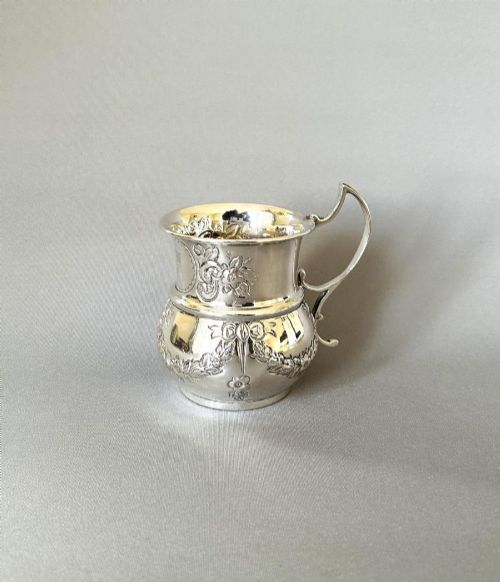
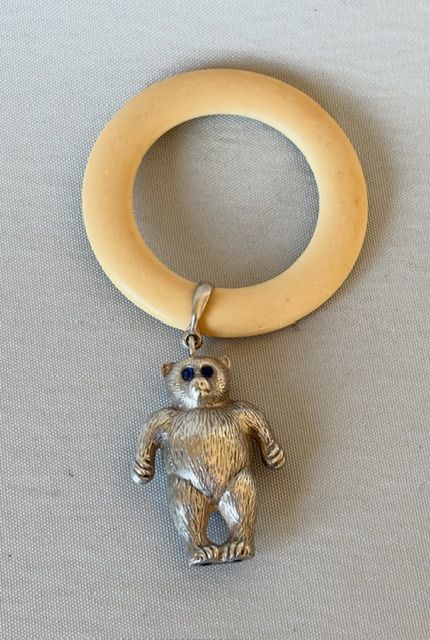
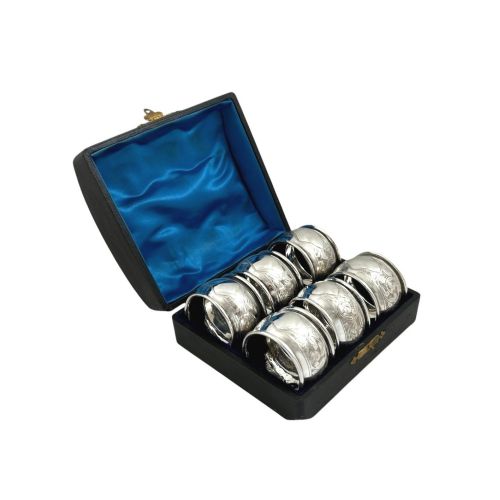
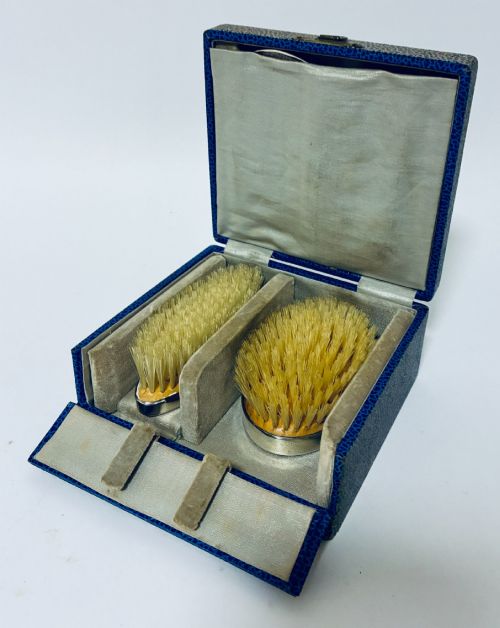
When you search for an edwardian sterling silver gift, you are looking at small functional items and presentation pieces intended to mark significant personal occasions. These objects range from christening sets and napkin rings to vesta cases, desk accessories, and devotional items designed to be handled and used. Many survive in their original fitted presentation cases, complete with silk and velvet linings.
The pieces on this page lean heavily towards the Edwardian period and the surrounding decades of the late Victorian and George V eras. You will frequently encounter christening mugs, boxed cutlery, and novelty items that reflect the social rituals of the early twentieth century. These items were purchased to celebrate births, weddings, and achievements, carrying forward a tradition of giving precious metal.
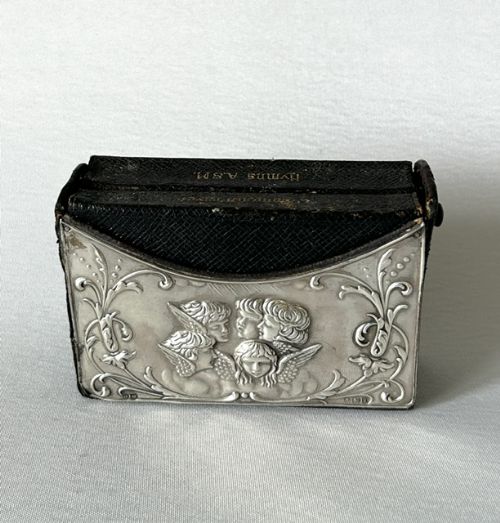
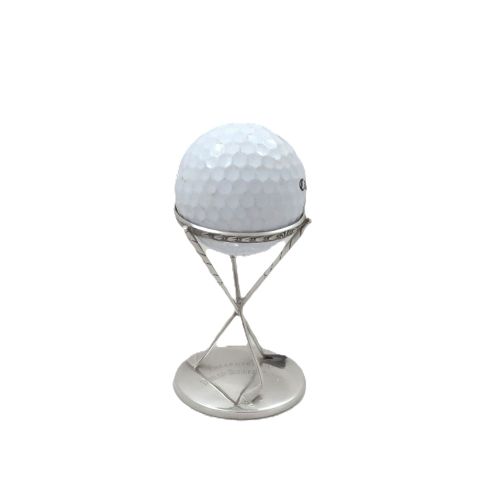
Beyond standard tableware, the selection includes personal accessories such as silver-fronted books, pill boxes, and specialised items like golf ball stands or miniature watering cans. This variety shows that gifting silver encompassed both domestic utility and personal amusement. The common thread is the use of sterling silver combined with craftsmanship intended to impress the recipient.
Materials and construction
The primary material across these pieces is sterling silver, frequently complemented by interior linings of silk, velvet, and leatherette within fitted presentation boxes. Makers utilised techniques such as stamping, casting, and hand engraving to shape the metal into complex forms like novelty animals, shells, and watering cans. Silver-gilt appears on items like spoons, adding a rich gold wash over the sterling base.
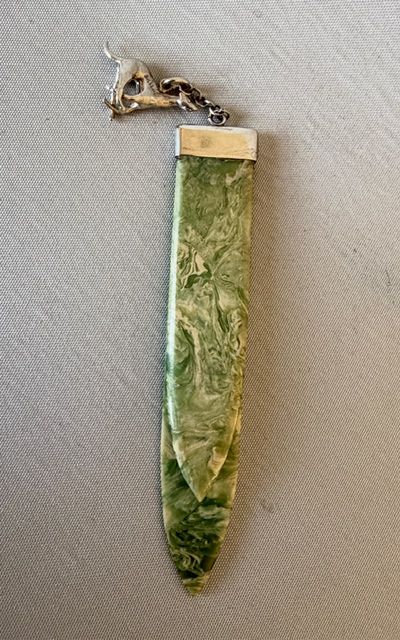
Many of the boxed presentation sets incorporate auxiliary materials such as mother-of-pearl for teethers or steel for knife blades and penknife combinations. Enamel work provides vibrant colour highlights on specific pieces, particularly on vestas and letter openers. The construction relies on secure hinges, bezels, and fitted wooden boxes covered in leather or paper to protect the silver within.
Edwardian Sterling Silver Gift Retail Price Guide 2026
Typical asking prices for edwardian sterling silver gift among the pieces listed under this phrase on Sellingantiques today, from the lower quarter to the upper quarter. They describe what is for sale here now, not the wider market.
Listings feature items spanning from the mid-eighteenth century through the Victorian, Edwardian, and George V periods, executed in sterling silver with velvet and silk.
Distinguishing finer examples
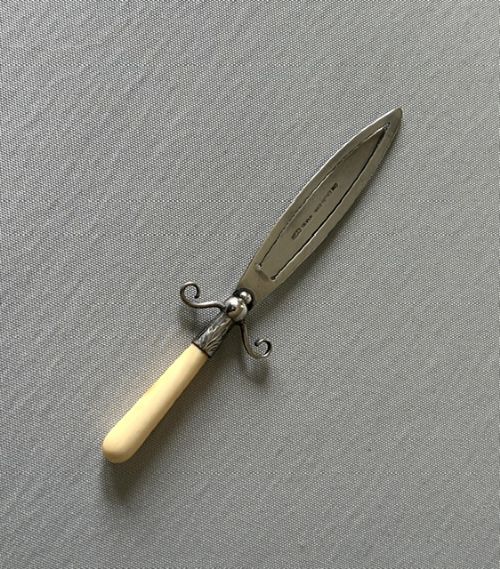
Quality in these silver objects rests upon the crispness of the chasing and engraving, and whether specialised decorative techniques like enamelling remain intact and vibrant. Pieces that feature sculptural modelling, such as novelty animal vestas or figural letter openers, demonstrate greater artisanal skill than plain utilitarian items. The presence of well-struck hallmarks showing clear maker marks and assay office details elevates the standing of a piece.
The survival of original fitted cases lined in silk and velvet adds significant contextual value to a gift set. Maker attribution also plays a role, as pieces bearing marks from established firms command attention for their superior finishing and heavier gauge silver. Ultimately, the integration of multiple materials, such as silver-gilt or mother-of-pearl, points to higher-tier production.
C.T. Burrows & Sons·A. Barrett·Tiffany & Co
The Edwardian Sterling Silver Gift Glossary
- Sterling silver
- A silver alloy containing 92.5 percent pure silver and 7.5 percent other metals, usually copper, to add strength. This is the standard standard for British silver objects.
- Vesta case
- A small pocket box with a striking surface, designed to hold matches. Edwardian examples often feature decorative engraving or novelty shapes.
- Silver-gilt
- Sterling silver that has been coated with a thin layer of gold on its surface. This technique was often applied to the bowls of spoons and interior compartments.
- Porringer
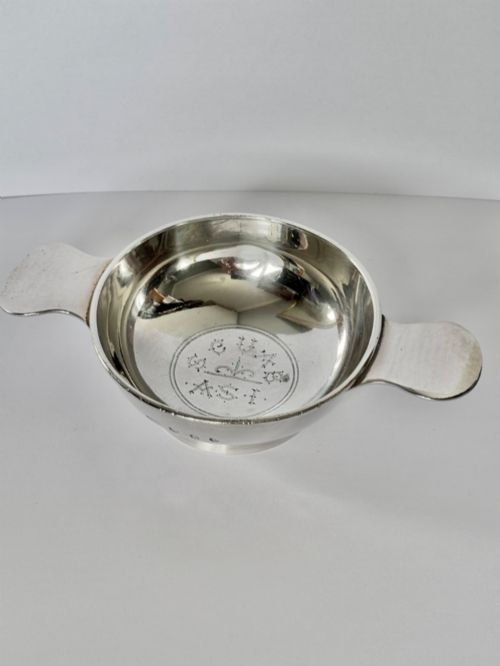
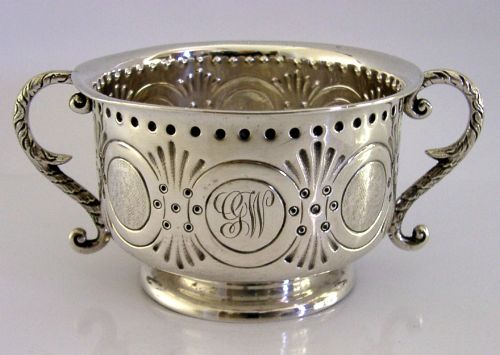
- A small, shallow bowl with one or two flat horizontal handles, commonly presented as a christening gift. They date back centuries but remain prevalent in Edwardian silver.
- Hallmark
- An official stamp or series of stamps applied to precious metals in Britain to indicate the purity, the assay office, the maker, and the year of production.
Edwardian Sterling Silver Gift: Frequently Asked Questions
How were christening mugs used?
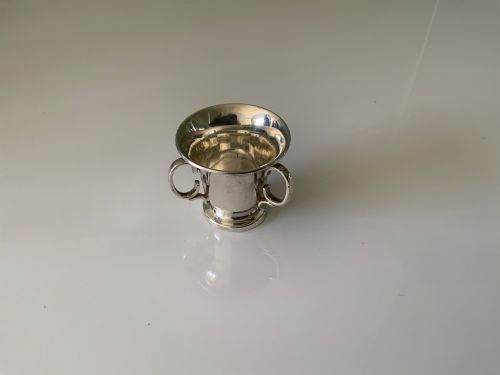
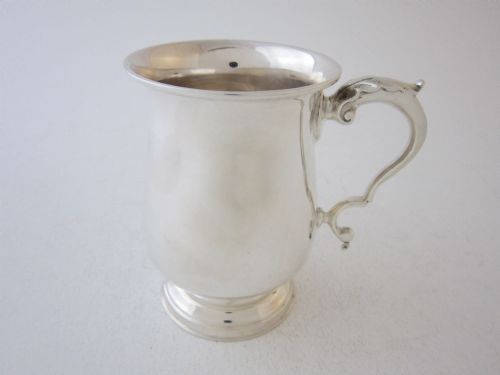
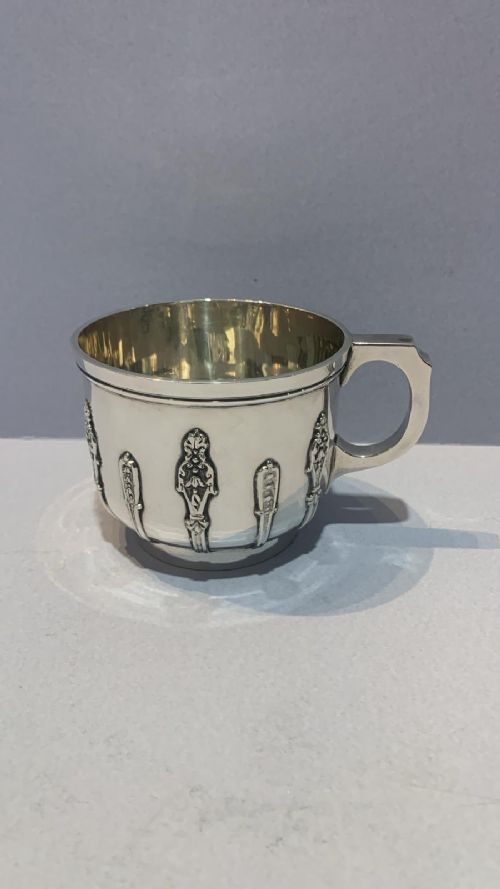
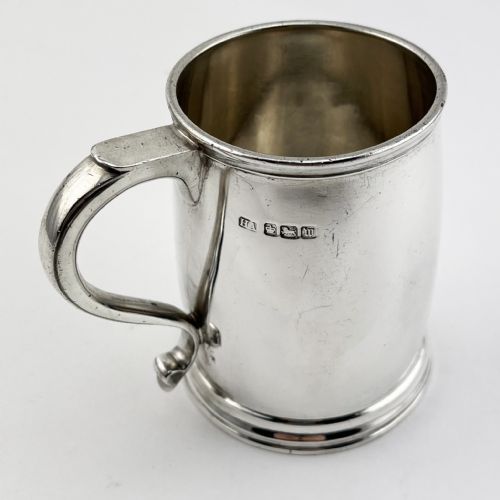
Christening mugs were presented to newborns as a durable keepsake to mark their entry into the family and community. While some were purely ornamental display pieces, others were designed for everyday use as the child grew.
The substantial weight of these silver mugs made them sturdy enough for daily childhood use, though many survived unused in presentation boxes. They frequently carry engraved initials or birthdates commemorating the specific infant.
What is a vesta case?
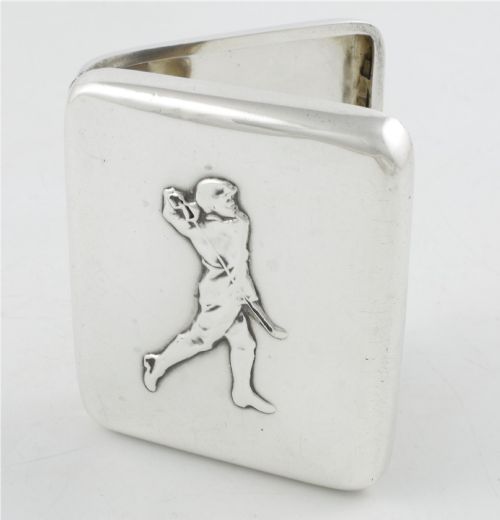
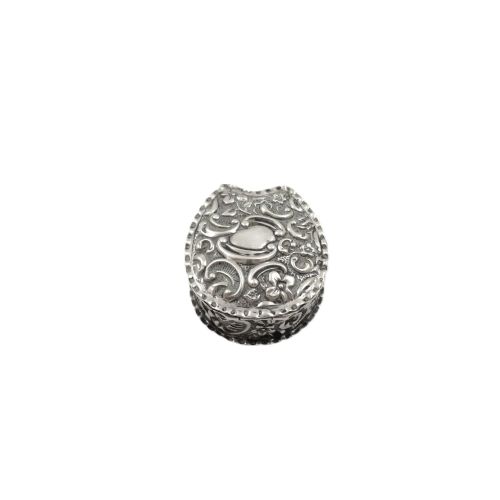
A vesta case is a small, hinged container engineered to safely carry matches in a pocket or handbag. They feature a serrated edge or grooved striking surface on the bottom for igniting the match.
These pocket cases were ubiquitous accessories before the widespread adoption of modern lighters. Silversmiths turned them into canvases for novelty designs, incorporating enamel dogs and sporting motifs.
Why are some items boxed?
Boxed presentation sets were purchased specifically as luxury gifts for weddings, christenings, and significant birthdays. The custom-fitted cases protected the silver from tarnish and damage while enhancing the presentation.
Lined with velvet, silk, or satin, these boxes provide a secure nest for items like napkin rings, apostle spoons, and christening sets. Surviving boxes often retain the stamp of the original retailer on the inner lid silk.
How do I identify an Edwardian piece?
Edwardian silver dates from the reign of King Edward VII between 1901 and 1910, though the aesthetic style often extends slightly beyond these dates. Hallmarks provide the definitive date letter corresponding to the specific assay office year.
Stylistically, Edwardian silver often draws inspiration from earlier Georgian and Victorian motifs while embracing lighter, more delicate forms. Look for clear date letters alongside the lion passant sterling mark to verify the exact year of manufacture.