
Edwardian Sterling Silver Dishes
Edwardian sterling silver dishes bring tactile grace to a table, offering solid craftsmanship and distinct period form.
Edwardian Sterling Silver Dishes
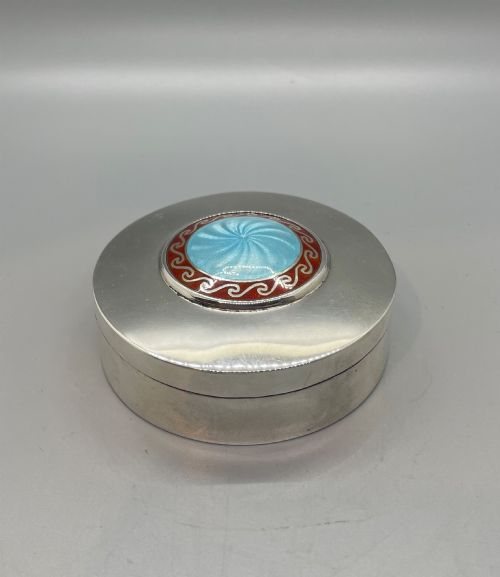
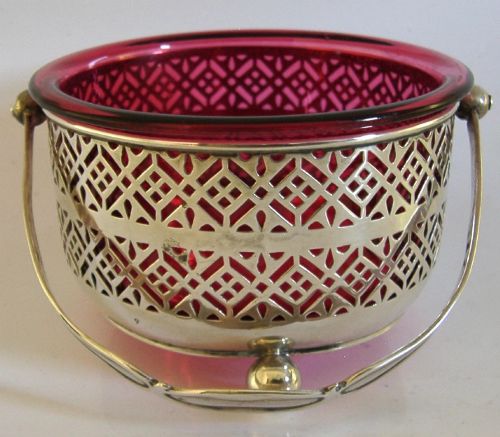
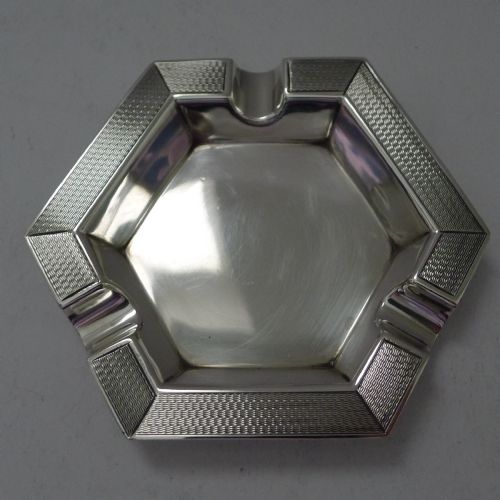
The dominant aesthetic draws heavily on the Edwardian era, though pieces stretch from late Victorian years into the early decades of the twentieth century. Alongside standard silver forms, items often integrate contrasting materials such as cranberry glass, satin glass, tortoiseshell, and silk linings.
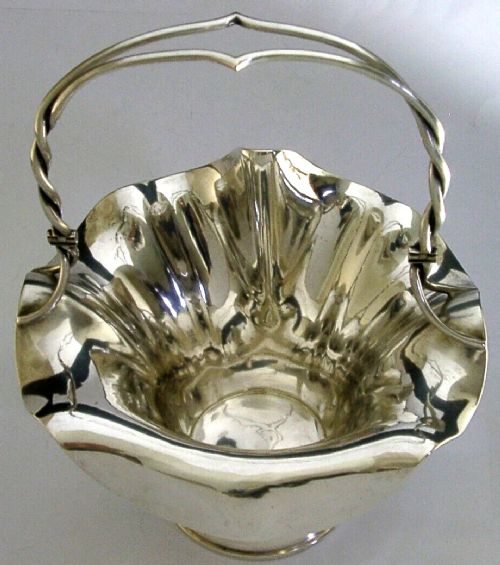
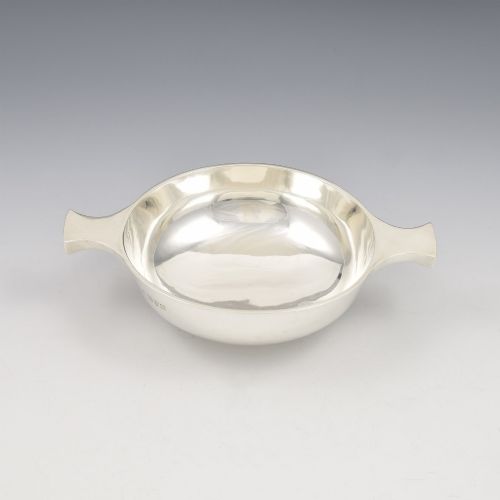
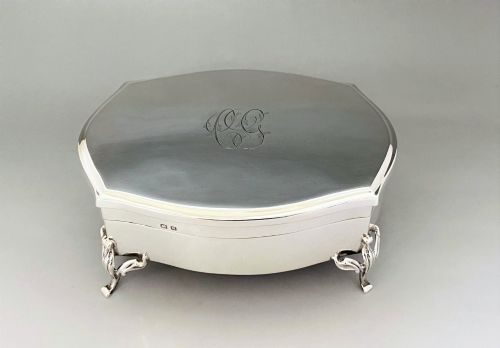
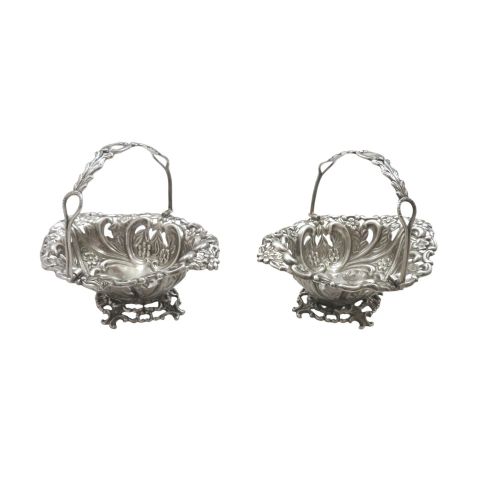
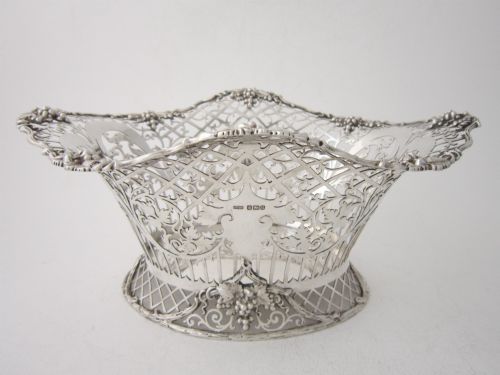
Buyers are most likely to meet swing-handled baskets, pedestal bowls, and small pin dishes bearing hallmarks from major English assay offices. These objects reflect the domestic social rituals of their period, serving formal dining tables, dressing tables, and display cabinets alike.
How They Were Made
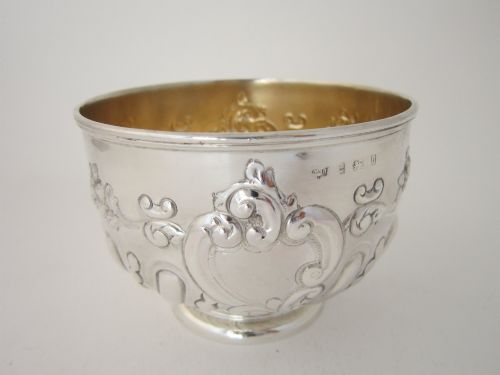
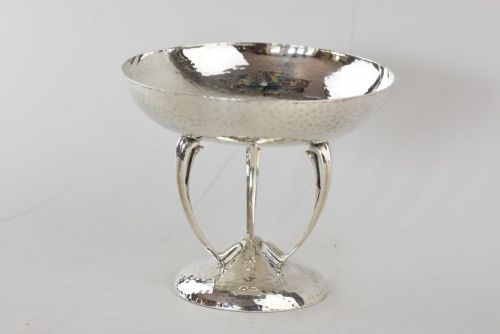
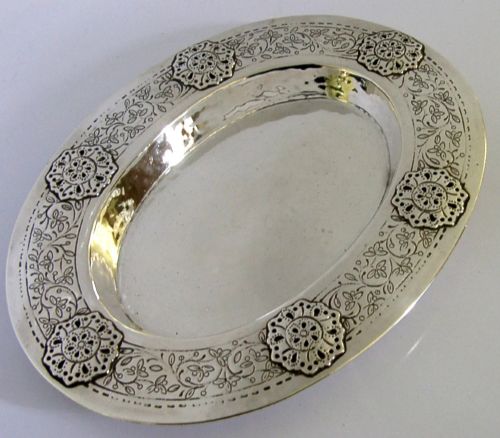
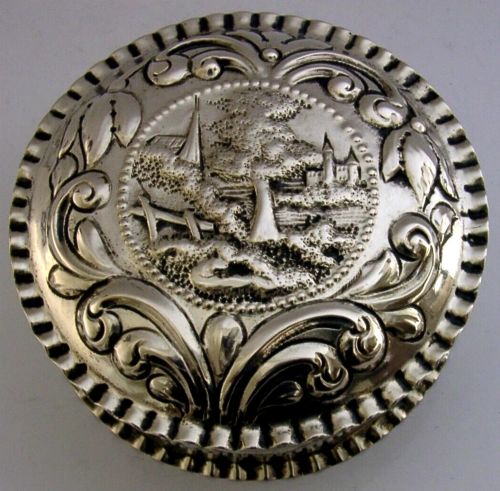
Silversmiths of the period relied on solid sterling silver, shaping heavy gauges of metal through hammering, spinning, and piercing techniques. Many surfaces display the hand-worked marks of the Arts and Crafts movement or elaborate repoussé floral motifs.
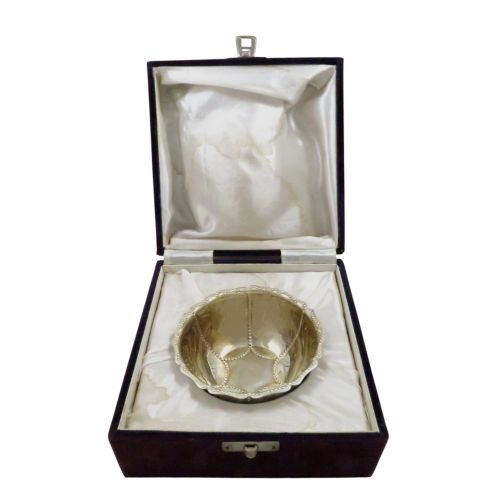
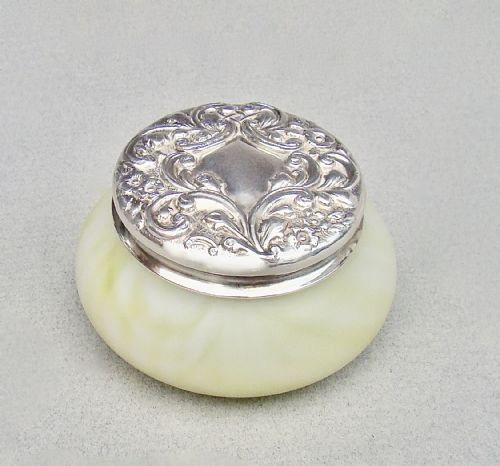
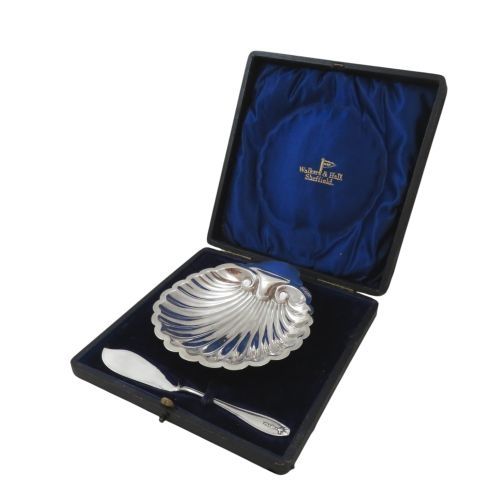
Makers frequently combined silver with auxiliary elements, mounting silver lids onto glass bodies or resting metal frames around cobalt and cranberry glass liners. Interior fittings often utilised velvet or satin to cushion jewellery and small keepsakes within fitted boxes.
Listings feature solid silver combined with cranberry glass, satin glass, tortoiseshell, and silk.
What Varies in Quality
Quality rests upon the weight of the silver and the crispness of the chasing or piercing. Heavier gauges retain their structural integrity and deep relief ornamentation far better than thinner stamped alternatives.
The integration of secondary materials dictates desirability, particularly when intact glass liners, unblemished tortoiseshell panels, or original fitted cases accompany the silver element. Provenance to notable makers or specific retail houses elevates the standing of an individual piece.
Nathan and Hayes·William Neale·Goldsmiths and Silversmiths Company·A. Bromet and Co·Liberty and Co·Tiffany and Co·Charles Boyton·William Comyns·Robert Pringle and Sons·Mappin and Webb·Asprey
The Edwardian Sterling Silver Dishes Glossary
- Sterling silver
- A silver alloy containing 92.5 percent pure silver and 7.5 percent other metals, usually copper, chosen for durability. This standard forms the basis of British hallmarked plate and hollowware.
- Tazza
- A shallow bowl or dish raised on a slender pillar and footed base. Originally used for serving small sweetmeats or fruit, it functions as a decorative centrepiece.
- Repoussé
- A metalworking technique where the smith hammers the silver from the reverse side to form a raised design in relief. Details are subsequently refined from the front using punches.
- Hallmark
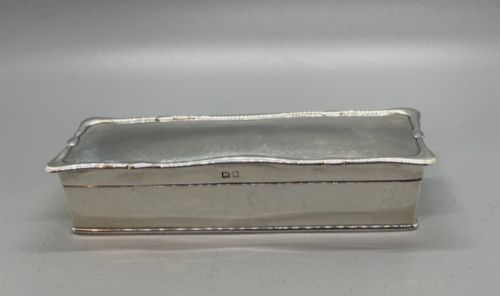
- An official stamp applied by an assay office to indicate the fineness of the metal, the maker, and the year of testing. British marks provide a reliable anchor for dating.
Edwardian Sterling Silver Dishes: Frequently Asked Questions
What were silver dishes used for?
These pieces served practical roles in wealthy Edwardian households, functioning as butter dishes, sugar baskets, and card trays for formal entertaining. Smaller vessels found a place on dressing tables as trinket boxes and pin dishes.
Many items were designed specifically for presentation or gifting, often preserved within their original fitted leather and silk-lined cases.
How do I identify an Edwardian piece?
Dating relies heavily on the assay office hallmarks stamped directly onto the silver, which record the specific year letter alongside the lion passant. stylistic clues include flowing Art Nouveau lines and delicate floral repoussé work characteristic of the early nineteen hundreds.
Pieces originating between the late Victorian period and the onset of the First World War generally share the characteristic weight and decorative restraint of the reign.
Can I use these dishes daily?
Solid silver tolerates careful everyday handling, though items featuring glass liners or delicate tortoiseshell require more mindful treatment. Regular polishing with a soft cloth removes tarnish without wearing down the underlying metal.
Pieces lined with silk or velvet should be kept dry to preserve the integrity of the fabric inserts.