




Antique Silver Butter Plates
These antique silver butter plates and dishes bring genuine dining elegance to the table, combining period craftsmanship with practical charm.
Antique Silver Butter Plates
When you search for antique silver butter plates, you encounter a specialised selection of serveware, tableware, and decorative dishes designed for formal dining tables. The items on this page span the Victorian, Edwardian, Art Nouveau, and Art Deco periods, ranging from the mid-nineteenth century through to the 1940s.
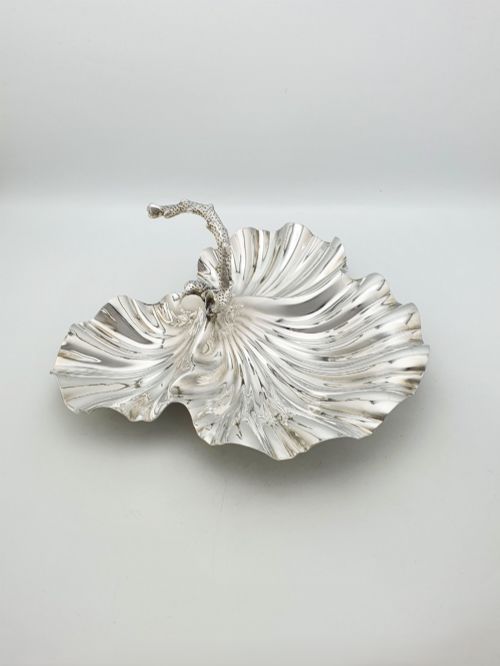
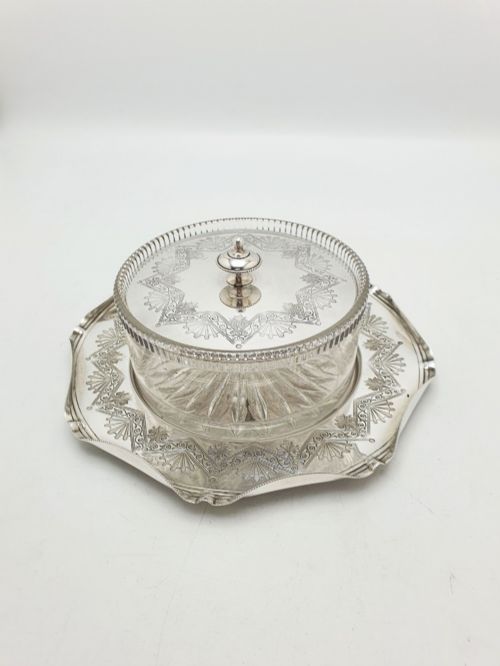
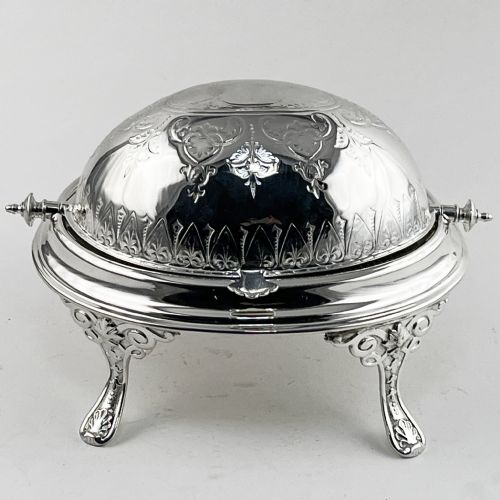
You are most likely to meet silver plated and sterling silver butter dishes, often paired with cut glass liners, alongside revolving lidded dishes and leaf-shaped serving pieces. These items originate from British and continental workshops, reflecting the shifting domestic habits and table settings of their respective eras.
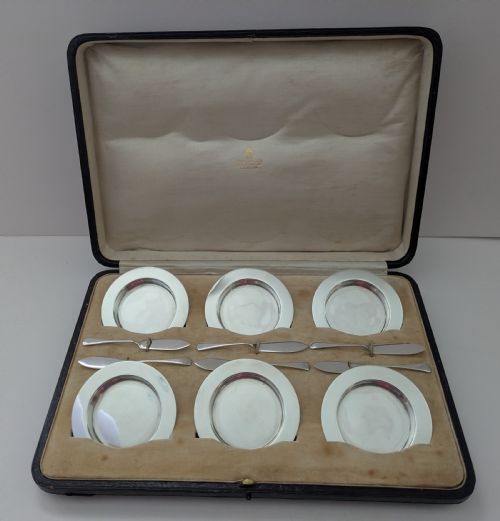
The assortment also encompasses related preserve dishes, jam pots, and associated cutlery sets featuring butter knives and pickle forks. Each piece demonstrates how Victorians and later generations elevated everyday table presentation into an art form.
How they were made
Makers utilised sterling silver and electroplated nickel silver over base metals, shaping them through casting, stamping, and silver-plating techniques. Structural elements like shell motifs and coral handles required skilled metalworking to achieve convincing naturalistic forms.
Cut glass liners were manufactured separately, often featuring heavy geometric or floral cutting to complement the reflective qualities of the surrounding silver frame. Leatherette and silk linings occasionally appear in fitted presentation cases for cutlery sets and associated serving pieces.
Antique Silver Butter Plates Retail Price Guide 2026
Typical asking prices for silver butter plates among the pieces listed under this phrase on Sellingantiques today, from the lower quarter to the upper quarter. They describe what is for sale here now, not the wider market.
Listings feature items spanning the Victorian, Edwardian, Art Nouveau, and Art Deco periods, utilising silver plate, sterling silver, and cut glass.
What varies in quality
The standard of execution in the metalwork largely dictates the quality of these pieces, separating mass-produced items from superior workshop output. Crispness in chased details, such as leaf veins and coral handles, marks out the better examples.
The integrity and clarity of the original cut glass liners also influence the overall standard, as replacements alter the intended harmony of the object. Weight, balance, and the durability of the silver plating reveal the original manufacturing investment.
Asprey & Co.
The Antique Silver Butter Plates Glossary
- Electroplated nickel silver
- A base metal alloy coated with a layer of pure silver through an electrolytic process. This technique became widespread in the nineteenth century to produce affordable domestic tableware.
- Sterling silver
- An alloy consisting of silver and other metals, usually copper, standardised at a high purity level. It represents the premier material for fine British silver tableware.
- Cut glass
- Glass decorated by grinding and polishing geometric or floral patterns into the surface. It adds weight and brilliance when combined with silver mountings.
- Revolving lidded dish
- A serving vessel featuring a roll-over or revolving dome lid that conceals the contents. This mechanical design kept butter and preserves protected on the dining table.
- Victorian naturalism
- A nineteenth-century design style drawing inspiration from the natural world. It frequently manifests in pieces shaped as leaves, shells, or floral clusters.
Antique Silver Butter Plates: Frequently Asked Questions
What are antique silver butter plates used for?
These dishes were originally designed to serve individual portions of butter or communal butter pats at the dining table during formal meals. They kept dairy products cool and presented them attractively alongside bread and preserves.
Today, collectors utilise them on modern dining tables for butter, jams, and small appetisers, or display them as decorative silver tableware.
How do I identify a Victorian butter dish?
Victorian butter dishes frequently feature heavy silver plating combined with clear glass liners and elaborate naturalistic decoration such as shells, leaves, and coral. They often date from the late nineteenth century and reflect the period's fondness for ornate table service.
Examining the style of engraving, handle design, and any stamped maker marks helps confirm the Victorian origin.
What is the difference between silver plate and sterling silver?
Sterling silver is a solid precious metal alloy composed mostly of silver, bearing official hallmarks that verify its metal content. Silver plate consists of a base metal, such as nickel silver, coated with a thin layer of pure silver.
Both materials appear frequently in antique tableware, with sterling pieces generally commanding higher regard among collectors.
How should I clean antique silver butter dishes?
Clean silver components gently using a specialist silver polish and a soft cloth to preserve the patina and avoid wearing down delicate plating. Avoid abrasive cleaners or harsh scrubbing that could damage engraved details or manufacturer marks.
Wash glass liners separately in warm soapy water and dry them thoroughly before reassembling the piece.