





Edwardian Sterling Silver Casket
An edwardian sterling silver casket is a small, precious receptacle for trinkets, jewellery or cards, prized for its intricate metalwork and lasting utility.
Edwardian Sterling Silver Casket
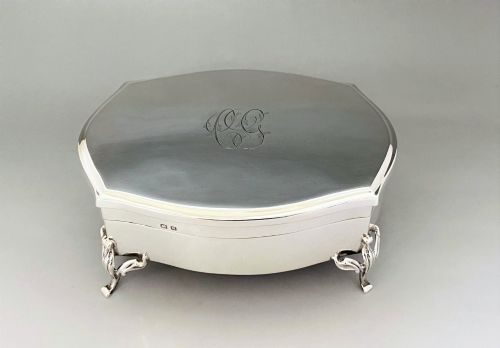
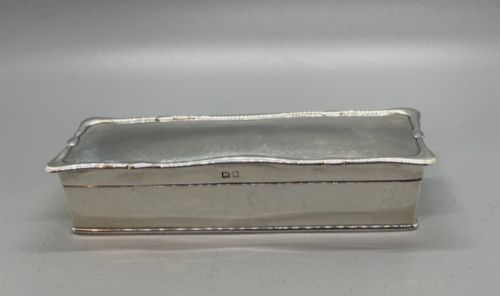
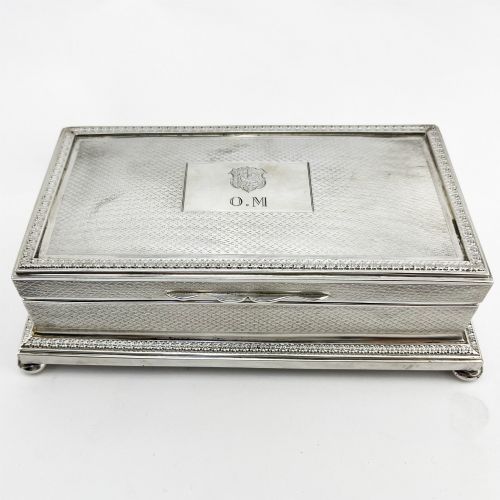
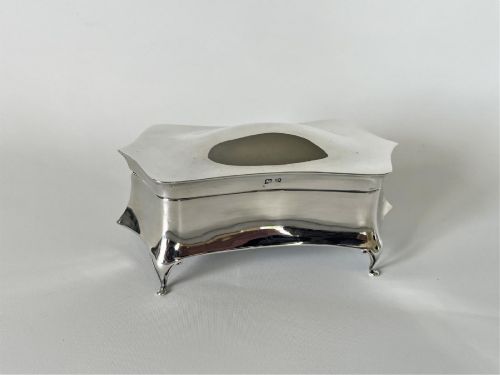
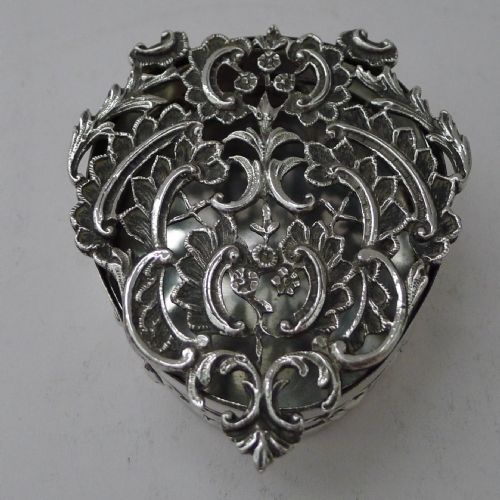
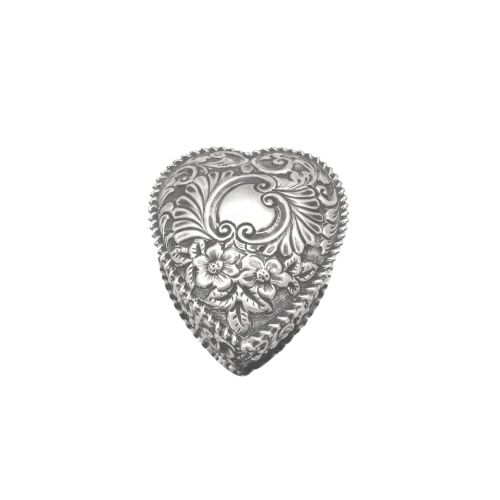
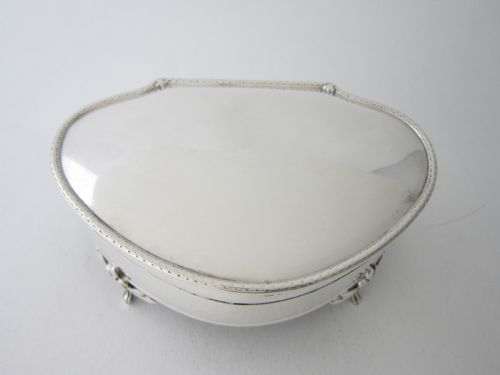
An edwardian sterling silver casket takes many forms on this page, appearing primarily as trinket boxes, jewellery boxes, and specialised containers for playing cards, cigarettes, or potpourri. Most examples date from the Edwardian period or the surrounding decades of the late Victorian and George V eras, reflecting the domestic habits of the early twentieth century.
The silhouettes range from simple rectangular and oval vessels to heart shapes, coffin shapes, and round dressing table pots. Makers shaped these pieces to sit upon dressing tables or mantelpieces, serving both a decorative function and a practical use for safekeeping small valuables.
Origins are predominantly English, featuring hallmarks from assay offices such as Birmingham and Chester. The overarching style draws upon Edwardian sensibilities alongside revivals of Art Nouveau, Arts and Crafts, Rococo, and Victorian Gothic motifs.
Materials and construction methods
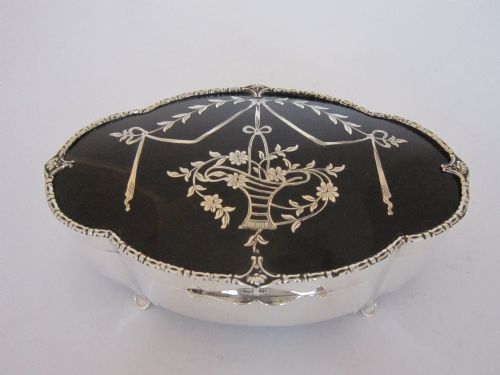
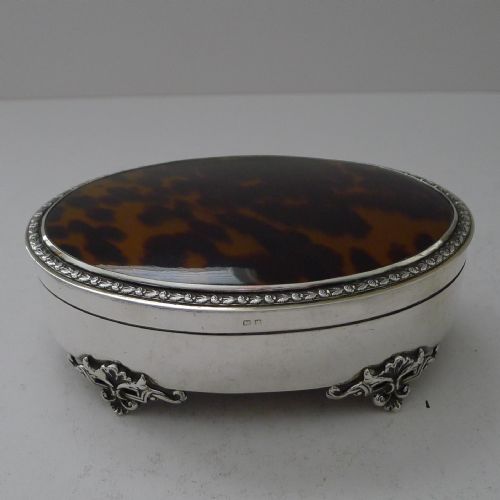
Silversmiths constructed these caskets using sterling silver sheets, often combining the metal with contrasting materials such as tortoiseshell, glass, wood, leather, or enamel. Interiors frequently received a gilt wash to provide a rich golden contrast against the silver exterior.
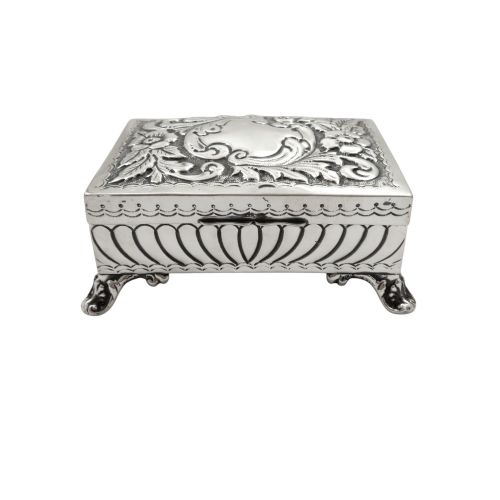
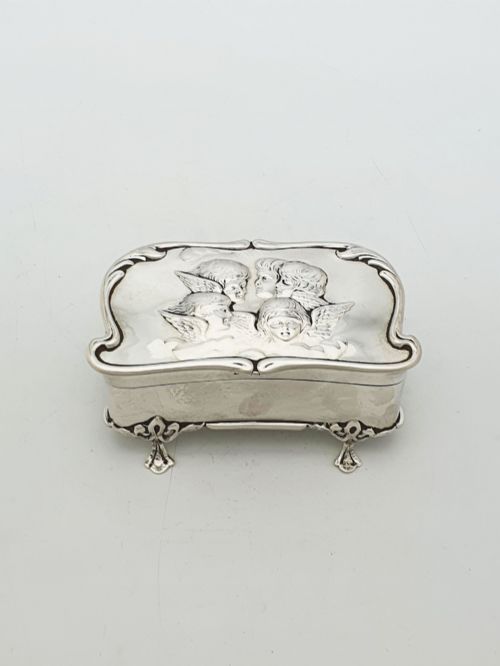
Decoration relied on hand techniques including repoussé work, chased floral scrolls, figural reliefs showing cherubs, and pierced openwork lattices. Hinged lids, velvet or silk linings, and fitted compartments completed the internal architecture of the jewellery and ring boxes.
Watch for boxes shaped like tiny coffins, proving that Edwardian sentimentality had a distinctly macabre sense of humour.
Distinctions in manufacture and preservation
Quality rests in the crispness of the chased or embossed detail and the weight of the silver plate used for the body. Pieces featuring hand-worked relief, such as figural cherubs or complex floral scrolls, demonstrate greater artisan skill than plain stamped alternatives.
The integration of secondary materials like tortoiseshell or enamel dictates the refinement of a piece. Secure hinges, intact original interior linings, and legible city assay marks elevate a casket above damaged or heavily worn examples.
William Comyns·William Hutton·A & J Zimmerman Ltd·William Neale & Sons·Deakin & Francis·H. Matthews
The Edwardian Sterling Silver Casket Glossary
- Hallmark
- Official stamps struck into precious metals to indicate the standard of purity, the assay office, and the year of manufacture. These marks provide the primary evidence for dating an English silver piece.
- Sterling silver
- An alloy consisting of ninety-two point five percent silver by mass, with the remainder composed of copper or other metals. This standard has governed British silver production for centuries.
- Repoussé
- A metalworking technique where the artisan hammers the silver from the reverse side to form a raised design in relief. Detail is then refined from the front using chasing tools.
- Gilt interior
- A thin layer of gold applied to the inside surface of a silver box, usually via fire gilding or electroplating. This finish protected the silver from tarnishing when in contact with cosmetics or perfumes.
- Tortoiseshell
- The mottled brown and amber shell of certain turtle species used as an overlay panel on silver boxes. It is frequently inlaid with piqué silver work.
Edwardian Sterling Silver Casket: Frequently Asked Questions
What were edwardian silver caskets used for?
These boxes served as functional containers on dressing tables and living room surfaces, holding items like rings, necklaces, hairpins, and loose trinkets. Larger versions were specifically built to store playing cards, cigarettes, or dried potpourri flowers.
Their presence in the home reflected a period when personal accessories required dedicated, decorative storage solutions to protect delicate materials from dust and handling.
How do I identify an edwardian piece?
Dating relies heavily on the hallmarks struck directly into the silver, which record the assay office town and a specific date letter corresponding to the year of manufacture. Stylistic clues also help, as Edwardian items often blend classical motifs with the flowing lines of early twentieth-century design.
The inclusion of specific registry marks or the presence of reigning monarch indicators provides further context for placing a box within the early 1900s.
How should I clean my silver casket?
Silver requires gentle maintenance using a soft microfibre cloth and a reputable silver polish formulated to remove tarnish without abrading the metal surface. Care must be taken around inset materials like tortoiseshell, glass, or enamel to avoid harsh chemical contact.
Keeping the box in a stable environment away from high humidity helps prevent rapid re-tarnishing and protects any delicate fabric linings inside.
Why do some boxes have tortoiseshell or enamel lids?
The combination of sterling silver with organic tortoiseshell or vitreous enamel was a hallmark of luxury goods production at the turn of the twentieth century. These contrasting textures provided a colourful and tactile contrast to the bright reflective surface of the silver body.
Enamel offered vibrant colour panels, while tortoiseshell added deep amber tones that caught the light on a dressing table.