

Edwardian Sterling Case
When searching for an edwardian sterling case, buyers find protective silver containers for pocket items, from matches to sovereign coins, valued for fine assay marks and period craftsmanship.
Edwardian Sterling Case
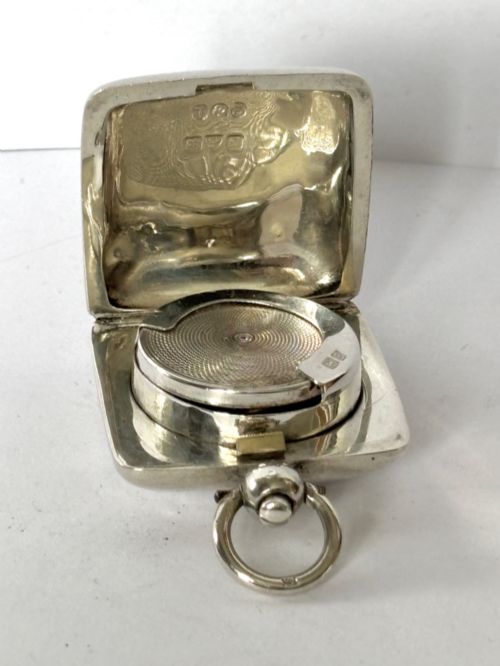
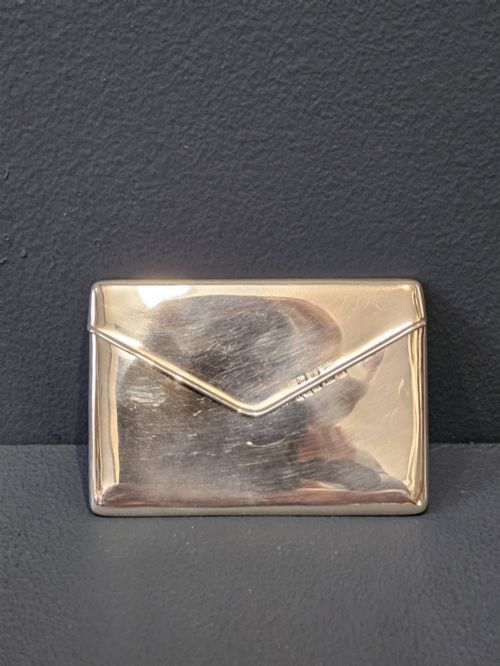
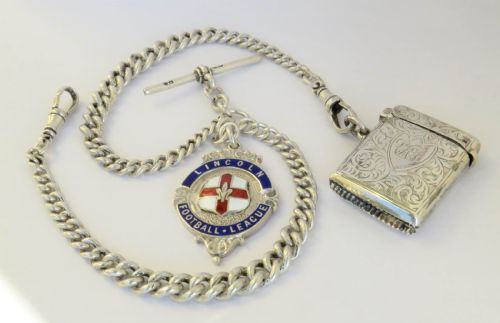
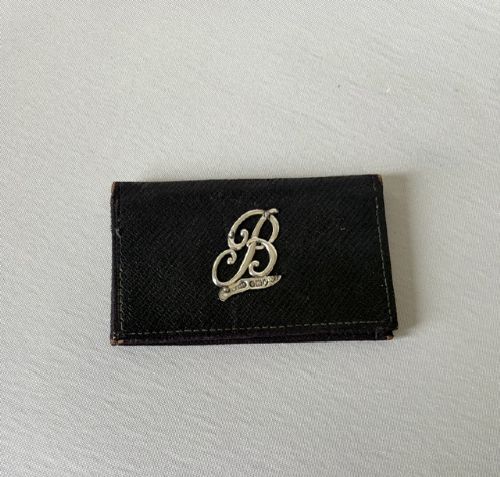
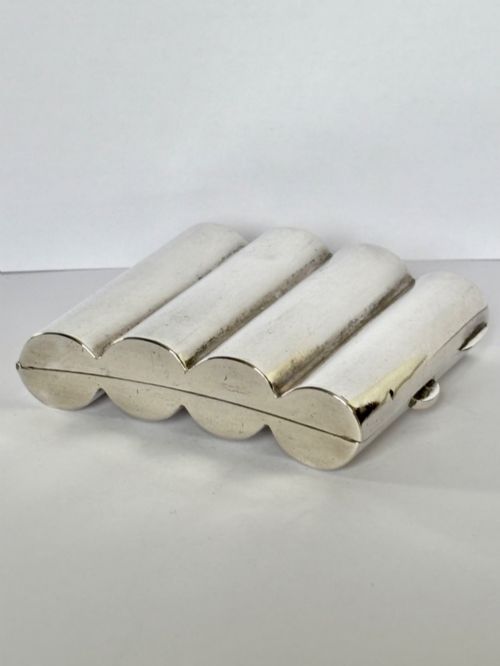
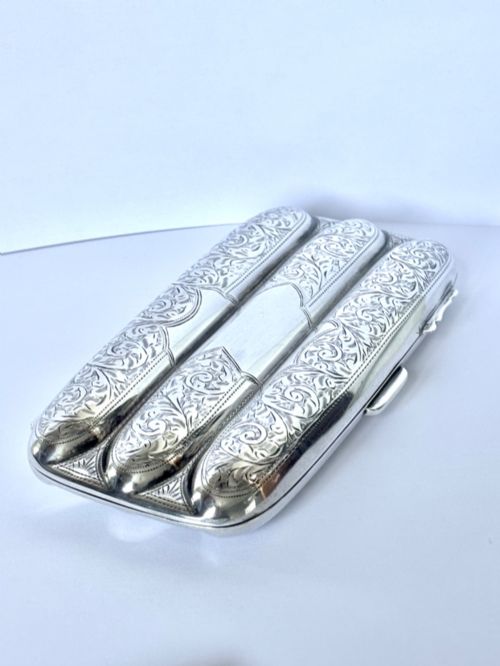
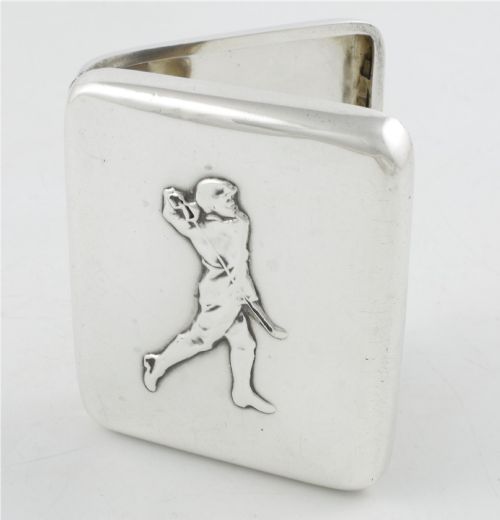
An edwardian sterling case encompasses small personal silver containers designed to house items such as matches, coins, cigarettes, and cards during daily carriage. The pieces encountered on this page stretch from the late Victorian era through the Edwardian period and into the 1930s, reflecting the refined accessories of those decades.
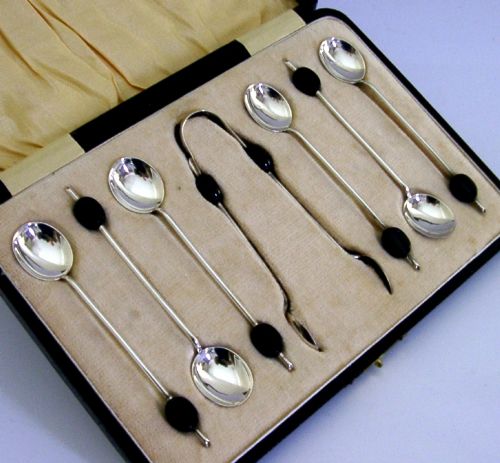
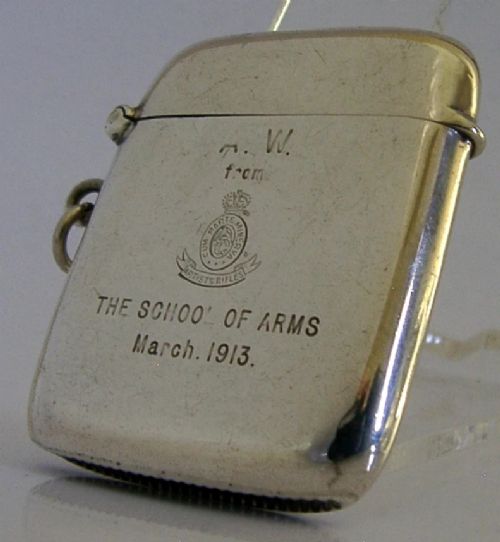
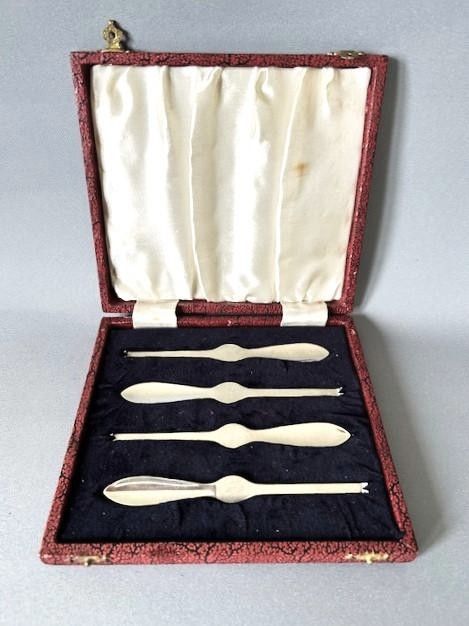
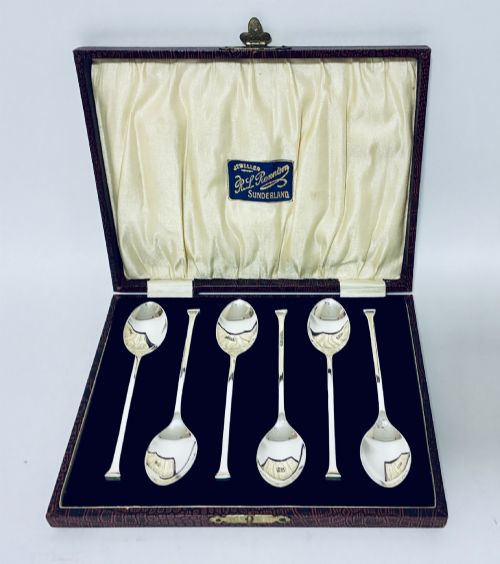
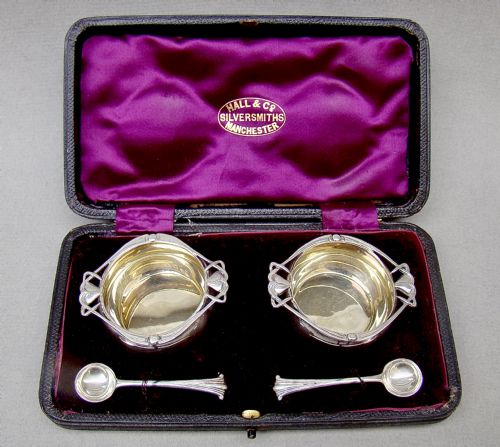
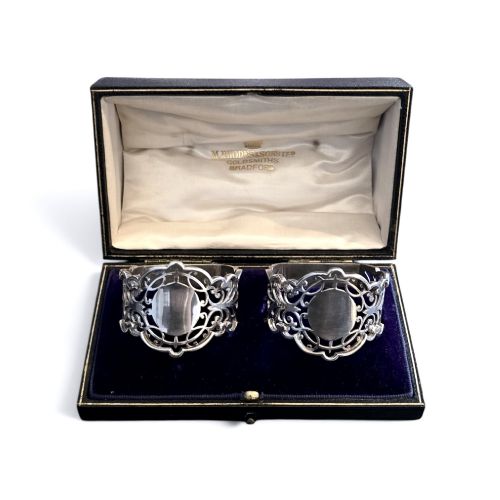
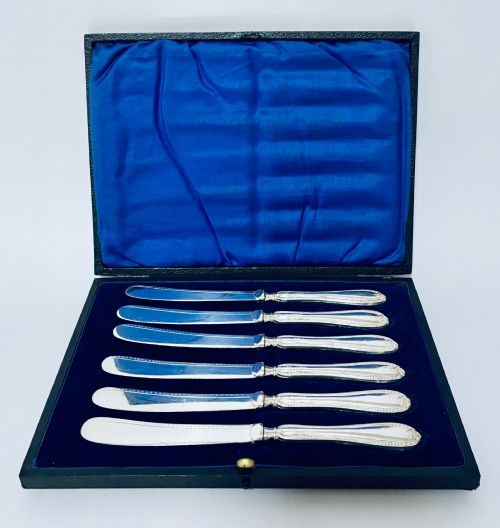
Forms vary widely according to original function, including hinged vesta boxes for matches, circular sovereign holders, slender cigarette cases, and fitted leather travel beakers with sterling elements. Many survive alongside original fitted presentation boxes lined with silk or velvet.
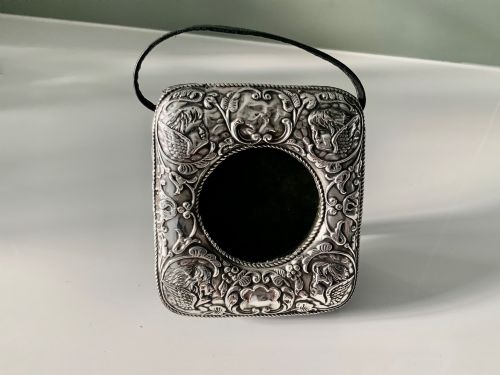
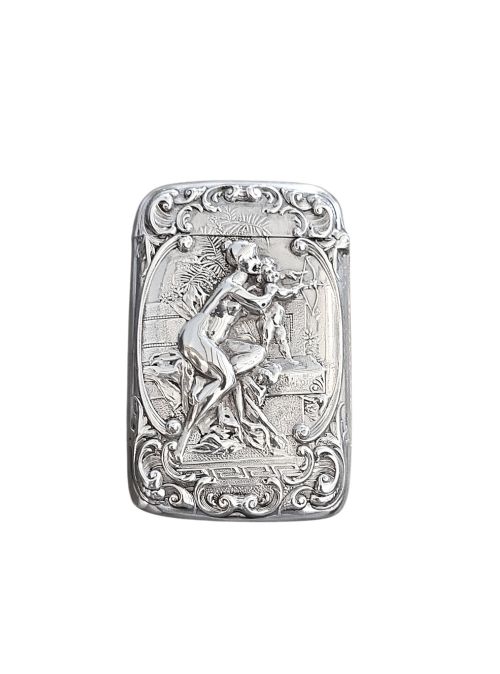
Makers utilised solid sterling silver, frequently paired with interior gilding, leather, or textile linings to protect delicate contents. Examples range from plain polished surfaces to elaborate Art Nouveau motifs, sunbursts, and animal representations.
How They Were Made
Silversmiths constructed these items using sterling silver sheet, shaped by pressing, stamping, or hand-beating over steel stakes to achieve the desired rigidity and form. Hinges, catches, and suspension loops were soldered with precision to ensure secure daily operation.
Surface decoration relied on engine-turning, repoussé work, and engraving to render intricate Art Nouveau floral tendrils or geometric sunburst patterns. Interiors often received a wash of gold known as silver-gilt, while exterior protective shells incorporated fitted leather, crocodile skin, or leatherette coverings.
Edwardian Sterling Case Retail Price Guide 2026
Typical asking prices for edwardian sterling case among the pieces listed under this phrase on Sellingantiques today, from the lower quarter to the upper quarter. They describe what is for sale here now, not the wider market.
Several items incorporate whimsical animal motifs, including sculpted silver owls, retrievers, and detailed folding pocket knives.
What Varies In Quality
The distinction between standard production and superior craftsmanship rests on the thickness of the silver gauge and the crispness of the chased or engraved detail. Heavier metal gauge prevents denting and maintains structural integrity around spring-loaded hinges.
Quality also shows in the legibility of the assay office marks, maker's stamps, and date letters struck into the metal. Finer examples retain tight spring closures, perfectly flush lids, and intact interior linings of original silk, velvet, or satin.
Josiah Williams & Co·J H Hillcox·Joseph Gloster Ltd·Sampson Mordan·Martin Hall & Co·Asprey·Deakin & Francis·Charles Penny Brown·Aaron Lufkin Dennison·Robert Chandler·Levi & Salaman·F A Barrett·A Wilcox
The Edwardian Sterling Case Glossary
- Sterling silver
- An alloy containing 92.5 percent silver by mass, with the remainder being other metals, usually copper. This standard composition is verified by official assay office hallmarks.
- Vesta case
- A small pocket box specifically designed to hold safety matches and keep them dry. They typically feature a ribbed striking surface integrated into the base.
- Sovereign case
- A circular pocket container engineered to hold British gold sovereign coins securely. Many include internal spring mechanisms to dispense coins individually.
- Silver-gilt
- Sterling silver that has been coated with a thin layer of gold on its interior or exterior surfaces. This technique protects the silver from tarnishing in specific functional contexts.
- Assay mark
- An official stamp applied to precious metal items to guarantee their purity. These marks generally include the maker's mark, standard mark, town mark, and date letter.
Edwardian Sterling Case: Frequently Asked Questions
What were vesta cases used for?
Vesta cases served as portable containers for matches before the widespread availability of disposable lighters. Owners carried them in pockets or attached them to chatelaines to keep matches dry and prevent accidental ignition.
They became essential personal accessories for smokers and travellers alike. The integrated striking surface allowed the user to ignite a match securely while on the move.
How do I identify an Edwardian silver case?
Identification relies primarily on the hallmarks stamped into the silver, which record the assay office, the standard of metal, and a specific date letter. Edwardian pieces date from the reign of King Edward VII between 1901 and 1910.
Stylistic indicators also help determine the period. Many items from this era feature distinctive Art Nouveau motifs, organic floral shapes, or crisp heraldic engravings typical of early twentieth-century design.
Can I use a vintage sovereign case today?
These compact containers remain suitable for carrying modern coins, small pills, or folded notes. The internal spring mechanisms in sovereign cases continue to function effectively when the steel parts remain clean and uncorroded.
Care should be taken with delicate hinges and catches during regular use. Storing them in soft pouches prevents surface scratching to the antique silver.
Why do some cases have silk or velvet interiors?
Fitted textile linings cushioned delicate contents such as sewing needles, calling cards, or pocket watches against impact. Velvet and silk provided a soft barrier that prevented polished silver surfaces from scratching internally.
These tactile linings also added an element of luxury to presentation items given as gifts. Surviving textiles indicate how the case was originally intended to be used.