




Edwardian Sporting Artwork
Edwardian sporting artwork captures the energy and character of early twentieth-century field sports, racing and rural life through period paintings, watercolours and prints.
Edwardian Sporting Artwork
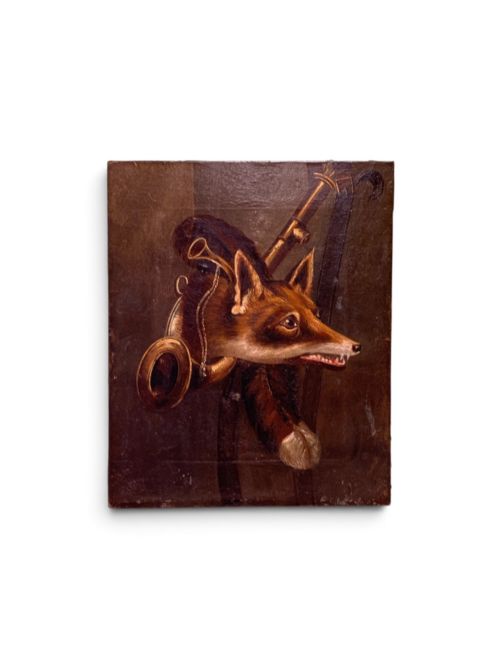
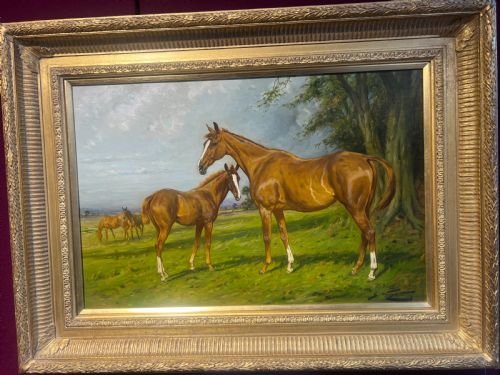
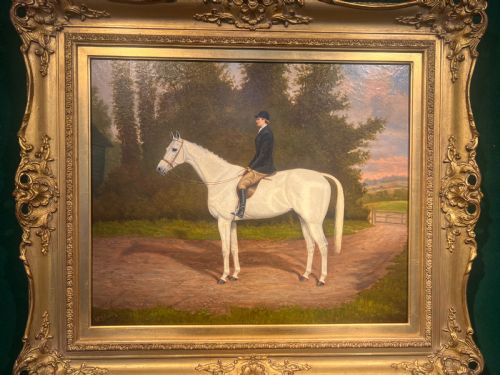
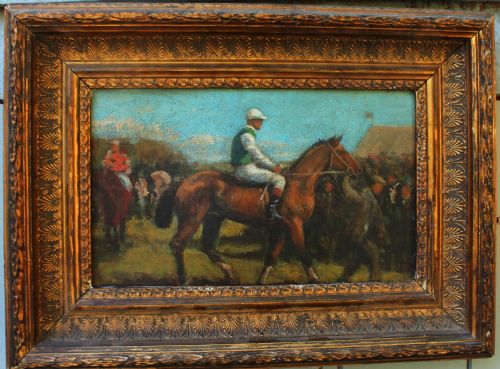
Edwardian sporting artwork encompasses paintings, watercolours, and prints depicting horses, hounds, game, and field sports created around the early twentieth century. These pieces reflect a period deeply engaged in equestrian pursuits, fox hunting, horse racing, and angling, recording them with observant detail.
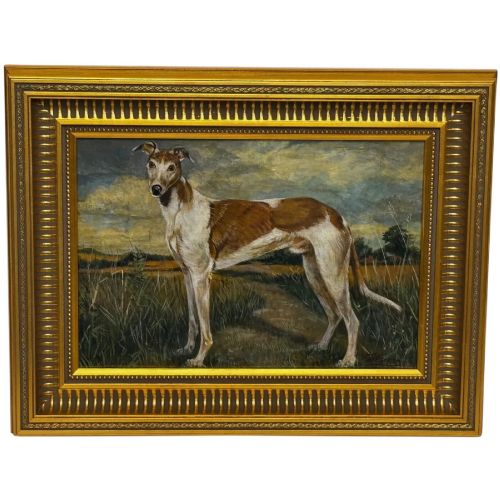
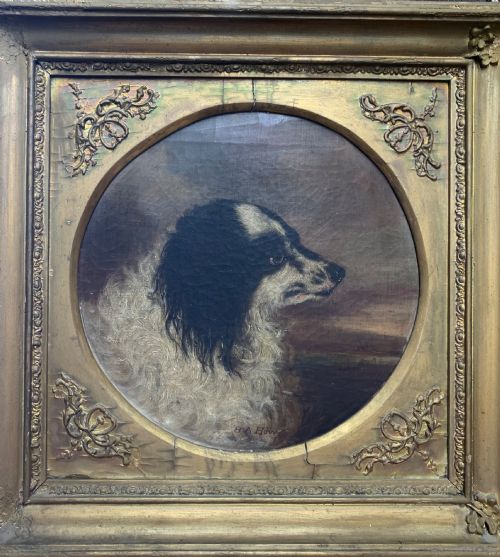
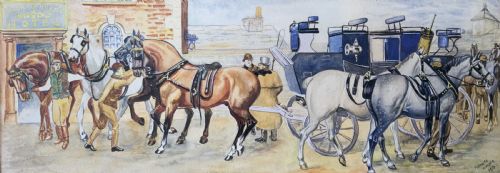
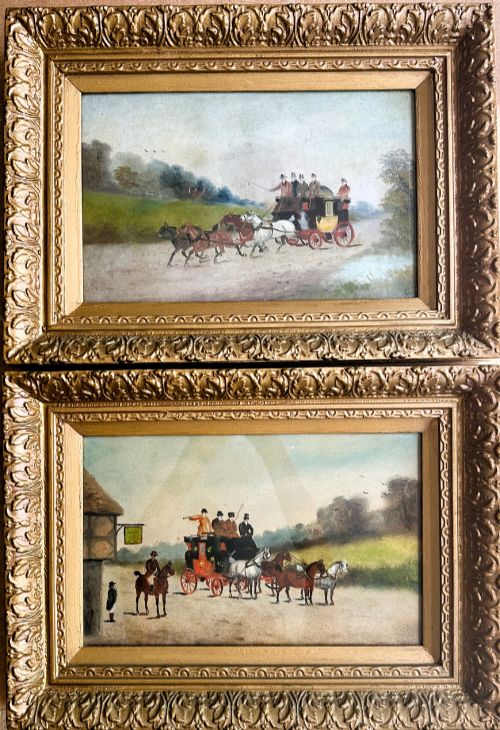
The selections available here frequently bridge the late Victorian era and the Edwardian period, stretching from the late nineteenth century into the nineteen-thirties. Buyers encounter oil portraits of prize dogs and racehorses, alongside lively watercolours of coaching scenes and hunting excursions.
Framed works dominate the selection, utilising period wooden surrounds such as oak, walnut, and giltwood that match the traditional aesthetic of the images. Works range from finished oil on canvas compositions to chalk drawings and published prints by noted sporting artists.
What Varies in Quality
Quality in Edwardian sporting artwork rests largely upon the artist's command of anatomy, movement, and proportion, particularly regarding horses and hounds. Master hands capture the tension in a trotting harness or the alert posture of a terrier with exactness, whereas lesser works stiffness of form.
The distinction also lies in the handling of the surrounding landscape and light, moving from formulaic backgrounds to atmospheric environments that ground the animal in a specific rural setting. Original framing and the preservation of the pigment surface further separate standard decorative pictures from significant collector pieces.
Listings feature works spanning from the Victorian era through the Edwardian period into the nineteen-thirties, utilising oil, watercolour, and print media.
George Wright·William Albert Clarke·John Emms·Alfred Munnings·Cecil Charles Windsor Aldin·Philip Henry Rideout·John Sanderson Wells·Charles Johnson Payne Snaffles·Thomas Blinks
The Edwardian Sporting Artwork Glossary
- Oil on Canvas
- Pigments bound in a drying oil applied to a stretched woven fabric support. This medium allowed artists to build rich layers of colour and texture.
- Watercolour
- A paint consisting of soluble pigments suspended in a water-based solution, typically applied to paper. It yields translucent washes well-suited to rapid sketches and detailed field studies.
- Giltwood
- Wood carved and coated with gold leaf or a gold-coloured metallic finish. It provides a traditional reflective border common on formal nineteenth and early twentieth-century picture frames.
- Framed Artwork
- A picture fitted within a protective and decorative border structure of wood, glass, and backing. This enclosure shields paper and canvas works from environmental damage.
- British Sporting Art
- A genre of painting and illustration dedicated to horses, hunting, shooting, fishing, and canine subjects. It developed distinct popularity across British artistic circles through the Victorian and Edwardian eras.
Edwardian Sporting Artwork: Frequently Asked Questions
What subjects are common in Edwardian sporting artwork?
These pieces predominantly feature horses, hunting dogs, racing scenes, and rural coaching expeditions. Artists focused closely on specific animals, often capturing named racehorses, prize terriers, and gun dogs.
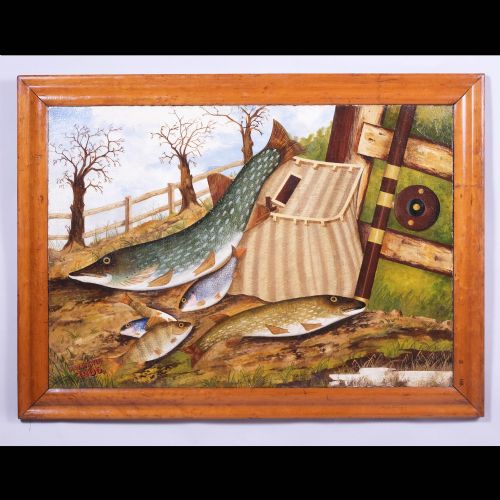
Beyond individual animal portraits, the genre records mounted hunts, fishing excursions, and stable yards. These subjects mirror the active country pursuits valued during the Edwardian period.
How do I identify a period frame?
Period framing often incorporates traditional materials like oak, walnut, and moulded giltwood that complement the palette of the enclosed painting or print. These surrounds show age through minor wear to the wood or gilding and traditional corner joinery.
Original frames frequently suit the exact proportions of the artwork they enclose, maintaining the visual balance intended by the maker. Replacing a frame can alter the historical context of the piece.
Are these works original paintings or prints?
The selection includes both unique hand-painted works and published prints from the era. Oil paintings and watercolours represent original, one-of-a-kind creations applied directly to canvas or paper by the artist's hand.
Prints offer multiple impressions of popular compositions, sometimes signed by the artist. Examining the surface texture with a glass helps distinguish flat printed ink from layered brushstrokes.
How should I care for oil and watercolour sporting art?
Oil paintings on canvas require stable indoor humidity and protection from direct sunlight to prevent the canvas from slackening and the paint from cracking. Dusting should be done gently with a soft, dry brush without applying pressure.
Watercolours and works on paper are particularly sensitive to light and require framing behind protective glass. Keeping them away from direct sun exposure prevents the paper from yellowing and the watercolour pigments from fading.