
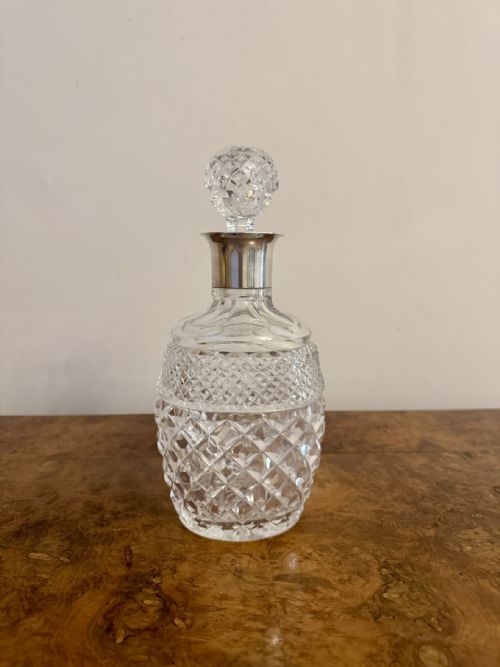
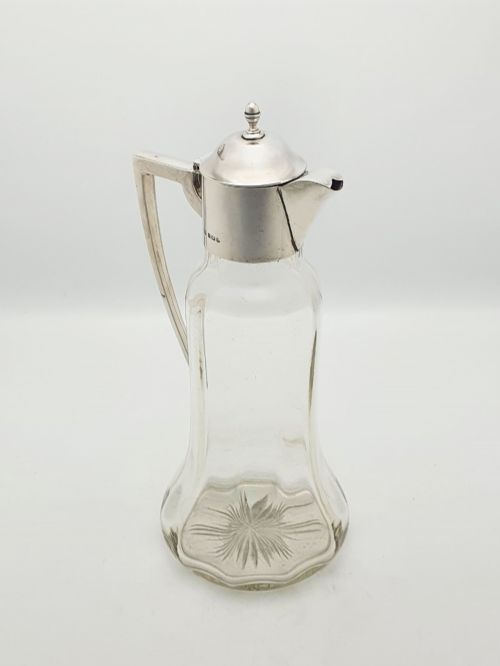
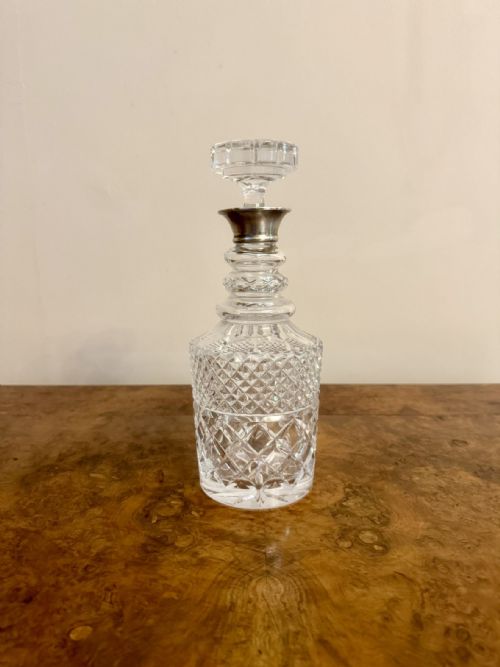
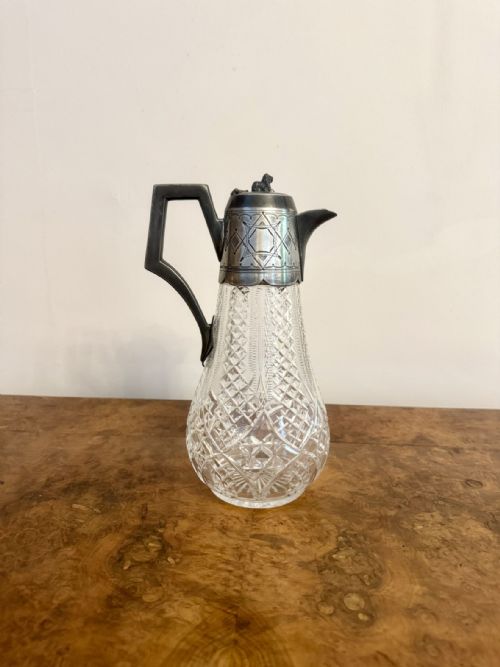
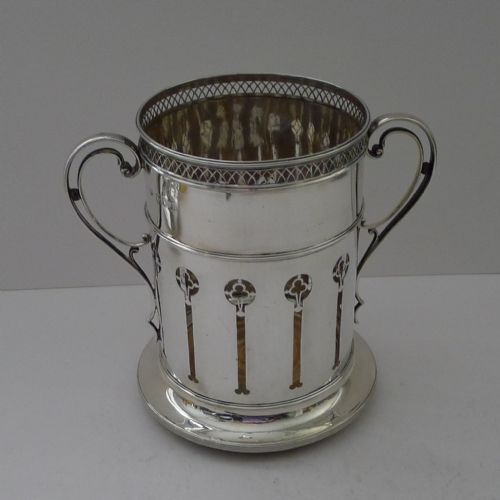
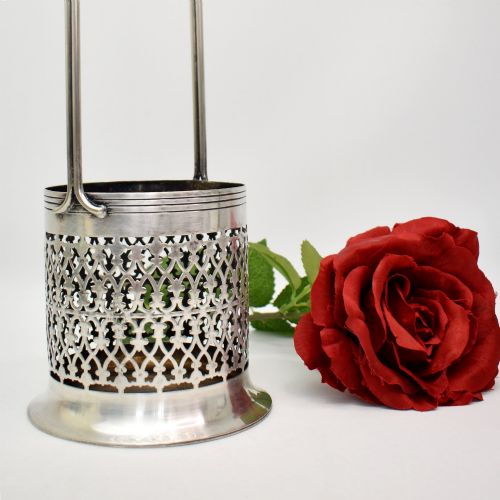
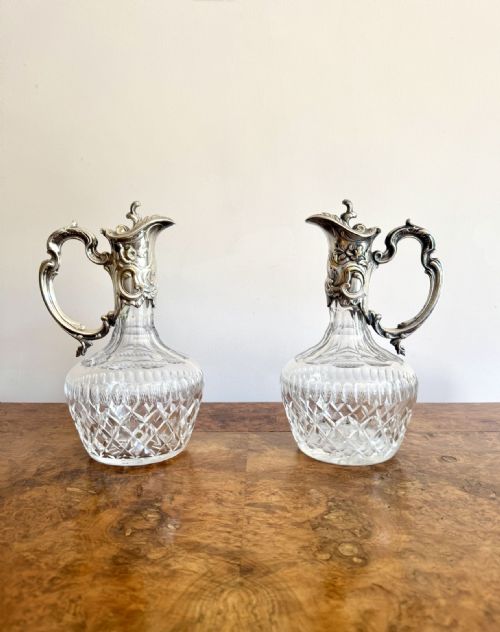


Edwardian Silver Wine Decanter
When you handle an edwardian silver wine decanter, you hold a piece where brilliant cut glass meets sturdy sterling mounts.
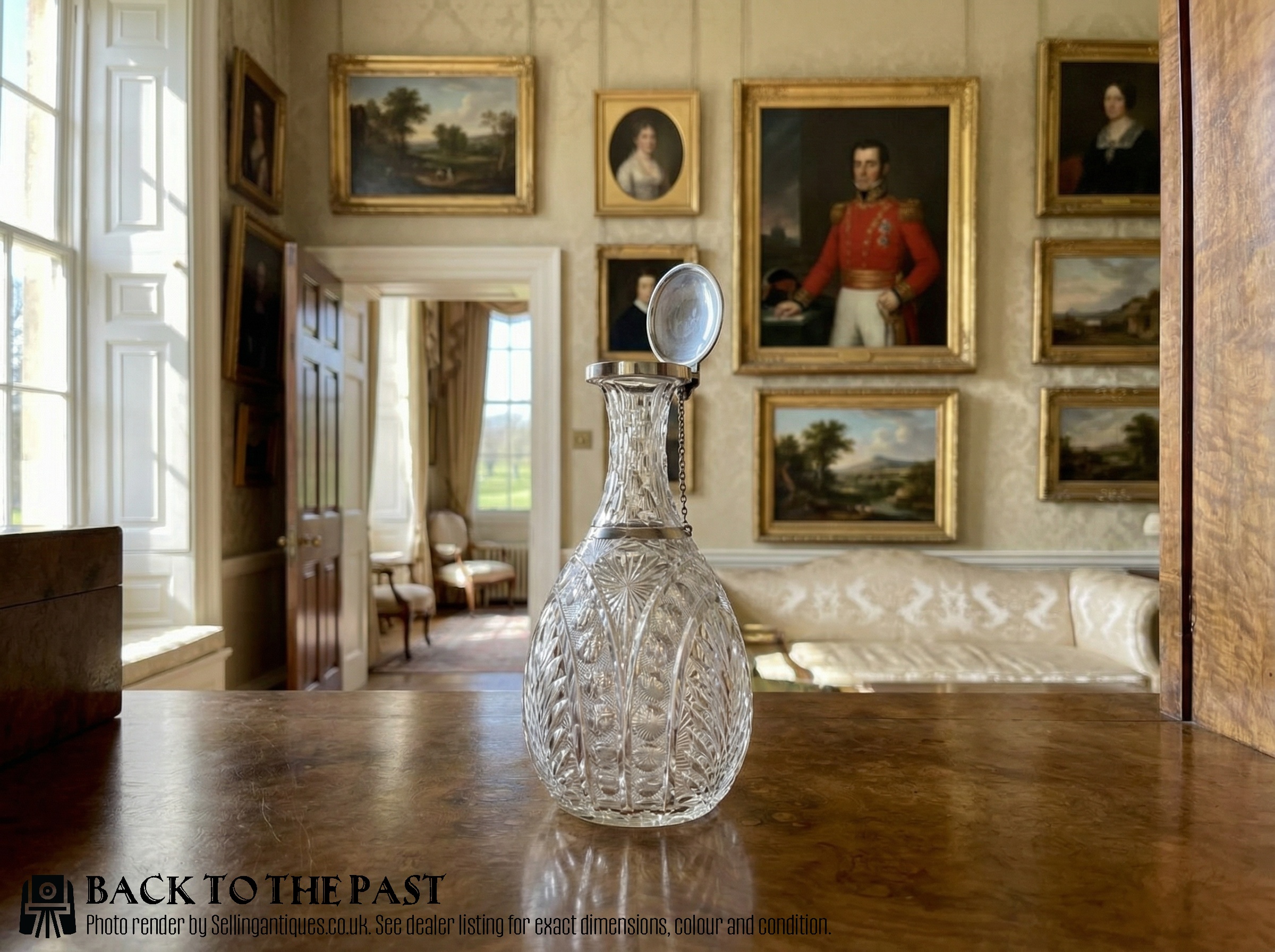
Edwardian Silver Wine Decanter
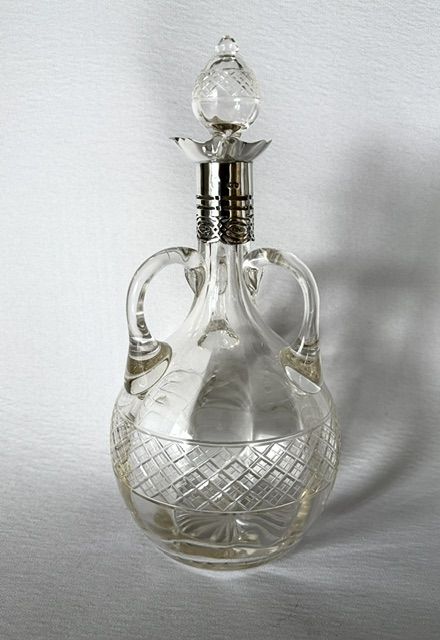
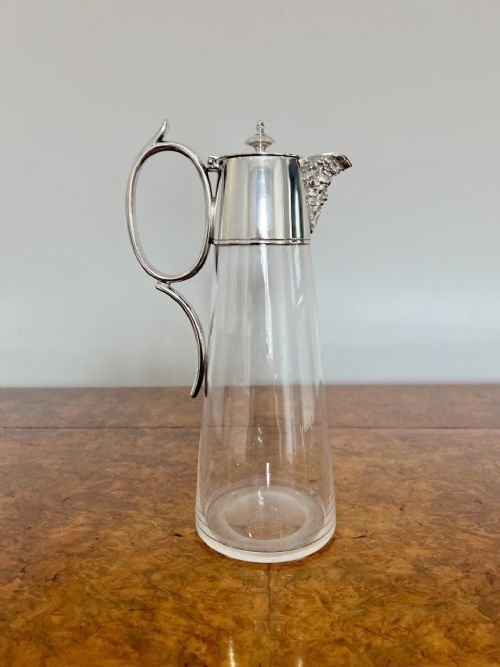
An edwardian silver wine decanter brings together clear glass vessels and polished metal collars, often taking the form of tall claret jugs or spirit bottles. These table pieces served wine and spirits in formal dining settings during the early twentieth century.
You will frequently meet versions combining cut glass bodies with sterling silver mounts or silver plate collars. Forms range from slender collar-shaped decanters to wider vessels intended for claret or sherry.
Materials and Craftsmanship
Makers combined heavy lead glass or cut crystal with solid sterling silver and silver plate, frequently adding carved wood bases to bottle coasters. Glass bodies were blown and deeply cut or engraved with floral and geometric patterns before receiving their metal collars.
Silversmiths shaped the metal mounts by hand, securing them tightly around the necks and lips of the glass vessels to form pouring spouts and hinged lids. Silver plate was applied over base metals for durable shine.
What Separates Examples
The weight and clarity of the glass dictate the foundation of the piece, alongside the depth and crispness of the hand-cut patterns. Thicker crystal and sharper facets separate standard vessels from finer works.
The substance of the silver mounts and the precision of the hinge mechanics determine the upper tier of production. Maker attribution and restrained, elegant mounts elevate individual items above mass-produced counterparts.
Brook & Son Edinburgh·Archibald Knox for Liberty·Asprey·Hukin & Heath·William Davenport Birmingham
The Edwardian Silver Wine Decanter Glossary
- Sterling silver
- A silver alloy containing 92.5 percent pure silver by mass and 7.5 percent other metals, usually copper. This standard alloy provides the durability required for functional tablewares.
- Silver plate
- A layer of pure silver applied to a base metal core such as copper or nickel brass. It offered a bright metallic finish at a lower cost than solid silver.
- Claret jug
- A specialised pouring vessel designed specifically for serving red wine at the dining table. These jugs typically feature a hinged lid and an integral handle.
- Bottle coaster
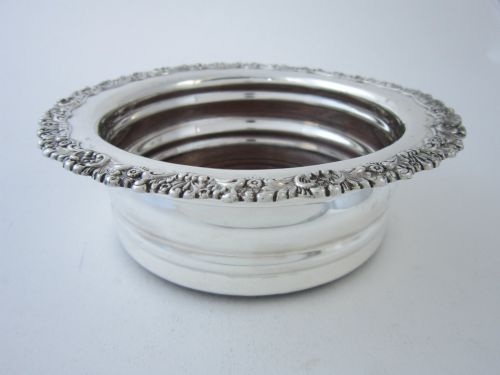
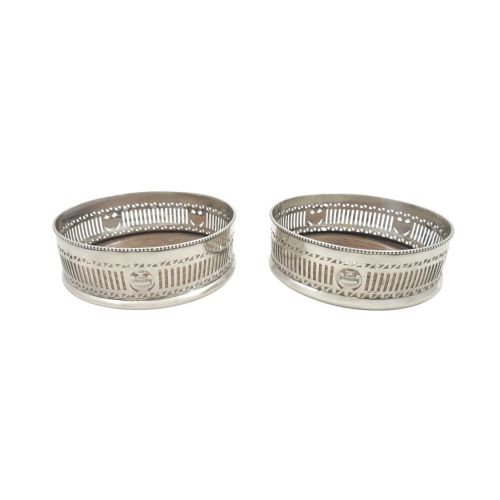
- A small circular tray with a raised rim, often lined with wood, designed to hold a wine bottle and protect the table surface. They frequently feature silver or plated metal mounts.
- Cranberry glass
- A transparent red glass produced by adding gold chloride to the molten batch. It appears widely in decorative glassware of the period.
Edwardian Silver Wine Decanter: Frequently Asked Questions
How were these decanters used?
Hosts used these vessels to decant and serve wine, claret, and spirits during formal meals and evening gatherings. The attached handles and hinged lids allowed easy pouring while keeping contents covered between pours.
Bottle coasters accompanied them to hold the bottles securely on polished wooden dining tables, preventing rings and spills during service.
How do I clean the glass?
Fill the vessel with warm water and mild detergent, avoiding harsh abrasives that might scratch the delicate cut facets or damage silver mounts. Rinse thoroughly and allow it to dry completely upside down.
Keep silver polish away from the glass surfaces to prevent stubborn residue build-up in the deep cuts and engravings.
Are the mounts solid silver?
Mounts vary between solid sterling silver bearing assay office hallmarks and silver plate over a base metal foundation. Examining the metal for stamp marks helps clarify the specific material used.
Silver plated versions offer the same decorative utility while utilising a base metal core beneath the silver coating.
How do I date these pieces?
Hallmarks stamped onto sterling silver mounts provide precise assay office locations and year letters for dating solid silver items. Stylistic clues such as Art Nouveau curves or Edwardian proportions help narrow the era for plated pieces.
Comparing the depth of the glass cutting and the form of the handle also points toward specific manufacturing decades.