
Edwardian Silver Vessel
An edwardian silver vessel brings formal dining and dressing table service from the early twentieth century into daily use.
Edwardian Silver Vessel
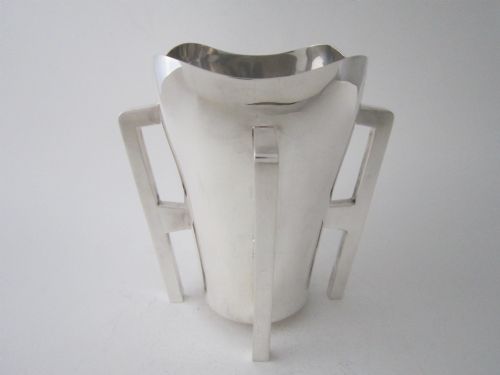
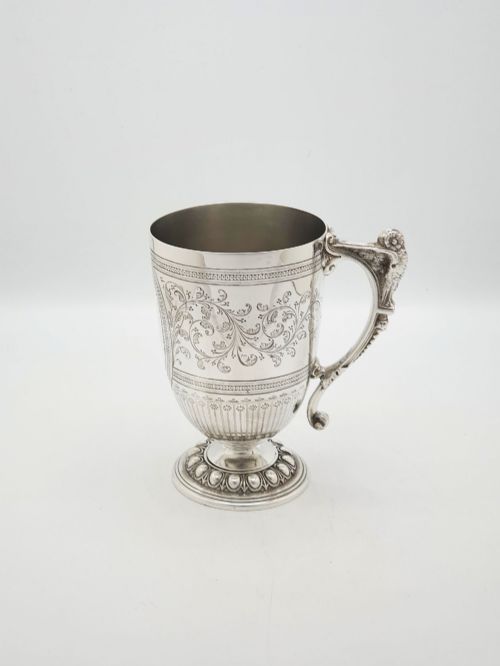
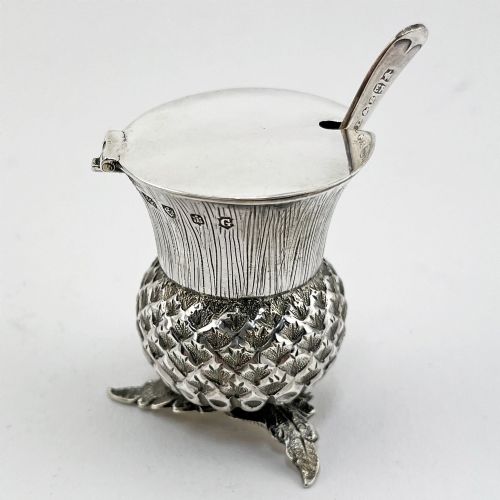
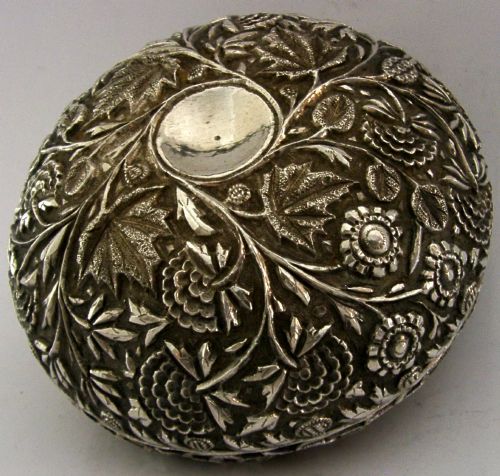
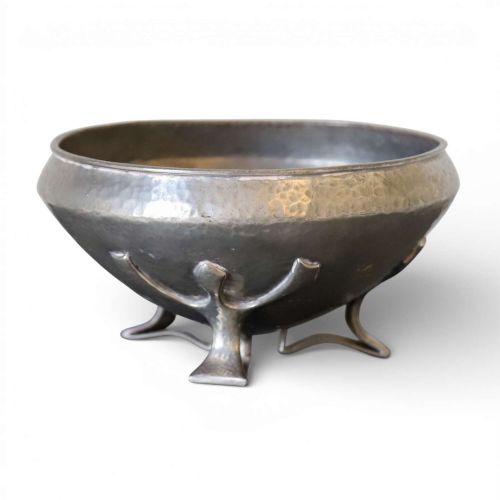
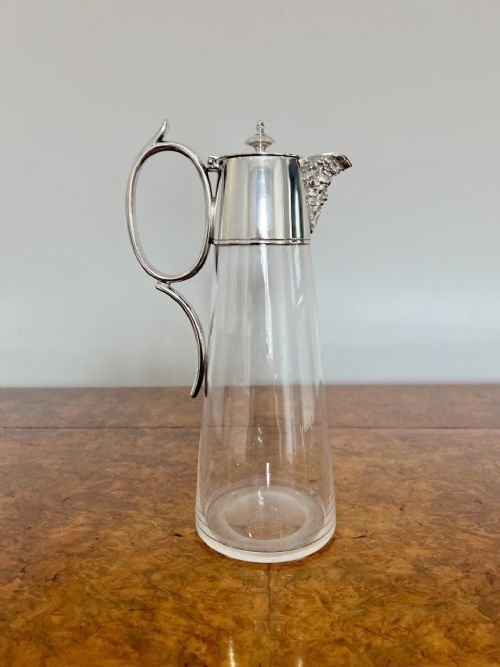
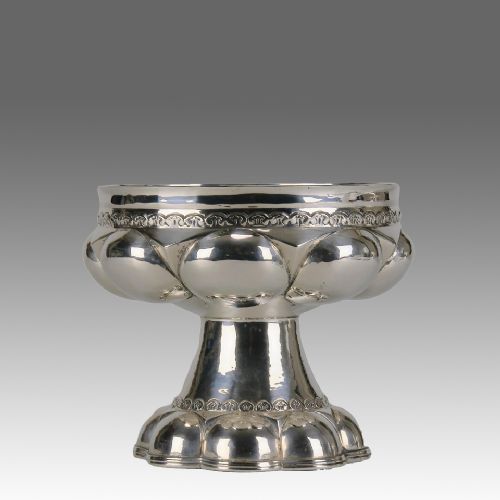
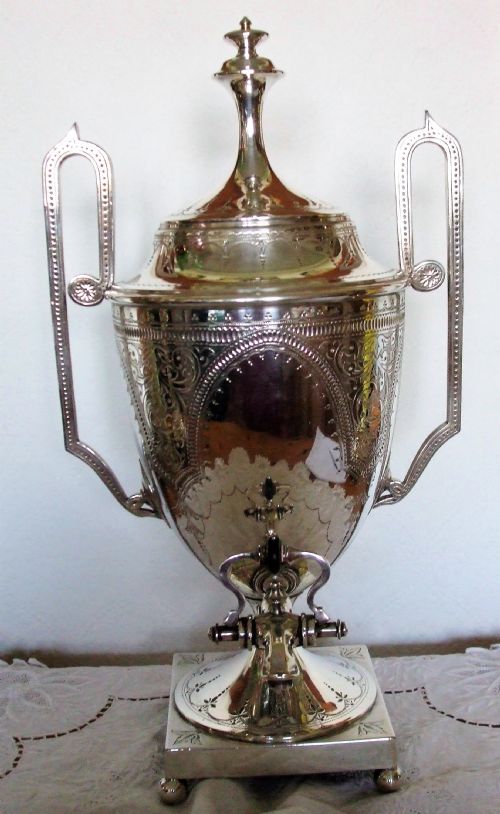
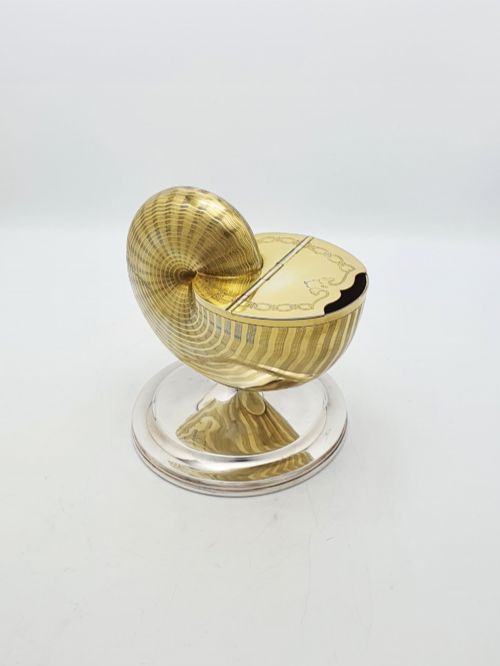
An edwardian silver vessel encompasses dining accessories, desk ornaments and tablewares produced during the early twentieth century and neighbouring decades, ranging from mustard pots and sugar baskets to claret jugs and rose bowls. The selection includes sterling pieces bearing hallmarks from regional assay offices alongside silver plated items and pewter examples from the Arts and Crafts movement.
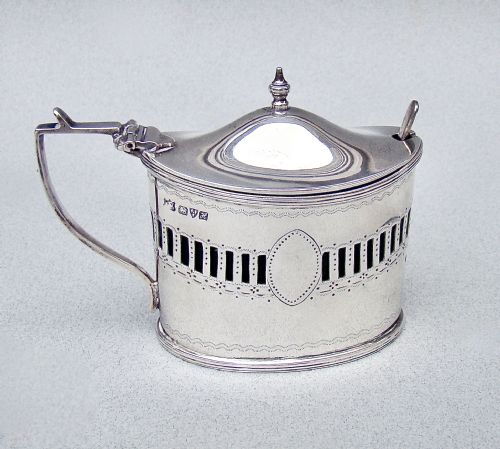
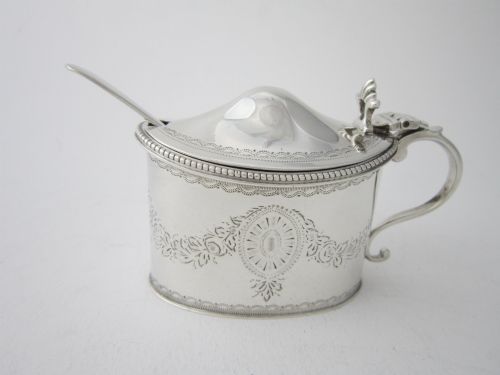
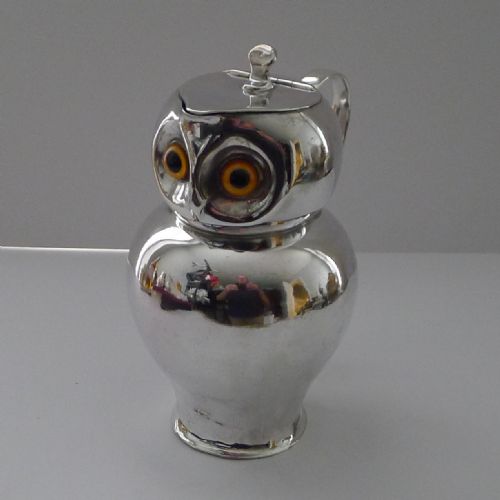
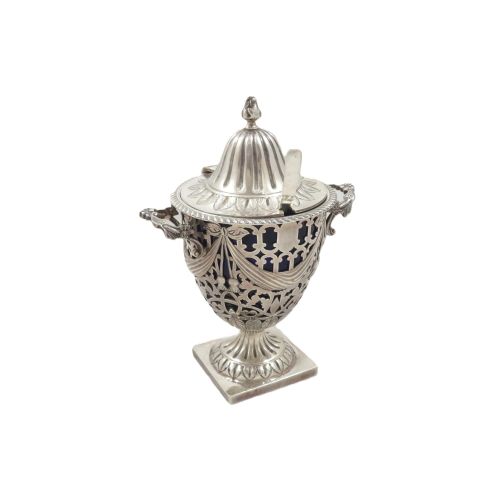
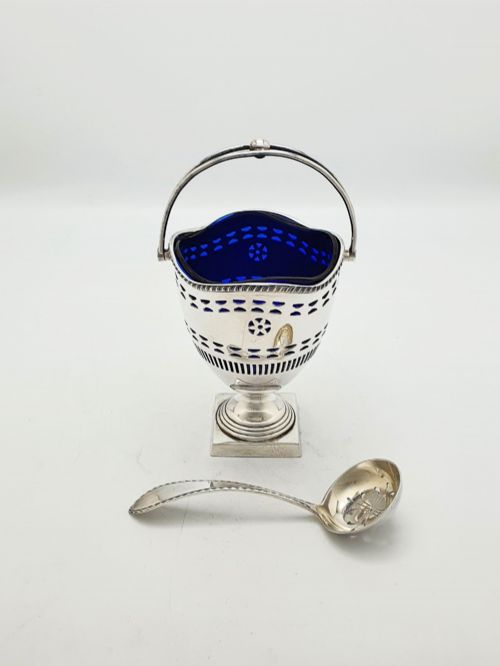
Buyers encounter functional tableware such as mustard pots with cobalt glass liners, egg warmers, and samovars alongside decorative forms like novelty jugs, menu holders, and sweetmeat dishes. Many pieces reflect revival aesthetics including Georgian and Celtic influences alongside distinct Art Nouveau styling.
Origin points span English makers in Birmingham, Sheffield and Chester alongside continental European workshops and Anglo Indian production, capturing a wide breadth of domestic silver manufacturing from the period.
Materials and Construction
Makers utilised sterling silver and silver plate over base metal alongside pewter and nickel silver, frequently combining metalwork with cut glass, cobalt glass liners, and enamelled elements. Silversmiths employed techniques such as piercing, repoussé, casting, and applied overlay to create intricate vessels.
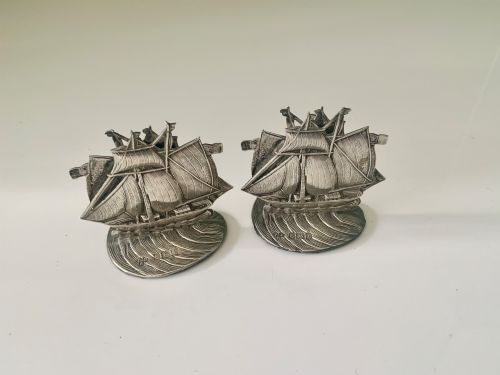
Glass bodies receive sterling mounts or silver plated collars, while novelty pieces incorporate glass eyes and hinged components requiring precise mechanical assembly. Pewter items utilise casting models designed by prominent artists of the Arts and Crafts movement.
Quality and Execution
The standard of an edwardian silver vessel depends upon the crispness of the chasing, the structural integrity of pierced galleries, and the quality of internal glass liners where applicable. Maker marks stamped into the metal indicate the workshop standing and adherence to hallmarking standards.
Nathan and Hayes·Alfred Marston·Liberty and Co·Oliver Baker·Walker and Hall·Thomas Bradbury·Loetz Witwe·Hukin and Heath·Roberts and Belk·Mappin and Webb
The Edwardian Silver Vessel Glossary
- Sterling silver
- A silver alloy containing 92.5 percent pure silver and 7.5 percent other metals, usually copper. This standard composition provides the necessary durability for table holloware.
- Silver plate
- A base metal substrate coated with a thin layer of pure silver. This method offered an accessible alternative to solid silver for large dining table centrepieces.
- Cobalt glass
- Deep blue glass used primarily for removable liners inside pierced silver mustard pots and sugar bowls. The dark hue contrasts against openwork metal patterns.
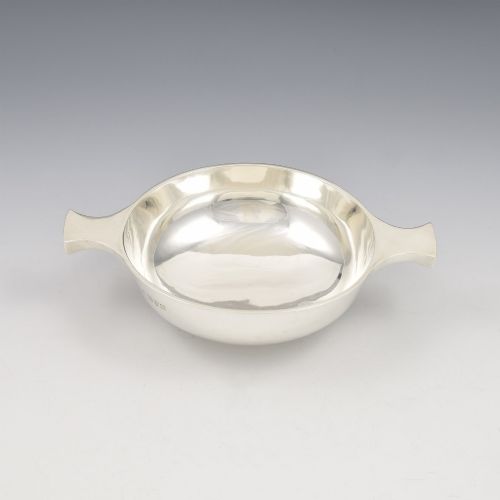
- Quaich
- A traditional two handled drinking vessel of Scottish origin. Examples from the period translate this ancient form into solid sterling silver.
- Piercing
- A decorative technique involving the cutting of geometric or floral openings through sheet metal. It lightens the visual weight of baskets and bowls.
Edwardian Silver Vessel: Frequently Asked Questions
How do I clean my silver vessel?
Use a specialised silver polishing cloth and warm soapy water for stubborn tarnish, avoiding harsh abrasives that scratch the surface.
Dry thoroughly with a soft cloth to maintain the polished finish and prevent water spots on pierced or engraved details.
Are these vessels safe for food use?
Most solid silver and silver plated containers function adequately for dry condiments or sugar storage during meals.
Items fitted with removable glass liners protect the metal from acidic contents such as mustard or jam.
How can I date my piece?
Examine the hallmarks stamped on the metal surface, which indicate the assay office, standard mark, and date letter for the specific year of manufacture.
Stylistic cues such as Art Nouveau sinuous lines or Edwardian neoclassical motifs also help narrow down the production decade.
What is the difference between sterling and plate?
Sterling silver consists of solid precious metal throughout the entire piece, governed by strict assay office standards and purity requirements.
Silver plate applies a thin coating of silver over a base metal foundation such as nickel silver or white metal.