

Edwardian Silver Trinket Casket
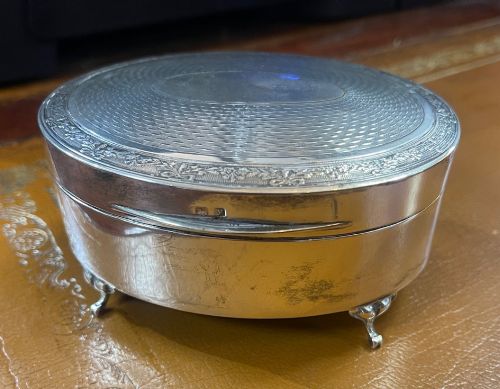
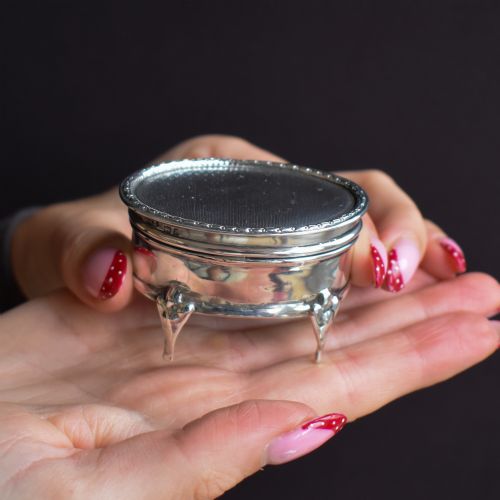
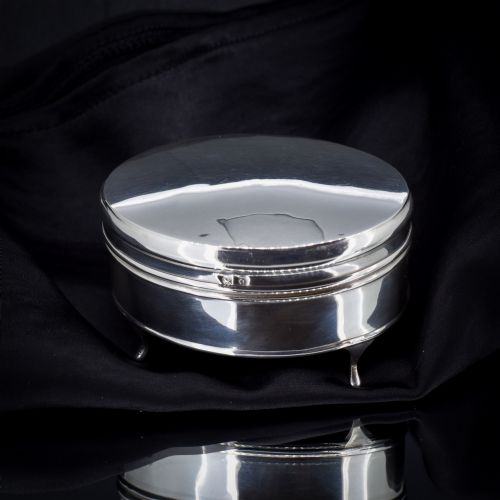
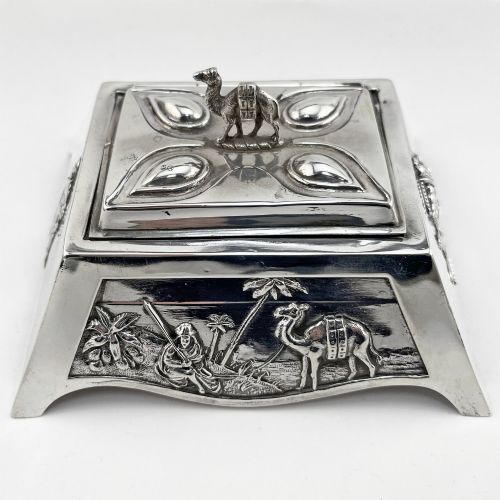
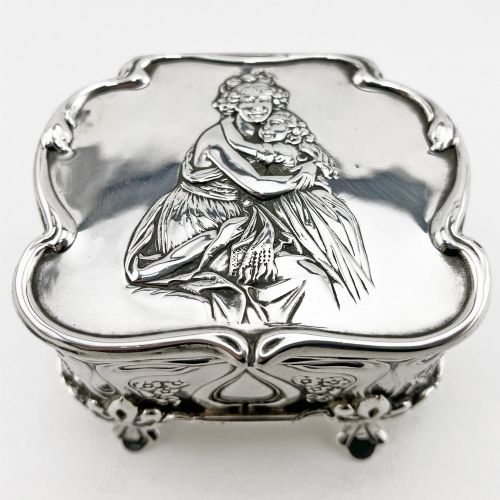
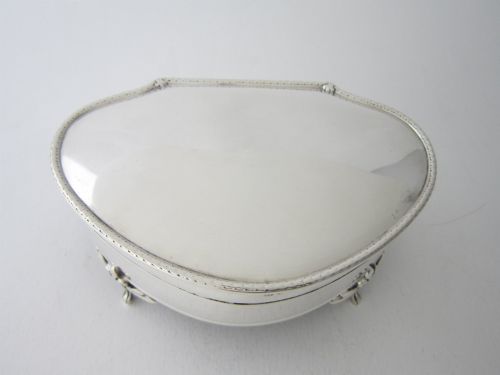
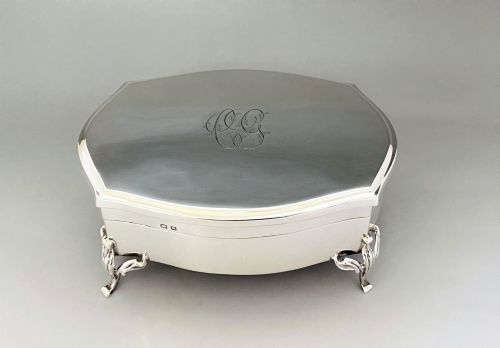
An Edwardian silver trinket casket holds small treasures on a dressing table, combining solid metal and tortoiseshell in compact, decorative forms.
Edwardian Silver Trinket Casket
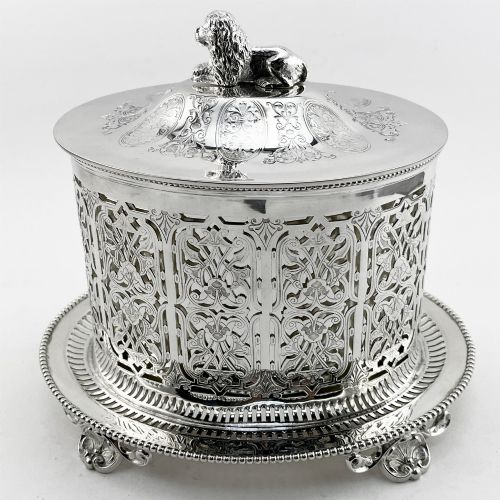
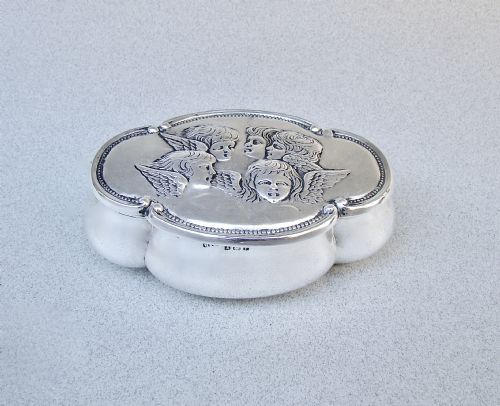
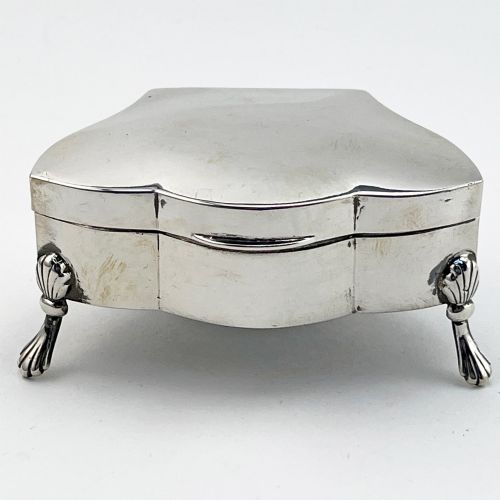
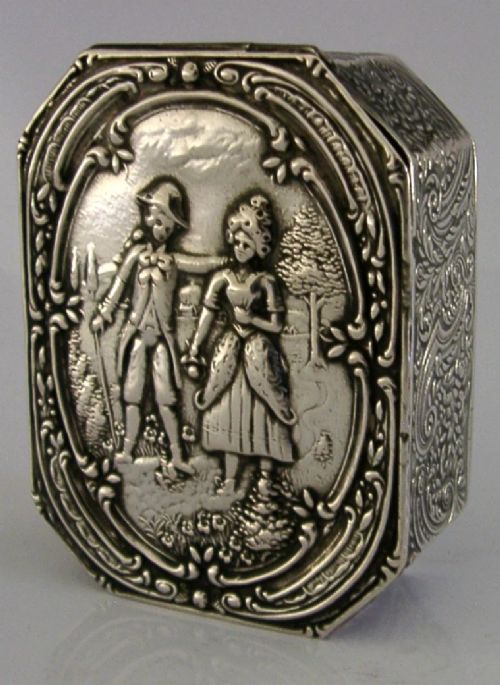
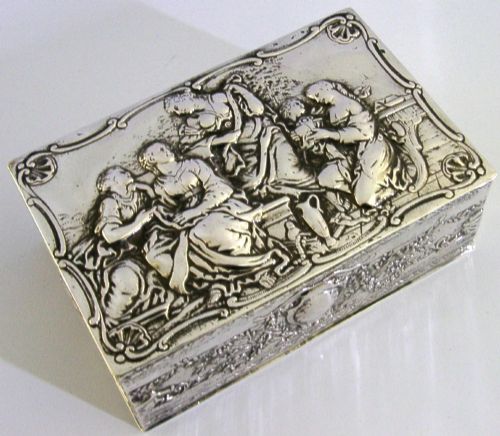
An edwardian silver trinket casket is a small lidded box designed for rings, jewels, and keepsakes, appearing frequently in sterling silver, silver plate, and pewter. These pieces span the Edwardian and George V eras, alongside occasional Victorian and Arts and Crafts examples, taking forms from simple oval shapes to ornate ring boxes and potpourri containers.
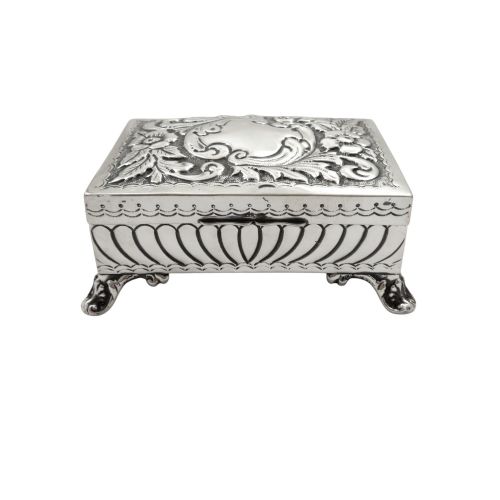
Most items on this page function as dressing table boxes or small caskets, often lined with velvet or silk inside a gilt interior. Makers shaped them for daily vanity use, employing styles that range from plain classical lines to elaborate Rococo revival scrolls and floral engravings.
How they were made
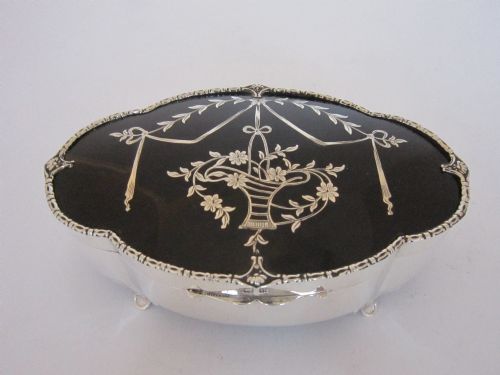
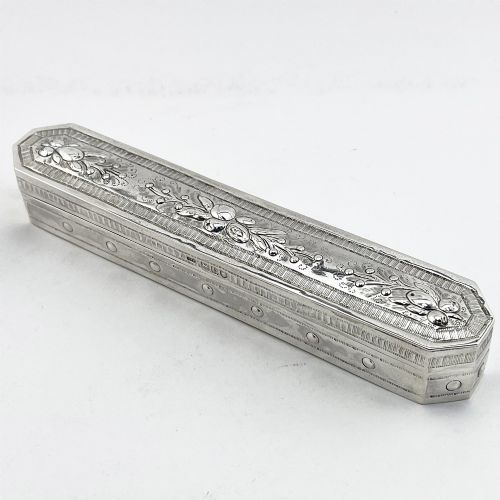
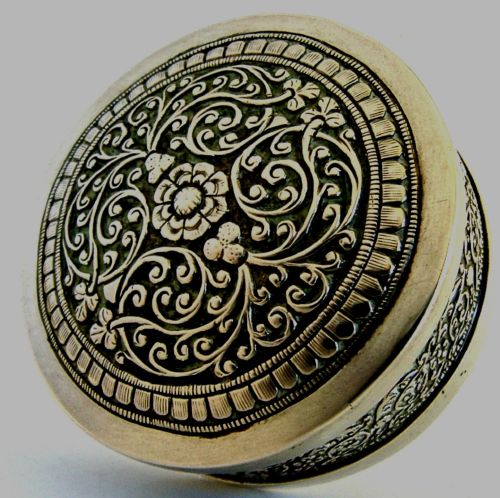
Silversmiths constructed these boxes using solid sterling silver, silver plate, or pewter, frequently combining the metal frames with inset panels of mottled tortoiseshell, enamel, or porcelain. Workshops relied on pressing, casting, and hand-engraving techniques to apply floral scrolls, cherub reliefs, and Art Nouveau whiplash lines.
Internal structures often incorporate wooden carcasses, particularly in larger cigar and humidor boxes, while dedicated ring boxes feature padded velvet inserts slotted to hold jewellery upright. Assay office hallmarks stamped into the metal indicate the town of origin and year of manufacture.
Edwardian Silver Trinket Casket Retail Price Guide 2026
Typical asking prices for edwardian silver trinket casket among the pieces listed under this phrase on Sellingantiques today, from the lower quarter to the upper quarter. They describe what is for sale here now, not the wider market.
What varies in quality
Quality rests on the weight of the metal and the crispness of the surface decoration, distinguishing heavy cast or chased panels from thin, pressed sheet silver. Pieces featuring inlaid tortoiseshell, polychrome enamel, or gilt interiors demand higher levels of craftsmanship than plain containers.
The reputation of the maker also dictates distinction, with pieces bearing marks from notable silversmiths commanding greater interest than unmarked work. Structural integrity, particularly the alignment of hinges and the secure closure of lids, separates standard dressing table items from finer examples.
William Comyns·William Hutton·A and J Zimmerman Ltd·William Neale and Sons·Deakin and Francis·Walker and Hall
The Edwardian Silver Trinket Casket Glossary
- Hallmark
- A series of official marks stamped onto precious metal indicating the maker, purity standard, assay office, and year of manufacture.
- Tortoiseshell
- The mottled brown and amber keratin shell of the hawksbill turtle, used as an decorative inlay on silver boxes.
- Gilt interior
- A thin layer of gold applied to the inside of a silver box, protecting the metal from tarnishing against cosmetics and coins.
- Potpourri box
- A small container with a pierced lid designed to release the scent of dried flowers and spices into a room.
- Chasing
- A metalsmithing technique where designs are hammered into the front surface of metal from the outside to create raised relief patterns.
Edwardian Silver Trinket Casket: Frequently Asked Questions
How do I date a silver trinket box?
Dating relies primarily on the assay office hallmarks stamped into the metal, which include a specific letter code for the year of production.
Stylistic clues such as Art Nouveau curves or Edwardian floral scrolls also help narrow down the decade when hallmarks are rubbed.
What were these small caskets originally used for?
These boxes served on dressing tables to store valuable rings, brooches, pins, and personal trinkets out of sight.
Some specialised versions held potpourri to scent the room or stored cigarettes and cigars for polite company.
Are tortoiseshell panels fragile?
Tortoiseshell requires careful handling because it is an organic material that can dry out, warp, or crack under sudden temperature changes.
Keeping the panels away from direct sunlight and excessive heat preserves their warm amber and brown tones.