
Edwardian Silver Sugar Bowl
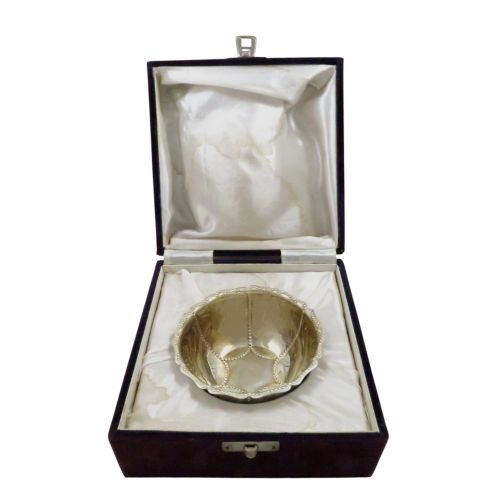
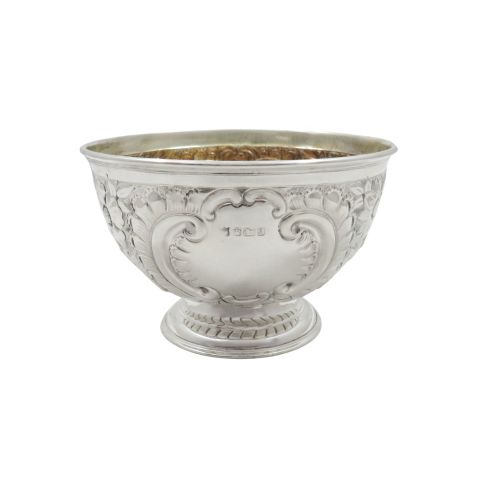
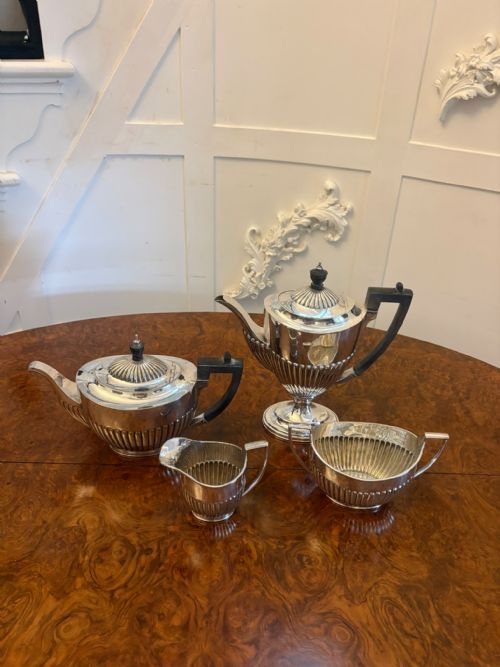
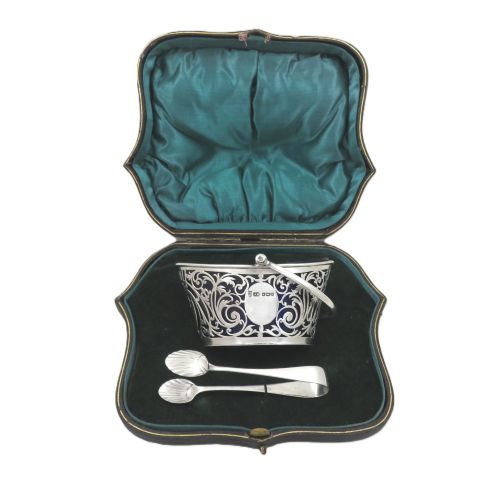
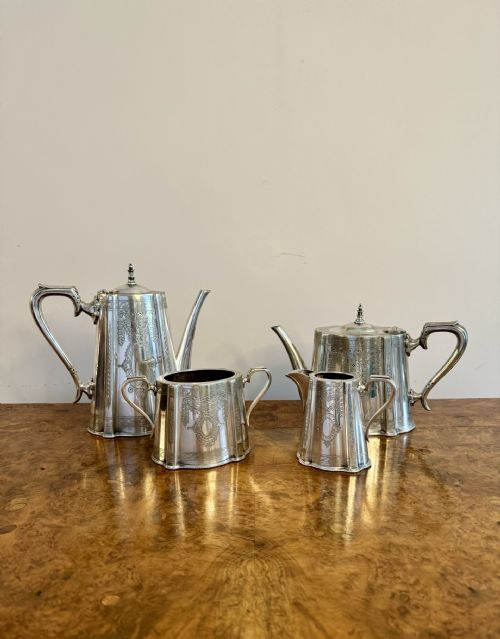
When you search for an edwardian silver sugar bowl, you encounter bright sterling vessels and silver plated baskets made for the formal tea table.
Edwardian Silver Sugar Bowl
An edwardian silver sugar bowl is a small domestic vessel designed to hold loose sugar alongside the tea service, frequently appearing as an open bowl, a pedestal piece, or a swing-handled basket. These items date primarily from the early twentieth century, though related examples span the late Victorian period through the reign of George V.
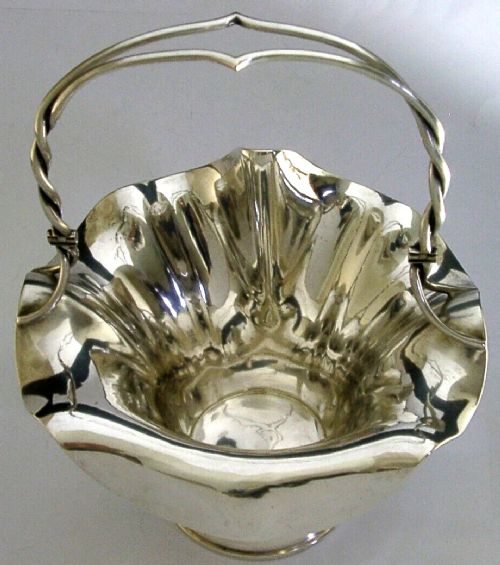
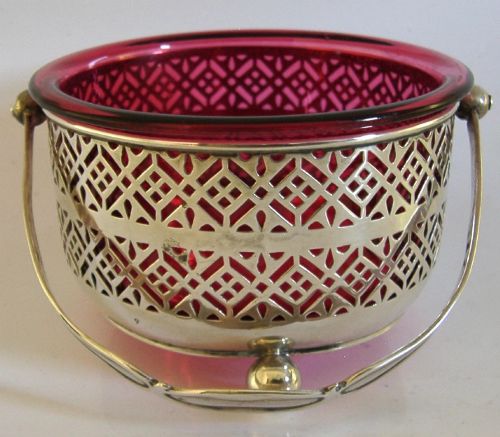
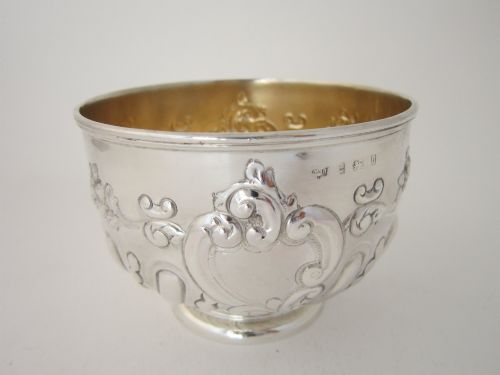
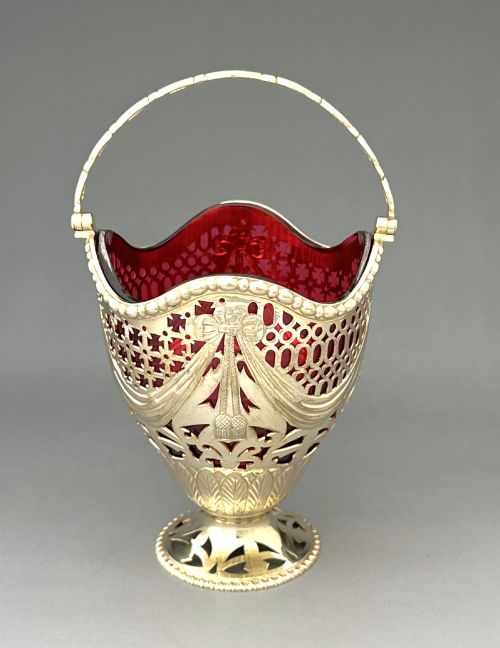
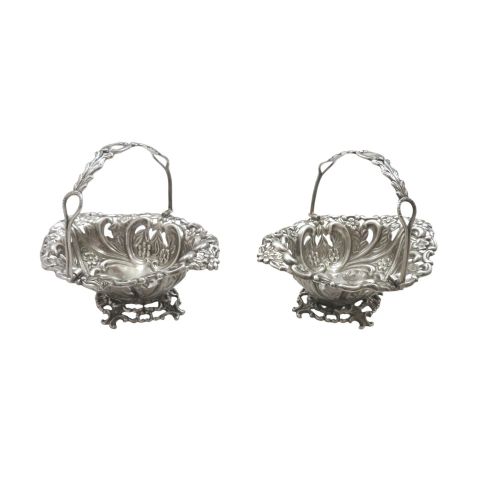
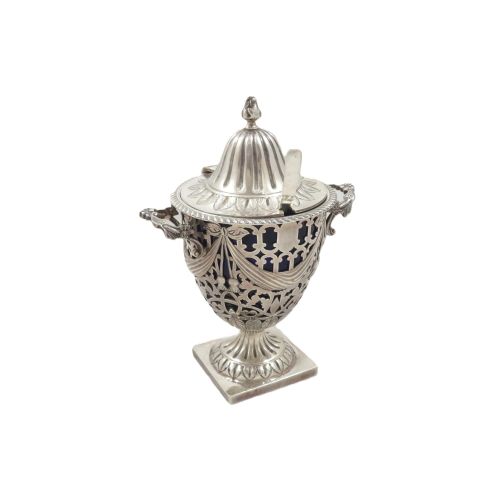
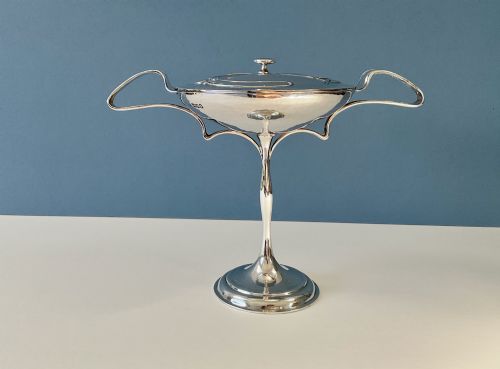
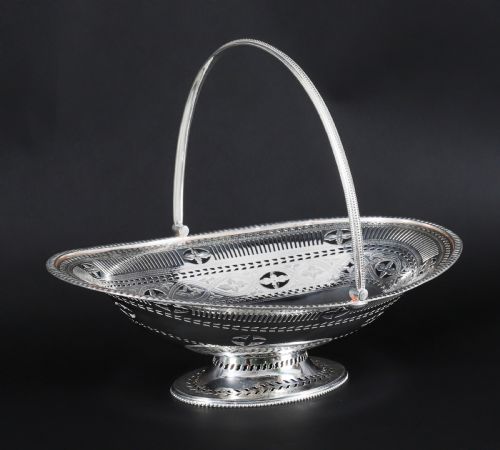
The most common formats on this page include solid sterling silver bowls hallmarked in Birmingham or Sheffield, alongside silver plated variants paired with coloured glass liners in cranberry, ruby, amber, or vaseline glass. Many examples feature intricate fretwork, Art Nouveau curves, or swing handles designed for everyday dining and formal entertaining alike.
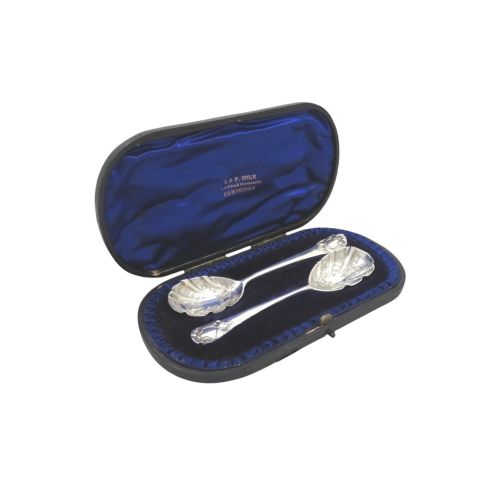
Buyers also encounter related serving pieces such as sugar scuttles, lidded urns, cream jugs, and matching tea sets that share the distinctive craftsmanship of the period. These forms reflect a domestic culture that valued matched tea services and decorative tableware on the sideboard.
How they were made
Makers constructed these bowls and baskets using sterling silver or durable silver plate over a base metal, frequently employing piercing techniques to create delicate fretwork patterns. Artisans inserted contrasting glass liners in cobalt blue, ruby, and cranberry glass to protect the metal and add vibrant colour to the table.
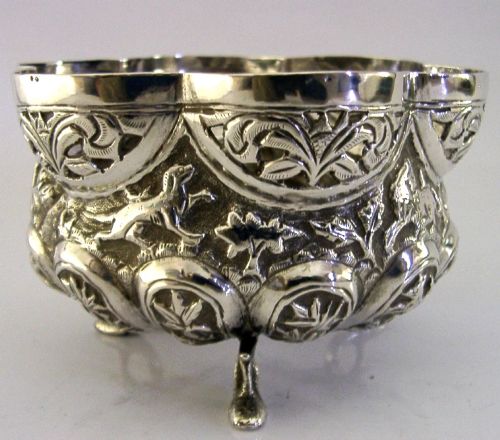
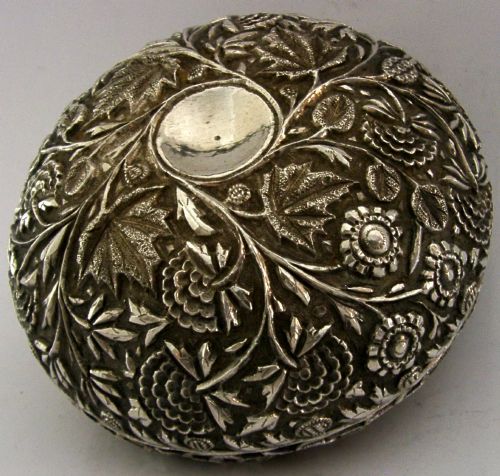
Silversmiths shaped the metal through hand-hammering, casting, and repousse work, applying styles that ranged from restrained Victorian neoclassical designs to flowing Art Nouveau plant motifs. Many pieces received a light interior gilding, known as a gilt interior, to prevent the corrosive action of loose sugar on the silver.
Listings feature solid silver and silver plate alongside delicate glass liners in ruby, cranberry, and amber.
What varies in quality
Quality in these pieces depends on the weight of the metal and the crispness of the chasing or piercing, with heavier solid silver items displaying superior structural integrity compared to lighter stamped wares. The presence of original, undamaged coloured glass liners and secure swing handles significantly elevates a piece.
A clear hallmark from a recognised silversmith workshop adds historical weight and confirms the purity of the metal. Finer examples maintain sharp decorative detailing without smoothing from over-enthusiastic polishing over the decades.
Walker and Hall·Elkington and Co·Hammond, Creake and Co·Edward Barnard·John Barrett
The Edwardian Silver Sugar Bowl Glossary
- Sterling silver
- A silver alloy containing 92.5 percent pure silver and 7.5 percent other metals, usually copper, ensuring durability for domestic tableware.
- Silver plate
- A manufacturing technique where a thin layer of silver is fused to a base metal core, making decorative tableware accessible to a wider Victorian and Edwardian public.
- Fretwork
- An ornamental design created by piercing or cutting patterns through the sheet metal of a bowl or basket.
- Swing handle
- A movable arched handle attached to the rim of a sugar basket or fruit dish, allowing the piece to be easily lifted.
- Gilt interior
- A thin layer of gold applied to the inside surface of a silver bowl to prevent staining and chemical reactions from sugar.
Edwardian Silver Sugar Bowl: Frequently Asked Questions
How do I clean an antique silver sugar bowl?
Wash the silver gently in warm soapy water using a soft cloth, avoiding harsh abrasive dips that strip the patina. Dry and buff the surface thoroughly with a clean microfiber cloth.
Take care to remove any glass liners before washing so the moisture does not become trapped between the glass and the metal basket framework.
Were these bowls always sold with glass liners?
Not all sugar bowls required liners, but pierced baskets and open frames relied on coloured glass inserts to hold loose sugar crystals securely. These liners came in shades such as ruby, cranberry, amber, and vaseline glass.
Finding an antique piece that retains its original matching glass liner is a significant bonus for collectors.
How can I tell if a piece is solid silver or silver plated?
Solid sterling silver pieces will bear official hallmarks indicating the silver standard, the assay office city, and the date letter for the year of manufacture. Silver plated items usually carry maker marks indicating electroplate or base metal foundations without standard silver assay stamps.
Examining the rim or base for signs of wear where the base metal shows through can also reveal silver plate.