


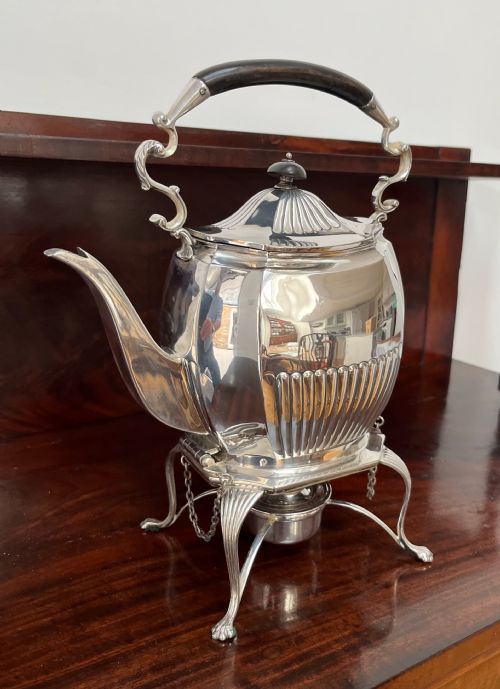

Edwardian Silver Service
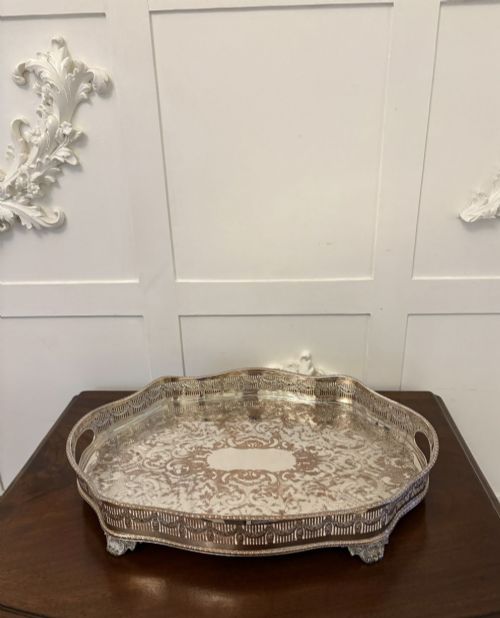
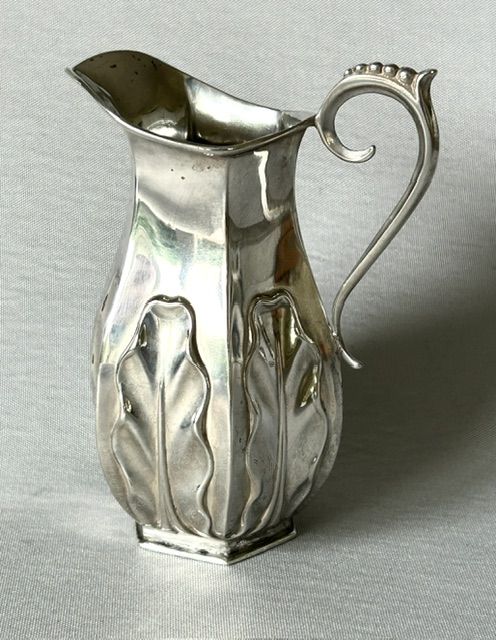
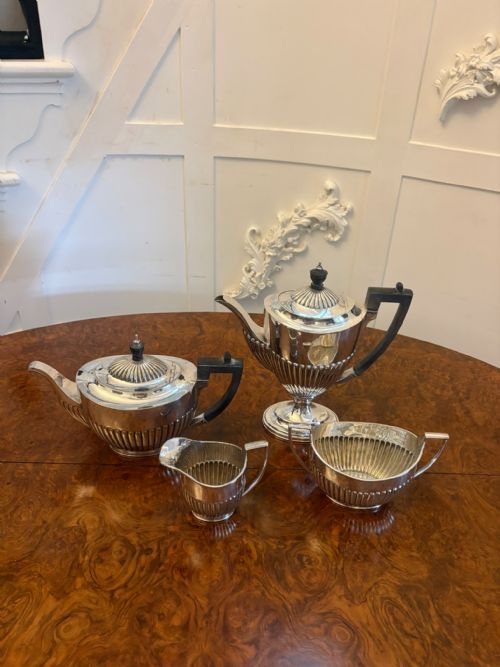
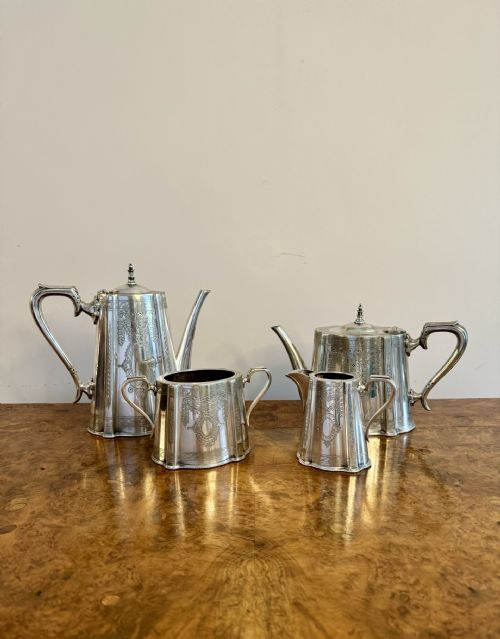
An edwardian silver service brings refined hospitality to the table through matched sets of tea pots, coffee pots, cream jugs, and sugar basins.
Edwardian Silver Service
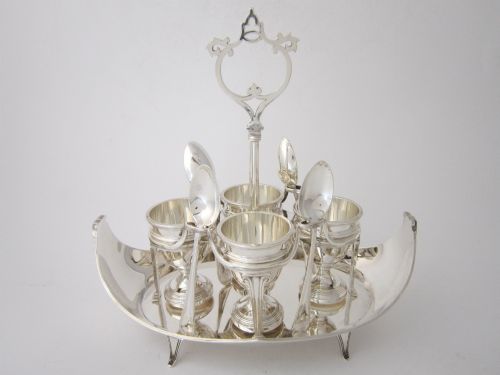
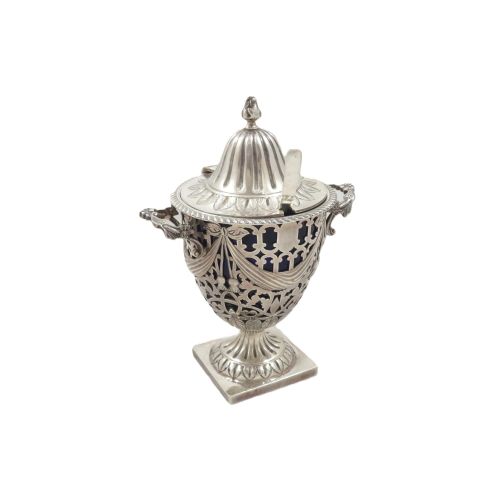
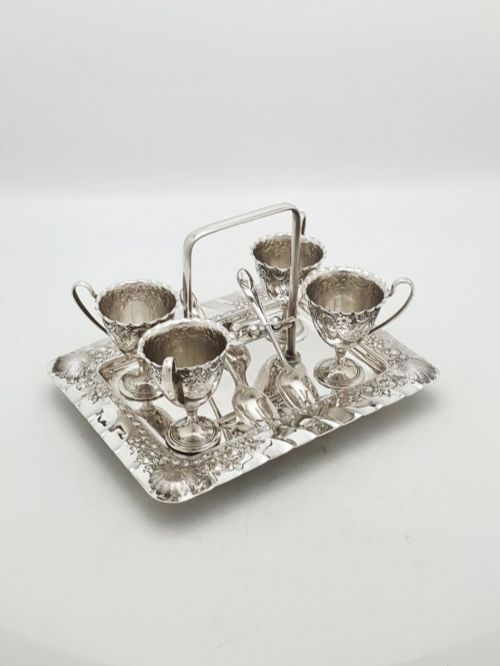
An edwardian silver service primarily encompasses matching tea and coffee sets, alongside specialised items like spirit kettles on stands and egg cruets. These ensembles reflect the formal hospitality rituals of the early twentieth century, where entertaining guests required a coordinated display of metalwork on the drawing room or dining table.
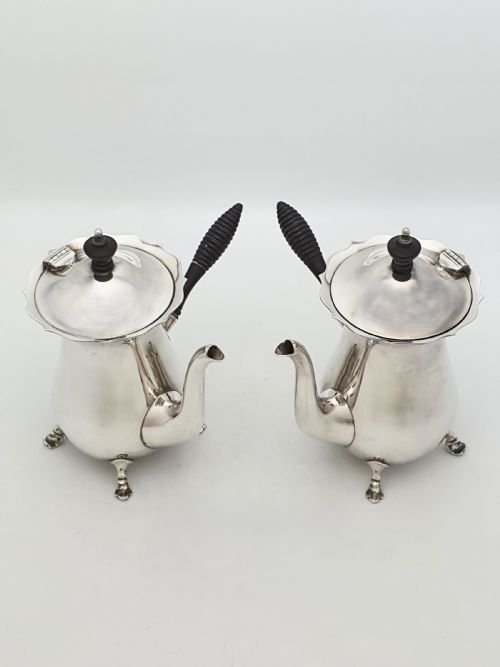
The pieces appearing most frequently on this page combine sterling silver or silver plate with functional accessories such as wooden handles and ebony insulators. Tea and coffee services often arrive as complete three or four piece configurations, sometimes accompanied by matching gallery trays and sugar baskets.
Materials and Construction
Silversmiths constructed these services using either solid sterling silver or electroplated nickel silver over a base metal foundation. Sterling pieces carry official hallmarks indicating assay office origins, while silver plate utilised durable base metals coated with a layer of silver through electroplating.
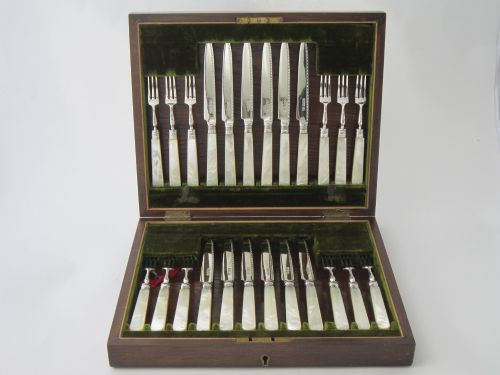
Artisans incorporated secondary materials such as ebony, ebonised wood, and mother of pearl to form heat-resistant handle insulators and decorative accents on dessert sets. Surface decoration frequently involved ornate embossing, chased grapevine detailing, and delicate engraving executed by hand.
A tiny silver table bell waits patiently on the sideboard, ready to summon the butler or demand more scones.
Assessing the Pieces
The distinction between standard items and superior examples rests upon the weight of the metal and the crispness of the chased or embossed ornamentation. Heavier gauge silver and substantial silver plate withstand decades of polishing while retaining sharp relief details on decorative motifs.
Makers of distinction invested greater care in the articulation of handles, spouts, and finials, ensuring balanced weight distribution across tea and coffee pots. Superior services also feature tight hinges on lids and intact, unblemished internal gilding within cream jugs and sugar basins.
Walker and Hall·Mappin and Webb·Bricks and Sons·Harrison Brothers and Howson·Doulton Burslem
The Edwardian Silver Service Glossary
- Sterling Silver
- An alloy consisting of 925 parts of silver per 1000 parts of other metals, typically copper. This standard composition guarantees the intrinsic metal content of British solid silver tableware.
- Silver Plate
- A manufacturing technique applying a thin layer of pure silver to a base metal substrate, such as nickel silver. This process provided an affordable alternative to solid silver for large dining services.
- Spirit Kettle
- A water kettle mounted on a metal stand equipped with an underlying spirit burner. Hosts used these vessels to keep water at a near boil during extended tea services.
- Cruet Set
- A matched collection of small containers designed to hold condiments, sauces, or eggs at the dining table. These sets often sit within a dedicated metal frame or tray for easy transport.
- Hallmark
- A series of official stamps applied to precious metal items indicating the maker, assay office, standard of purity, and year of testing. These marks provide definitive evidence of age and origin.
Edwardian Silver Service: Frequently Asked Questions
How were spirit kettles used?
Spirit kettles provided a continuous supply of hot water during tea services without requiring trips back to the kitchen. The kettle hung from a metal stand above a small spirit burner filled with flammable liquid.
Hostesses utilised the burner to maintain the water temperature throughout long afternoon gatherings. This setup allowed guests to receive fresh dilutions of tea directly at the table.
How do I clean silver plate?
Cleaning silver plate requires gentle care to preserve the thin layer of precious metal over the underlying base. Owners should apply a specialised silver polish using a soft cloth, working in straight lines rather than circles.
Avoid abrasive scouring pads or harsh chemical dips that strip away the plating and expose the base metal. Thorough rinsing with warm water and prompt drying prevents tarnishing and water spots.
How do I identify a maker's mark?
Maker marks appear as stamped initials or symbols struck into the underside or rim of silver and plated items. These marks identify the specific firm or silversmith responsible for manufacturing the piece.
Consulting specialised silver reference books helps match these punch marks to historical companies and workshops. On solid sterling items, these stamps sit alongside assay office marks and date letters.