


Edwardian Silver Milk Jug
An Edwardian silver milk jug brings a touch of early twentieth-century elegance to the tea table, valued for its fine craftsmanship and classic form.
Edwardian Silver Milk Jug
When searching for an edwardian silver milk jug, a buyer encounters domestic vessels designed for serving milk or cream alongside tea and coffee. These pieces appear both as standalone items and as components of larger tea sets or services.
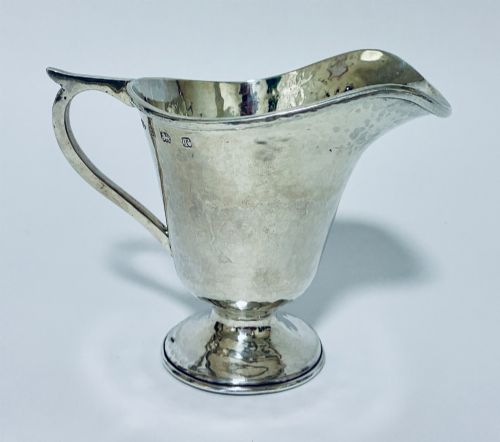
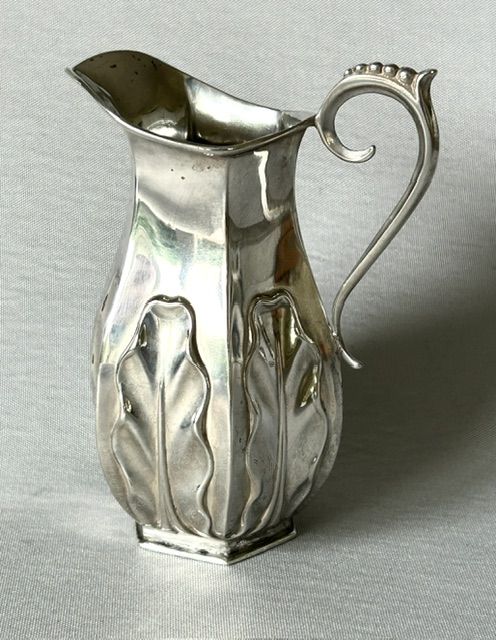
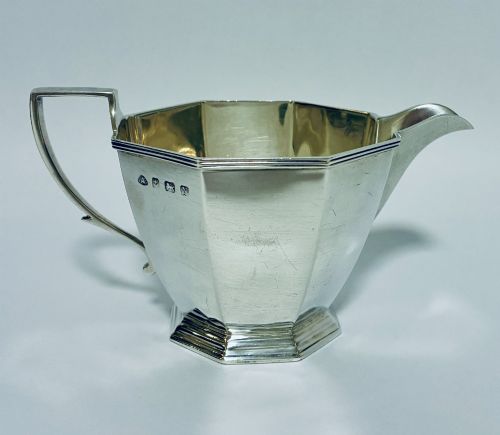
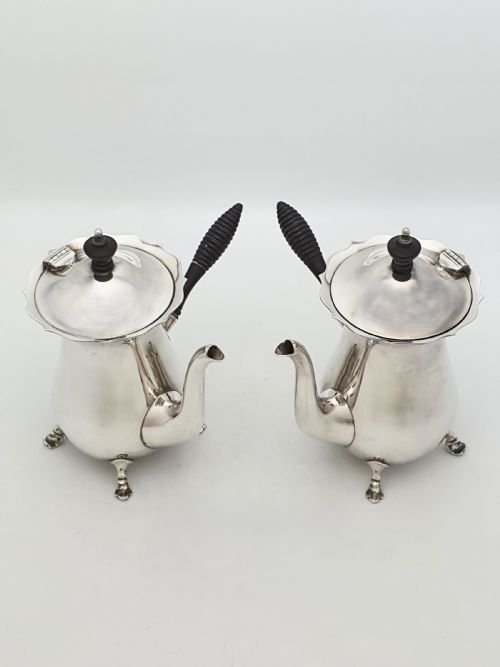
The selection includes examples from the Edwardian period alongside items spanning the late Victorian era through to the early twentieth century. Forms range from simple cream jugs to ornate lidded pots, side-handled coffee pots, and distinctive milk churn designs.
Originating predominantly from English workshops, these items reflect the domestic metalwork of the nineteenth and twentieth centuries. Buyers most frequently meet silver-plated versions alongside solid sterling silver pieces.
How they were made
Makers utilised sterling silver and silver plate over metal foundations, shaping bodies through forming and smithing techniques. Surface decoration often involved hand-engraved floral designs and ornate grapevine detailing.
Handles incorporated contrasting materials such as ebony, wood, and woven cane to provide insulation against heat during use. Gilded interiors, known as silver-gilt, appear in select examples to protect the metal from acidic contents.
Materials across the listings include sterling silver, silver plate, ebony, cane, and wood.
What varies in quality
The distinction between standard domestic production and superior execution rests upon the weight of the metal and the crispness of any applied ornamentation. Heavier gauge silver and deeply defined hand engraving separate finer vessels from simpler plated wares.
The integration of secondary materials like woven cane or ebony handles demonstrates the maker's attention to detail and functional design. Superior pieces maintain balanced proportions and secure structural joints throughout the body and spout.
George Unite·Harrison Brothers and Howson
The Edwardian Silver Milk Jug Glossary
- Sterling silver
- A silver alloy containing 92.5 percent pure silver and 7.5 percent other metals, typically copper. This standard ensures durability while maintaining a bright metallic appearance.
- Silver plate
- A base metal object coated with a thin layer of pure silver through electroplating or older application methods. It offered a lower-cost alternative to solid silver.
- Silver-gilt
- Silver that has been coated with a thin layer of gold on the interior or exterior surfaces. This technique adds warmth and prevents tarnishing from food acids.
- Milk churn
- A miniature novelty jug shaped like a traditional agricultural milk churn. These small vessels are collected for their whimsical forms.
- Café au lait pot
- A tall pot designed specifically for serving coffee alongside hot milk. They frequently appear matched with companion milk jugs in tea and coffee services.
Edwardian Silver Milk Jug: Frequently Asked Questions
What is an edwardian silver milk jug used for?
These vessels were designed for pouring milk or cream during afternoon tea or formal breakfast services. They complemented larger teapots and sugar bowls as part of matched or assembled tea sets.
Today, buyers use them both for their original serving purpose and as decorative table ornaments. Their small scale makes them versatile for holding small floral arrangements or displaying on a sideboard.
How do I clean an edwardian silver milk jug?
Cleaning requires a soft cloth and a specialised silver polish formulated to remove tarnish without abrading the surface. Avoid harsh chemical dips, particularly on pieces with silver-gilt interiors or delicate engraved details.
Wash the vessel in warm soapy water and dry it thoroughly after polishing to prevent residue buildup. Storing the piece in a dry environment helps minimise future tarnishing.
Are these jugs made of solid silver?
The listings include both solid sterling silver and silver-plated metal wares. Sterling silver items are typically marked with hallmarks indicating the metal standard and assay office.
Silver-plated versions feature a thin layer of silver over a base metal foundation. Examining the hallmarks or stamped marks helps determine the specific material composition of each piece.
How can I tell an Edwardian jug from a Victorian one?
Edwardian pieces generally date from the reign of King Edward VII between 1901 and 1910, though the style extends slightly either side. They often feature lighter, more refined proportions compared to heavier late Victorian designs.
Date letters within official hallmarks provide the exact year of manufacture for assayed silver items. Stylistic clues, such as Arts and Crafts simplicity or Edwardian Rococo Revival ornamentation, also point toward specific periods.