

Edwardian Silver Pocket Fob
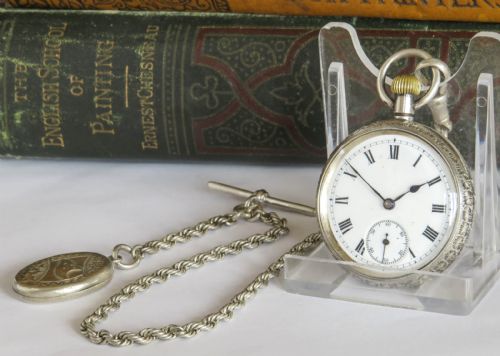
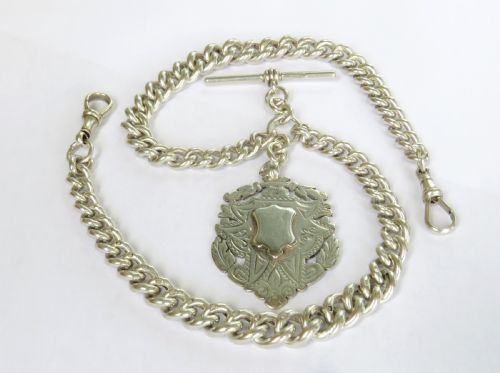
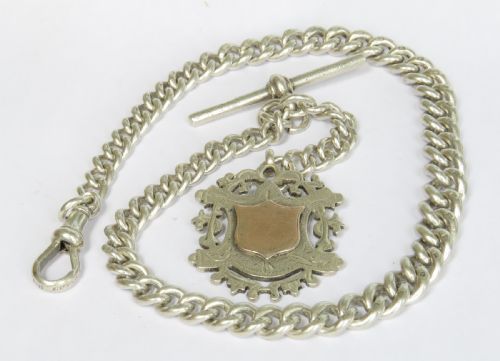
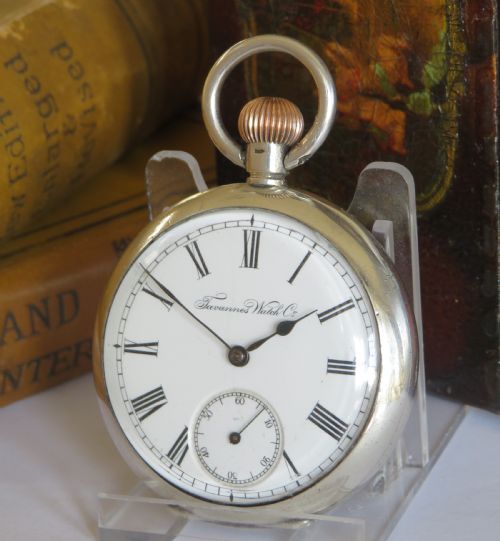
Edwardian silver pocket fob pieces are practical personal accessories and chains spanning the early twentieth century.
Edwardian Silver Pocket Fob
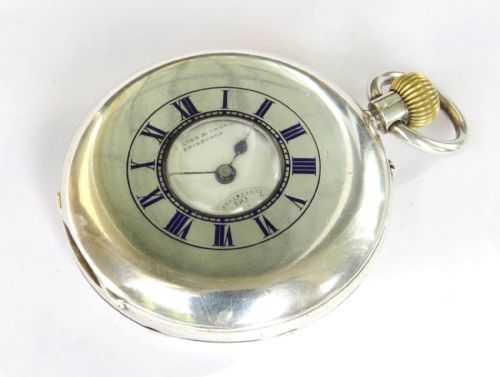
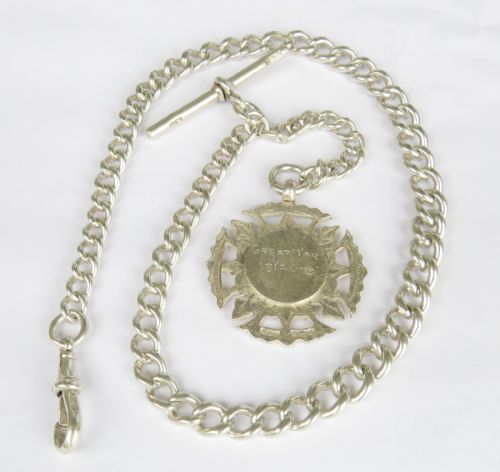
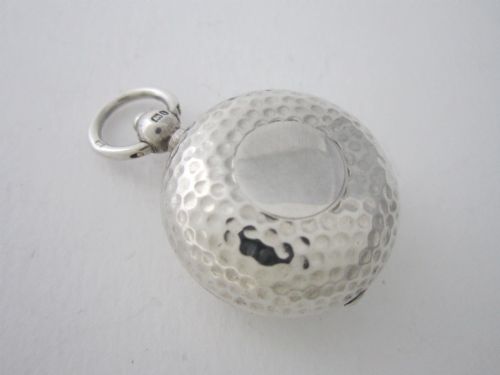
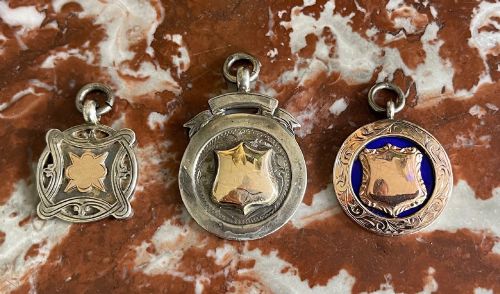
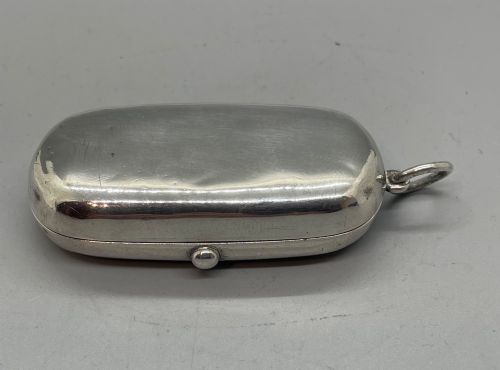
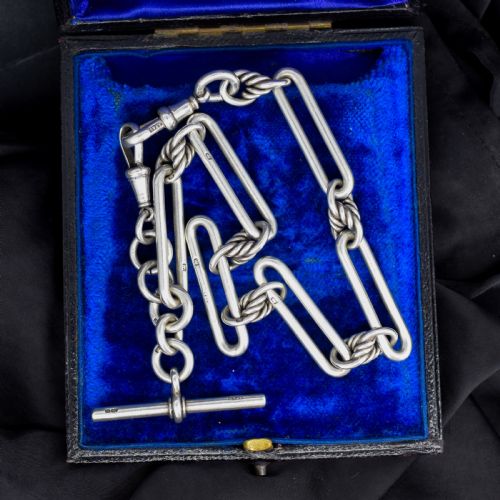
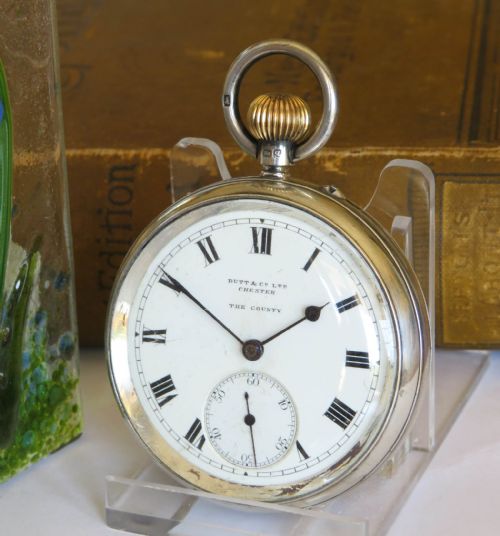
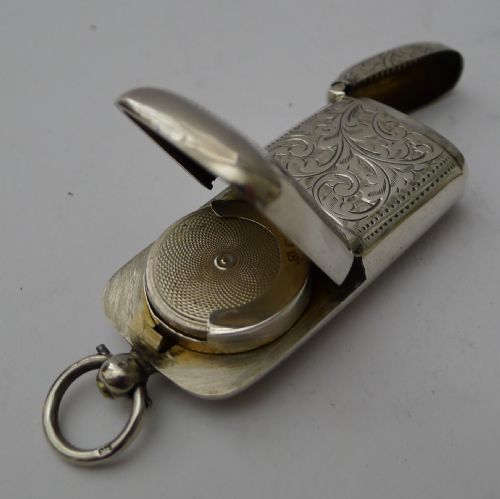
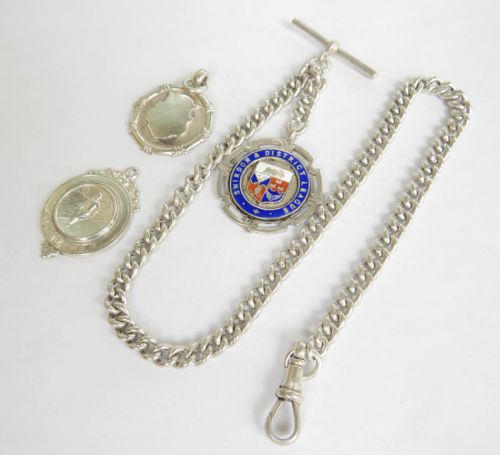
An edwardian silver pocket fob search leads you to a varied selection of pocket watches, albert chains, sovereign cases, and vesta cases spanning the Edwardian period and adjacent years. You will frequently encounter sterling silver watch chains fitted with seals, love knots, or medallions alongside protective cases for coins and matches.
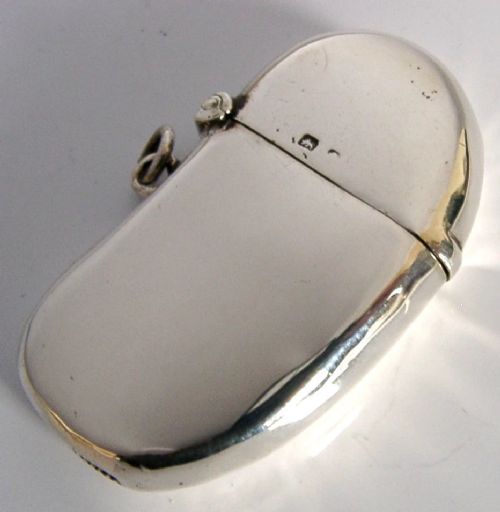
The objects stem from periods including the Edwardian era, 1900, 1910, 1920, and George V reigns, reflecting personal timekeeping and pocket storage customs. Forms range from simple curb link chains to kidney bean shaped vesta cases and hunter pocket watches made in England.
How They Were Made
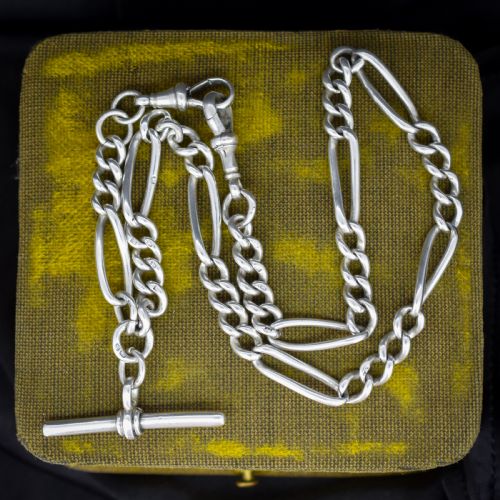
These items utilise sterling silver alongside metals like brass, nickel, and steel, occasionally incorporating enamel, glass, and brass components. Watch chains and fob medals display linked construction such as trombone and figaro patterns, while cases employ hinged mechanisms for daily utility.
Silversmiths applied hallmarks and engraved details to sovereign cases, stamp cases, and vesta boxes, marking towns like Birmingham and Chester. Pocket watch movements and casings combine metalwork with glass crystals to protect dial faces.
Listings feature sterling silver, brass, nickel, and steel materials across periods from the nineteenth century through the nineteen forties.
What Varies in Quality
The distinction between items rests on the weight of the silver used in albert chains and sovereign cases, alongside the crispness of engraved decoration and hallmarks. Substantial solid silver pieces maintain structural integrity across links and hinges better than lighter alternatives.
Makers and regional assay offices contribute to the standing of individual watch chains and pocket fobs, with named makers and clear Birmingham or Chester marks indicating specific origins. Enamel work and intact watch mechanisms further differentiate everyday items from finer examples.
Hamilton and Inches·Hinds London·Aaron Lufkin Dennison·Crisford and Norris·JW Benson
The Edwardian Silver Pocket Fob Glossary
- Albert chain
- A pocket watch chain attached to a waistcoat buttonhole by a T-bar, named after Prince Albert.
- Vesta case
- A small matchbox fitted with a striking surface on the base, often carried in a pocket.
- Sovereign case
- A small circular container designed to hold gold sovereign coins securely.
- Hallmark
- An official stamp indicating the metal purity, maker, and assay office of a silver item.
- Hunter pocket watch
- A pocket watch featuring a spring-loaded metal cover to protect the glass dial.
Edwardian Silver Pocket Fob: Frequently Asked Questions
How do I wear an albert chain?
An albert chain threads through a waistcoat buttonhole using the central T-bar, with the watch secured in one pocket and a fob pendant hanging in the other.
Shorter lengths can also be adapted to wear around the neck as a necklace.
What is a sovereign case used for?
A sovereign case stored British gold sovereign coins safely in the pocket before paper money became common practice.
Many examples feature spring-loaded internal clips to release the coins individually.
How do I identify an Edwardian silver fob?
Edwardian pieces often display hallmarks indicating the assay year between nineteen hundred and nineteen ten alongside sterling silver marks.
Stylistic elements like love knot links and engraved monograms frequently accompany pieces from this era.