



Edwardian Silver Coin Holder
An edwardian silver coin holder is a pocket companion for sovereigns and vestas, offering solid protection and neat mechanical release.
Edwardian Silver Coin Holder
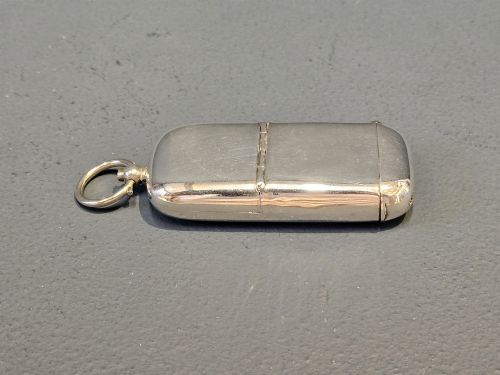
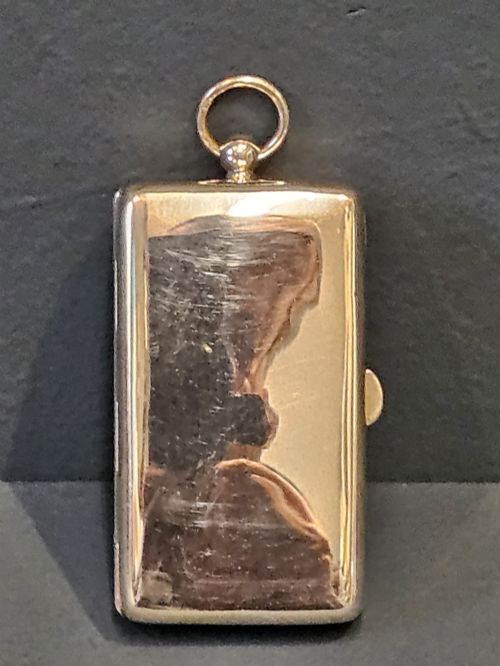
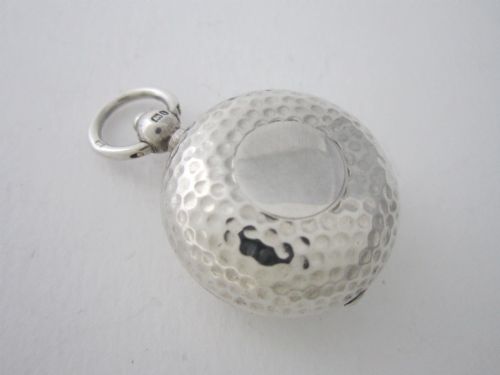
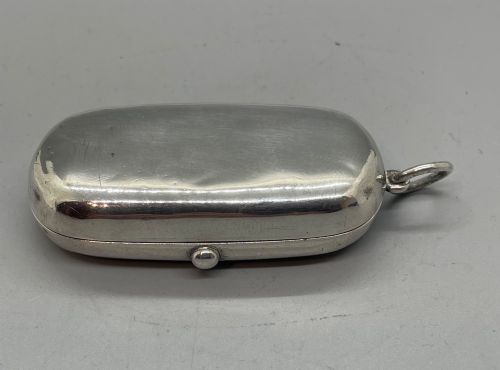
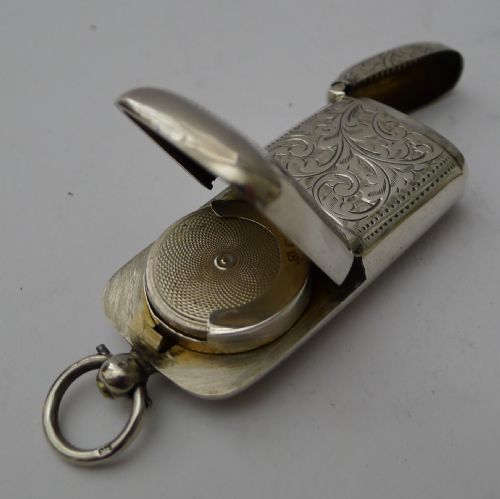
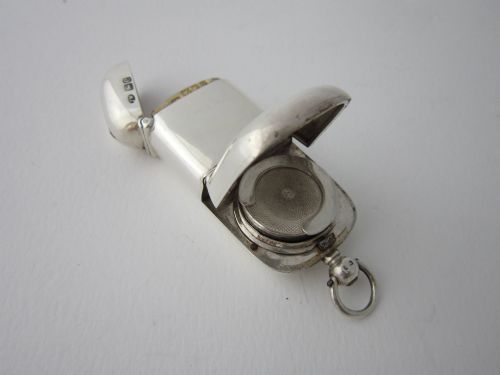
An edwardian silver coin holder on this page typically takes the form of a sovereign case, a vesta case, or a combination piece designed to hold both coins and matches. These pocket containers belong predominantly to the Edwardian period, alongside occasional examples from the late Victorian era and the early reign of George V.
Most items are fashioned as round hinged compartments for single or double sovereigns, engineered with internal springs to secure the gold currency tightly. Alongside these, buyers find silver-mounted purses in leather and combination vesta cases that reflect the personal carrying habits of the early twentieth century.
How they were made
The makers formed these containers using sterling silver, working sheet metal into hinged shells, spring-loaded internal frames, and secure snap closures. Many pieces incorporate stamped hallmarking from Birmingham assay offices, recording standard sterling purity alongside date letters and maker marks.
Beyond solid metal construction, some examples combine sterling silver with fitted leather bodies or interior mounts to create purses and pouches. Polished finishes dominate the surviving output, highlighting plain silver surfaces or restrained chased decoration.
Match strikers on the bottom of vesta cases show the honest friction marks of early twentieth-century pocket lighting.
What varies in quality
Quality in an edwardian silver coin holder rests on the crispness of the spring mechanism and the exactness of the hinge closure. A superior piece maintains tight tension in the coin clip and a flush fit when the lid snaps shut.
The clarity of the Birmingham hallmarks and the integrity of any maker stamp also divide standard production from notable work by recognised silversmiths. Weight and thickness of the sterling silver sheet govern the durability of the casing over daily handling.
Aaron Lufkin Dennison·Henry Charles Freeman
The Edwardian Silver Coin Holder Glossary
- Sovereign case
- A small pocket container designed specifically to hold one or two gold sovereign coins securely. These holders use internal spring clips to prevent the coins from rattling or falling out when opened.
- Vesta case
- A pocket box intended to carry matches, featuring a striated striking surface usually integrated into the base. They share similar hinged construction and pocket dimensions with coin holders.
- Combination case
- A dual-purpose container that houses both coins and matches within a single hinged silver body. These pieces economise pocket space for Edwardian gentlemen and ladies.
- Sterling silver
- The standard alloy of silver containing ninety-two point five percent pure silver by mass. This material provides the necessary rigidity and lustre for pocket containers.
Edwardian Silver Coin Holder: Frequently Asked Questions
What fits inside an edwardian silver coin holder?
These containers are sized precisely for British gold sovereign and half-sovereign coins, holding them within internal sprung clips.
Combination versions allocate adjacent space for matches, while mounted leather purses incorporate small compartments for folded currency or tokens.
How do you open the spring mechanism?
Most sovereign cases rely on a push-button release or a small catch that unlatches the spring-loaded lid against internal tension.
When pressed, the lid springs open to present the edge of the coin for easy removal.
Are these silver cases suitable for daily pocket use?
Solid sterling silver construction makes these holders robust enough for contemporary pocket or bag transport.
Owners should check that the hinge and clasp remain secure to prevent loss of the contents during movement.
How do I identify an Edwardian piece?
Dating relies on the assay office hallmarks and date letters struck into the silver casing, corresponding to the reigns shown in the listings.
Stylistic markers such as polished plain surfaces and specific maker marks further anchor the piece to the early twentieth century.