

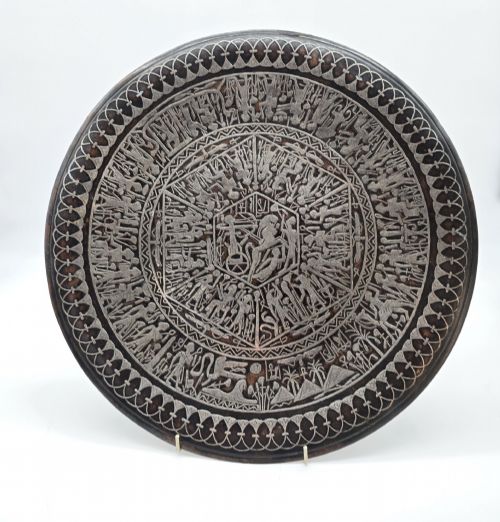
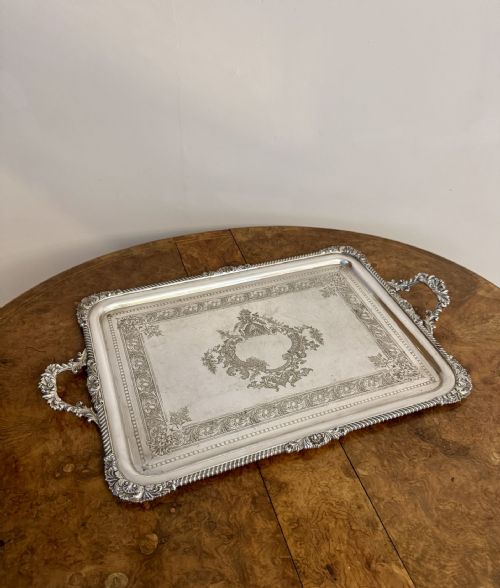
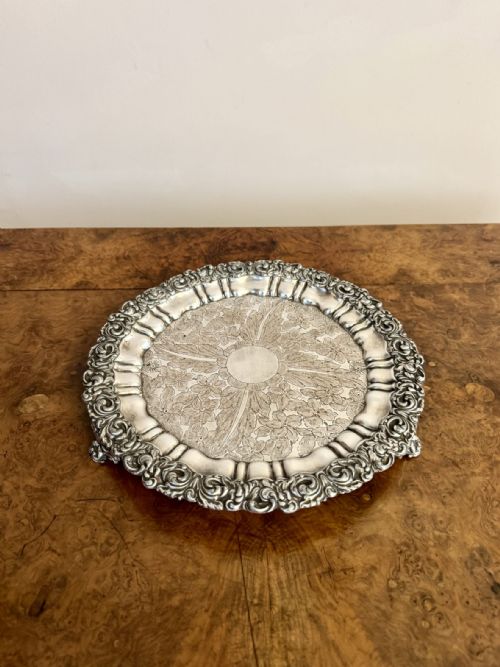
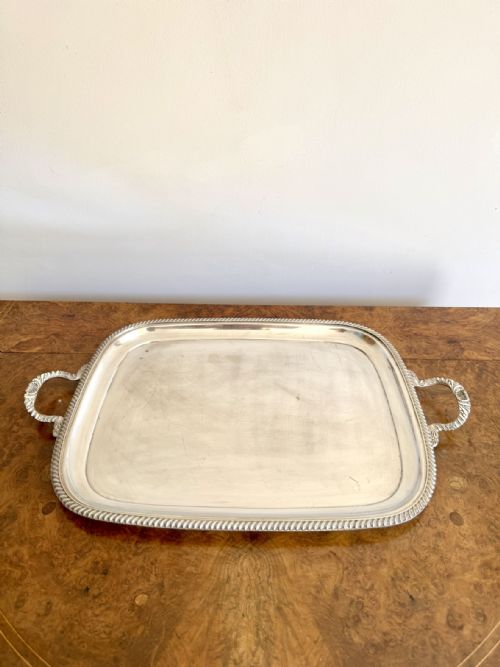

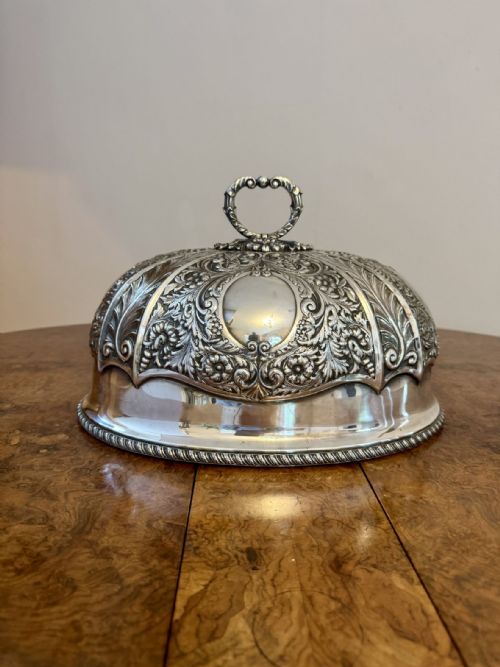

Edwardian Silver Plated Platter
An edwardian silver plated platter brings the weight and bright polish of formal hospitality to a dining room or sideboard.
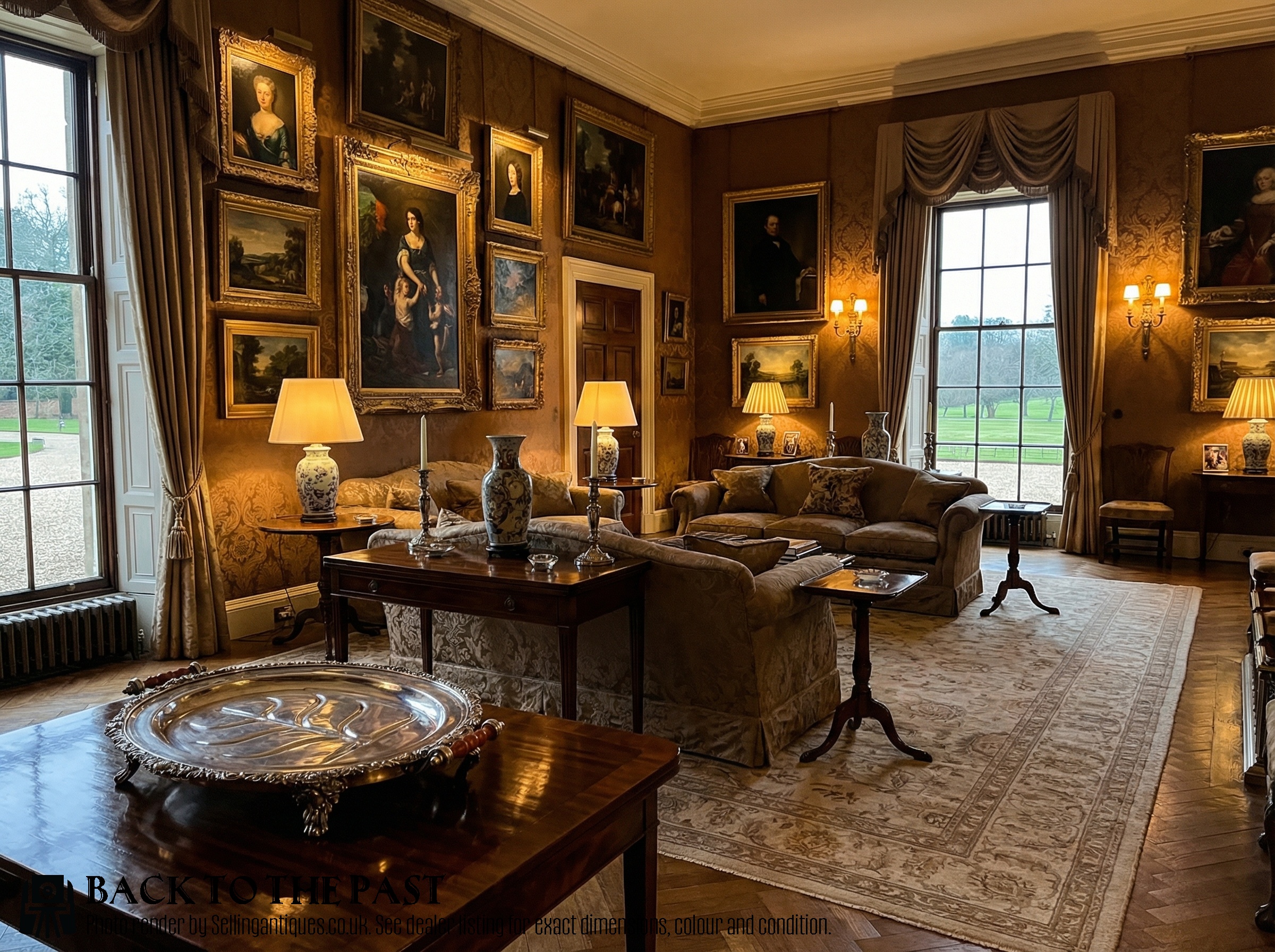
Edwardian Silver Plated Platter
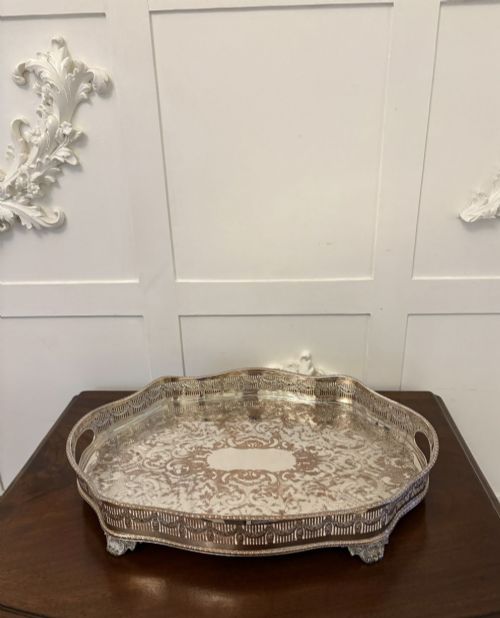
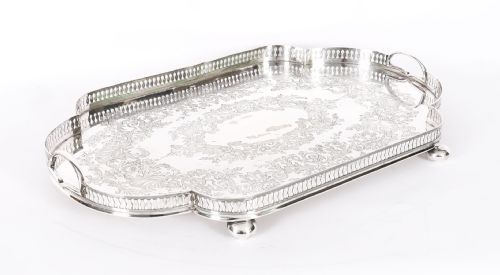
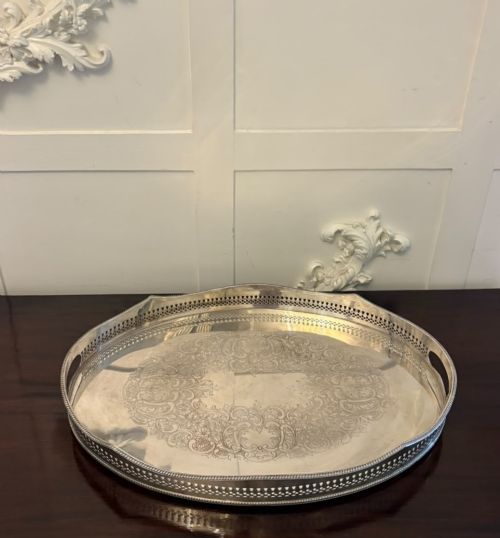
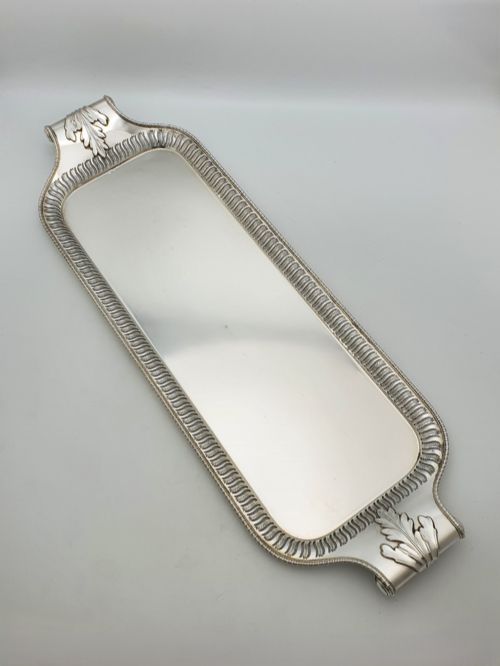
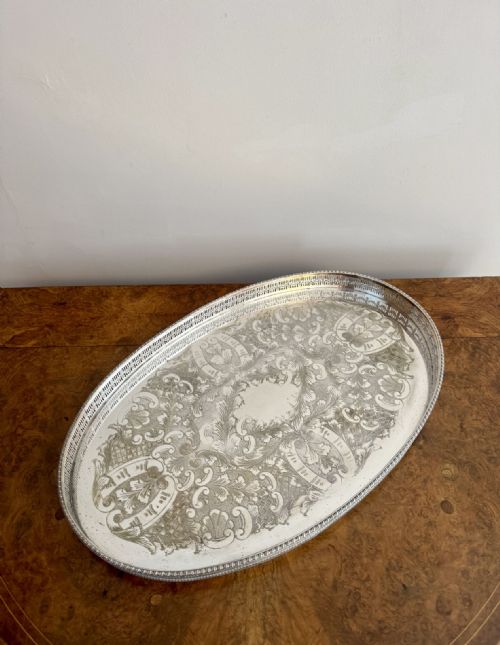
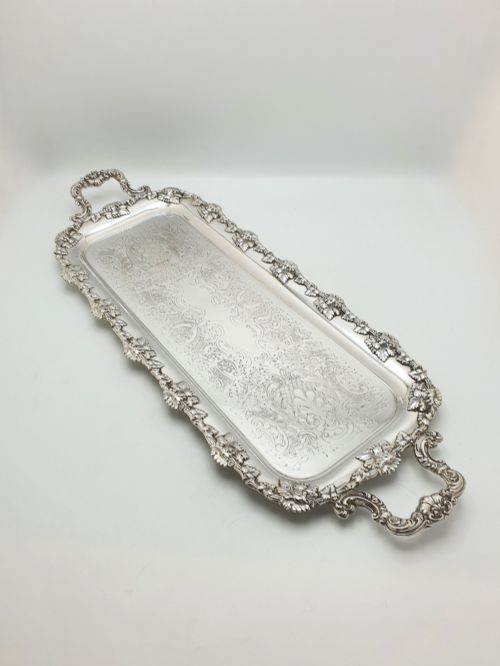
When you search for an edwardian silver plated platter, you encounter a variety of serving vessels designed for domestic display and dining during the early twentieth century. The selection ranges from flat tea trays and cocktail servers to deep gallery trays with pierced borders and lidded entree dishes.
Most examples date from the Edwardian period and the surrounding decades, incorporating styles that stretch from Victorian heaviness into Sheraton Revival elegance and Arts and Crafts simplicity. These items served functional roles in large households, carrying drinks, roasts, and asparagus to the table.
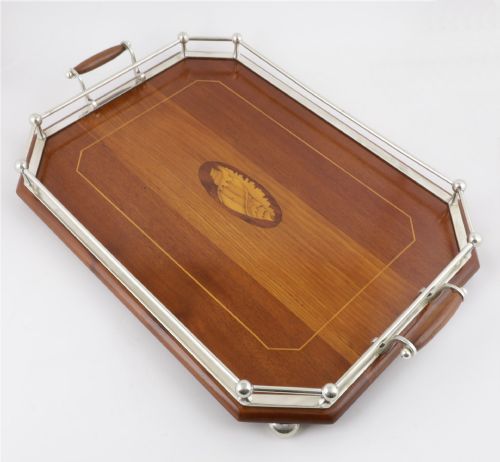
Forms include rectangular, octagonal, and oval shapes, often fitted with handles or wooden bases made of mahogany and oak. Makers produced these pieces in Sheffield and London to satisfy the demands of formal entertaining.
How they were made
Makers utilised electroplated nickel silver, known as EPNS, depositing a layer of silver onto a base metal of copper, brass, or nickel alloy. This technique allowed workshops to produce robust serving items with the appearance of solid silver at a lower cost.
Surface ornamentation involved hand engraving, chased borders featuring grapevines, and pierced galleries soldered to the edges of the tray. Some pieces incorporated wooden elements like mahogany and oak, secured with shell inlay or brass handles.
What varies in quality
The distinction between standard domestic items and high-end pieces rests upon the thickness of the silver deposition and the crispness of the chased decoration. Superior trays exhibit deep, hand-cut engraving rather than shallow machine stamping, alongside heavier base metals that prevent flexing.
Maker attribution also influences standing, with pieces bearing marks from renowned Sheffield firms commanding greater attention for their superior finishing and robust construction. The integration of auxiliary materials like inlaid wood and cast handles adds to the overall solidity of the object.
James Deakin·William Hutton & Sons·Mappin & Webb·Hamilton & Inches·Hukin & Heath·Frank Cobb & Co
The Edwardian Silver Plated Platter Glossary
- EPNS
- Electroplated Nickel Silver, a common base material coated in a thin layer of pure silver. This process dominated British manufacturing from the mid-nineteenth century onwards.
- Gallery tray
- A serving tray fitted with a raised, often pierced metal gallery or railing around the perimeter to secure glassware and decanters. These fences were frequently pierced or cast in openwork patterns.
- Entree dish
- A covered serving vessel used for bringing main courses or side dishes to the dining table. Many examples feature detachable handles that allow the base to function as a secondary platter.
- Sheffield plate
- A term originally describing silver fused to copper, later used to denote high-quality silver plating originating from the city of Sheffield. It signifies robust construction and superior metalwork.
- Salver
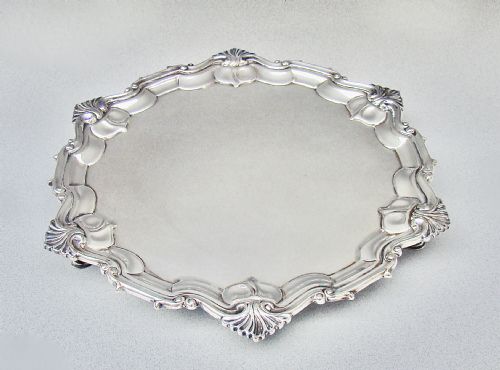
- A flat serving tray, usually round and supported on small feet, used for presenting letters, glasses, or small dishes. They represent formal domestic service from the Victorian and Edwardian eras.
Edwardian Silver Plated Platter: Frequently Asked Questions
What is the difference between a tray and a platter?
Platters are generally designed for presenting food directly at the table, such as meats or asparagus dishes. Trays tend to feature handles and elevated rims for carrying multiple drinking vessels or tea services.
In practice, many Edwardian pieces served dual functions depending on the needs of the household. Deeper vessels with covers were strictly for food service, while flat silver plated surfaces accommodated cocktails and decanters.
How should I clean silver plated items?
Cleaning requires a soft cloth and a specialised silver polish formulated for plated items. Vigorous scrubbing wears away the thin silver layer over time, exposing the nickel silver or copper beneath.
Warm soapy water and a gentle dry with a microfiber cloth prevent tarnish build-up between uses. Avoid abrasive brushes or chemical dips that strip the original patina.
Can these platters still be used for serving food?
Most Edwardian serving pieces remain entirely functional for modern dining and entertaining. Their sturdy nickel silver cores and thick plating handle warm dishes and cold canapes without issue.
Care should be taken with acidic foods like citrus or vinegar, which can react with older metal surfaces if left in contact for extended periods. Hand washing immediately after use preserves the finish.
How do I identify an Edwardian piece?
Dating relies on maker marks, stylistic cues, and the specific composition of the metal plating. Edwardian items often display brighter finishes and cleaner classical revival motifs compared to heavier Victorian counterparts.
Maker stamps on the underside often correspond to known Sheffield or London firms active around the turn of the twentieth century. The presence of EPNS or electroplate stamps confirms the nineteenth or twentieth-century manufacturing technique.