

Edwardian Silver Match Holder
When an edwardian silver match holder crosses the counter, you hold a pocket-sized piece of social history built for an era of heavy smoking.
Edwardian Silver Match Holder
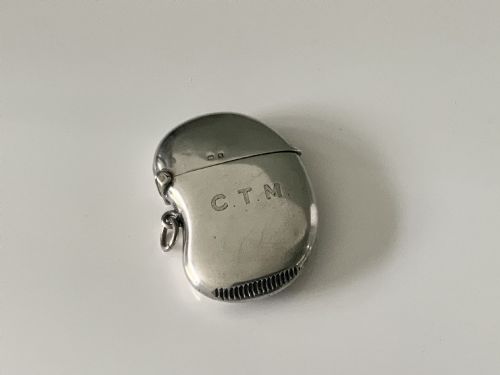
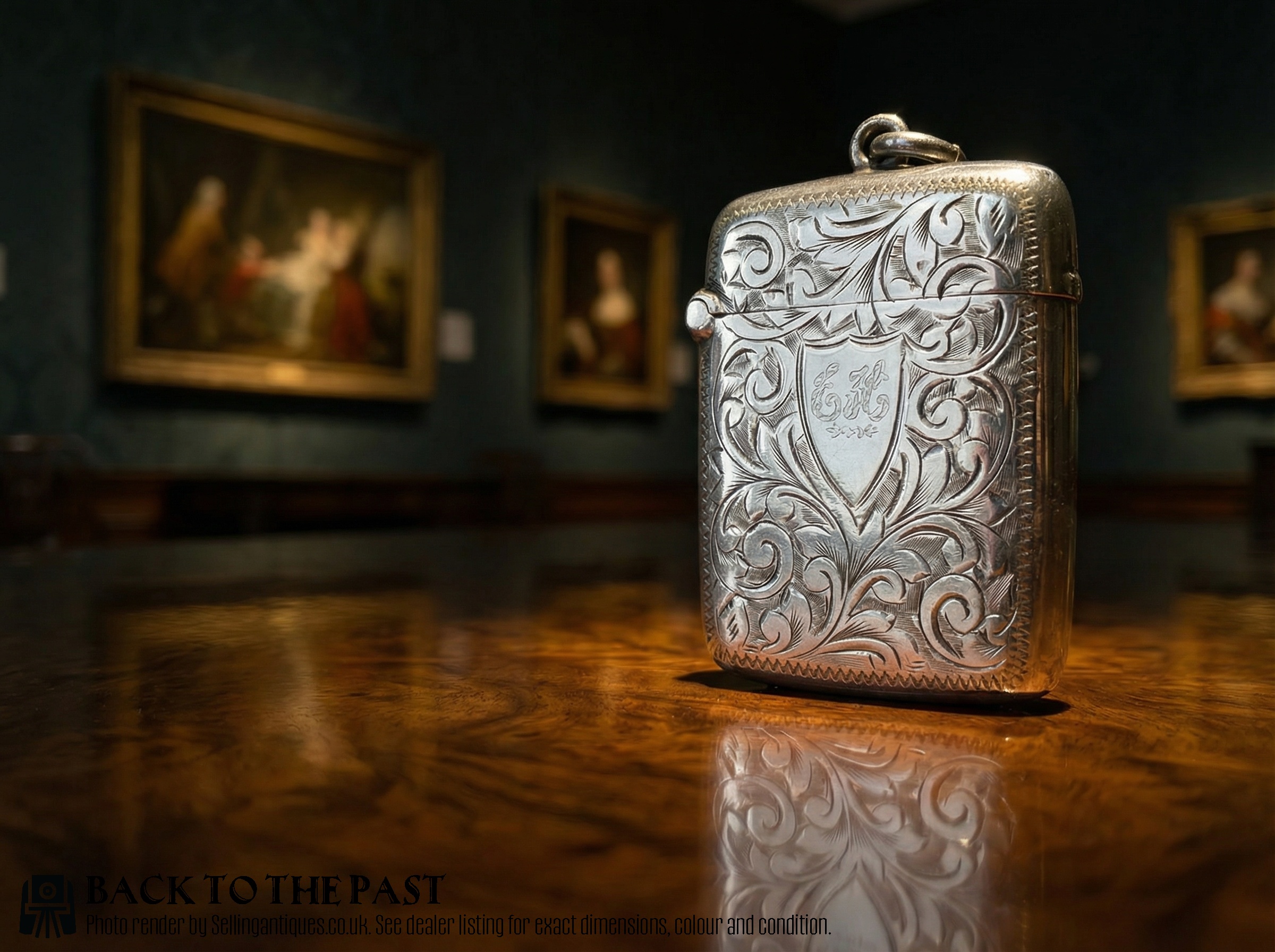
An edwardian silver match holder encompasses portable vesta cases, matchbox covers, and desk-bound match strikers fashioned across the Edwardian period and adjacent decades. These pieces served the daily practical need to ignite matches safely in pockets or upon tables before the widespread adoption of safety matches and lighters.
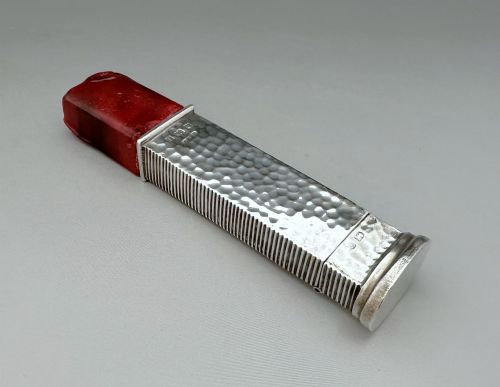
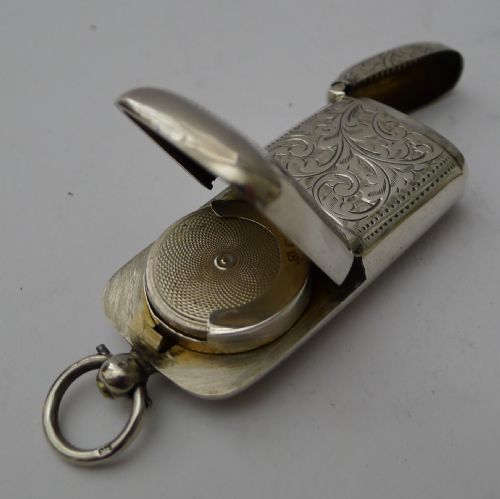
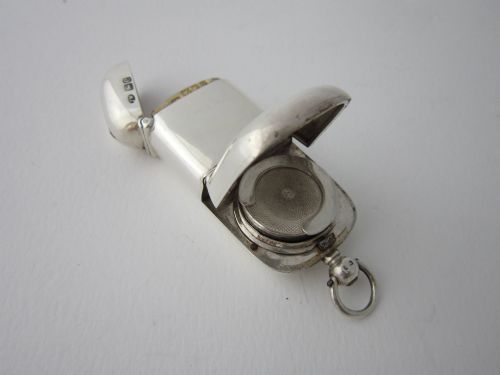
Vesta cases dominate the selection, appearing alongside glass and silver match strikers, matchbox covers, and combination pieces that house sovereigns, stamps, or sealing wax. Most examples trace their origins to Birmingham and Chester assay offices, reflecting the industrial scale of silversmithing at the time.
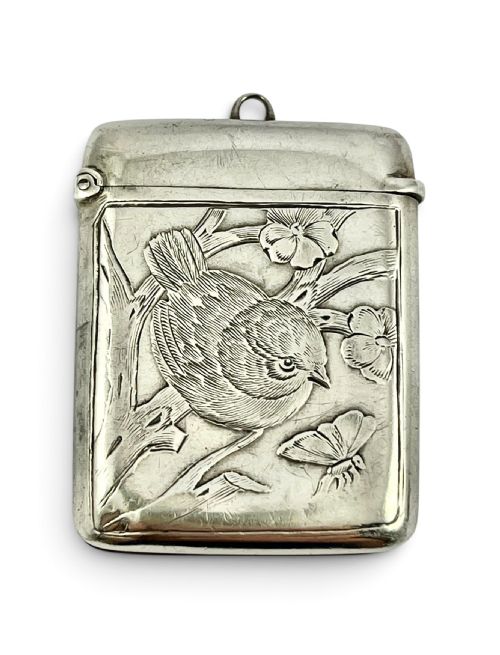
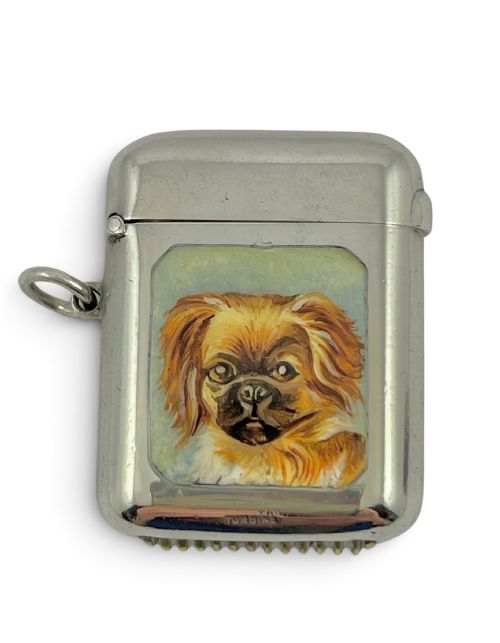
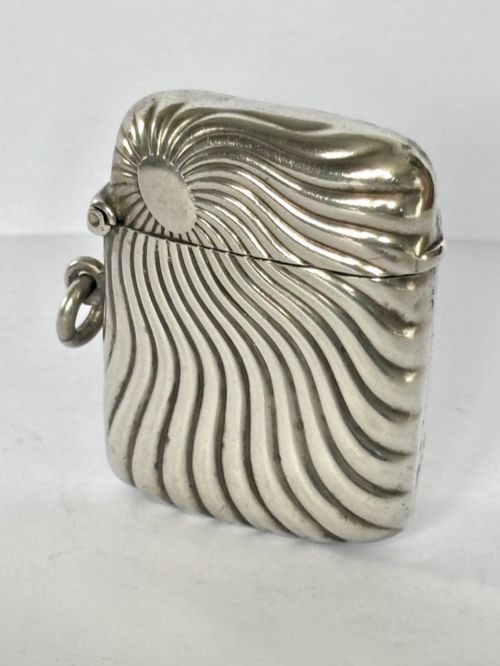
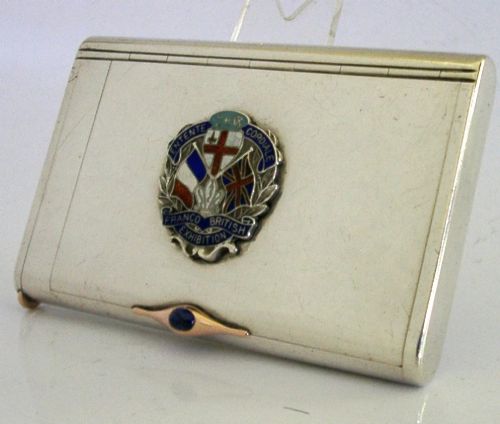
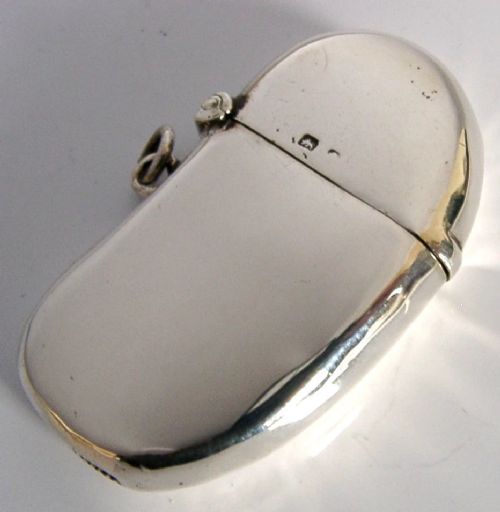
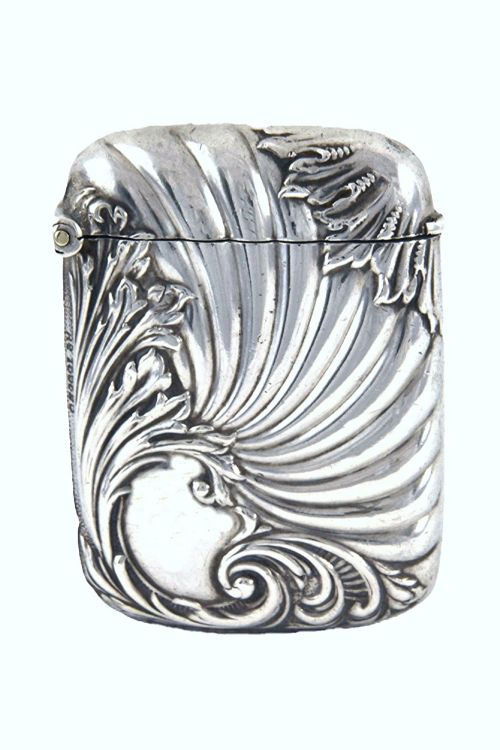
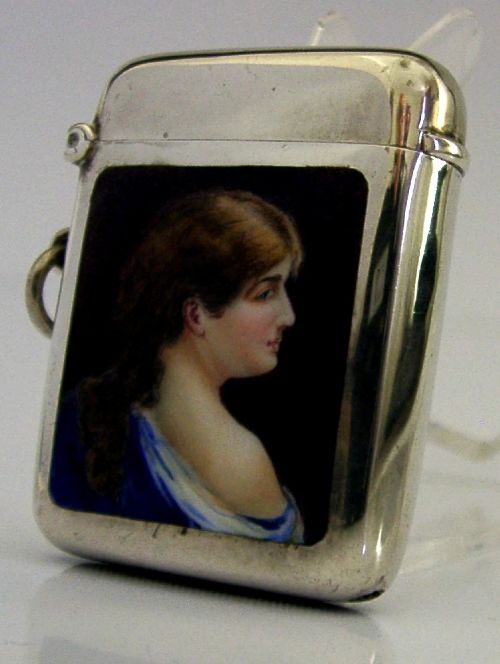
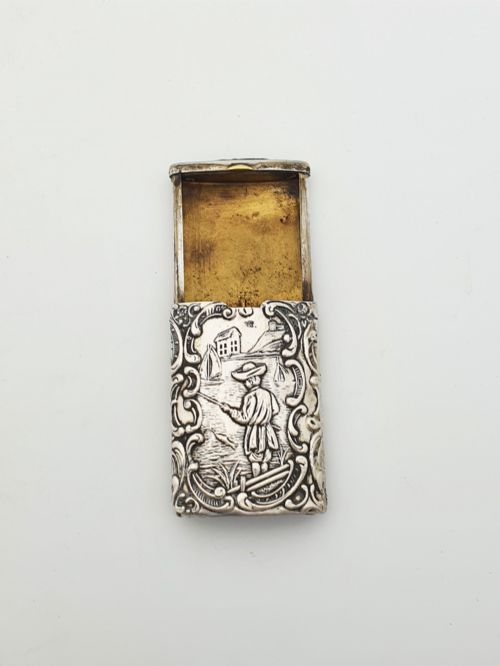
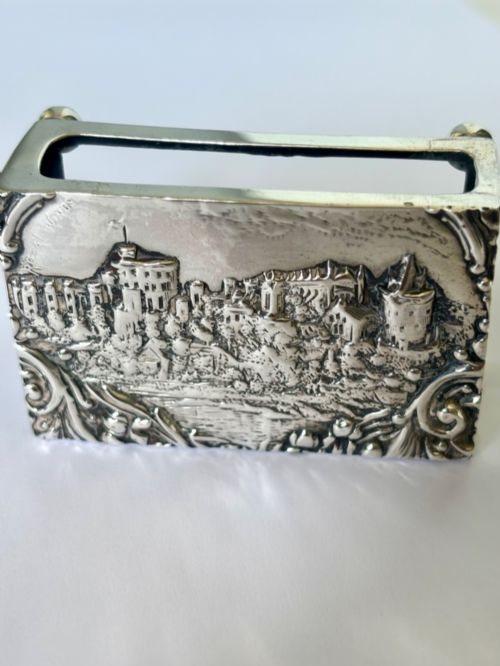
The forms range from plain rectangular boxes and kidney shapes to novelty designs modelled as animals, owls, and pug dogs, alongside castle-top scenes and sunburst engravings. Collectors also encounter continental silver variants and pieces bearing enamel crests or hand-painted panels.
How they were made
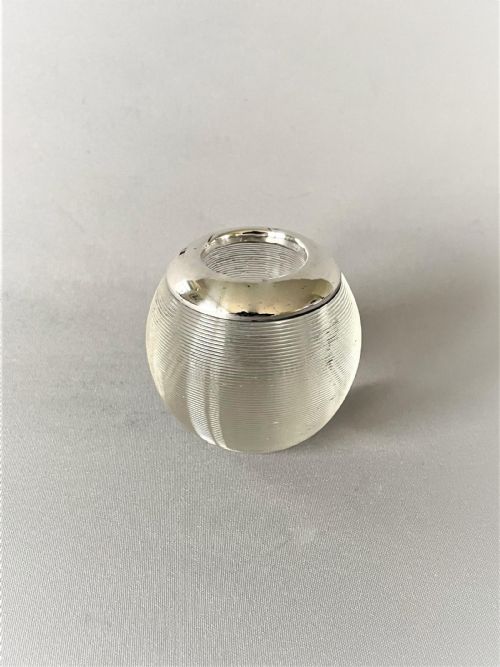
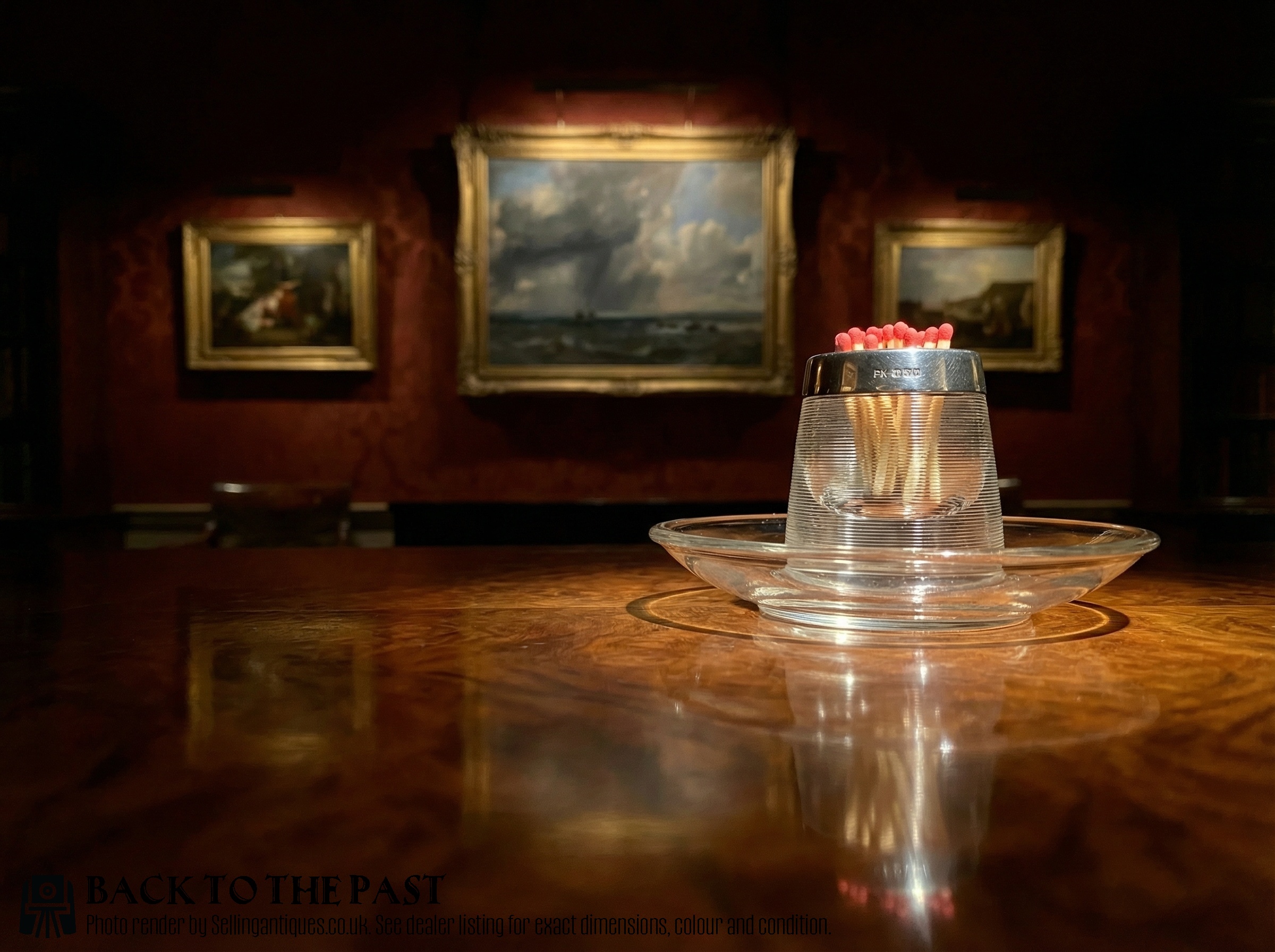
Silversmiths utilised sterling silver and 800 silver, shaping bodies through stamping, casting, and repoussé techniques to achieve crisp relief work. Textured glass served as the striking surface on table match holders, paired with heavy sterling silver mounts.
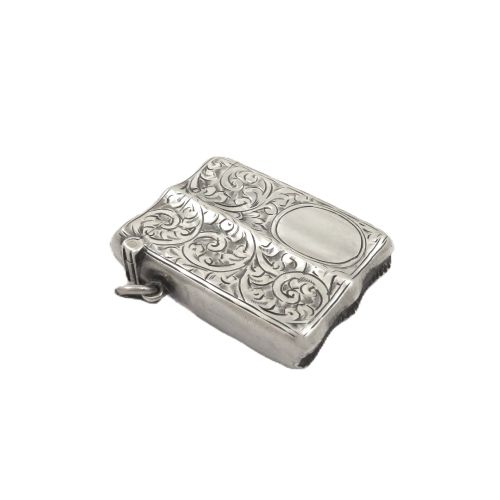
Surface decoration involved vitreous enamel, gold highlights, hand-painted details, and intricate sunburst or threaded engravings. Many items integrated hinged lids with internal springs and striker ridges milled into the base for functional daily use.
Edwardian Silver Match Holder Retail Price Guide 2026
Typical asking prices for edwardian silver match holder among the pieces listed under this phrase on Sellingantiques today, from the lower quarter to the upper quarter. They describe what is for sale here now, not the wider market.
Object forms span pocket vesta cases, glass match strikers, matchbox covers, toast racks, and watch chains.
What varies in quality
The distinction between standard production items and exceptional pieces rests on the crispness of the chasing, the complexity of novelty forms, and the presence of undamaged vitreous enamel. Superior examples exhibit tightly closing spring hinges and fully legible hallmarks stamped across the silver components.
Artistic ambition separates simple pocket boxes from specialist commissions, such as scenic relief panels, portrait faces, or combination items housing watch chains and sovereign cases.
Robert Chandler·Mappin and Webb·Sampson Mordan·J.B. Bennet·William Hair Haseler·William Comyns·Alfred Clark
The Edwardian Silver Match Holder Glossary
- Vesta case
- A small pocket container designed to hold matches, known colloquially as vestas after the Roman goddess of the hearth. These boxes typically feature a hinged lid and a striated striking surface on the base.
- Match striker
- A heavy desk accessory combining textured glass or ceramic with a silver mount, intended to ignite safety matches through friction. The ribbed or threaded glass exterior creates the abrasive surface required.
- Hallmark
- A series of official marks stamped into precious metals indicating the assay office, standard of purity, and year of manufacture. British pieces commonly display leopard heads, anchors, or three sheaves alongside date letters.
- Repoussé
- A metalworking technique where the silversmith hammers the design from the reverse side to form raised decorative reliefs on the exterior. This method produced the scrolling foliage and figural scenes seen on period match cases.
- Vitreous enamel
- Glass powder fused to a metal surface through high-temperature firing, creating vibrant coloured decoration. Collectors prize panels depicting animals, crests, or portraits for their survival without chipping.
Edwardian Silver Match Holder: Frequently Asked Questions
How do I tell an Edwardian piece from a Victorian one?
Dating relies heavily on the hallmarks stamped into the silver, which record the exact year and assay office of manufacture. Stylistic shifts also offer clues, as Edwardian items frequently embrace lighter Art Nouveau curves or crisp neoclassical motifs compared to heavier Victorian designs.
The historical reign spanning the early twentieth century brought distinct manufacturing trends, though silversmiths often continued established workshop practices across both eras.
Were these match holders used every day?
These items served as essential everyday accessories for lighting pipes, cigars, and cigarettes before the widespread availability of modern lighters. Gentlemen and ladies carried them constantly, which explains the minor dings and surface wear found on many surviving examples.
Table versions sat permanently in smoking rooms, hallways, and dining tables for guests to utilise freely.
What are combination vesta cases?
Combination pieces incorporated extra functions alongside the primary match compartment, such as sovereign holders for gold coins, stamp containers, or compartments for sealing wax. These versatile accessories accommodated the practical needs of travellers and daily life.
Silversmiths engineered internal spring dividers to keep coins and matches separate within the same compact silver housing.