


Edwardian Silver Glass
Edwardian silver glass combines precious metal mounts with brilliant crystal vessels for dressing tables and dining rooms.
Edwardian Silver Glass
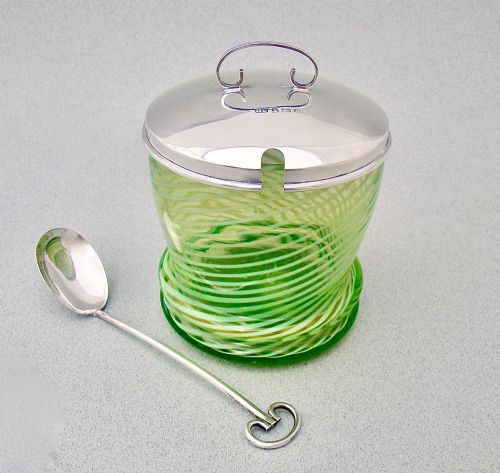
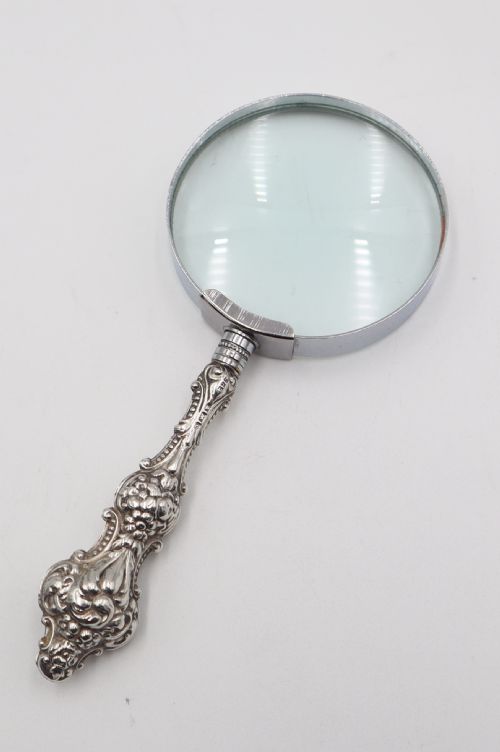
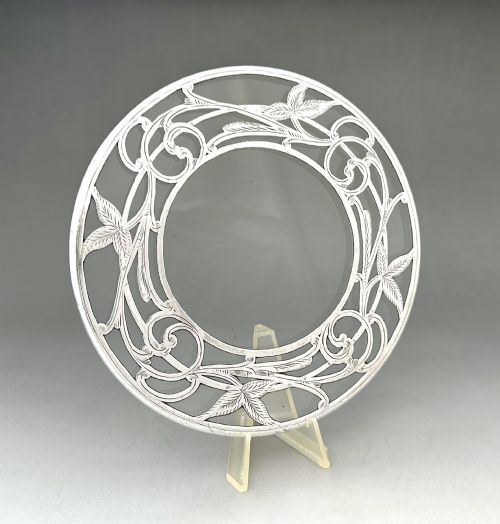
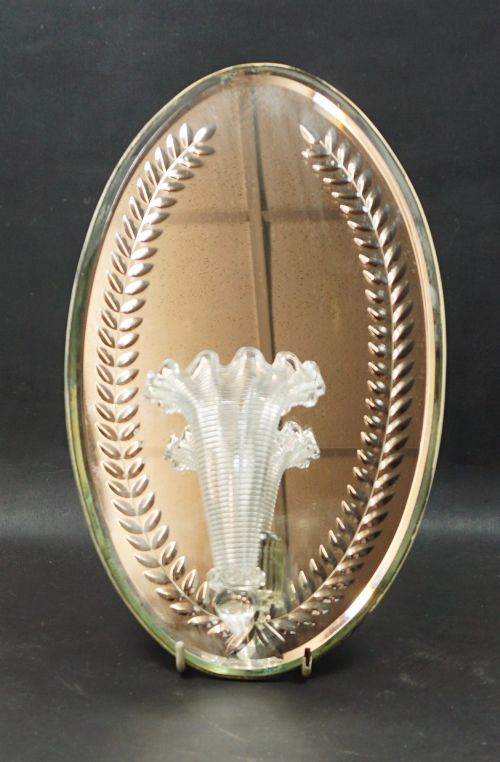
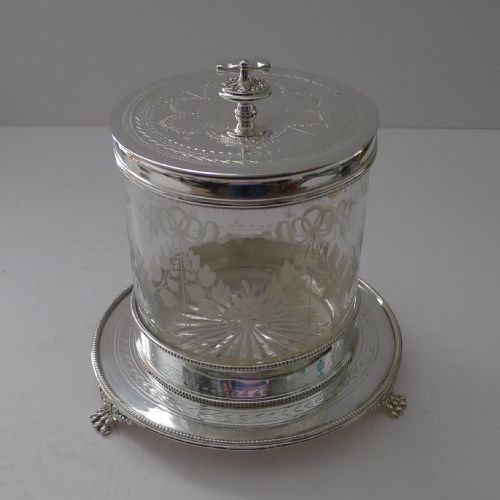
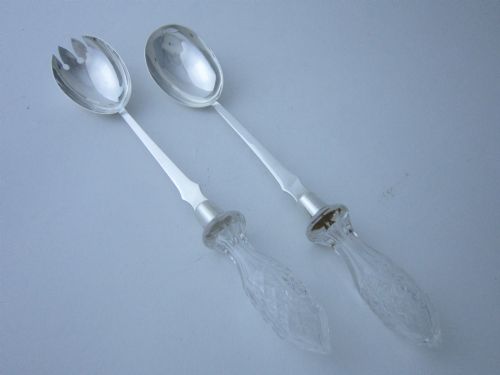
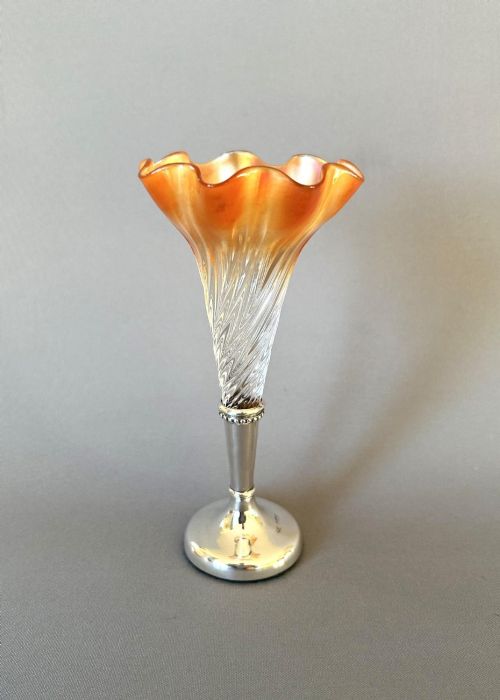
Edwardian silver glass pieces comprise functional vessels and display items made from clear or coloured glass enhanced by sterling silver or silver plate mounts.
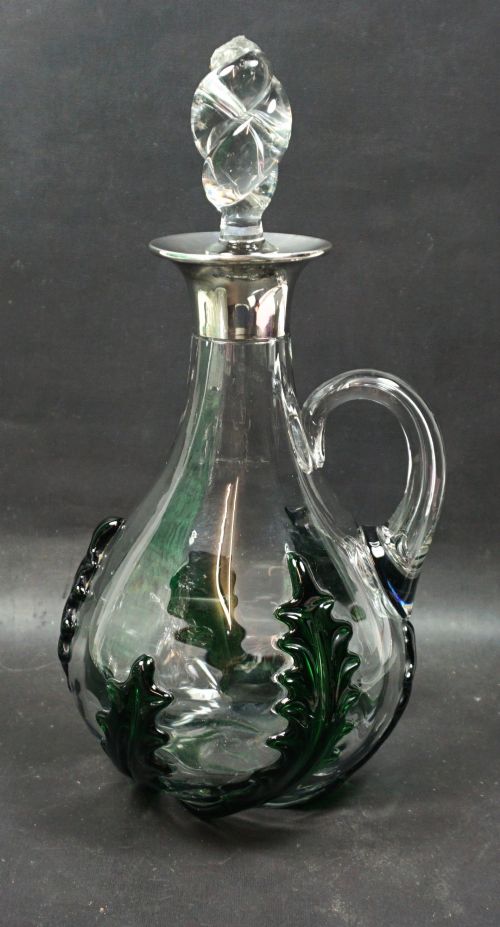
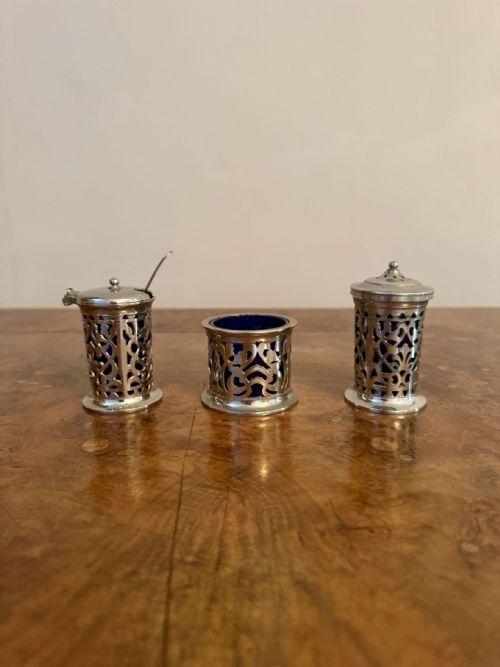
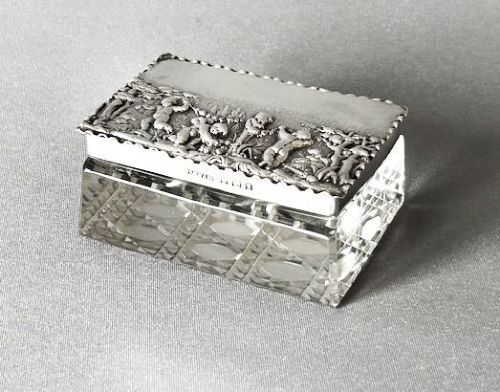
Buyers seeking edwardian silver glass commonly encounter scent bottles, cruet sets, dressing table jars, and decanters dating from the early twentieth century.
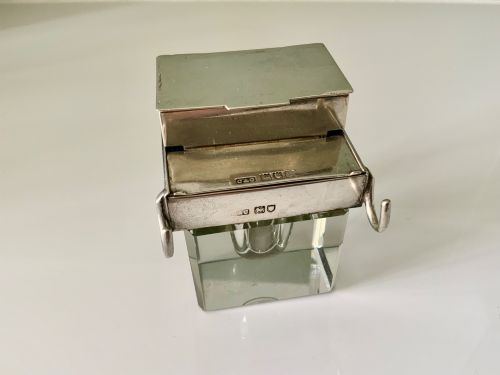
Makers of the period also produced sugar baskets, inkstands, and claret jugs that pair heavy glass bodies with pierced or chased silver frameworks.
Materials and Methods
Glass bodies were typically blow-moulded or heavily cut to catch the light, utilising ruby cranberry glass, cobalt glass, frosted glass, or clear crystal.
Metal mounts were cast, hand-fretted, or embossed in sterling silver and silver plate, then secured around bottlenecks, rims, and bases.
Decorative elements frequently incorporated enamel painting, guilloché work, tortoise shell inserts, and porcelain plaques set directly into the metal or glass.
Edwardian Silver Glass Retail Price Guide 2026
Typical asking prices for edwardian silver glass among the pieces listed under this phrase on Sellingantiques today, from the lower quarter to the upper quarter. They describe what is for sale here now, not the wider market.
Some Edwardian silver plated jugs take the whimsical form of an owl with staring glass eyes.
Factors of Quality
Quality rests in the weight and clarity of the glass vessel, where deep hobnail cutting and unblemished surfaces distinguish superior examples from plain moulded ware.
The substance of the silver mount dictates value, with substantial gauge sterling silver housings demonstrating greater durability than thin silver plate.
The precision of assembly separates ordinary production from finer work, ensuring mounts fit flush against the glass without distortion or excessive solder.
William Comyns·Harrods Ltd·Henry Clifford Davis·A Bromet And Co·Gorham
The Edwardian Silver Glass Glossary
- Guilloché
- A decorative technique involving intricate mechanical engraving beneath translucent enamel. This method was widely applied to dressing table jars and trinket boxes.
- Hobnail cut
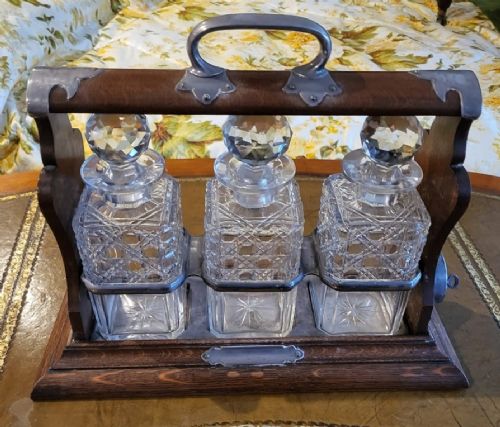
- A distinct geometric glass-cutting pattern featuring rows of small, pyramid-like facets. It creates a heavily textured surface that refracts light intensely.
- Tantalus
- A locking wooden frame holding glass decanters to prevent access to the contents without a key. The metal handle engages the stopper tops to secure them.
- Standish
- A portable inkstand or desk accessory incorporating inkwells, pen trays, and sanders. It sits upon a base of wood or fretted silver.
- Paste glass
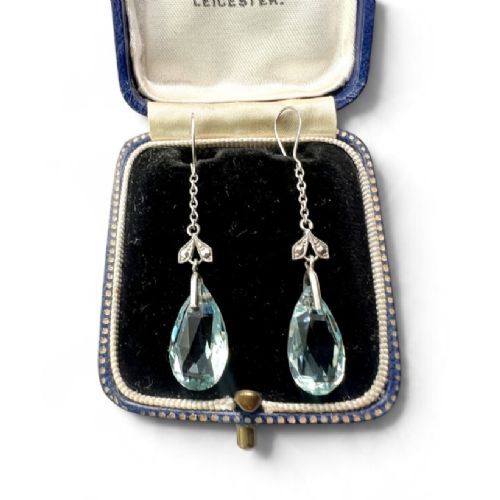
- Faceted lead glass used to imitate gemstones in jewellery and decorative mounts. It is hand-cut and set into silver or gold.
Edwardian Silver Glass: Frequently Asked Questions
How do I clean silver mounts on glass?
Use a soft cloth and dedicated silver polish, taking care to avoid getting liquid inside unsealed glass vessels or onto enamel panels.
Keep polish away from the junction where silver meets glass to prevent residue accumulation in crevices.
Are glass stoppers original to the decanters?
Original stoppers often bear a matching number or grinding mark corresponding to the interior neck of the bottle.
Replacements may fit loosely or display minor variations in colour and glass tint under bright light.
What is the difference between sterling and plate?
Sterling silver contains a regulated high purity of precious metal throughout the entire thickness of the component.
Silver plate consists of a base metal core coated with a thin outer layer of silver.
How do I identify Edwardian pieces?
Assay office marks, date letters, and maker stamps stamped directly on the silver mounts provide exact manufacturing years.
Stylistic cues such as garland motifs and light proportions also point to the early twentieth century.