
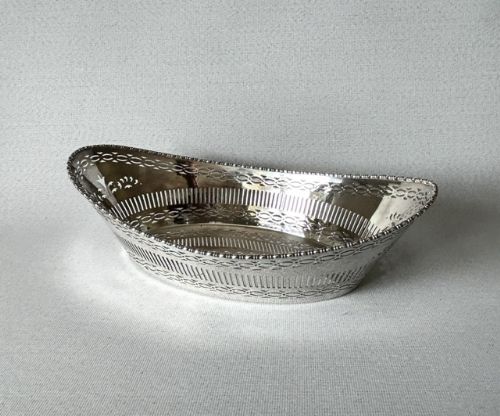
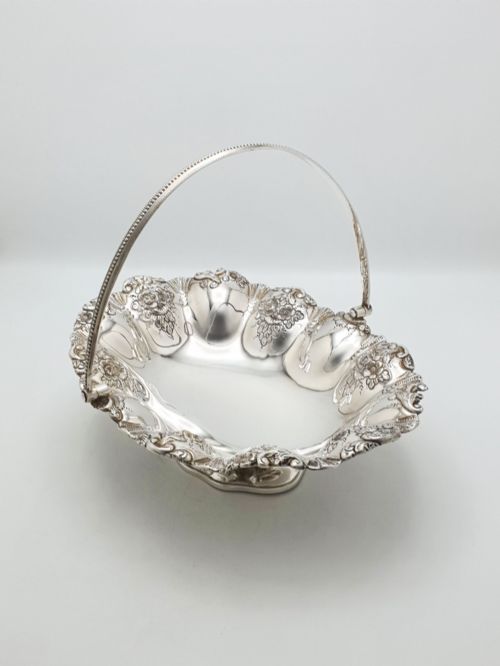


Edwardian Silver Bread Basket
An Edwardian silver bread basket brings formal dining table design into focus, offering silver or silver plate crafted for presentation.
Edwardian Silver Bread Basket
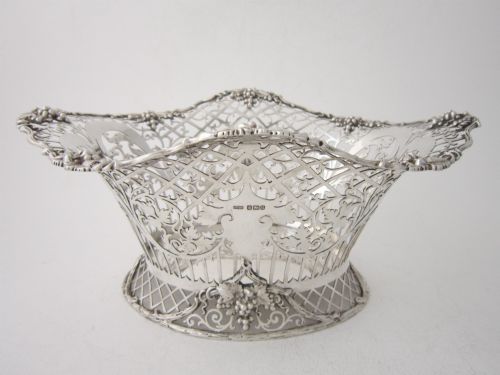
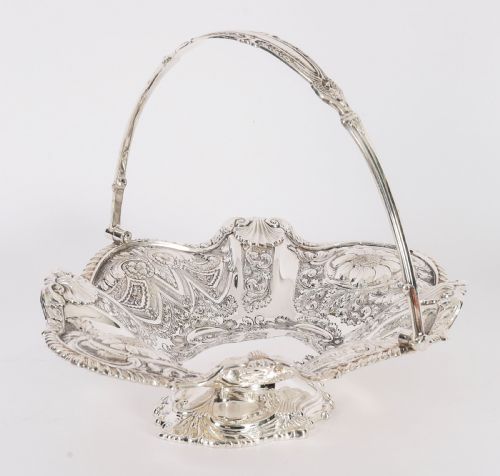
An edwardian silver bread basket sits at the centre of the table, designed originally to hold sliced bread or fruit for guests. The pieces met here span sterling silver and silver plate, frequently bearing the characteristic light ornamentation of the period.
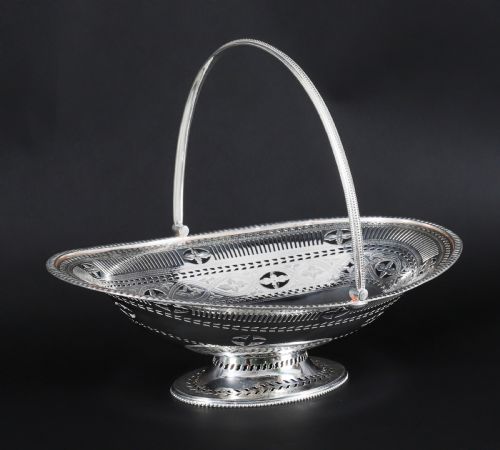
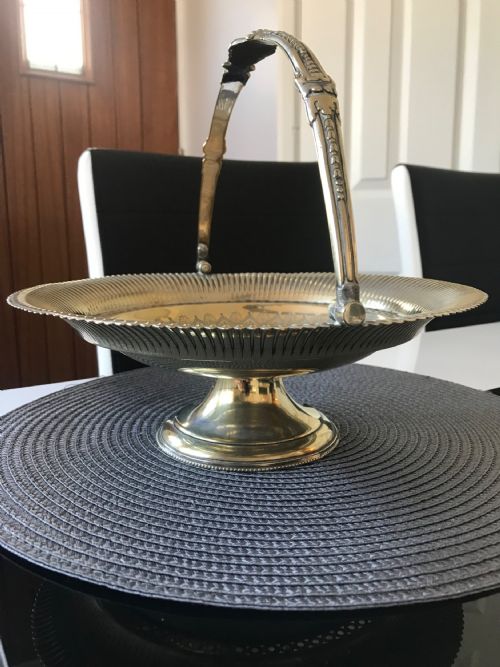
The most common version on this page is the silver plated bread basket from the edwardian decade, often styled with swing handles and pierced or embossed rims. Alongside these, solid sterling silver examples appear, hallmarked in cities such as Sheffield, London, and Chester.
Forms extend beyond bread to fruit baskets and cake dishes, reflecting the overlapping uses these vessels served in formal households. Makers utilised various metals, though silver plate and sterling silver predominate across the selection.
Judging quality
Quality rests upon the weight of the metal and the crispness of the pierced or embossed details. Heavy sterling silver or thick silver plate holds its structural integrity better over decades of handling.
The refinement of the maker's hand separates standard production from superior examples. Pierced fretwork executed with clean, sharp geometry and neatly finished repoussé floral motifs indicate higher craftsmanship.
Certain edwardian bread baskets arrived at the table accompanied by a matching silver fork for lifting slices without touching the food.
George W Scott And Sons Ltd·Mappin And Webb·Elkington And Co·Hammond Creake And Co·William Hutton And Sons·James Dixon And Sons Ltd·Liberty And Co·George Fox·Jay Richard Attenborough
The Edwardian Silver Bread Basket Glossary
- Repoussé
- Metalworking technique where the design is hammered into relief from the reverse side. This creates raised ornamental patterns along the rim or body of the vessel.
- Swing handle
- A hinged handle attached to the sides of a basket that moves freely. It allows the vessel to be lifted easily and laid flat when placed on a crowded table.
- Sterling silver
- An alloy consisting of silver and other metals, usually copper, meeting a strict purity standard. Hallmarks certify this standard upon the metal.
- Electroplated nickel silver
- A base metal alloy of copper, nickel, and zinc coated with a thin layer of pure silver through electrolysis. This provided an accessible alternative to solid silver.
- Pierced work
- The practice of cutting decorative holes through the metal plate to form geometric or floral patterns. It lightened the visual weight of the basket.
Edwardian Silver Bread Basket: Frequently Asked Questions
What were edwardian silver bread baskets used for?
These vessels served to present sliced bread, cakes, or fruit on formal dining tables during meals and afternoon tea.
Guests would help themselves directly from the open bowl, which often featured a swing handle for passing around the table.
How do I distinguish sterling silver from silver plate?
Sterling silver pieces bear official hallmarks indicating the standard of purity and the assay office, alongside the maker's mark.
Silver plate items utilise a base metal such as nickel silver beneath the silver coating and generally lack standard sterling assay marks.
How should I clean my silver basket?
Gentle washing in warm soapy water with a soft cloth removes everyday dust without harming the metal surface.
Specialist silver polish should be used sparingly on solid silver, while silver plated items require care to avoid wearing through the thin outer layer.
How do I date an edwardian bread basket?
Solid silver examples carry date letters within their hallmarks that correspond to specific years and assay offices.
Silver plated items rely on stylistic clues, design registrations, and known periods of operation for makers such as Elkington or Mappin and Webb.